May 21, 2026
Content
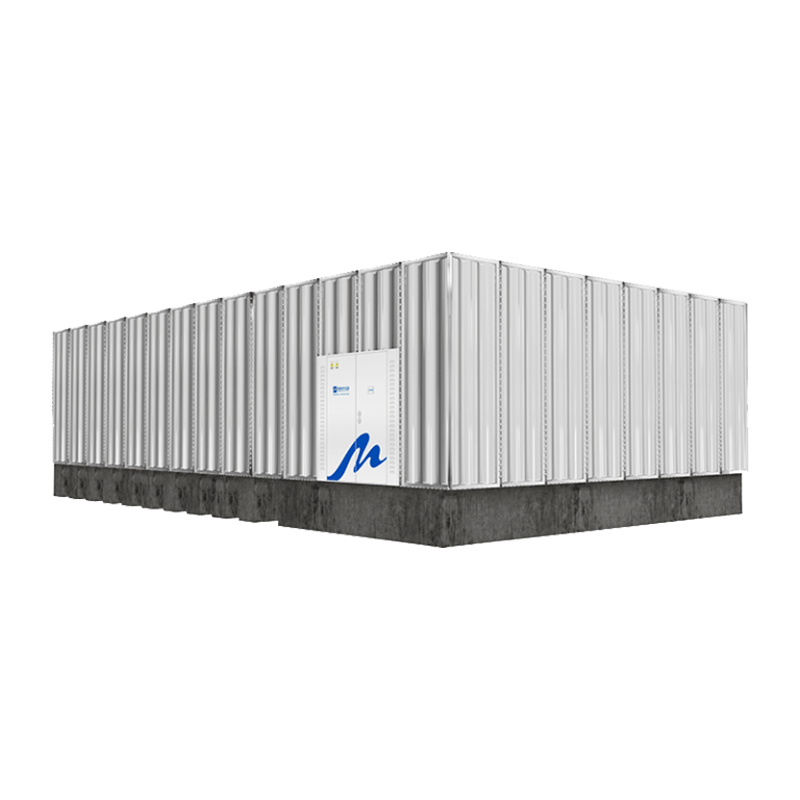
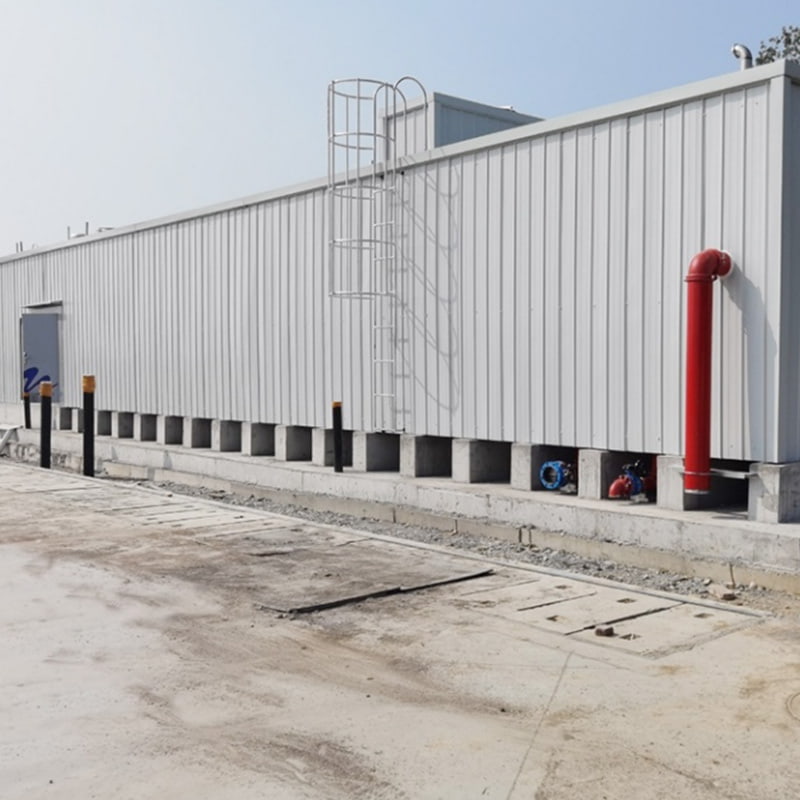
A water storage tank is a vessel designed to hold a reserve volume of water for later use—for drinking, irrigation, fire suppression, emergency supply, or general household demand. Unlike a pressure tank, which is a small component in a well system that holds only a few gallons under pressure to smooth pump cycling, a water storage tank is a large-capacity container—ranging from 50 gallons to hundreds of thousands of gallons—that physically stores a meaningful supply of water.
Water is typically delivered to a storage tank by gravity feed, a pump drawing from a well or surface source, or direct connection to a municipal supply line. It is then distributed from the tank by gravity (if the tank is elevated) or by a booster pump. The tank itself is passive—it stores; it does not pressurize.
The reasons for installing a water storage tank at a residential property fall into several distinct categories, and the right tank specification depends heavily on which need is being addressed:
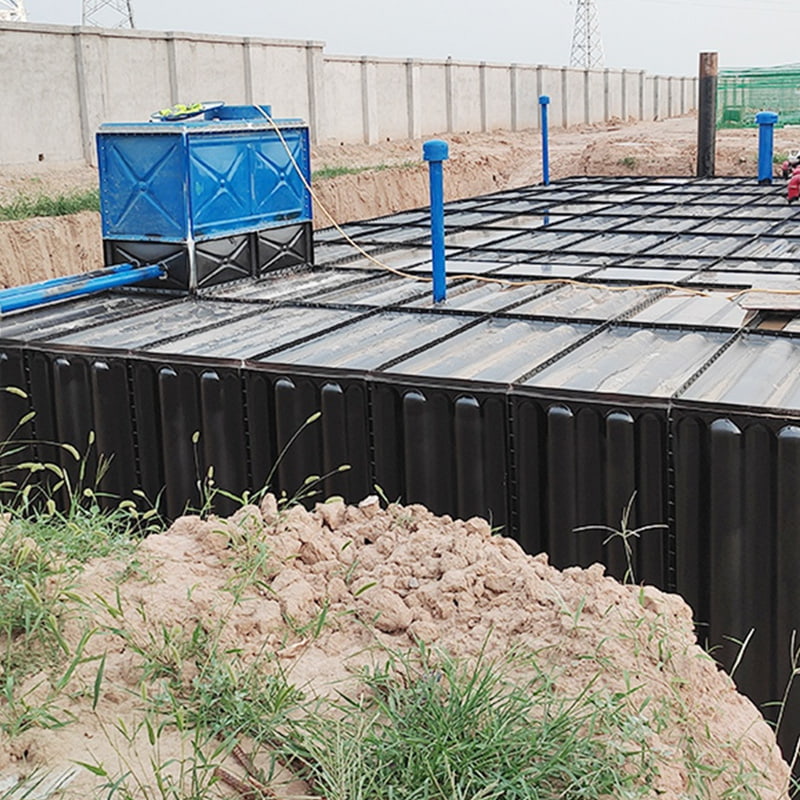
Water storage tanks are manufactured in several materials and configurations. The right choice depends on installation location, water quality, capacity requirements, and budget:
| Material | Typical Capacity Range | Potable Use | Key Advantage | Key Limitation |
|---|---|---|---|---|
| Polyethylene (HDPE) | 50–10,000 gal | Yes (food-grade) | Lightweight, corrosion-proof, low cost | UV degradation if not UV-stabilized; algae growth in sunlight |
| Fiberglass (GRP) | 500–50,000 gal | Yes | Strong, long lifespan, suitable for underground | Higher cost; requires professional installation |
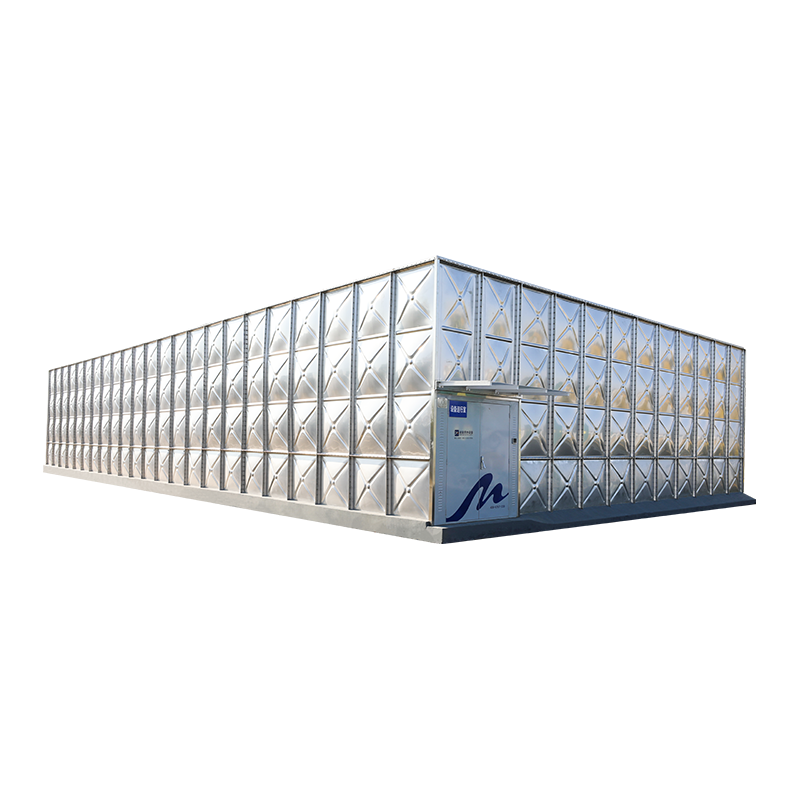
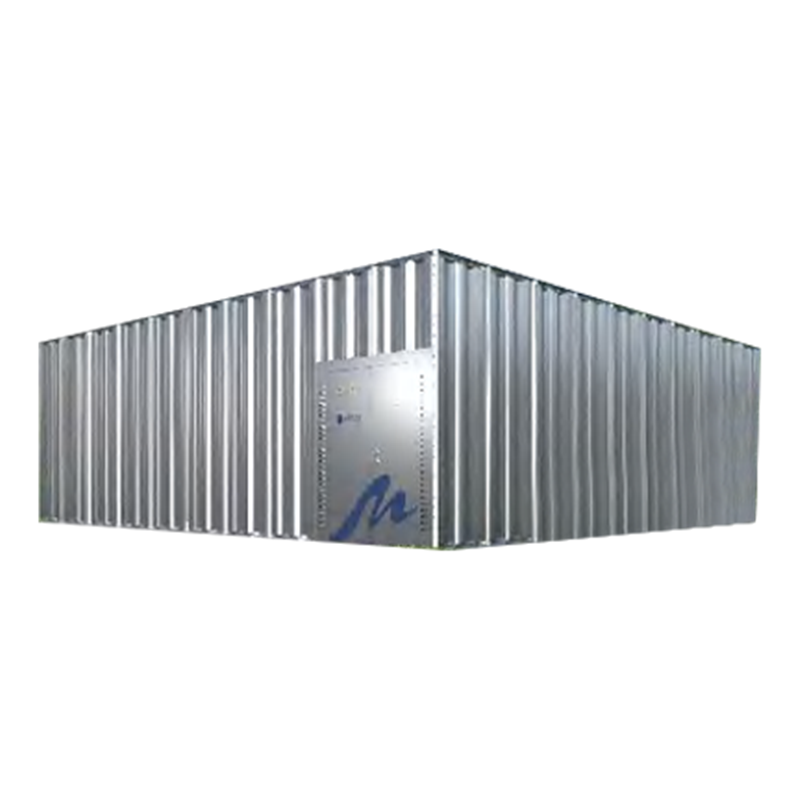
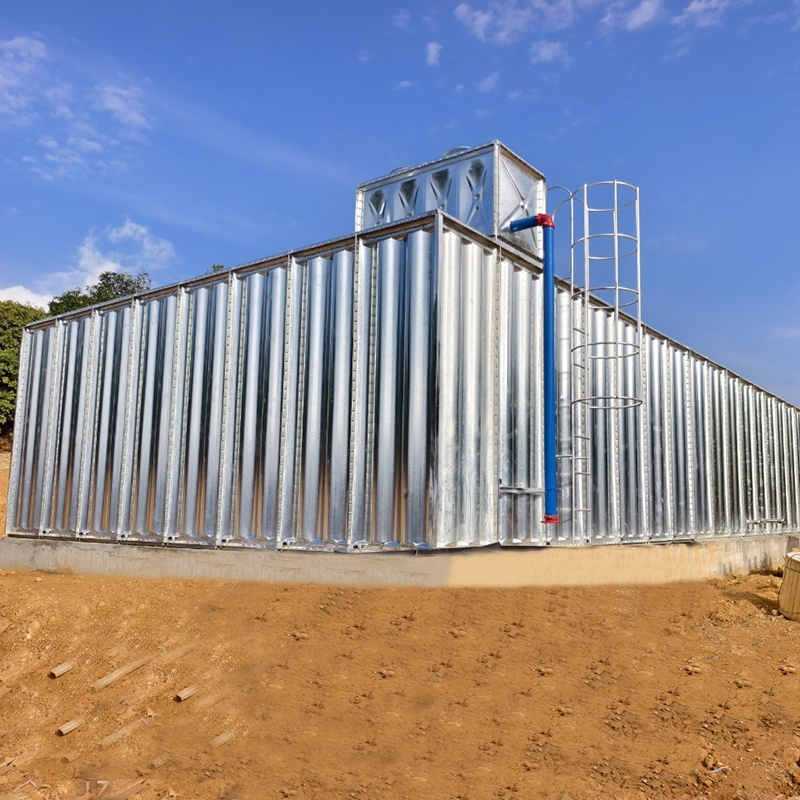
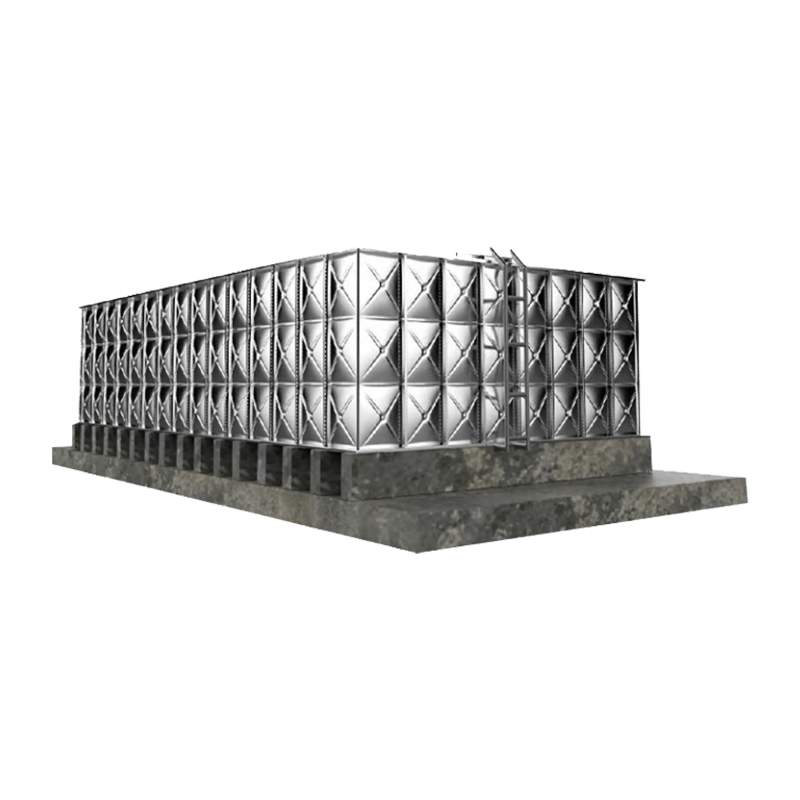
| Galvanized steel | 500–30,000 gal | With liner only | High structural strength; modular panel construction | Corrodes without liner; liner replacement adds cost |
| Concrete / ferrocement | 500–100,000+ gal | Yes (sealed) | Extremely durable; ideal for underground cisterns | High installation cost; cracking risk if site settles |
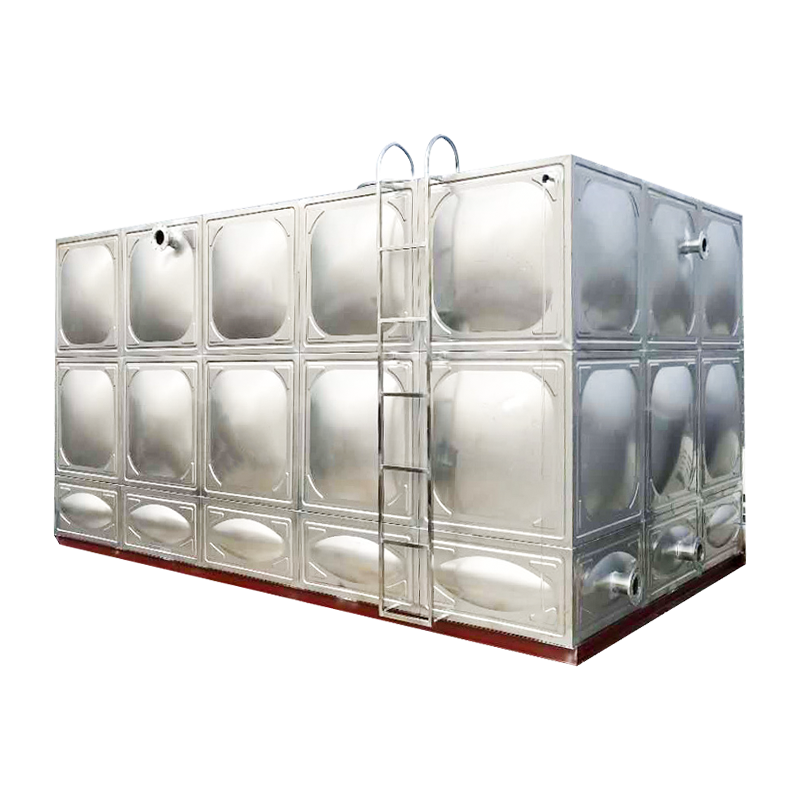
| Stainless steel | 200–5,000 gal | Yes | Premium hygiene; no leaching; long life | Highest cost per gallon of capacity |
HDPE polyethylene tanks dominate the residential market for above-ground installations due to their combination of low cost, light weight, and corrosion resistance. For potable use, verify the tank is manufactured from FDA-approved, food-grade resin and is opaque (black or dark green) to block light and prevent algae growth. Translucent tanks are suitable for non-potable applications only.
Sizing a residential water storage tank starts with understanding daily household consumption. Average U.S. household water use is approximately 80–100 gallons per person per day for all indoor uses combined (toilet, shower, laundry, cooking, drinking). A family of four uses roughly 300–400 gallons per day.
The required storage volume depends on the intended purpose:
Water storage tank costs break into two categories: the tank itself and the installed system cost including pump, fittings, foundation, and labor.
Fiberglass and stainless steel tanks cost 2–4× more than HDPE at equivalent capacities. Underground concrete cisterns, including excavation and installation, typically run $5,000–$20,000 for residential sizes.
A complete residential water storage system—tank, inlet/outlet plumbing, booster pump, pressure tank, filtration, and electrical connection—typically adds $1,500–$5,000 in installation costs on top of the tank price for a straightforward above-ground setup. Complex installations involving underground tanks, long pipe runs, or UV treatment systems can reach $10,000–$25,000 for larger residential applications. Ongoing costs include annual inspection, occasional filter replacement, and periodic tank disinfection—typically $100–$500 per year depending on water quality and system complexity.
Where and how a water storage tank is installed determines both its performance and its longevity. Several factors warrant careful planning before purchase:
Related Products

Contact us
Headquater Address
Room 901, Building 17, Lane 1088, Shen Hong Road, Minhang District, Shanghai
Factory Address
No. 1, Mingxing North Road, Tech Innovation Park, Jianhu County, Yancheng, Jiangsu, P. R. China
Amy@mxwatersupply.com
Amy@mxwatersupply.com
Telephone(Whatsapp/Wechat)
+86-18051685983
QR CODE

 English
 Français