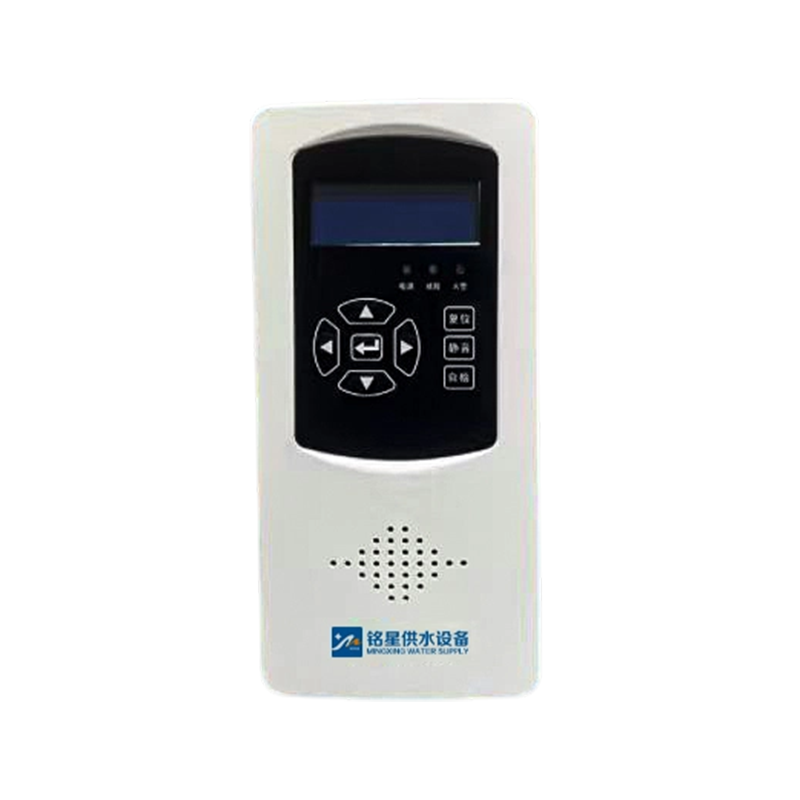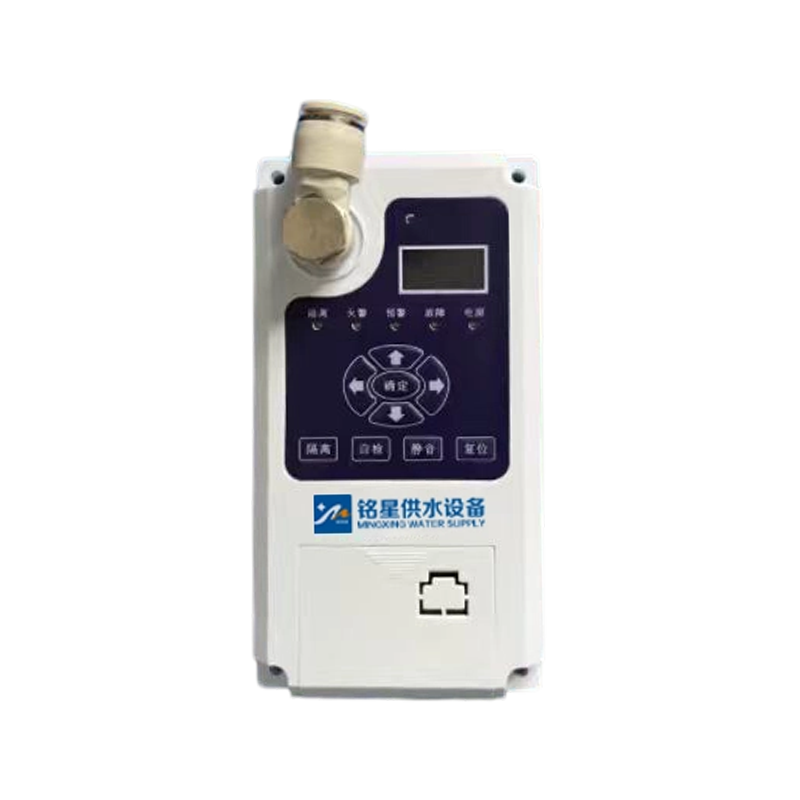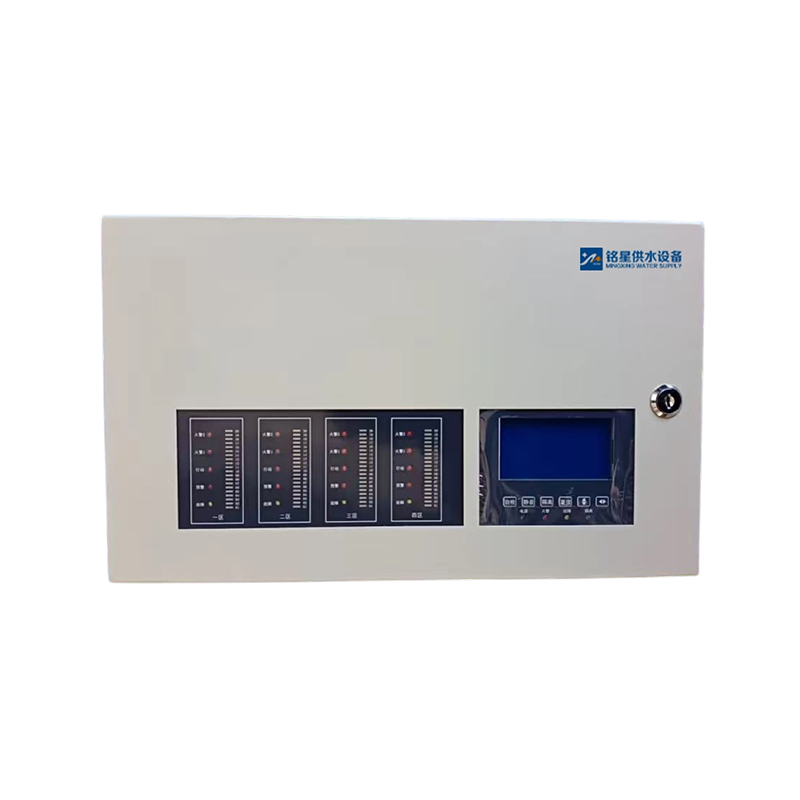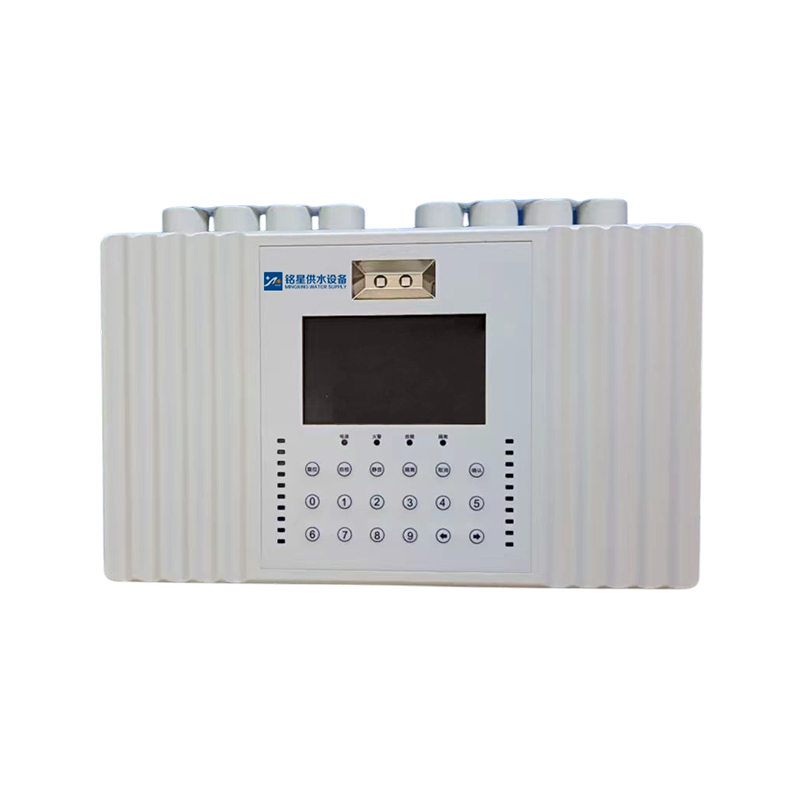
Extremely high sensitivity provides additional reaction time, helping prevent small incidents from developing into major disasters.
Even when operating at ultra-high sensitivity, the system avoids false alarms caused by dust, ensuring stable performance without operational disturbance.
It maintains high sensitivity even under airflow dilution, enabling reliable smoke detection in ventilated environments.
The system is capable of detecting fire inside switchgear cabinets, even when smoke is obstructed by enclosure barriers.
In large-volume or high-ceiling spaces, it effectively reduces the impact of smoke stratification, ensuring accurate early warning.
The design philosophy of this system is based on detecting and warning during the very early stages of a fire—including overheating, smoldering, low heat-radiation, or pre-smoke generation phases. This allows the system to raise an alarm during the thermal decomposition stage, well before visible smoke appears.
Its alarm response time is several hours earlier than traditional detectors, enabling extremely early identification of potential fire hazards and minimizing the possibility of fire development.
Inquiry
Construction Cases
Contact Us for More Details
Don't hesitate to contact when you need us!
What Is the Purpose of a Circulation Pump? A circulation pump moves fluid continuously through a closed loop system rather than transferring it from one point to another and stopping. Its job isn't ...
READ MOREWhat Is a Sectional Water Tank A sectional water tank is built from individual panels — most commonly GRP (glass-reinforced plastic, also called fiberglass), though steel and other materials are also...
READ MOREThe Core Definition: A Tank Built From Panels, Not Molded in One Piece A sectional water tank is a modular storage system assembled on site from individual factory-fabricated panels, typically made o...
READ MORE