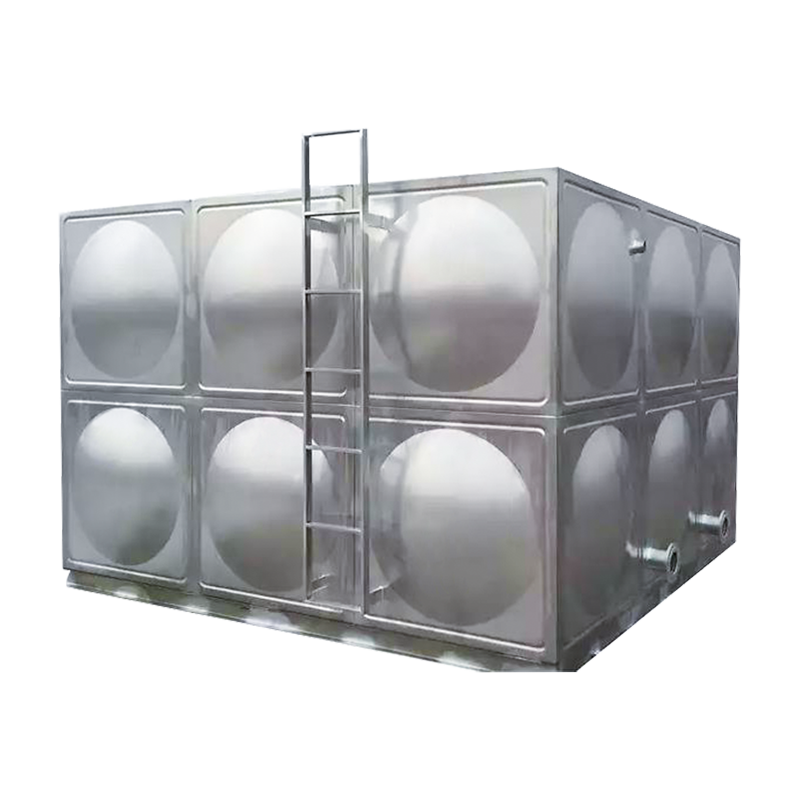
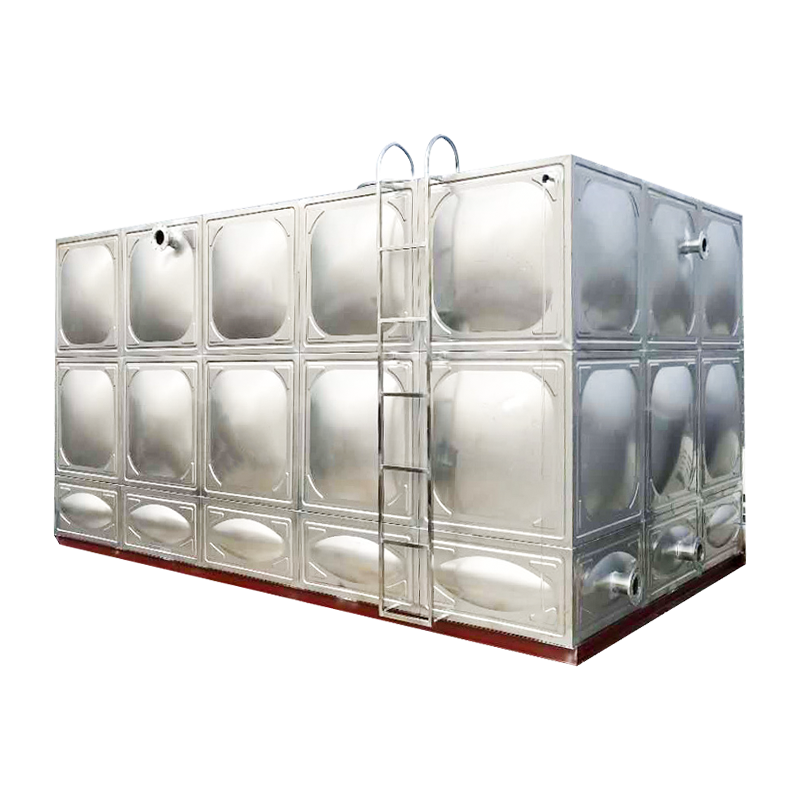
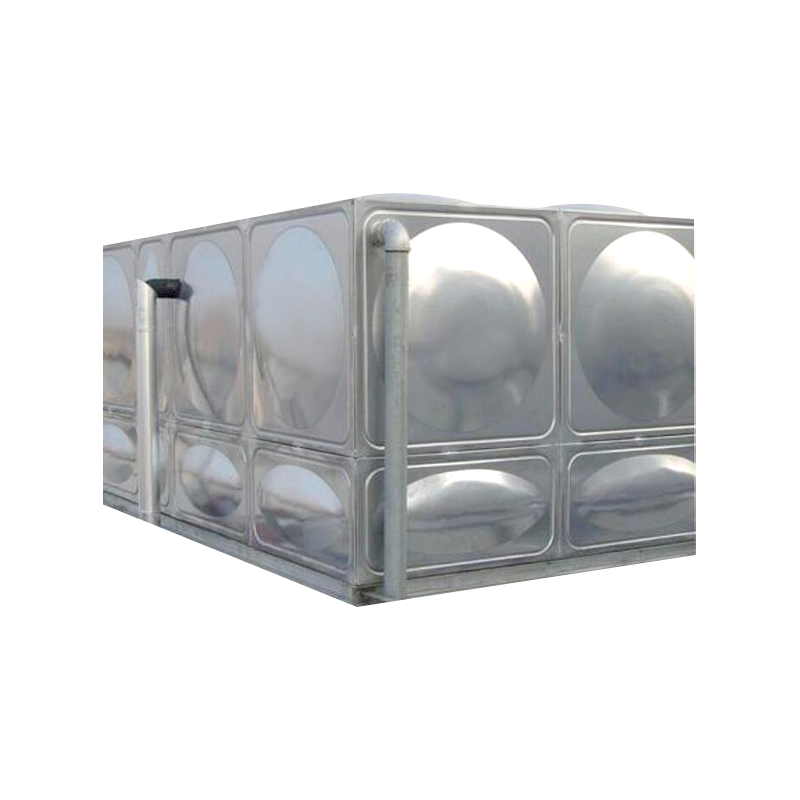
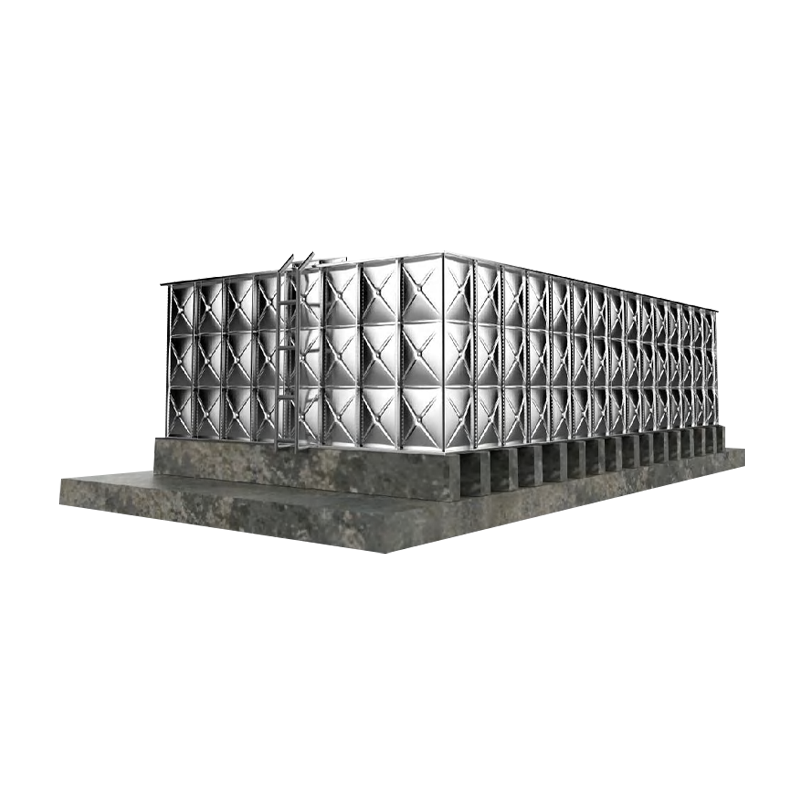
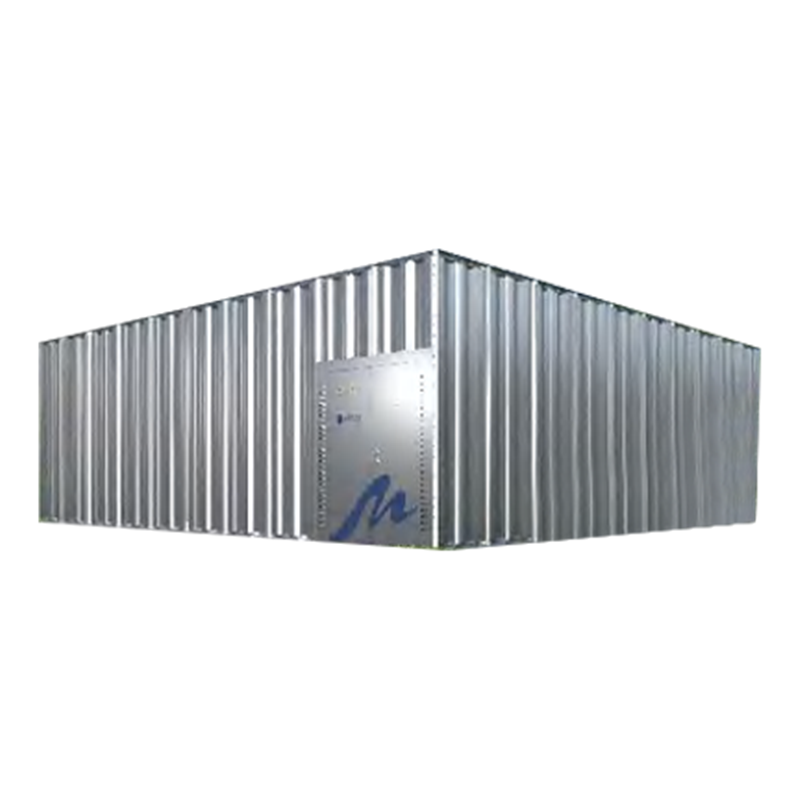
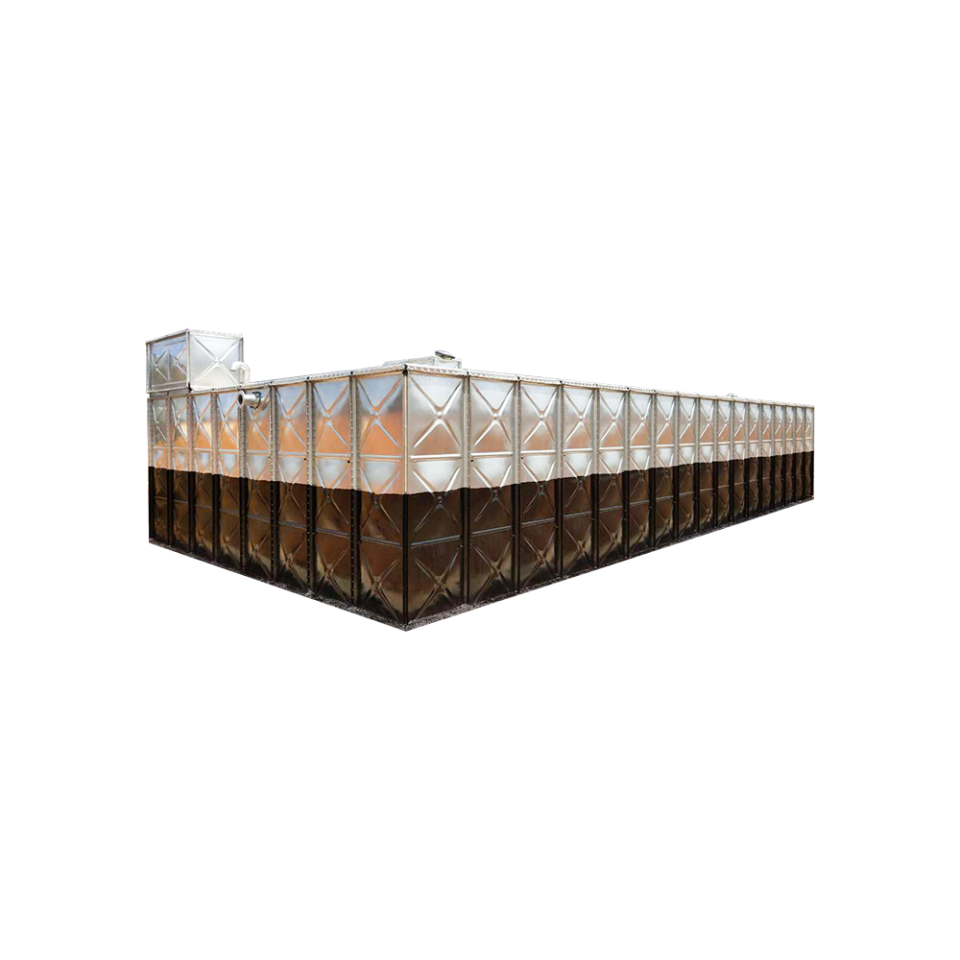
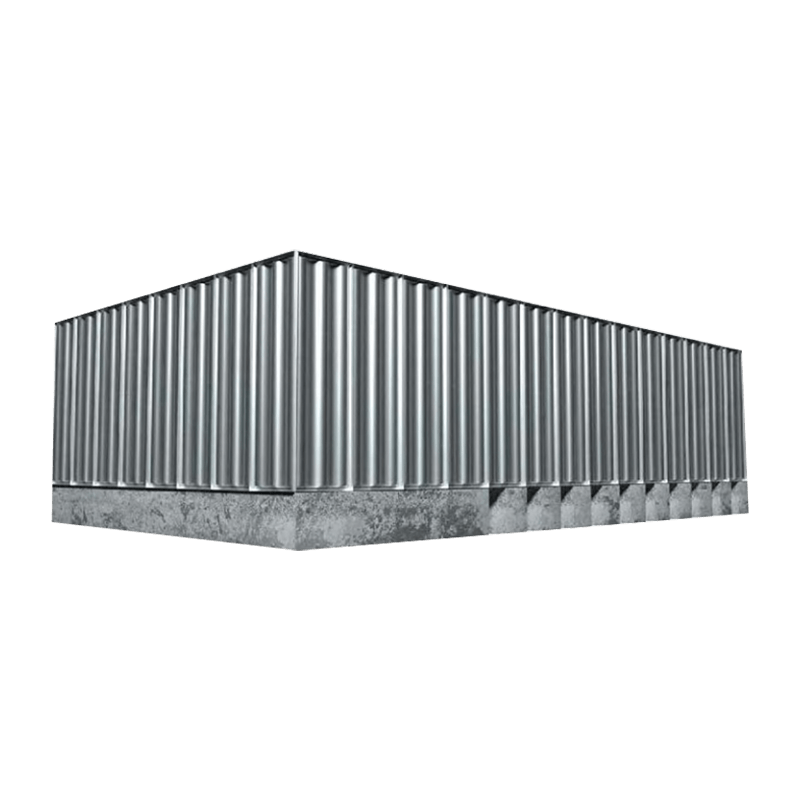
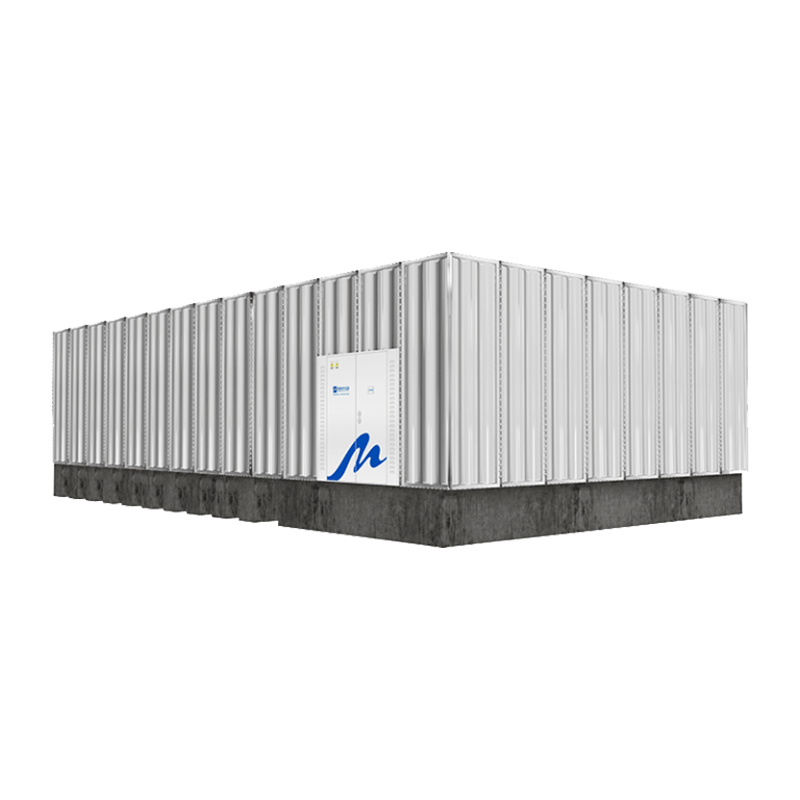
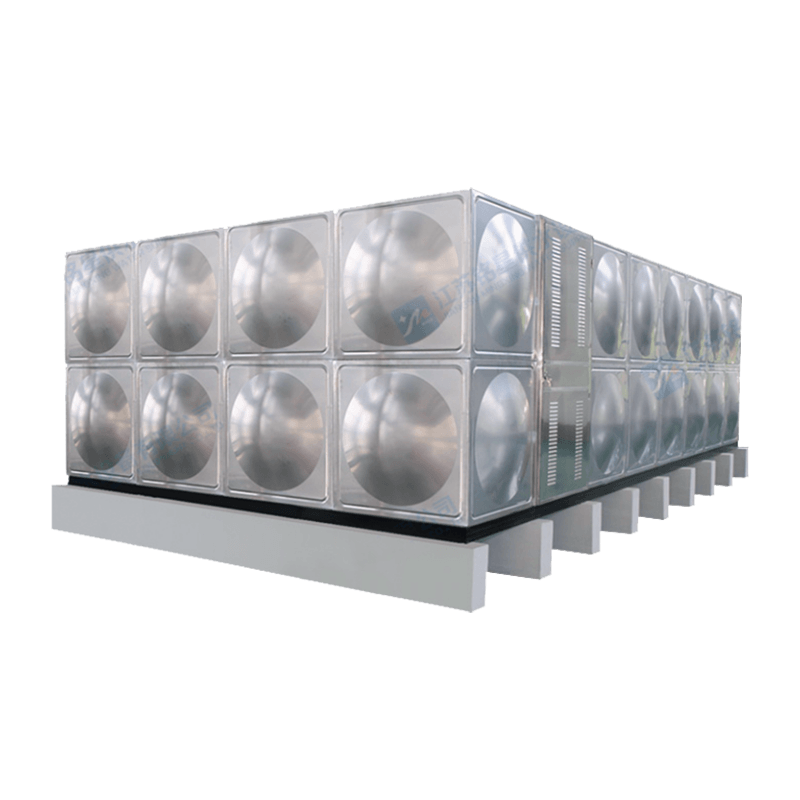
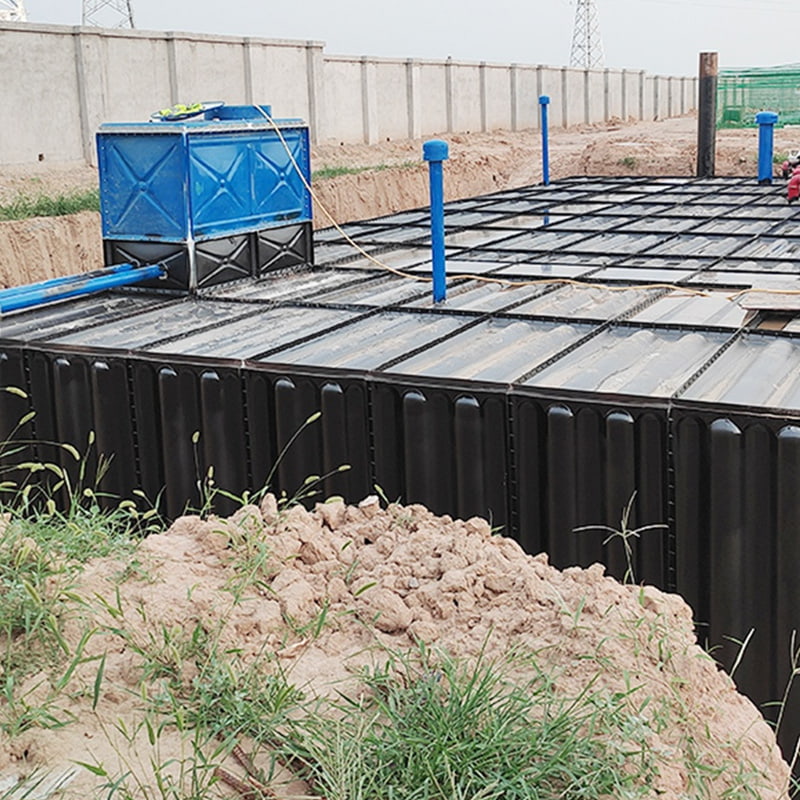
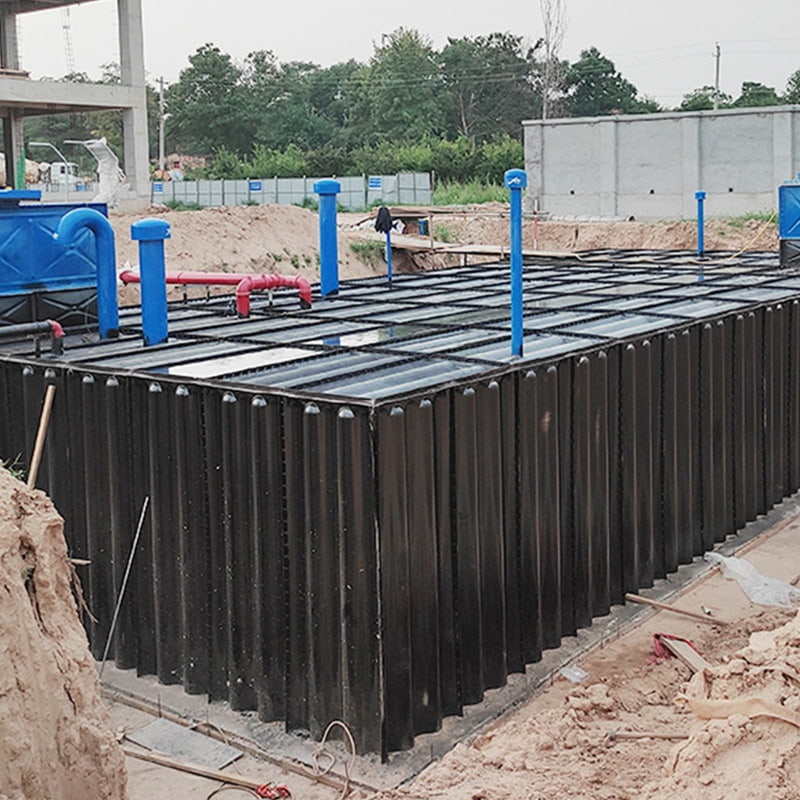
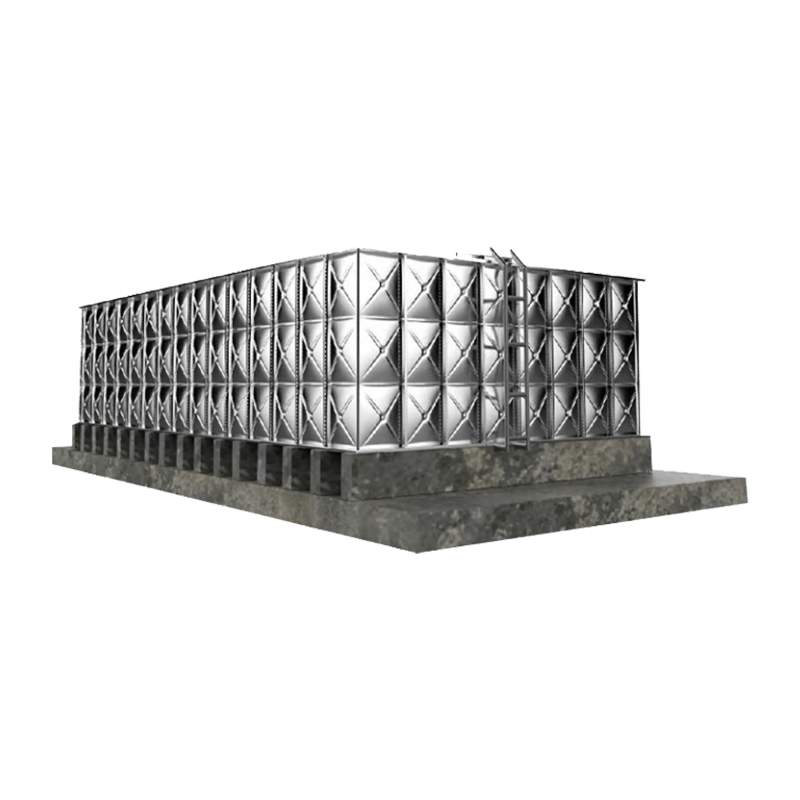
The welding water tank is made from steel plates through processes such as cutting, folding, bending, edge rolling, punching, and slotting. The welding methods used include gas shielded welding, arc welding, stud welding, and other technologies. Welded water tanks have the advantages of strong sealing, good strength, and corrosion resistance, making them a common type of water storage equipment. Welded water tanks are usually made of materials such as stainless steel or galvanized plates, and they need to go through processes like cutting, folding, bending, edge rolling, punching, and slotting. Welded water tanks are generally suitable for places with high water quality requirements, such as breweries, pharmaceutical factories, laboratories, etc.
A 12-storey residential block with a 0.32 MPa street main looks like the ideal candidate for direc...
READ MOREA 14-story apartment block closed its water-supply contract on a classic imbalance: the municipal ...
READ MOREAt 7:12 a.m. in a 12-story residential building, the shower on the tenth floor turns cold for four...
READ MOREA fire in an electrical cable tunnel is rarely decided by the flames alone — the suppression respo...
READ MOREAt 80 to 200 bar discharge pressure, a high pressure water mist system forces water through sub-mi...
READ MOREWelded stainless steel sectional water tanks are widely used for clean water storage in environments that require high hygiene, stability, and corrosion resistance. Common application fields include:
Usage Scenarios
Drinking water supply systems in residential and commercial buildings
Food and beverage factories such as breweries and dairy plants
Pharmaceutical production and chemical processing facilities
Laboratories and medical institutions
Industrial process water storage
Hotels, schools, and large public facilities
These tanks are typically manufactured with stainless steel materials such as 304 or 316L to ensure safe, clean, and hygienic water storage.
Key Advantages
High hygiene and corrosion resistance: Stainless steel prevents rust, scaling, and bacterial growth, maintaining water purity.
Strong structural performance: Fully welded construction improves overall strength and durability.
Excellent sealing: Welding methods such as TIG and MIG ensure smooth and reliable weld seams that prevent leakage.
Flexible modular design: Sectional panels allow easy transportation and installation, especially in confined spaces.
Long service life and easy maintenance: Stainless steel tanks require minimal maintenance and can be used for over 20 years.
What manufacturing techniques ensure the tank is durable and leak free?
Manufacturing and Quality Control Techniques
High precision machining: Cutting, bending, punching, and grooving are performed with CNC equipment to ensure dimensional accuracy.
Advanced welding technology: Techniques such as TIG and MIG gas shielded welding create strong, uniform, and oxidation free weld seams.
Strict inspection procedures: The assembled tank undergoes weld non destructive testing, pressure testing, and water tightness testing to ensure long term leak free performance.

Contact us
Headquater Address
Room 901, Building 17, Lane 1088, Shen Hong Road, Minhang District, Shanghai
Factory Address
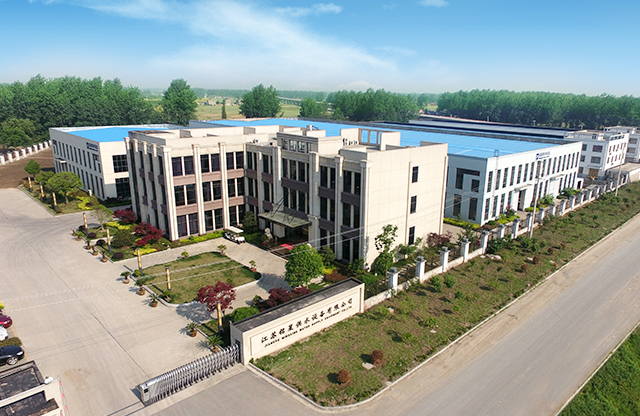
No. 1, Mingxing North Road, Tech Innovation Park, Jianhu County, Yancheng, Jiangsu, P. R. China
Amy@mxwatersupply.com
Amy@mxwatersupply.com
Telephone(Whatsapp/Wechat)
+86-18051685983
QR CODE

 English
 Français