Apr 24, 2026
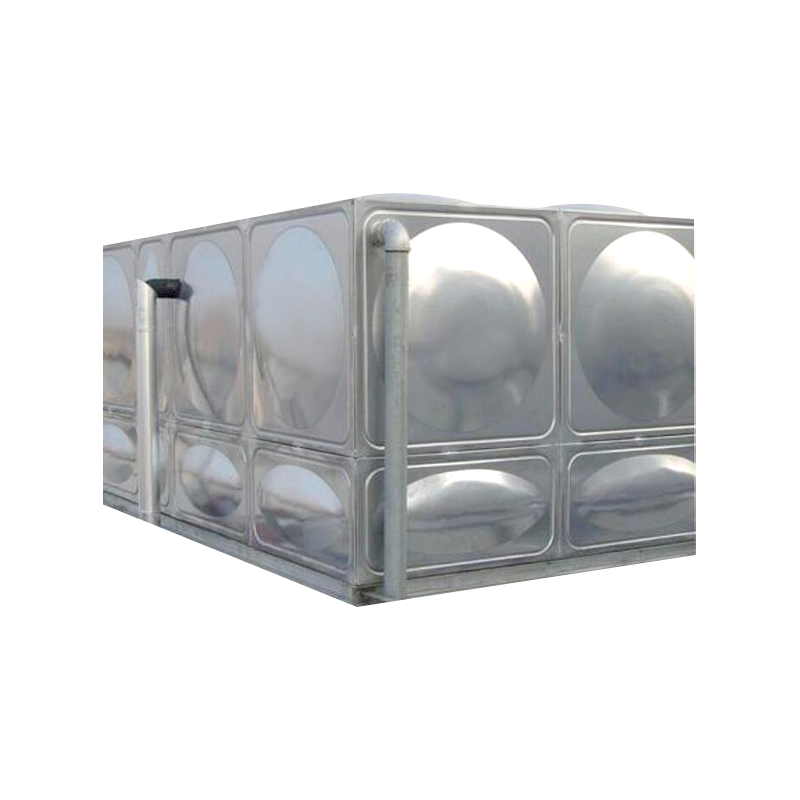
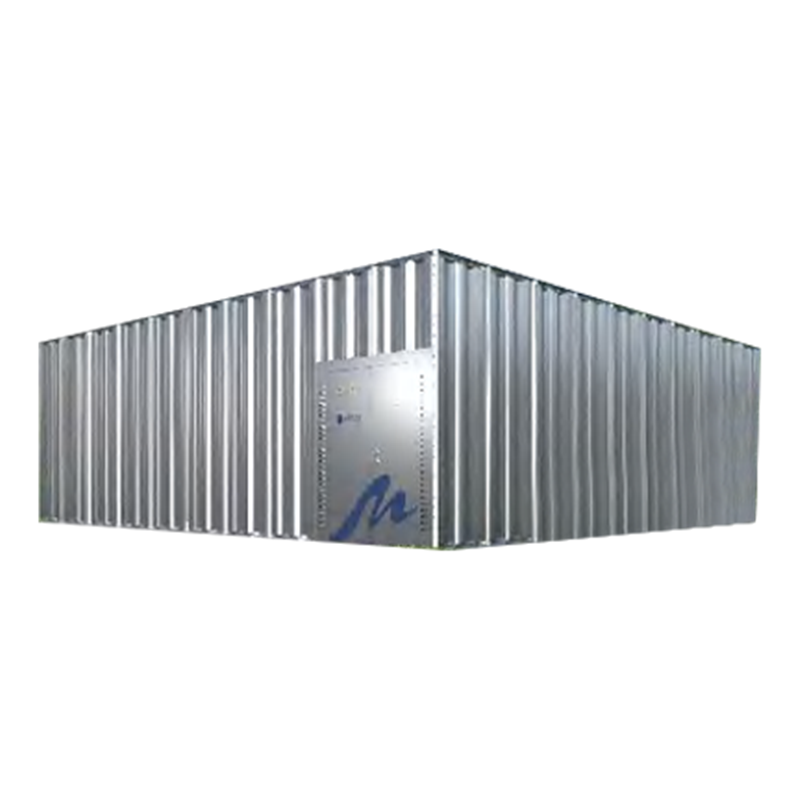
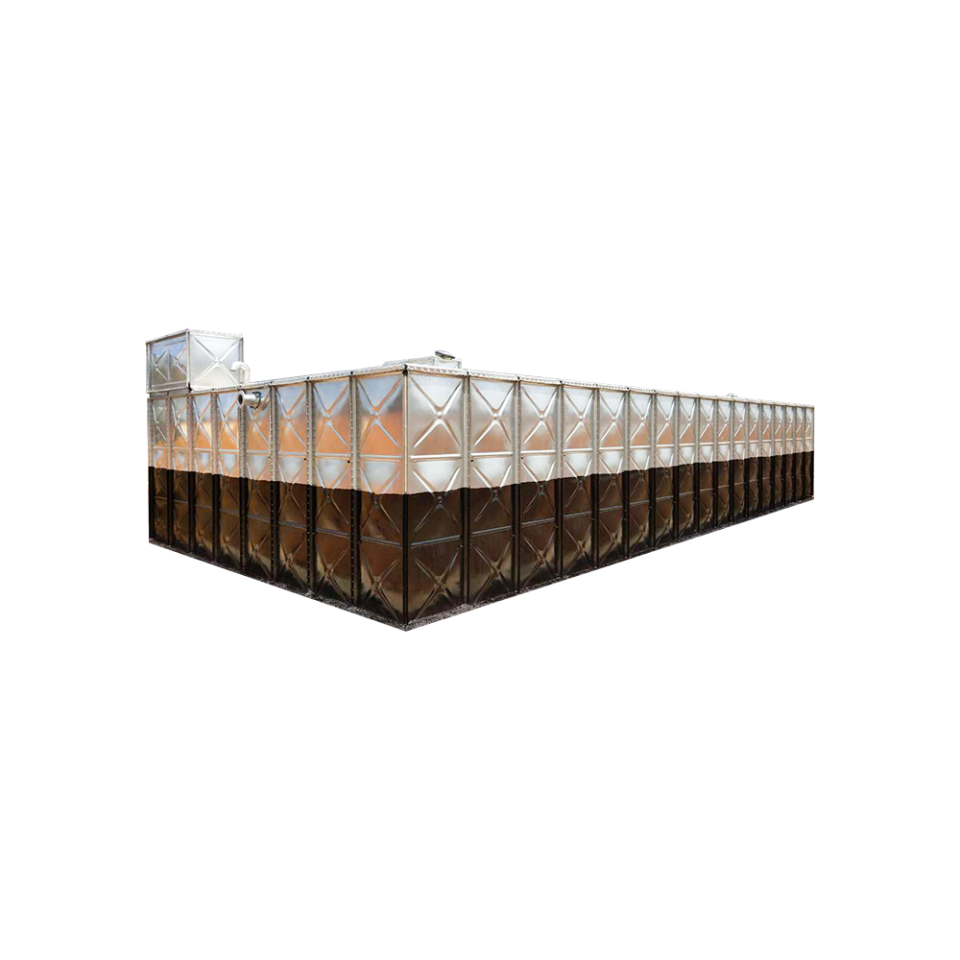
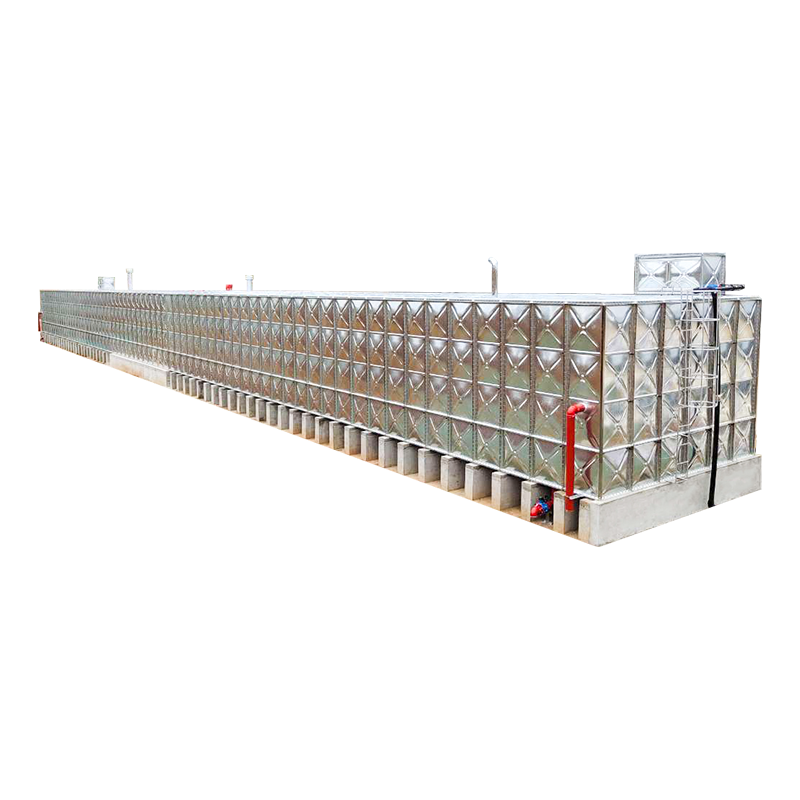
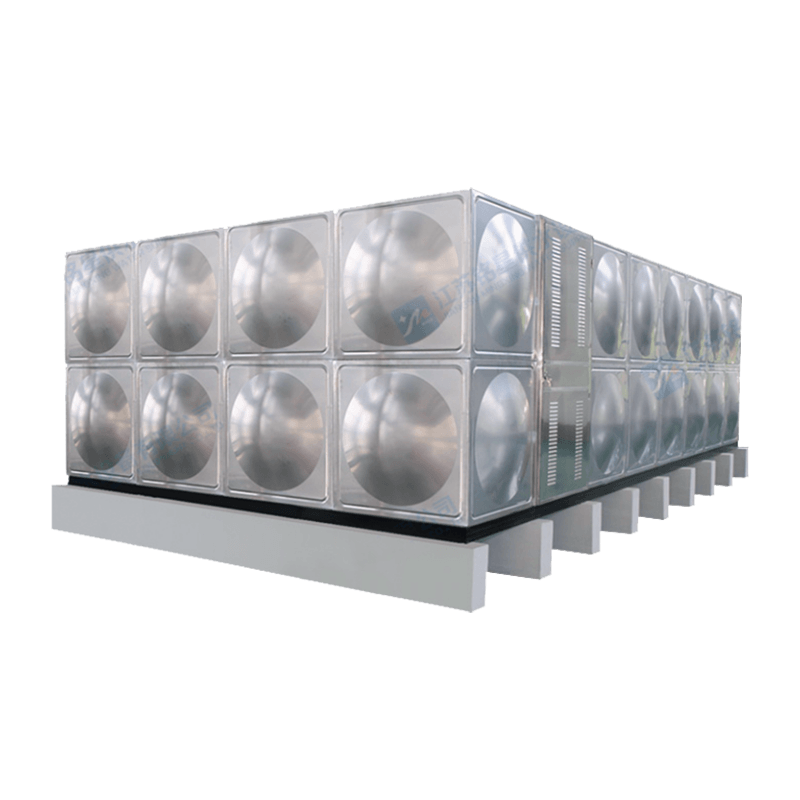
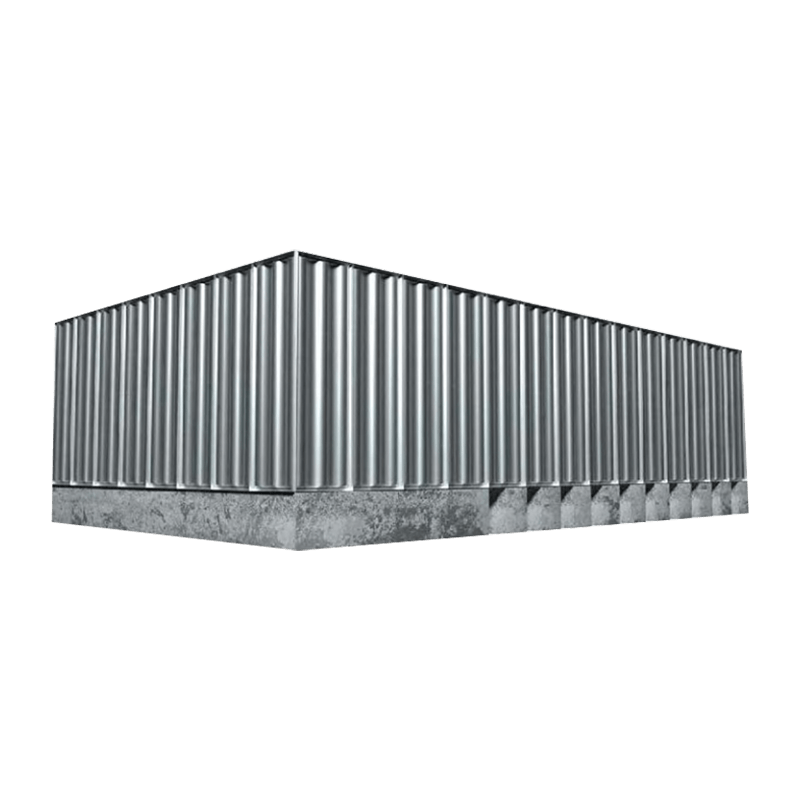
Stainless steel sectional water tanks combine modular construction with high-grade corrosion resistance, making them the preferred storage solution for applications where water quality, longevity, and on-site assembly flexibility are all critical. Unlike monolithic tanks that must be manufactured and shipped as a single unit, sectional steel tanks are built from bolt-together panels, allowing them to be installed in locations—basements, rooftops, plant rooms, remote sites—where a pre-formed tank simply cannot fit or be transported.
The core material advantage is straightforward: Grade 304 or 316 stainless steel resists chlorine, scale, and bacterial adhesion without surface coatings that can degrade over time. This makes sectional steel tanks especially well-suited for potable water, food and beverage processing, pharmaceutical production, and fire suppression systems—contexts where contamination risk is unacceptable and inspection cycles are long.
Content
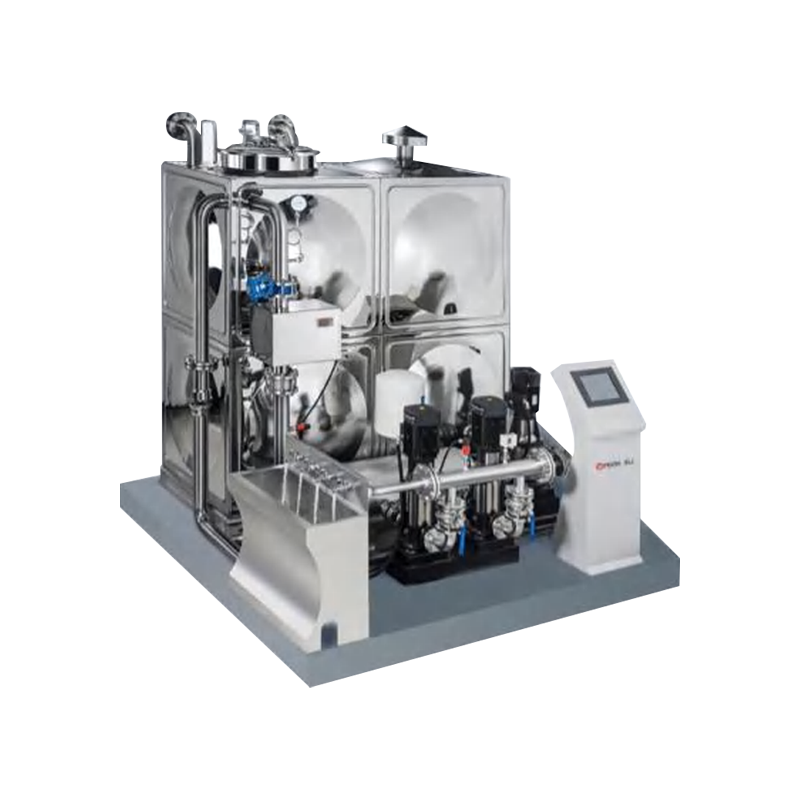
A sectional tank is assembled from flat or pressed steel panels, typically 1,000 × 1,000 mm or 500 × 500 mm, that interlock at flanged edges sealed with food-grade EPDM or butyl rubber gaskets. Structural rigidity comes from the panel geometry itself—dimpled or corrugated press patterns distribute hydrostatic load across the entire surface—combined with internal tie rods or external angle-iron frames depending on tank depth and volume.
Assembly follows a straightforward sequence: base frame installation, floor panel laying, wall panel stacking from the base up, and finally roof panel fitting with access hatches and vent connections. A two-person crew can erect a 20,000-litre tank in a single working day with hand tools, no welding equipment, and no heavy lifting gear beyond a basic chain block for larger panels.
Capacity is fully scalable. Standard panel grids allow tanks to be configured from as little as 500 litres up to several million litres by increasing the number of panels in any dimension. Future expansion simply requires unbolting a wall section, adding panels, and resealing—no structural demolition, no tank replacement.
The two grades used in virtually all sectional steel water tanks are 304 (1.4301) and 316 (1.4401). The choice between them depends on the water chemistry and operating environment:
Panel thickness is governed by tank depth and volume. A standard 1.5 mm panel handles shallow tanks up to 2 m deep; wall panels at the base of a 4 m deep tank typically require 2.0–2.5 mm sheet to keep stress within allowable limits. Reputable manufacturers supply load calculations per the relevant standard (BS EN 13280, AS/NZS 4776, or equivalent) with each project.
| Tank Depth | Recommended Panel Thickness | Typical Application |
|---|---|---|
| Up to 2 m | 1.5 mm | Rooftop cold water storage, small fire reserve |
| 2–3 m | 1.5–2.0 mm | Commercial building break tank, process water buffer |
| 3–4 m | 2.0–2.5 mm | Industrial fire suppression, large-volume potable storage |
| Above 4 m | 2.5 mm+ with tie rods | Underground cistern, high-capacity municipal reserve |
Stainless steel sectional water tanks appear across a wider range of sectors than most specifiers initially expect, largely because the same modular system adapts to radically different capacity and installation requirements with no change in fundamental design.
High-rise residential and commercial buildings use rooftop or basement sectional tanks as break tanks and cold water storage vessels feeding boosted distribution systems. The ability to pass panels through standard doorways and assemble in plant rooms makes sectional construction the only practical option in many retrofit projects.
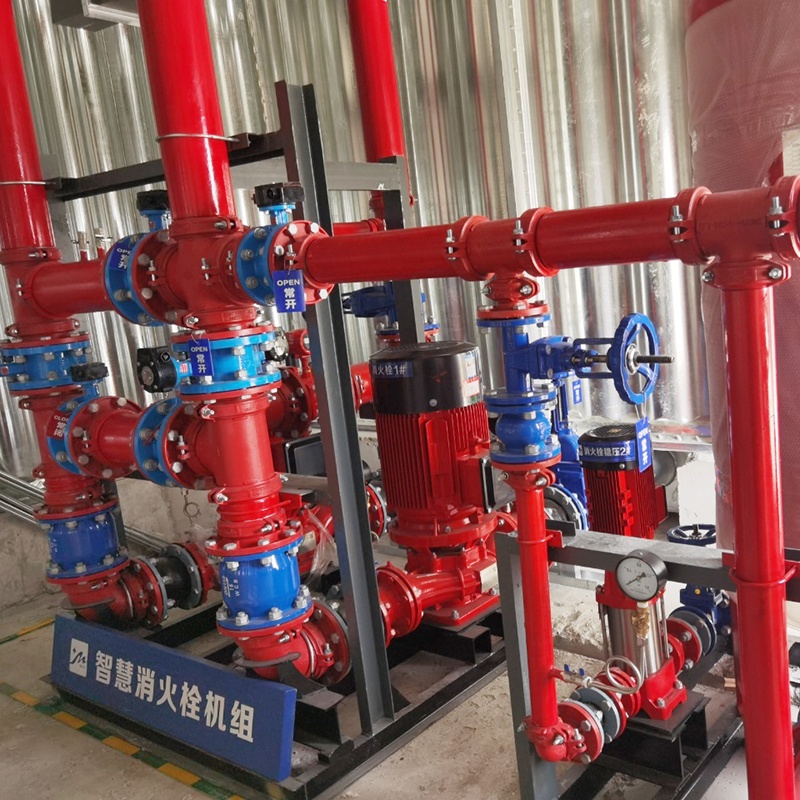
Fire reserve tanks must meet strict minimum capacity requirements under standards such as NFPA 22 or EN 12845. Sectional steel tanks are commonly specified for fire suppression because their capacity can be sized to the exact cubic metre required, they tolerate long static storage periods without liner degradation, and they provide the structural robustness to remain serviceable after seismic events.
Process water and ingredient water for food and pharmaceutical production demand surfaces that do not leach plasticizers, VOCs, or coating particles. 316-grade sectional steel tanks with electropolished interiors meet the hygienic design requirements of EHEDG and 3-A standards, and their all-metal construction supports validated CIP (clean-in-place) and hot-water sanitisation cycles that would degrade polymer tanks.
Where road access is limited, sectional tanks can be transported in flat-pack form and assembled on site with minimal equipment. This has made them a standard tool in humanitarian and military field operations, rural community water supply projects, and mining or construction camp installations.
Three materials dominate large-volume water storage: stainless steel sectional panels, GRP (glass-reinforced plastic) sectional panels, and in-situ concrete. Each has a distinct profile of strengths and limitations that determines which is appropriate for a given project.
For projects where water quality compliance is non-negotiable, installation access is restricted, future expansion is probable, or service life must exceed 30–40 years, sectional steel water tanks consistently produce the lowest whole-life cost despite higher initial capital expenditure.
Correct base preparation is the single most critical installation factor. The base—whether a reinforced concrete slab, steel frame, or brick plinth—must be level to within ±3 mm across the full footprint and capable of distributing the full water load uniformly. Uneven support introduces bending stress into the floor panels and risks joint leakage over time.
Routine maintenance intervals for stainless steel sectional tanks are substantially longer than for GRP or lined concrete alternatives:
For potable water applications, tanks should be disinfected in accordance with BS 8558 or equivalent local guidance before commissioning and after any internal work, using sodium hypochlorite at 50 mg/L free chlorine contact concentration.
A complete specification for a sectional steel water tank project should address the following parameters before approaching suppliers for quotation:
Providing complete information upfront eliminates the most common causes of quotation discrepancy—mismatched capacity, incorrect connection schedules, and unspecified certification requirements—and accelerates project delivery from order to commissioning.
Related Products

Contact us
Headquater Address
Room 901, Building 17, Lane 1088, Shen Hong Road, Minhang District, Shanghai
Factory Address
No. 1, Mingxing North Road, Tech Innovation Park, Jianhu County, Yancheng, Jiangsu, P. R. China
Amy@mxwatersupply.com
Amy@mxwatersupply.com
Telephone(Whatsapp/Wechat)
+86-18051685983
QR CODE

 English
 Français