Apr 22, 2026
Content
A water storage tank is a vessel designed to hold a supply of water for on-demand use, acting as a buffer between the source—whether a municipal line, well, or rainwater collection system—and your household plumbing. For homes on municipal water, a storage tank smooths out pressure fluctuations and provides an emergency reserve during service interruptions. For properties on private wells, it plays an even more critical role: separating the pump cycle from the household demand so the well pump doesn't short-cycle and wear out prematurely.
The distinction between a water holding tank and a pressure storage tank is important. A holding tank is an atmospheric vessel—it stores water at ambient pressure and relies on a separate pump to deliver water through the home's pipes. A pressure storage tank (also called a pressure vessel or pressure well tank) contains a pre-charged air bladder or air chamber that maintains system pressure, typically between 40 and 60 PSI, so water flows immediately when you open a tap without the pump needing to start for every small draw.
Both types are valid for residential use, but the right choice depends on your water source, daily demand, property layout, and whether you're supplementing an existing pressure system or building one from scratch.
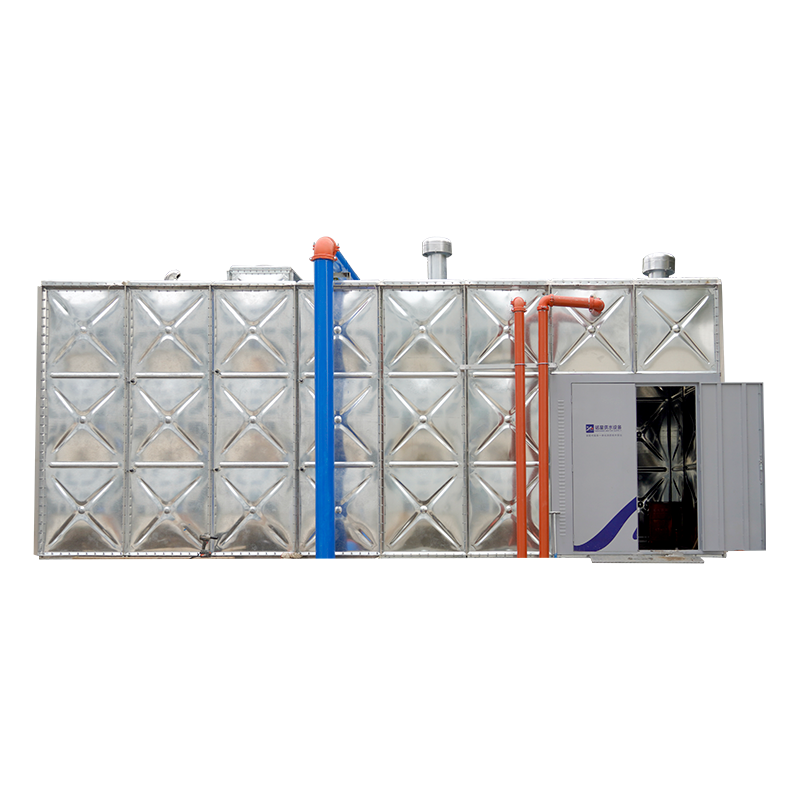
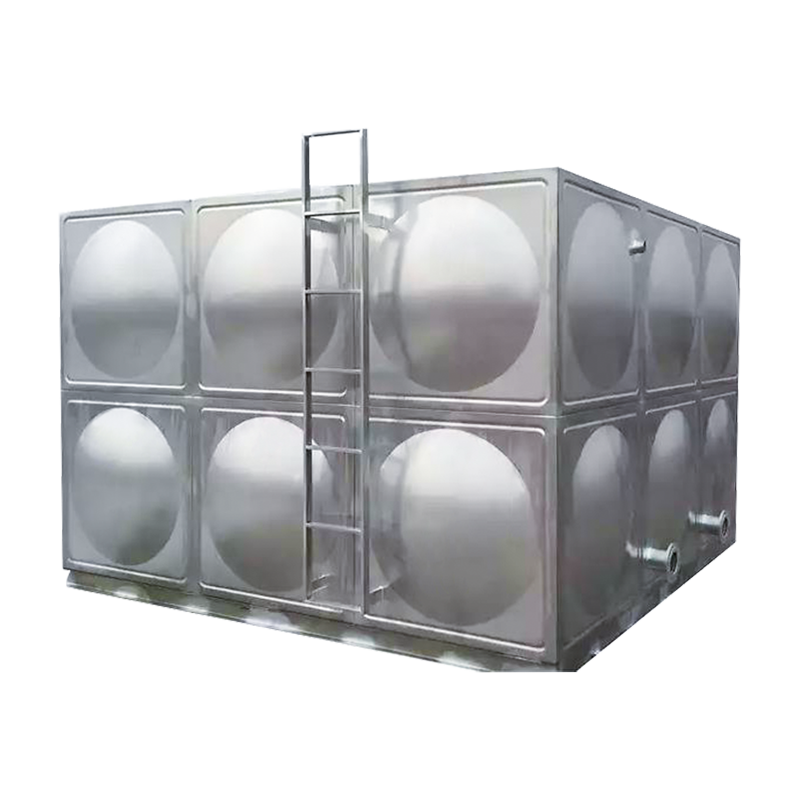
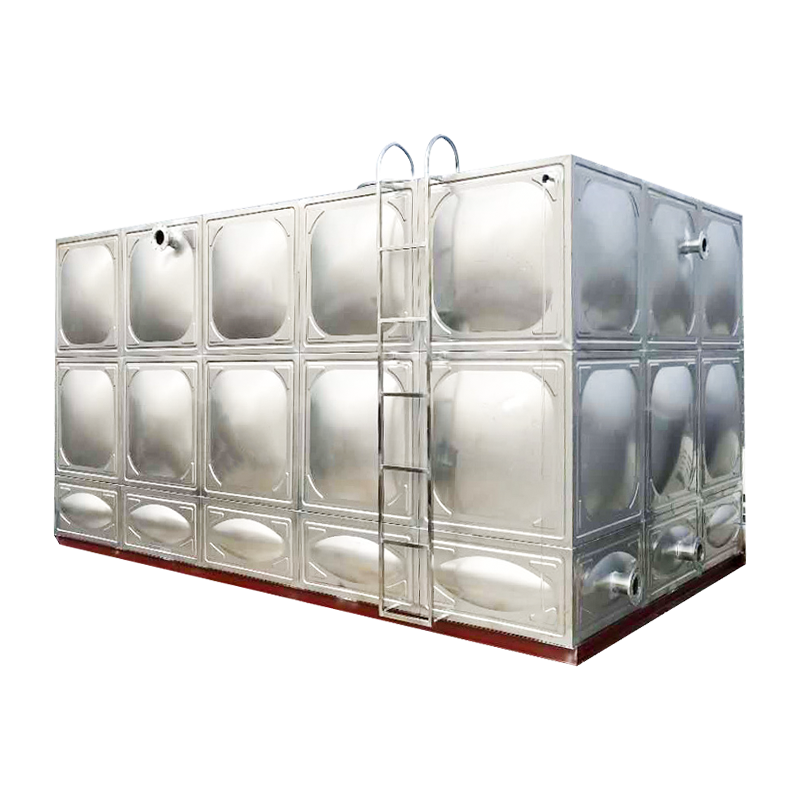
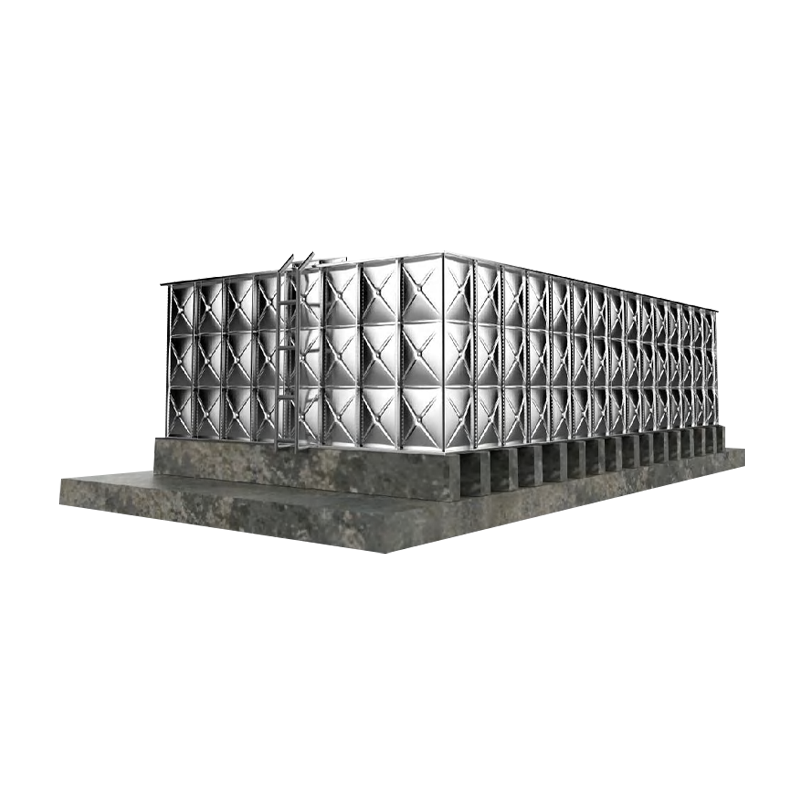
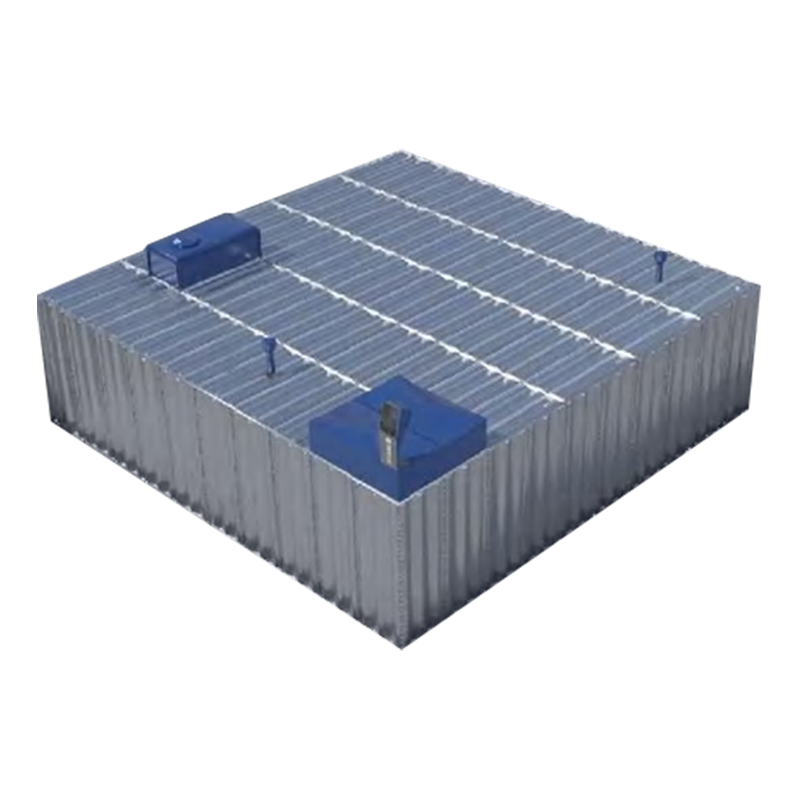
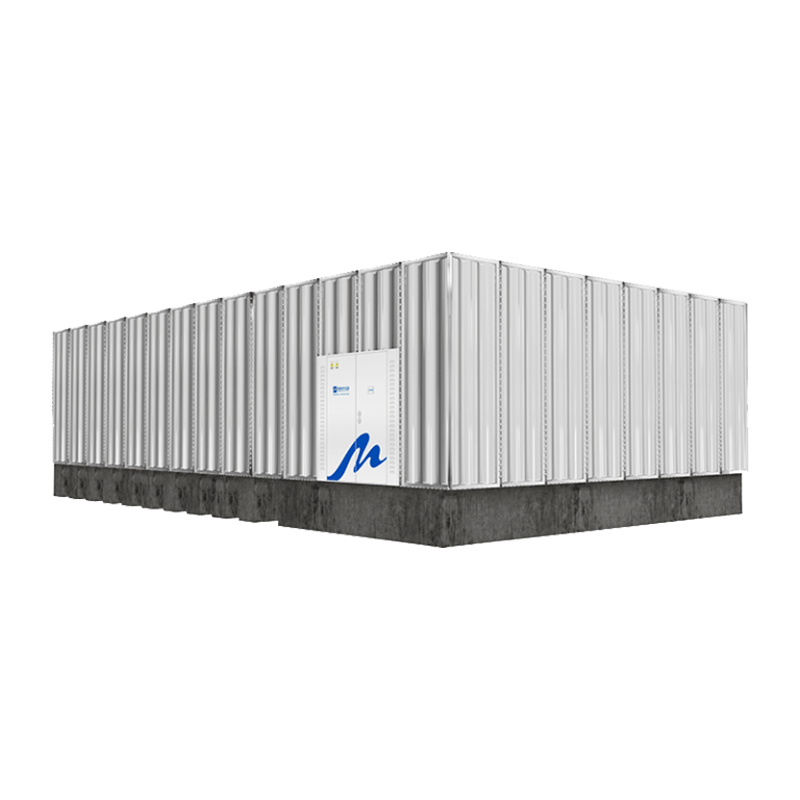
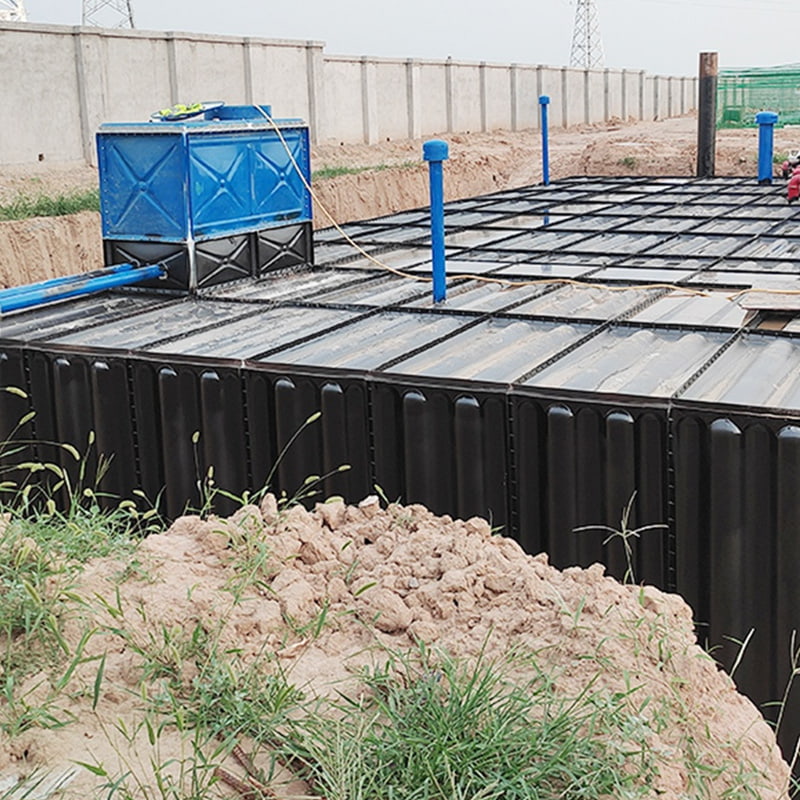
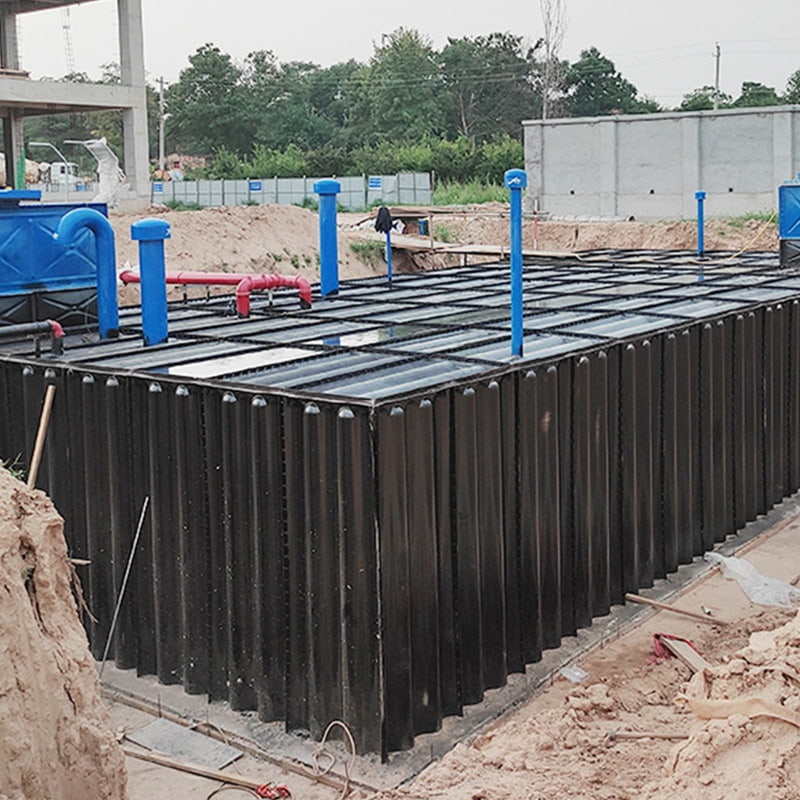
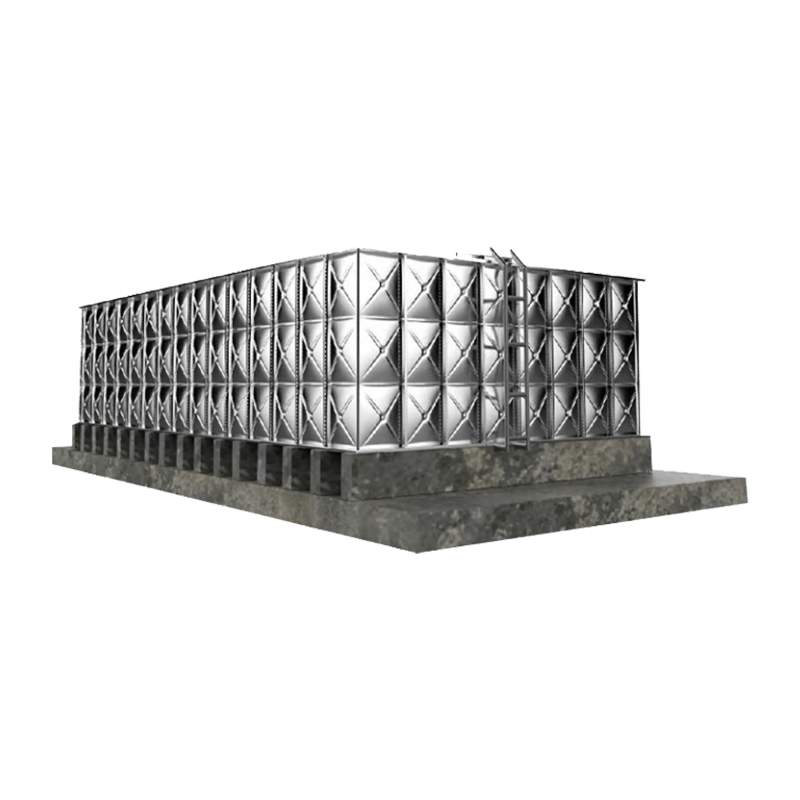
Water holding tanks for homes are available in a range of materials, each suited to different installation environments and water quality conditions. The four most common are polyethylene (poly), fiberglass, galvanized steel, and concrete.
For most homeowners adding storage to a well system or creating a backup reserve, a poly tank rated for potable water is the practical default—affordable, low maintenance, and available from multiple manufacturers with consistent quality standards.
A holding tank for well water is typically installed as a storage buffer between the well pump and the household pressure system. The well pump fills the tank at a controlled rate that matches the well's sustainable yield—critical for low-yield wells that cannot keep up with peak household demand. A booster pump then draws from the tank and maintains line pressure for the home.
This two-stage setup has several advantages. First, it protects a slow-recharge well from being pumped dry during high-demand periods such as morning showers, laundry cycles, or irrigation. Second, it extends pump life by allowing the submersible well pump to run in long, efficient cycles rather than starting and stopping dozens of times per day. Third, it provides a usable water reserve in the event of a power outage when paired with a generator or gravity-fed distribution.
Sizing the holding tank correctly requires knowing the well's recovery rate (gallons per minute or GPH), the household's peak demand, and the desired reserve capacity. A common guideline is to store enough water to supply the home for 24 hours at average daily usage—roughly 80 to 100 gallons per person per day for all household needs including bathing, cooking, and toilets. For a family of four, this points to a minimum holding tank of 300 to 500 gallons, with larger tanks preferred where budget and space allow.
Water tank sizes for residential use span a wide range, and choosing the right capacity is one of the most consequential decisions in system design. Going too small leads to frequent pump cycling, pressure inconsistency, and inadequate reserves; going too large adds unnecessary upfront cost and can lead to water stagnation if turnover is slow.
| Tank Capacity | Typical Use Case | Household Size |
|---|---|---|
| 20–86 gallons | Pressure well tank (bladder/diaphragm) | 1–4 people |
| 200–500 gallons | Holding tank, low-yield well buffer | 2–5 people |
| 500–1,500 gallons | Primary storage, emergency reserve | 4–8 people |
| 2,500–10,000+ gallons | Large rural property, irrigation, fire suppression | Large estate or agricultural use |
Pressure well tanks are sized differently from atmospheric holding tanks. Because only a fraction of a pressure tank's volume is actually available for drawdown—typically 30 to 40% of the rated capacity in a bladder-style tank—a 44-gallon pressure tank might provide only 14 to 17 gallons of usable drawdown before the pump kicks on. Larger pressure tanks reduce pump cycling frequency and extend pump life significantly.
Pressure storage tanks are engineered vessels that maintain household water pressure without requiring the well pump to run continuously. The two dominant designs are the bladder tank and the diaphragm tank, both of which use a pre-charged air chamber separated from the water by a flexible membrane.
In a bladder tank, a sealed rubber bladder contains the water while the surrounding chamber holds pressurized air. As the pump fills the bladder, the compressed air exerts pressure that pushes water into the home's plumbing when a tap is opened. The pump restarts only when the system pressure drops below the cut-in setting, typically 40 PSI, and shuts off when pressure reaches the cut-out setting, typically 60 PSI.
Key specifications to evaluate when selecting a pressure tank include:
A well-maintained pressure tank typically lasts 10 to 15 years. Signs of failure include rapid pressure cycling (the pump starts every few seconds), waterlogged pressure (no air cushion left), or visible corrosion on the tank body. Replacing the tank proactively when these signs appear prevents pump burnout and sudden loss of household water pressure.
Proper installation of a water tank household system requires attention to several factors beyond just selecting a tank. Location, plumbing connections, overflow and drainage provisions, and compliance with local health codes all affect long-term performance and safety.
For atmospheric holding tanks, the tank should be installed in a shaded or insulated location to prevent algae growth if exposed to light and to maintain water temperature below levels that encourage bacterial growth. Tanks used for potable water storage should be thoroughly cleaned and sanitized before first use—a chlorine solution at 50–100 ppm is the standard disinfection method. Vents must be screened to keep out insects, debris, and rodents, and the tank should be inspected annually for sediment buildup, liner integrity, and fitting condition.
Pressure tanks require periodic air pressure checks on the Schrader valve (with the pump off and system pressure relieved) to confirm the pre-charge is within specification. If the bladder ruptures, the tank will feel heavy when tapped at the bottom—indicating it has filled completely with water and lost its air cushion. At this point, replacement is the only remedy.
Water quality should not be overlooked. For well water systems, an annual test for coliform bacteria, nitrates, pH, hardness, and any region-specific contaminants is strongly recommended. If water has high iron or sediment content, installing a sediment filter upstream of the holding tank protects tank surfaces and downstream fixtures. Hard water can leave scale buildup inside pressure tanks that reduces efficiency and shortens bladder life, making a water softener a worthwhile upstream investment in many regions.
Related Products

Contact us
Headquater Address
Room 901, Building 17, Lane 1088, Shen Hong Road, Minhang District, Shanghai
Factory Address
No. 1, Mingxing North Road, Tech Innovation Park, Jianhu County, Yancheng, Jiangsu, P. R. China
Amy@mxwatersupply.com
Amy@mxwatersupply.com
Telephone(Whatsapp/Wechat)
+86-18051685983
QR CODE

 English
 Français