Sep 09, 2026
For developers, mechanical contractors, and design engineers, this substitution changes the building program as much as the mechanical design. The time and money normally spent on excavation, waterproofing, and masonry are redirected to one engineered enclosure that is delivered, installed, and commissioned as a single product.
Content
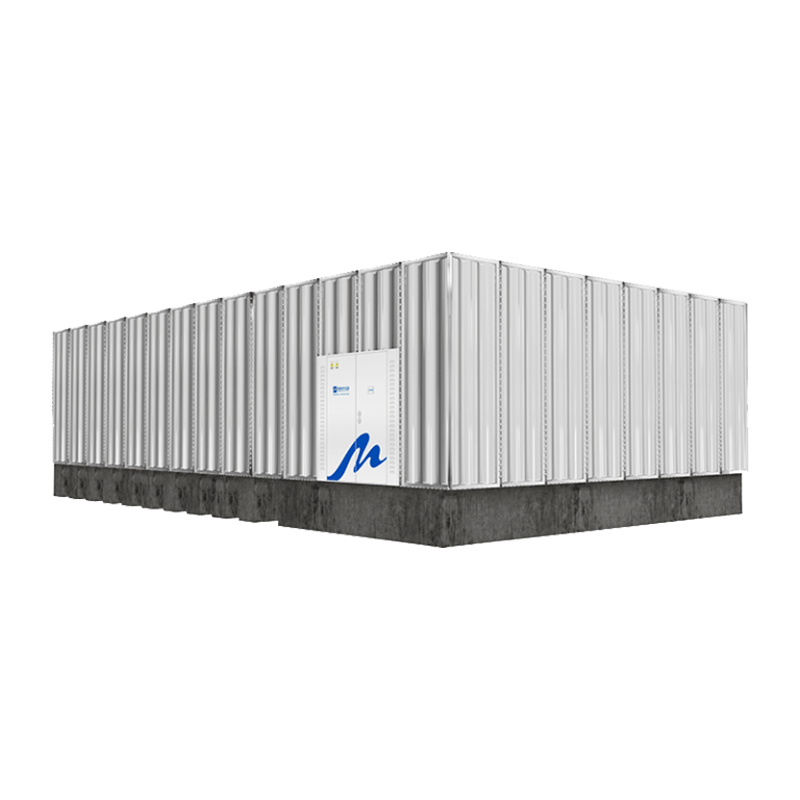
An outdoor smart pump room is a self-contained water supply module engineered for external installation, combining pumping equipment, pressure regulation, electrical control, and IoT-based supervision in a factory-tested shell.
It connects directly to the municipal inlet and the building distribution network, so on-site work is reduced to pad construction, pipe hookup, and power connection. A typical module contains the following:
This product category is engineered and supplied by Jiangsu Mingxing Water Supply Equipment Co., Ltd., a national high-tech enterprise based in Jiangsu province, and is marketed under the LeAqua smart water brand.
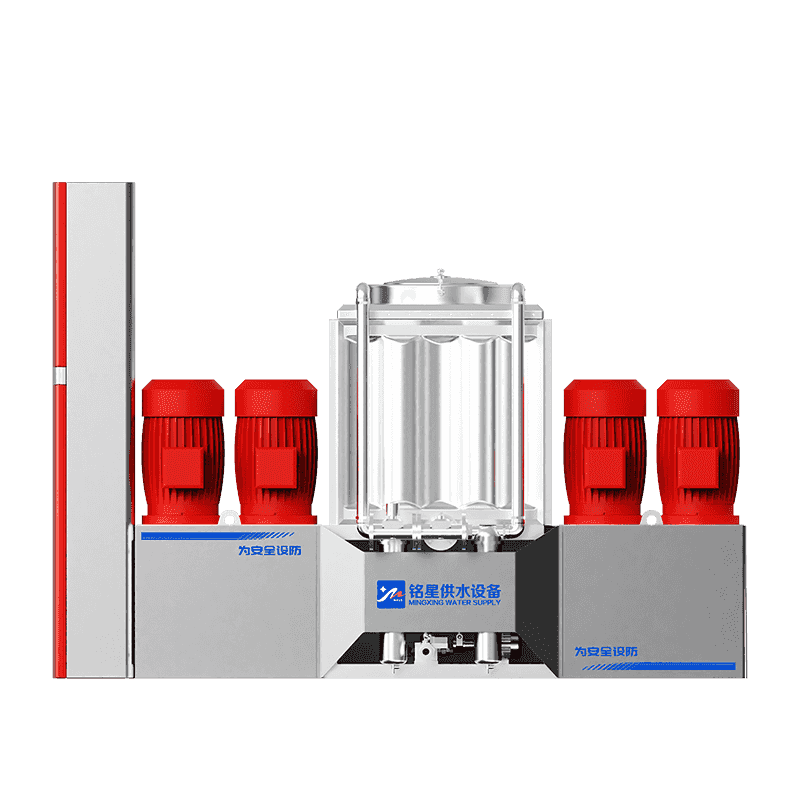
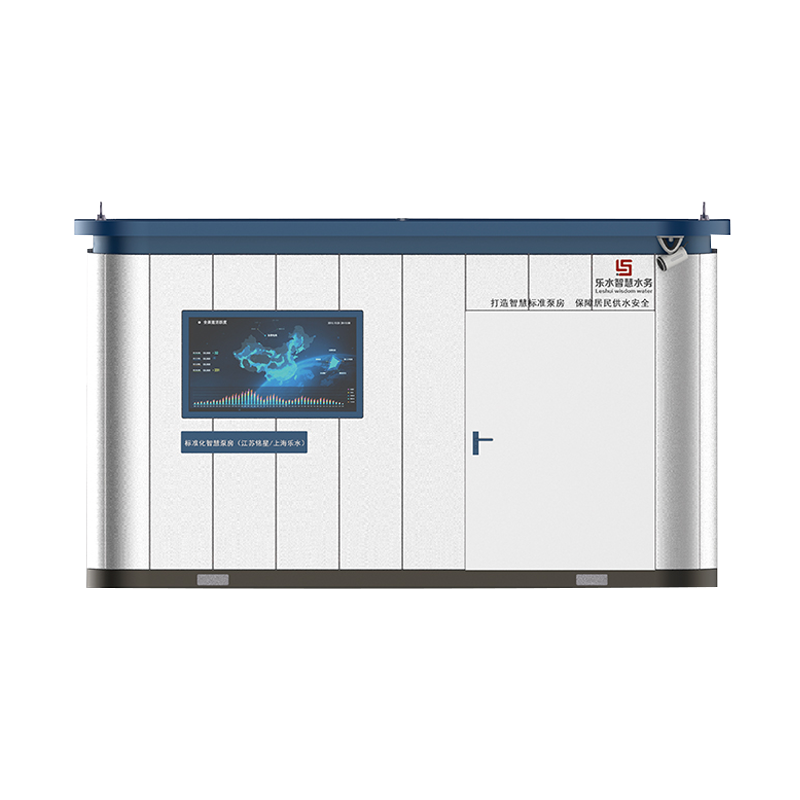 LeAqua Outdoor Smart Pump Room for Space-Limited ProjectsA factory-integrated, modular outdoor pump room with access control and anti-intrusion features, suited for residential and public buildings lacking indoor pump space.View Product →
Three engineering parameters control most outdoor pump room failures: thermal management, corrosion protection, and acoustic control. Getting any of these wrong will shorten the life of otherwise sound pumping equipment.
The specification targets below are what professional buyers should verify before purchase.
| Parameter | Target specification | Why it matters |
| Ingress protection | IP44 minimum; IP54 for control compartments | Blocks wind-borne dust and rain spray |
| Internal temperature | 0-40 degrees C with heater below 5 degrees C | Prevents condensation and pipe freezing |
| Noise at 1 m | 65 dB(A) or lower in residential zones | Meets boundary and night-time limits |
| Corrosion protection | Hot-dip galvanized frame; PVDF-coated panels | Extends enclosure service life beyond 15 years |
| Wind and snow load | Calculated to local design codes | Keeps the shell structurally safe for its whole life |
Siting is the second half of the reliability equation. Allow at least 600 mm of front access clearance, keep ventilation louvres unobstructed, and mount the module on a 200-300 mm plinth so conduits and the base plate stay above standing water.
The smart capability in an outdoor smart pump room means real-time supervision and fault prediction, not simply automatic start-stop pumping. The system continuously reports pressure, flow, voltage, phase balance, motor temperature, and alarm states to a cloud platform or a building management system.
Practical control functions found in a properly configured unit include:
Because faults are detected early, routine physical inspections become less frequent. The operating model follows the same maintenance-reduction logic used in automatic cleaning-free integrated pumping stations.
A prefabricated outdoor smart pump room performs the same hydraulic duty as a concrete pump room while cutting construction time by roughly 70 percent and releasing indoor floor area that the building can rent or use.
| Criterion | Traditional concrete pump room | Outdoor smart pump room |
| Indoor footprint | 40-60 sq m of building area | 15-25 sq m at grade |
| Construction time | 60-90 days, weather-dependent | 10-20 days including commissioning |
| Civil works | Excavation, formwork, rebar, concrete, waterproofing | Concrete pad and anchor bolts |
| Space requirement | Needs basement or ground-floor room | Works where no indoor space exists |
| Remote monitoring | Retrofitted and often fragmented | Native and integrated |
| Relocation | Not feasible | Feasible with crane access |
The same comparison applies to fire protection duty. A ground-installed outdoor module preserves the flow, pressure, and standby requirements of applicable national fire protection codes while eliminating the concrete pump house entirely.
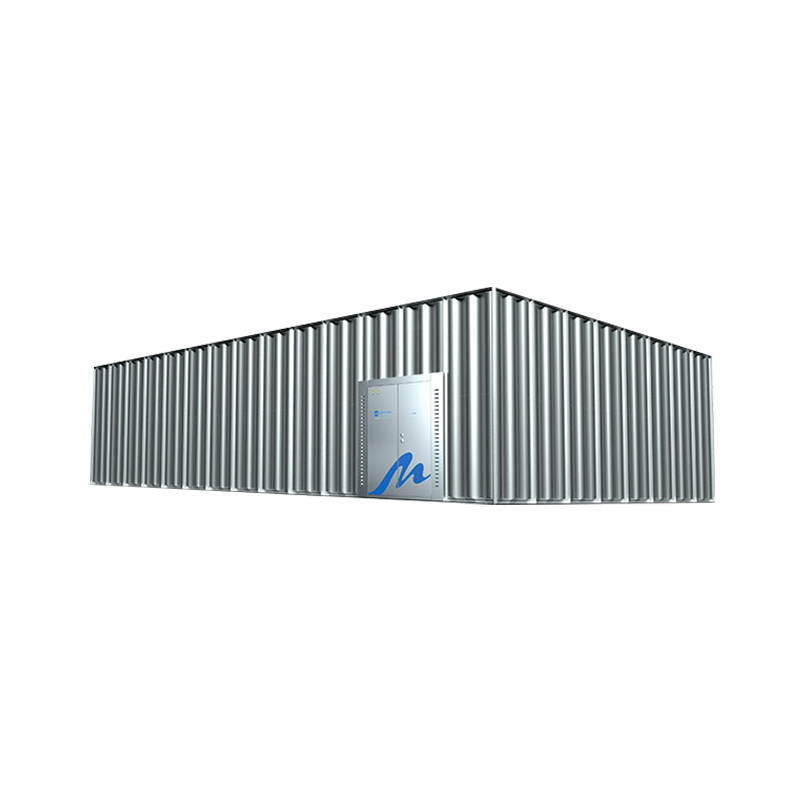 Above-Ground Intelligent Fire Integrated Pump StationA prefabricated, earthquake-resistant fire pump station with high-stiffness modules, no-weld assembly, and easy cleaning, meeting fire code without a concrete pump house.View Product →
The purchase price of an outdoor smart pump room is typically 15-25 percent higher than loose equipment installed in a concrete room, but the total project cost is usually lower once civil works, coordination time, and indoor space value are counted.
Because the module is built under factory conditions, the risk of installation defects drops. Jiangsu Mingxing's project experience follows the CECS 623-2019 technical specification for prefabricated box-type fire pump stations, a standard the company co-developed.
A factory-assembled outdoor smart pump room can be delivered and commissioned in two to three weeks because the site work is limited to mechanical and electrical hookup. The construction contractor is not on the critical path.
Factory integration is what makes this schedule achievable. Integrated box-type stations such as the SW integrated pumping station are engineered so the complete pumping and storage unit is set in a single day.
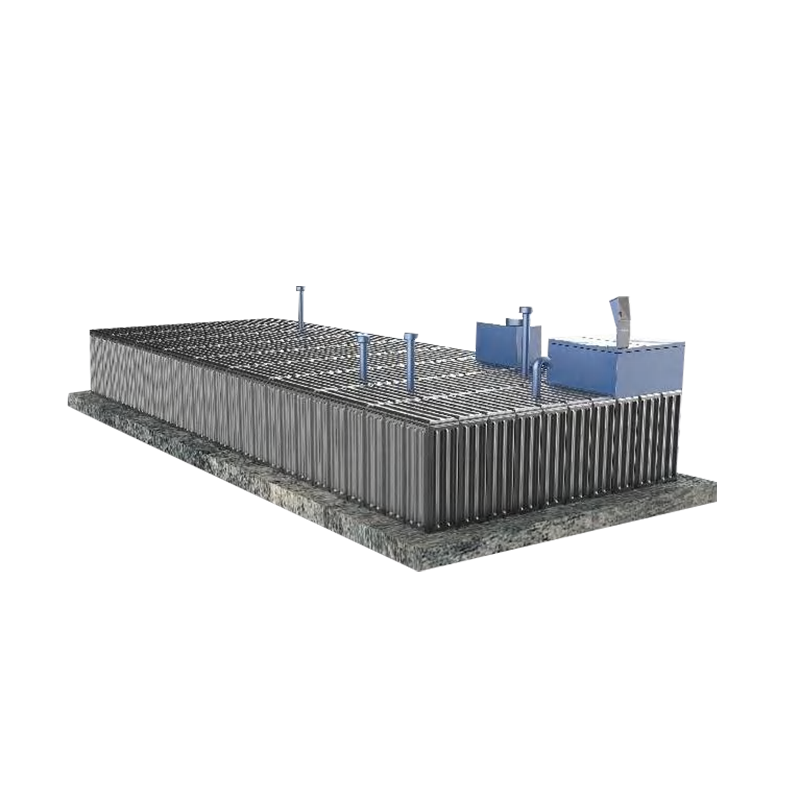
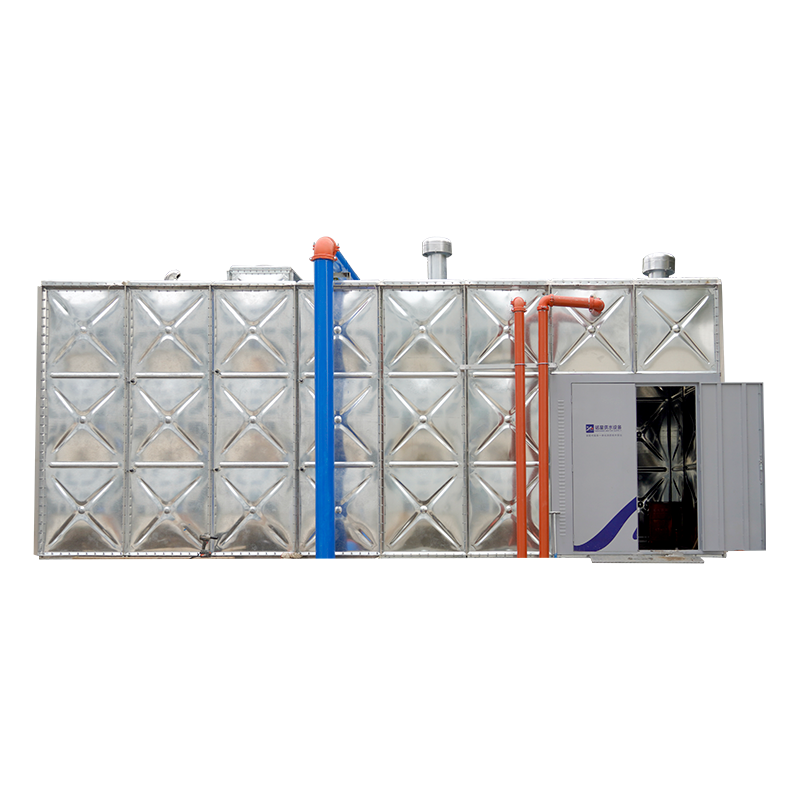 SW Integrated Pumping Station with Cloud PlatformA prefabricated box station combining a bidirectional arc-ribbed tank, IoT control, and intelligent cloud monitoring, installable in one day for new or renovated projects.View Product →
Installation training and video-based guides are part of the supply package, and engineering teams can confirm project-specific schedules through the manufacturer's contact page.
Purpose-built enclosures hold noise at 65 dB(A) or lower at 1 m in residential configurations. High-power fire pump sets may require silencers or acoustic louvres to satisfy stricter boundary limits.
Yes. Outdoor-rated integrated fire pump stations combine the fire pumps, pressure tank, and control panel in a weatherproof module and are designed to comply with applicable national fire protection codes. Stand-alone and combined life-fire configurations are available.
The enclosure is engineered for 15-20 years with the specified maintenance of coatings, seals, and ventilation filters. The pumps inside follow normal electromechanical lifetimes of 10-15 years, depending on duty cycles and water quality.
Routine maintenance covers pump seal inspection, control cabinet cleaning, ventilation filter replacement, and quarterly verification of alarms and telemetry. Because the module sits outdoors, door-seal and condensation checks should be added to the seasonal schedule.
Related Products

Contact us
Headquater Address
Room 901, Building 17, Lane 1088, Shen Hong Road, Minhang District, Shanghai
Factory Address
No. 1, Mingxing North Road, Tech Innovation Park, Jianhu County, Yancheng, Jiangsu, P. R. China
Amy@mxwatersupply.com
Amy@mxwatersupply.com
Telephone(Whatsapp/Wechat)
+86-18051685983
QR CODE

 English
 Français