Jul 17, 2026
Content
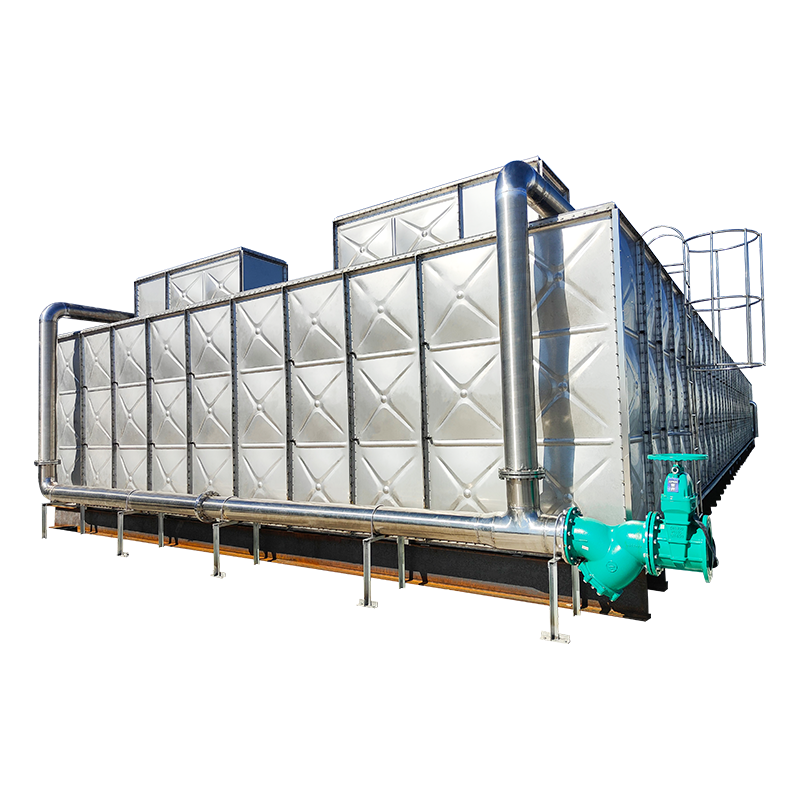
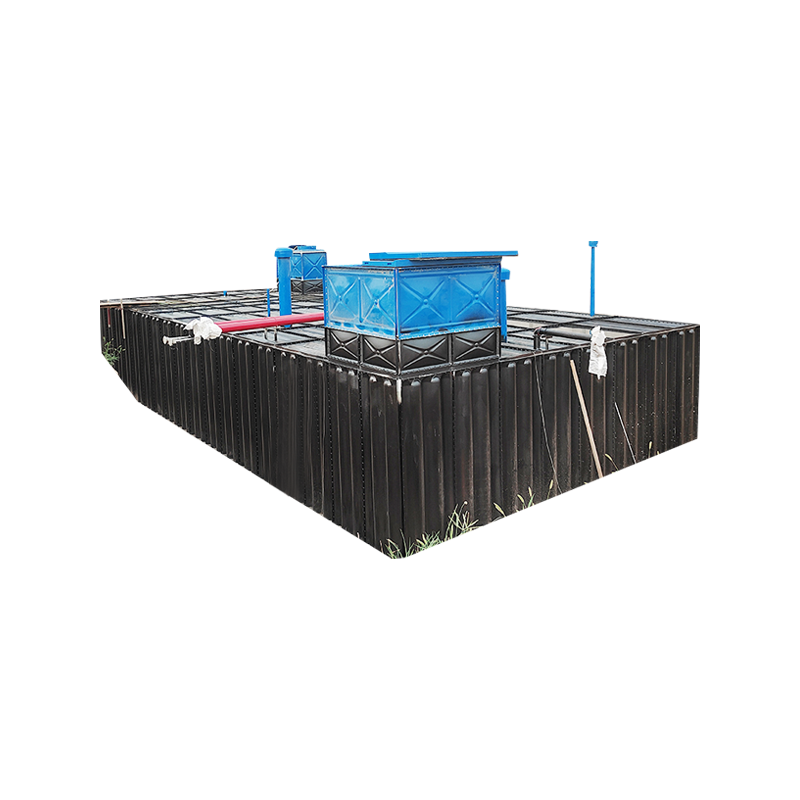
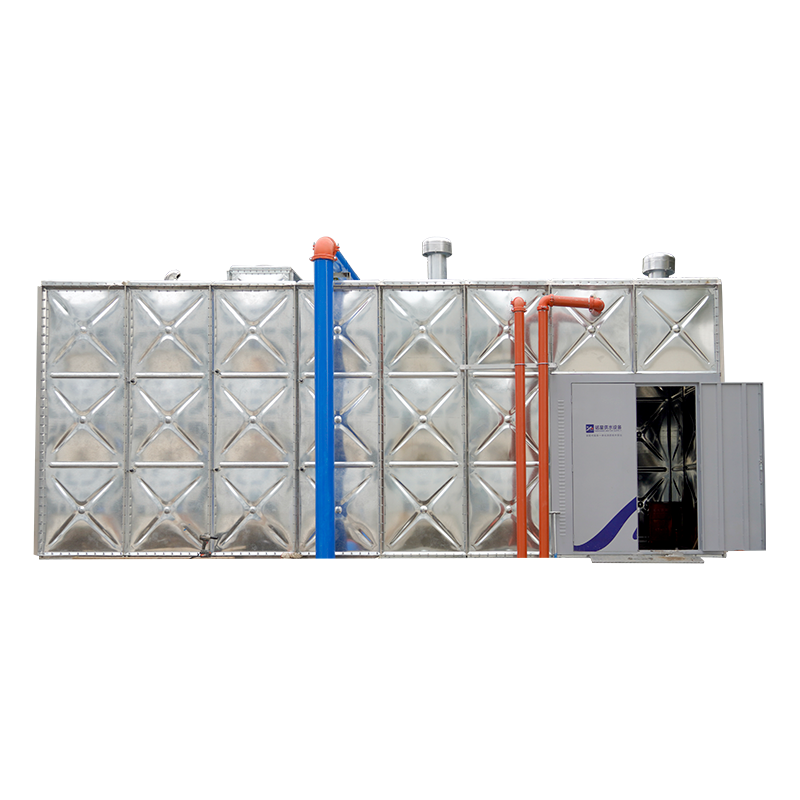
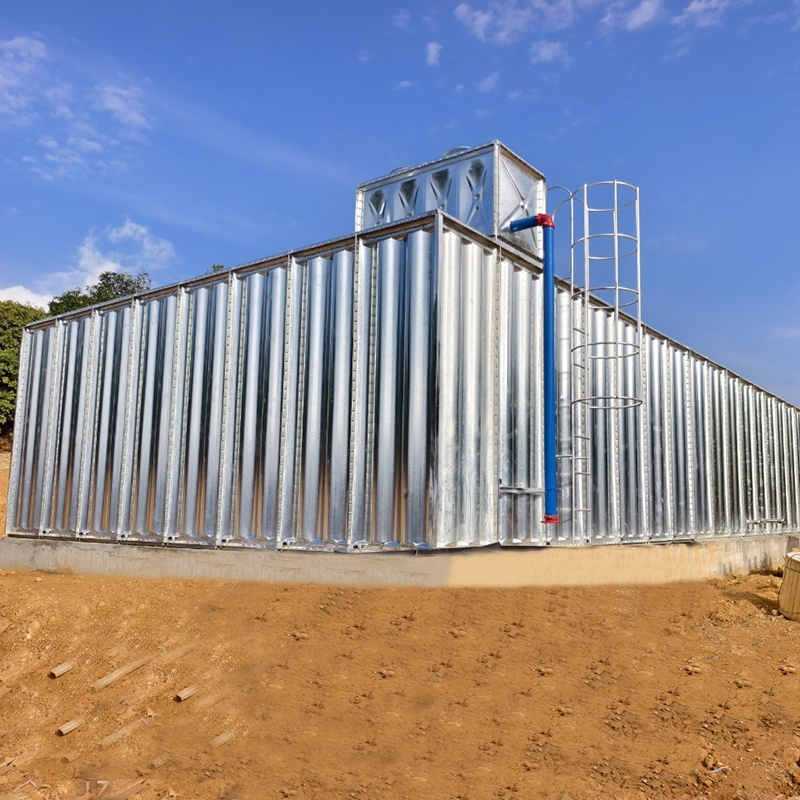
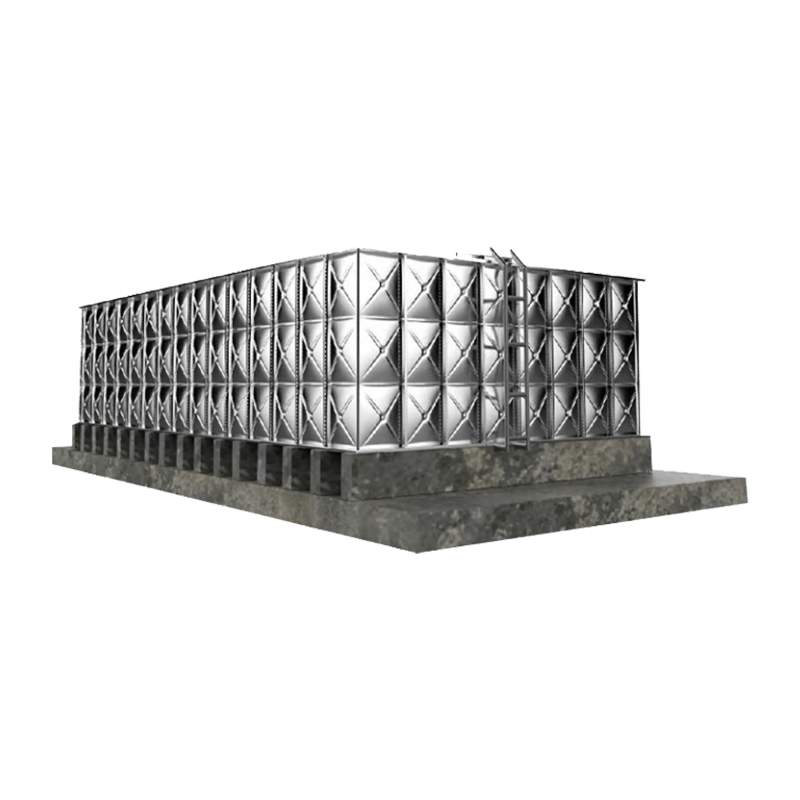
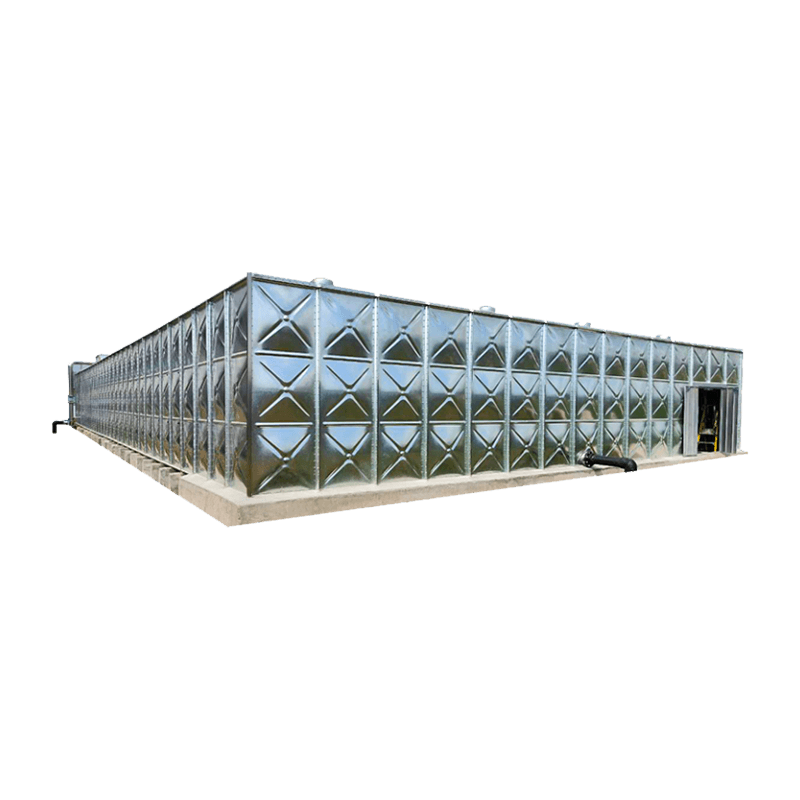
An assembly bolted sectional water tank is a modular storage system constructed from individual steel panels that are assembled on site using high-strength bolts and sealed with a gasket system. This design eliminates the need for field welding, allowing the tank to be built quickly and to be expanded, relocated, or reconfigured later. Tanks of this type range from small 5 m³ units to large-scale over 5,000 m³ reservoirs, serving fire protection, potable water, industrial process, and agricultural irrigation needs.
The bolted panel approach addresses the two main limitations of welded tanks: on-site construction time and long-term corrosion management. By moving panel manufacturing to a factory-controlled environment, the protective coating—typically a fusion-bonded epoxy or hot-dip galvanized layer—is applied under ideal conditions, resulting in a service life of 30 years or more when properly maintained.
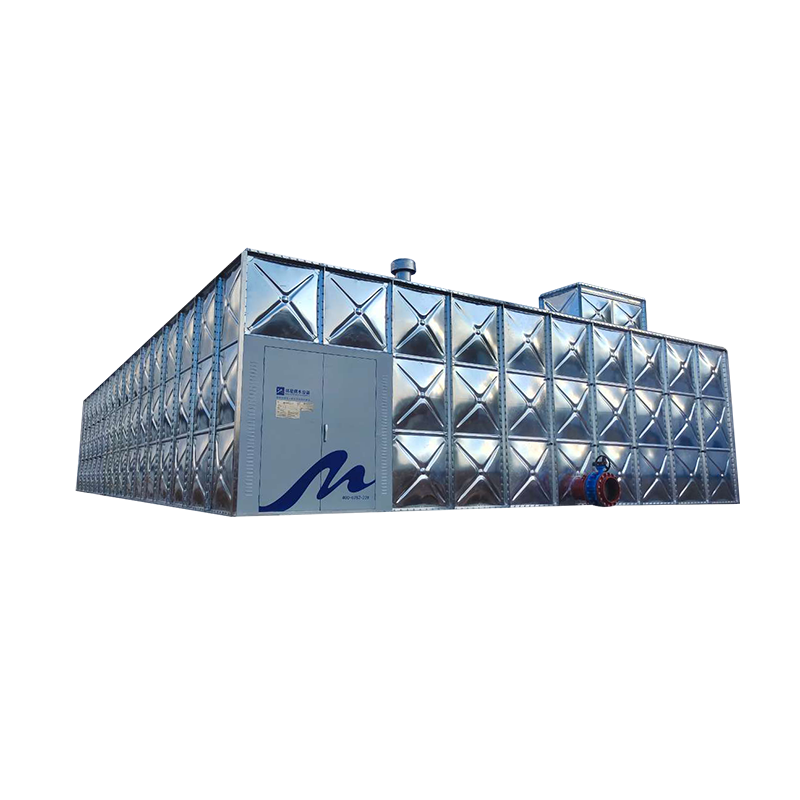
The structural integrity of a bolted sectional tank comes from its panel profile and material specification. Panels are commonly press-formed from steel sheet 2.0–5.0 mm thick, with a corrugated profile that adds bending stiffness. Standard panel sizes are 1,220 mm × 1,220 mm or 1,220 mm × 1,500 mm, though custom dimensions exist. The steel grade is typically S235JR or S355JR according to EN 10025, with galvanized coating to EN ISO 1461 or a factory-applied thermosetting polymer.
Key design elements that affect tank performance include:
Erection of a bolted sectional water tank follows a clear sequence, and a crew of three to four technicians can typically assemble a 200 m³ tank in 3–5 days—a fraction of the time needed for a welded equivalent. The process begins with a reinforced concrete base slab, cast to a flatness tolerance of ±3 mm over any 3 m length to ensure panel alignment. The base channel frame is anchored to the slab, and the bottom row of panels is bolted into position.
Subsequent rows are stacked, with the vertical and horizontal seams sealed by the compressed gasket. Once all wall panels are in place, the roof structure and internal tie rods are fitted. A critical quality step is the torque audit: every bolt must be tightened to the manufacturer’s specified torque, typically 40–60 Nm for M12 fasteners, and the full tank is checked a second time after the initial fill because gasket compression can relax bolt tension slightly. Hydrostatic testing is conducted per AWWA D103 or local standards, with no leakage permitted at any seam.
Choosing between a bolted sectional tank and a welded steel tank comes down to schedule, coating quality, and lifecycle flexibility. The table below summarizes the main differences that influence the decision for municipal and industrial buyers.
| Parameter | Bolted Sectional Tank | Welded Steel Tank |
|---|---|---|
| On-site construction time | Days to weeks | Weeks to months |
| Coating quality control | Factory-applied, consistent | Field-applied, weather-dependent |
| Relocation or expansion | Fully possible | Destructive; tank is permanent |
| Seismic performance | Flexible joint system absorbs energy | Rigid, higher risk of weld cracking |
| Service life with maintenance | 30–50 years | 20–40 years |
The bolted sectional design delivers several measurable operational benefits. First, the elimination of field welding removes the need for qualified welders, radiographic inspection, and weather protection during construction. In remote locations or developing regions, this often determines project feasibility. Second, factory-applied glass-fused-to-steel coatings exhibit hardness above 6 on the Mohs scale and withstand pH ranges from 1 to 14, making them suitable for aggressive water chemistries without requiring internal cathodic protection.
A third benefit is the tank’s adaptability. When a bottling plant in Southeast Asia needed to increase its process water storage from 800 m³ to 1,200 m³, a bolted tank was dismantled, additional panels were added, and the tank was recommissioned within 12 working days. A welded tank of the same volume would have required demolition and a completely new construction campaign. Additionally, bolted tanks can be transported in a single container kit to remote mining or agricultural sites, where the largest single component is a 1.22 m panel that can be handled without a crane in many cases.
Assembly bolted sectional water tanks serve a wide range of sectors, each with specific storage requirements:
A properly specified bolted sectional water tank requires minimal scheduled maintenance. The primary tasks are an annual external inspection of coating integrity, bolt torque spot-checking (retorquing typically needed only after the first year of service), and gasket condition monitoring at accessible joints. Internal inspections are recommended every 3–5 years depending on water quality and local regulations. Because the panels are individually coated, any localized damage can be repaired on site without emptying the tank by using epoxy repair kits.
Data from tank inspection programs indicates that bolted tanks with factory-applied coatings exhibit less than 0.1 mm coating degradation per decade in neutral water service, whereas field-welded and field-coated tanks can show pitting and blistering in as little as 5–7 years if the surface preparation was compromised by humidity during application. This factory-versus-field distinction is a consistent predictor of the long-term maintenance burden.
Related Products

Contact us
Headquater Address
Room 901, Building 17, Lane 1088, Shen Hong Road, Minhang District, Shanghai
Factory Address
No. 1, Mingxing North Road, Tech Innovation Park, Jianhu County, Yancheng, Jiangsu, P. R. China
Amy@mxwatersupply.com
Amy@mxwatersupply.com
Telephone(Whatsapp/Wechat)
+86-18051685983
QR CODE

 English
 Français