Jul 28, 2026
An FRP water tank is a storage vessel built from Fiber Reinforced Plastic — a composite material that combines high‑strength fibers with a corrosion‑proof polymer resin. Unlike steel tanks that eventually rust or concrete tanks that crack and spall, an FRP tank offers a maintenance‑free service life that can exceed 40 years. It is used globally to store potable water, firefighting reserves, industrial process liquids, and agricultural supplies, and it can be found everywhere from hospital rooftops to remote desert camps. The unique combination of light weight, chemical inertness, and design flexibility makes FRP the most versatile water storage solution available today.
Content
FRP stands for Fiber Reinforced Plastic, a material created by embedding glass fibers — and sometimes carbon or aramid fibers — into a thermosetting resin such as unsaturated polyester, vinyl ester, or epoxy. In the context of an FRP water tank, the most common reinforcement is continuous glass fiber in the form of chopped strand mat, woven roving, or filament winding. The resin acts as the matrix, binding the fibers together and providing chemical resistance, while the fibers carry the mechanical load.
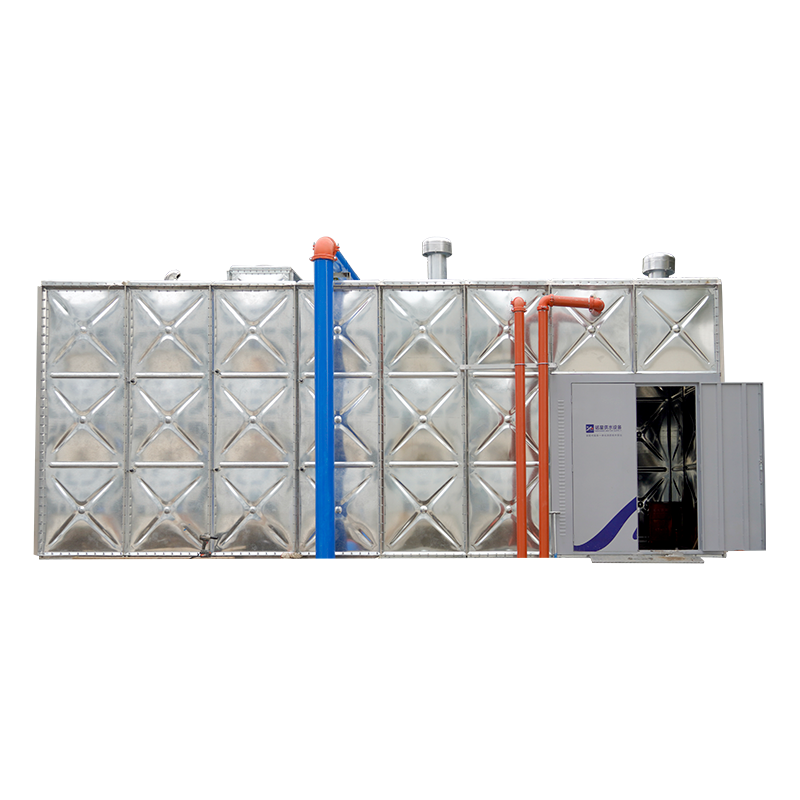
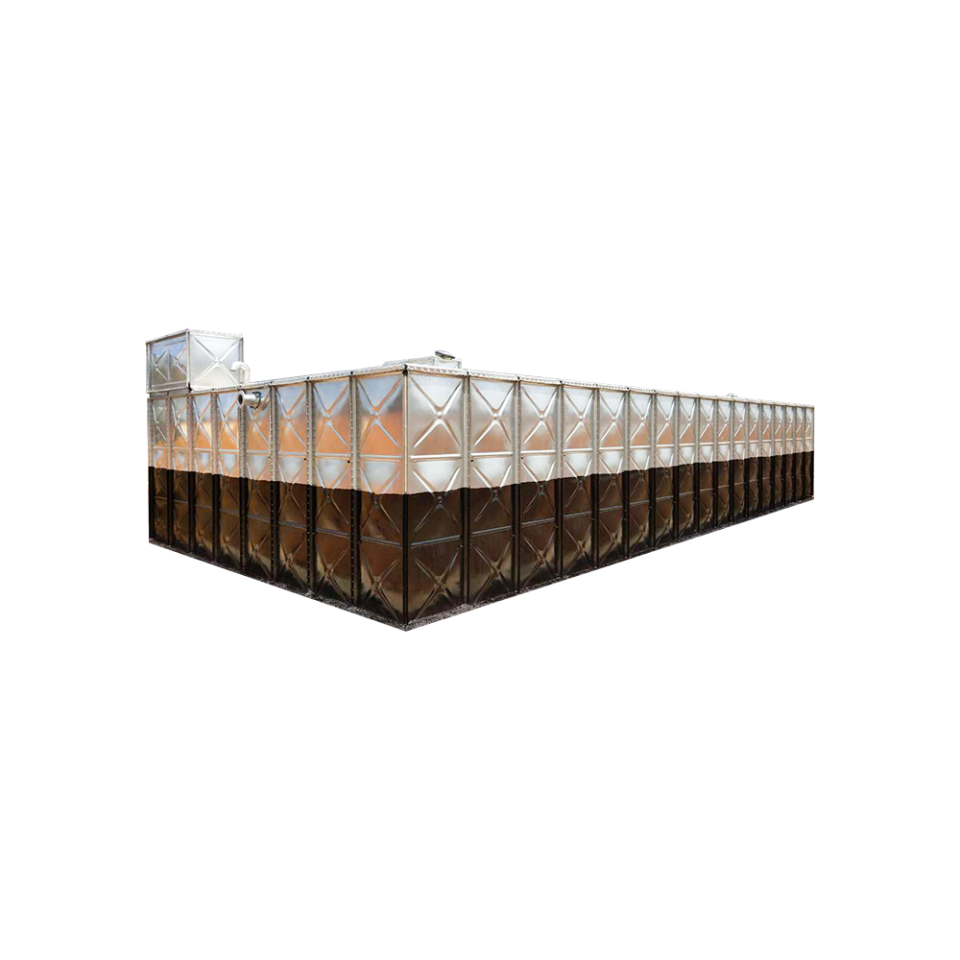
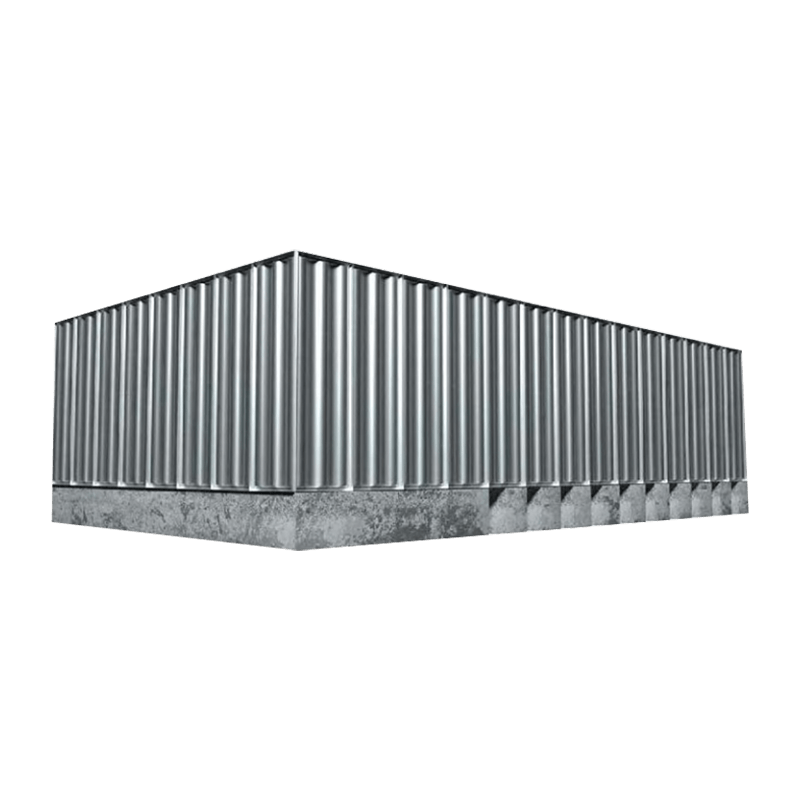
These tanks are manufactured using two principal methods. The first is the contact molding or hand lay‑up process, where layers of resin‑impregnated fiberglass are applied to a mold and rolled out to remove air. This is typically used for smaller, one‑piece cylindrical or rectangular tanks up to about 20,000 liters. The second is filament winding, where continuous glass strands are wound under controlled tension onto a rotating mandrel, producing seamless, highly uniform cylindrical shells capable of withstanding high hydrostatic pressure. Large sectional tanks can also be assembled from factory‑molded flat panels, bolted and sealed on site, allowing capacities to reach several million liters.
Internally, the tank is finished with a smooth, food‑grade gel coat that is impervious to water and resists the growth of algae and bacteria. External surfaces are treated with a UV‑stabilized layer to prevent fiber bloom and chalking, ensuring the structure remains sound and visually acceptable for decades, even under intense sunlight.
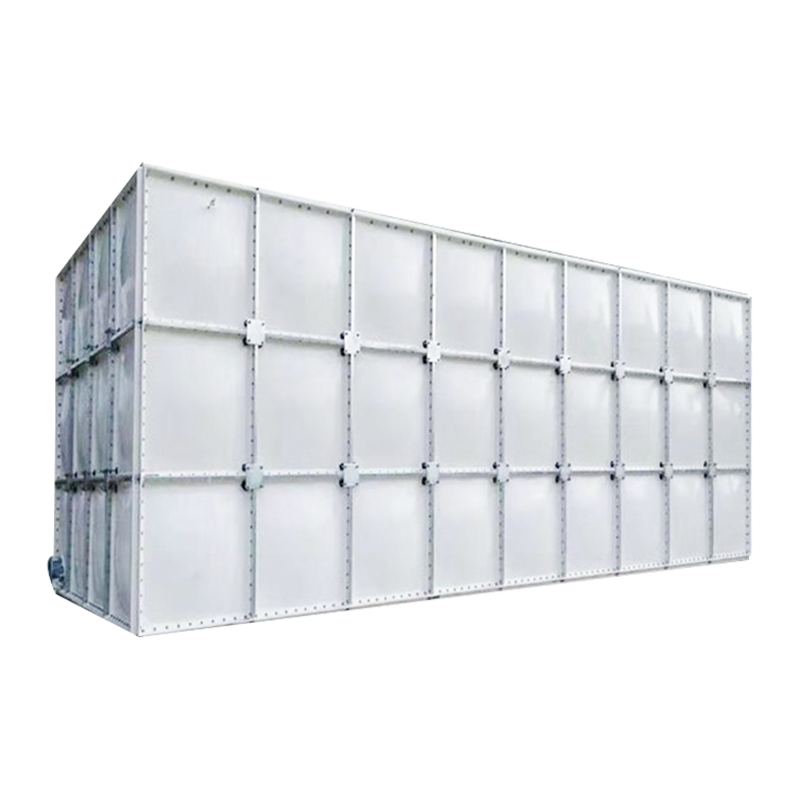
The widespread adoption of FRP water tanks stems from a set of performance characteristics that no single traditional material can match. The benefits below explain why engineers, building owners, and development agencies consistently specify FRP for critical storage applications.
Not all FRP water tanks are the same. The manufacturing method and structural configuration determine where and how a tank can be used. The table below summarizes the most common types available on the market.
| Tank Type | Manufacturing Method | Typical Capacity Range | Key Feature | Common Application |
|---|---|---|---|---|
| One‑piece cylindrical | Hand lay‑up or filament winding | 500 – 20,000 L | Seamless interior, quick installation | Domestic, rooftop, small community supply |
| One‑piece rectangular | Hand lay‑up with mold | 200 – 5,000 L | Space‑efficient shape | Basement, confined plant rooms |
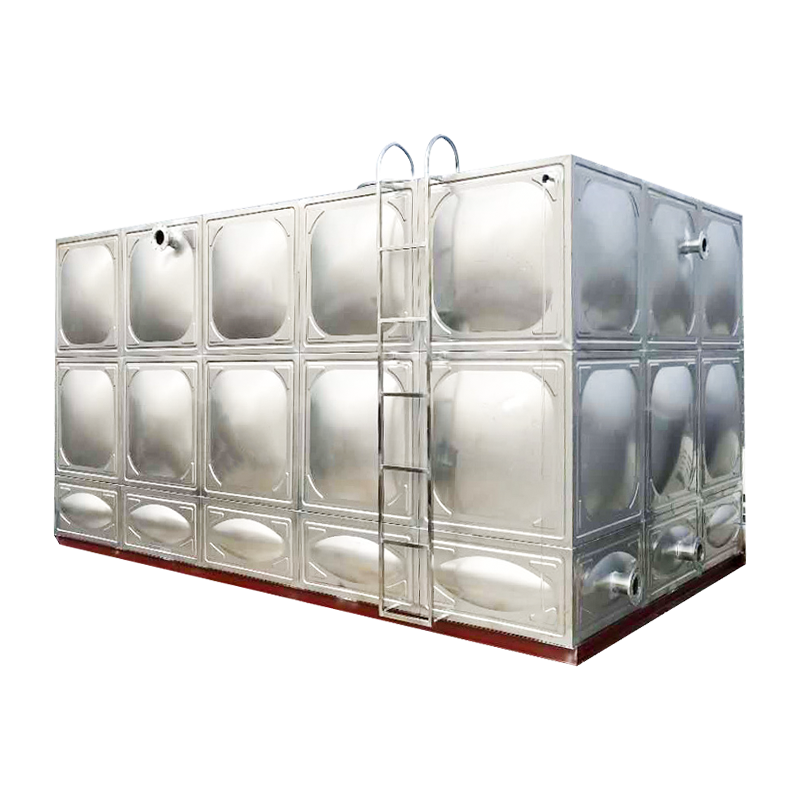
| Sectional (panel) tank | Hot‑press molded flat panels | 3,000 – 5,000,000+ L | Assembled on‑site, expandable | Large municipal, fire reserves, industrial |
| Filament‑wound horizontal | Continuous filament winding | 1,000 – 100,000 L | High pressure rating, uniform strength | Pressurized water systems, chemical storage |
For most buildings and infrastructure projects, the choice comes down to a one‑piece tank for smaller demands or a sectional FRP water tank for anything requiring flexible sizing or access through narrow passages. Filament‑wound tanks are preferred when higher internal pressures or specific chemical resistances are needed.
Because an FRP water tank can be safely used with drinking water, aggressive chemicals, and everything in between, its application list crosses virtually every sector that requires reliable liquid storage.
A side‑by‑side evaluation clarifies why FRP often emerges as the preferred material despite a higher upfront cost than some alternatives. The following comparison uses a reference installation of 50,000 liters at ground level.
| Parameter | FRP Water Tank | Galvanized Steel Tank | Reinforced Concrete Tank |
|---|---|---|---|
| Corrosion risk | None — chemically inert | High — zinc layer degrades over time | Reinforcement corrosion if carbonation occurs |
| Empty weight | ~1,200 kg | ~5,000 kg | ~60,000 kg |
| Installation time | 1–3 days | 1–2 weeks | 4–8 weeks |
| Expected service life | 40–50 years | 20–30 years | 30–50 years with maintenance |
| Water quality | No taste, odor, or metal leaching | Potential zinc or iron taste | Lime leaching may raise pH |
| Relocatability | Yes — unbolt and reassemble | Possible but labor‑intensive | No — fixed structure |
| Maintenance requirement | Minimal — visual inspection | Periodic repainting, anode replacement | Crack repair, sealant renewal |
The data confirms that while the initial purchase price of an FRP water tank may be somewhat higher than that of a basic steel tank, the total cost of ownership over a 30‑year period is 30–40% lower when factoring in corrosion repairs, repainting, water treatment adjustments, and eventual replacement. For any project that values long‑term reliability and water purity, FRP is the economical choice.
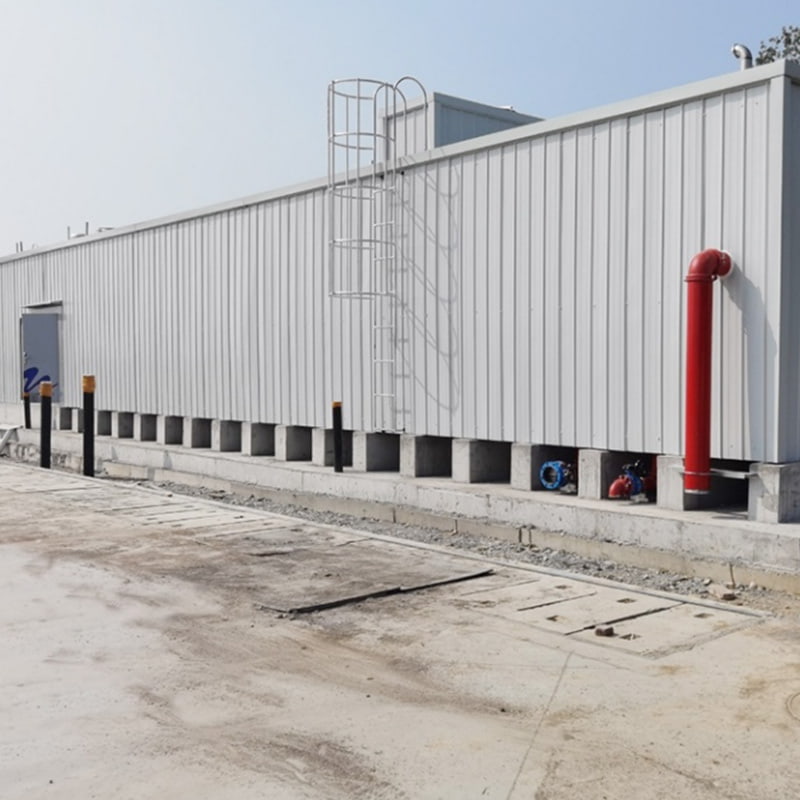
Getting an FRP water tank ready for service follows a predictable, low‑risk path. For a one‑piece tank, a flat concrete slab or compacted gravel base is prepared, the tank is lifted onto it by a light crane or even a forklift, and plumbing connections are made. The tank can be filled immediately — no curing time is needed. For sectional tanks, panels are bolted together row by row, with gaskets placed between each joint. A crew of three or four technicians can assemble a 200,000‑liter tank in under a week without any hot works, welding, or heavy machinery.
Ongoing maintenance is almost negligible. The internal gel coat resists scale and algae, meaning tanks rarely need scrubbing. An annual check of the roof, ventilation screens, and bolt tightness is typically all that is required. If an external panel ever suffers impact damage, that single panel can be unbolted and replaced while the tank remains partially full, avoiding a complete drain and shutdown. This repairability, together with the inherent corrosion immunity, is why FRP tanks consistently meet their designed lifespan with margins to spare.
Choosing an FRP water tank involves a few straightforward but essential steps. First, determine the required net capacity, factoring in peak daily demand and any fire reserve volume. Then, check the available footprint and ceiling height — rectangular sectional tanks maximize volume in square plant rooms, while vertical cylinders fit better in corners.
Verify that the tank resin and gel coat meet potable water standards for your region. If the tank will be exposed to sun, ensure an external UV‑stabilized layer is included. Consider adding insulation if ambient temperatures routinely drop below freezing, and specify internal partitions if a duty/standby dual‑compartment operation is required. Finally, confirm that the manufacturer supplies complete structural calculations for the specific site, including wind and seismic loads where applicable. By working through these criteria, you ensure that the tank you install is not just a standard product, but a system precisely matched to your operational and regulatory needs.
Related Products

Contact us
Headquater Address
Room 901, Building 17, Lane 1088, Shen Hong Road, Minhang District, Shanghai
Factory Address
No. 1, Mingxing North Road, Tech Innovation Park, Jianhu County, Yancheng, Jiangsu, P. R. China
Amy@mxwatersupply.com
Amy@mxwatersupply.com
Telephone(Whatsapp/Wechat)
+86-18051685983
QR CODE

 English
 Français