Feb 24, 2026
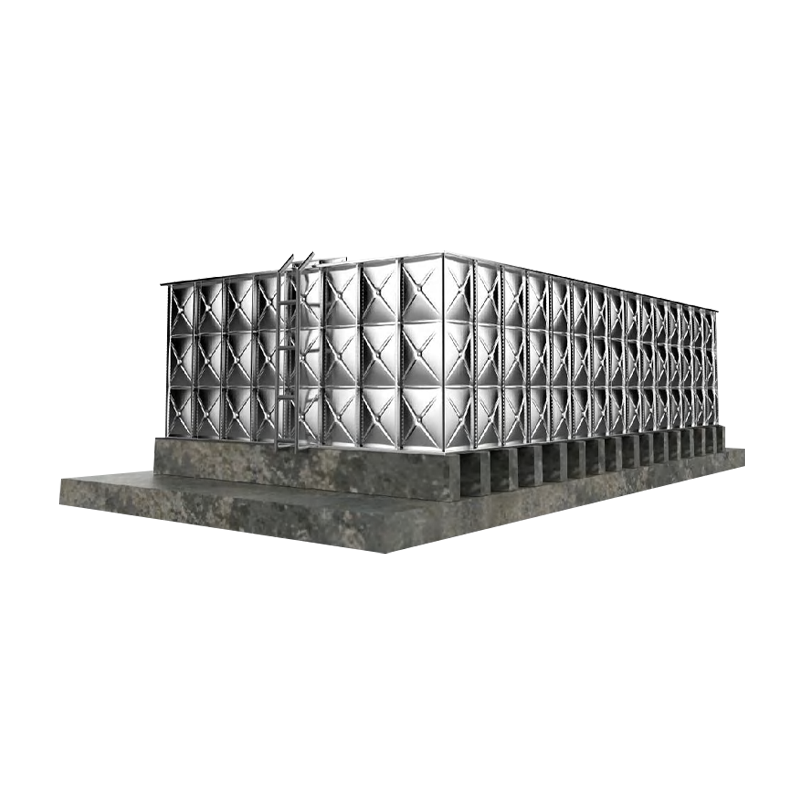
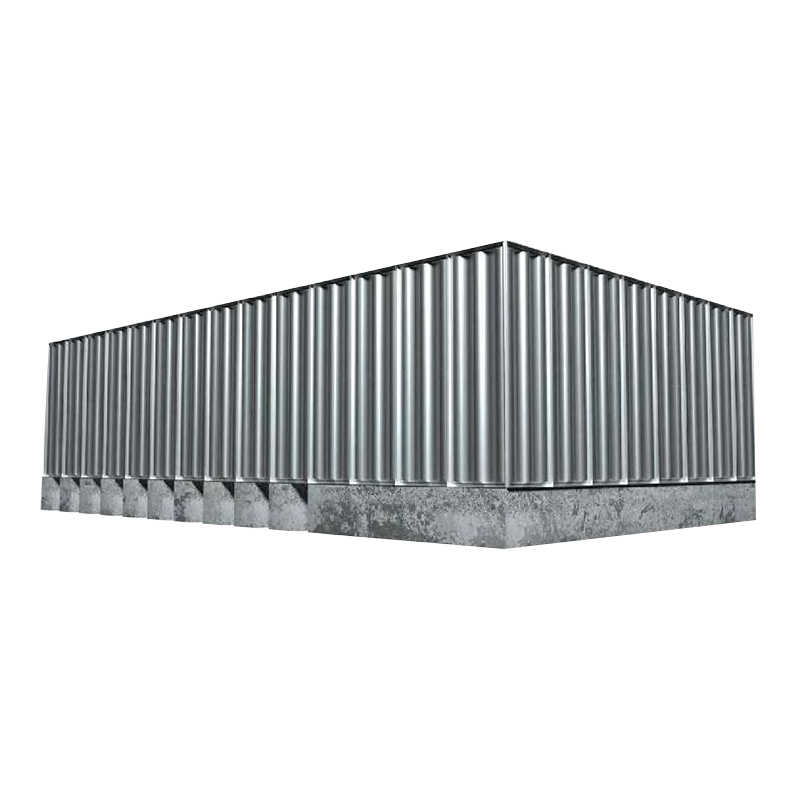
In the world of industrial liquid storage, the debate between using Hot Dipped Galvanized (HDG steel and Stainless Steel has persisted for decades. Project managers and procurement officers are often faced with a choice between the high initial prestige of stainless steel and the rugged reliability of HDG. However, when subjected to a rigorous Cost Benefit Analysis or CBA, particularly in aggressive industrial environments such as mining sites, chemical plants, and wastewater treatment facilities, the data increasingly favors HDG sectional tanks. This article provides an in-depth technical and financial comparison to explain why HDG is often the superior strategic choice.
Content
An aggressive industrial environment is characterized by factors that accelerate the degradation of materials. These include high concentrations of airborne chlorides, fluctuating pH levels in the stored liquid, extreme ambient temperatures, and physical abrasion from industrial processes. While stainless steel is often perceived as invincible, certain chemical realities, such as Chloride Induced Pitting and Stress Corrosion Cracking, can render it vulnerable in the very environments where it is expected to excel.
The most immediate difference between HDG and Stainless Steel is the initial purchase price. Stainless steel, especially Grade 316 or higher, is a premium alloy with a price tag that reflects its chromium and nickel content. HDG steel utilizes high-strength carbon steel as its base, protected by a zinc coating.
The fabrication of stainless steel requires specialized welding techniques, dedicated tooling to prevent carbon contamination, and more expensive fasteners. In contrast, HDG sectional tanks benefit from the economies of scale in carbon steel production. The galvanizing process itself is highly efficient, covering both the interior and exterior surfaces of the panels simultaneously.
| Cost Component | HDG Sectional Tank | Stainless Steel 304 | Stainless Steel 316 |
|---|---|---|---|
| Material Cost Index | 100 Percent | 180 to 220 Percent | 280 to 350 Percent |
| Fabrication Complexity | Moderate | High | High |
| Specialized Tooling | Not Required | Mandatory | Mandatory |
| Shipping Weight | Moderate | Light to Moderate | Light to Moderate |
A true Cost-Benefit Analysis looks beyond the purchase price to the Life Cycle Cost or LCC. This includes installation, maintenance, repair, and eventual decommissioning or recycling.
A common misconception is that stainless steel requires no maintenance. In aggressive industrial zones, stainless steel requires regular cleaning to remove surface contaminants that can cause tea staining or localized corrosion. If the passive layer of the stainless steel is compromised in a chloride-rich environment, the resulting pitting can lead to rapid through-wall failure.
HDG tanks offer a unique advantage called cathodic protection. If the zinc coating is scratched during operation, the surrounding zinc will sacrifice itself to protect the exposed steel. This self-healing property significantly reduces the need for emergency repairs and extends the interval between major maintenance cycles.
| Maintenance Task | HDG Sectional Tank | Stainless Steel Tank |
|---|---|---|
| Surface Cleaning | Minimal | Frequent (to prevent pitting) |
| Structural Inspection | Every 5 Years | Every 2 Years |
| Coating Repair | Rare (Zinc Rich Cold Galv) | Not Applicable |
| Passivation Treatments | Not Required | Required if Scratched |
The choice between HDG and stainless steel often comes down to the specific chemistry of the environment.
Stainless steel is notoriously susceptible to Chloride Stress Corrosion Cracking or CSCC. In industrial settings near the ocean or in processes involving brine, stainless steel can develop microscopic cracks that propagate rapidly under the mechanical stress of water pressure. HDG steel is not susceptible to this specific failure mode, making it a safer structural choice for high-capacity tanks in high chloride zones.
While stainless steel handles low pH or acidic conditions better than HDG, many industrial water storage applications involve neutral to slightly alkaline water. In the pH range of 6 to 12, the zinc carbonate film that forms on HDG panels is incredibly stable and provides a nearly impenetrable barrier.
In the industrial sector, time is money. A delay in water storage availability can halt an entire production line or delay the commissioning of a mine.
Sectional HDG tanks are designed for rapid assembly. Because the panels are galvanized before they reach the site, there is no need for on-site painting or specialized welding. Stainless steel tanks, if welded on site, require extensive post-weld cleaning and passivation to restore the corrosion-resistant layer. This adds significant time and labor costs to the project.
Industrial sites are heavy work zones. HDG steel is significantly more impact-resistant than GRP or thinner gauge stainless steel. The metallurgical bond of the zinc coating can withstand the knocks and scrapes of an active industrial site without losing its protective qualities.
The modern industrial landscape demands sustainable solutions. Both HDG and stainless steel are highly recyclable, but the energy profiles of their lifecycles differ.
The production of stainless steel is an energy-intensive process. While HDG also requires energy for the galvanizing bath, the overall carbon footprint per kilogram of fabricated tank structure is often lower for HDG due to the abundance and lower processing energy of carbon steel.
| Metric | HDG Steel | Stainless Steel |
|---|---|---|
| Recyclability | 100 Percent | 100 Percent |
| Recycled Content Availability | High | High |
| Energy to Produce | Moderate | High |
| Scrap Value | Moderate | Very High |
The Cost-Benefit Analysis reveals that while stainless steel has its place in high-acid or ultra-pure water applications, the HDG sectional tank is the practical workhorse of the industrial world. It offers a lower initial capital requirement, lower maintenance overhead in chloride-rich environments, and a robust structural profile that stainless steel struggles to match at a similar price point.
For industrial facilities looking to optimize their Return on Investment while ensuring 30 to 50 years of reliable service, the innovations in HDG technology provide a compelling case. The decision should not be based on the shine of the metal, but on the hard data of durability and long-term financial performance.
1. Is HDG suitable for storing highly acidic industrial wastewater?
Generally, no. Zinc is a reactive metal and will corrode quickly in environments with a pH below 5.5. In such specific cases, stainless steel or a specialized internal liner for the HDG tank would be required. However, for the vast majority of industrial, fire, and municipal water, HDG is perfectly suited.
2. How does the scrap value of stainless steel affect the CBA?
While stainless steel has a much higher scrap value at the end of its life, this value is usually realized 40 to 50 years in the future. When using a Discounted Cash Flow model for financial planning, the high initial cost of stainless steel far outweighs the present value of its future scrap price.
3. Can HDG tanks be used in coastal mining operations?
Yes, HDG is exceptionally popular in coastal mining. The key is to ensure the coating thickness meets ISO 1461 standards and to perform occasional freshwater rinsing of the exterior to remove salt buildup, which further extends the life of the zinc.
4. Does the bolting system of an HDG tank affect its cost-benefit profile?
Yes. A high-quality bolted system allows for individual panel replacement. If a stainless steel tank is damaged or corrodes in one area, repairing it often involves expensive specialized welding. With an HDG sectional tank, you can simply bolt in a new panel at a fraction of the cost.
5. How does the lead time for HDG compare to stainless steel?
HDG tanks typically have shorter lead times. Carbon steel is more readily available in the global supply chain, and the galvanizing process is faster than the complex fabrication and finishing required for high-grade stainless steel tanks.
Related Products

Contact us
Headquater Address
Room 901, Building 17, Lane 1088, Shen Hong Road, Minhang District, Shanghai
Factory Address
No. 1, Mingxing North Road, Tech Innovation Park, Jianhu County, Yancheng, Jiangsu, P. R. China
Amy@mxwatersupply.com
Amy@mxwatersupply.com
Telephone(Whatsapp/Wechat)
+86-18051685983
QR CODE

 English
 Français