Feb 18, 2026
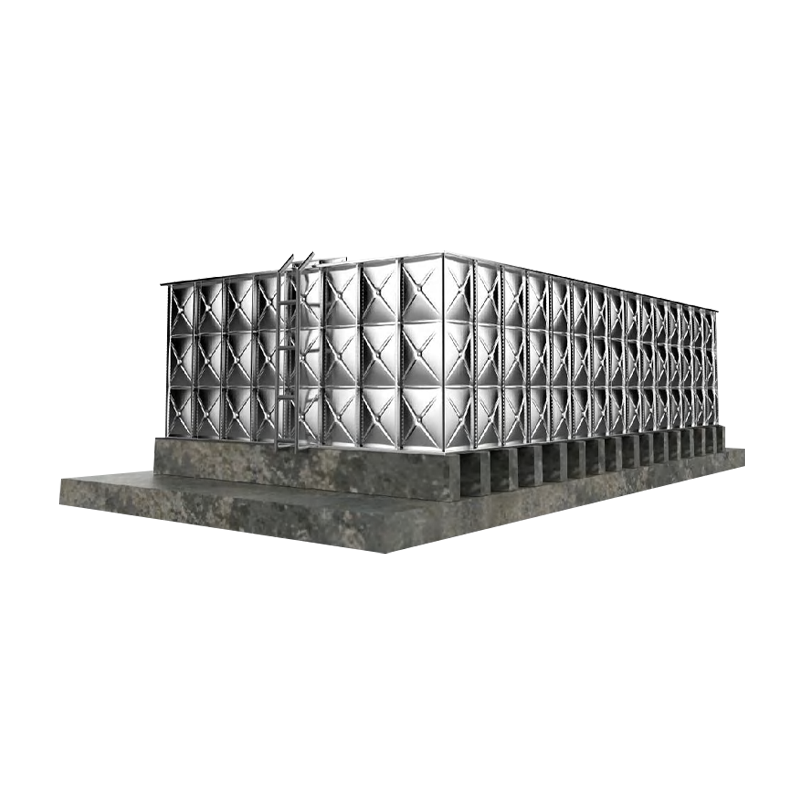
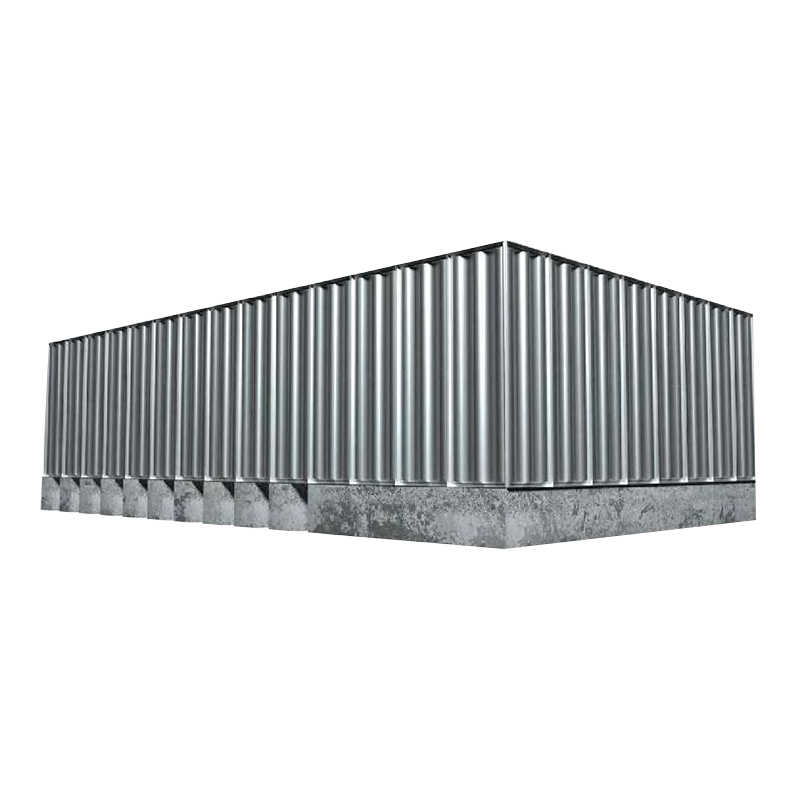
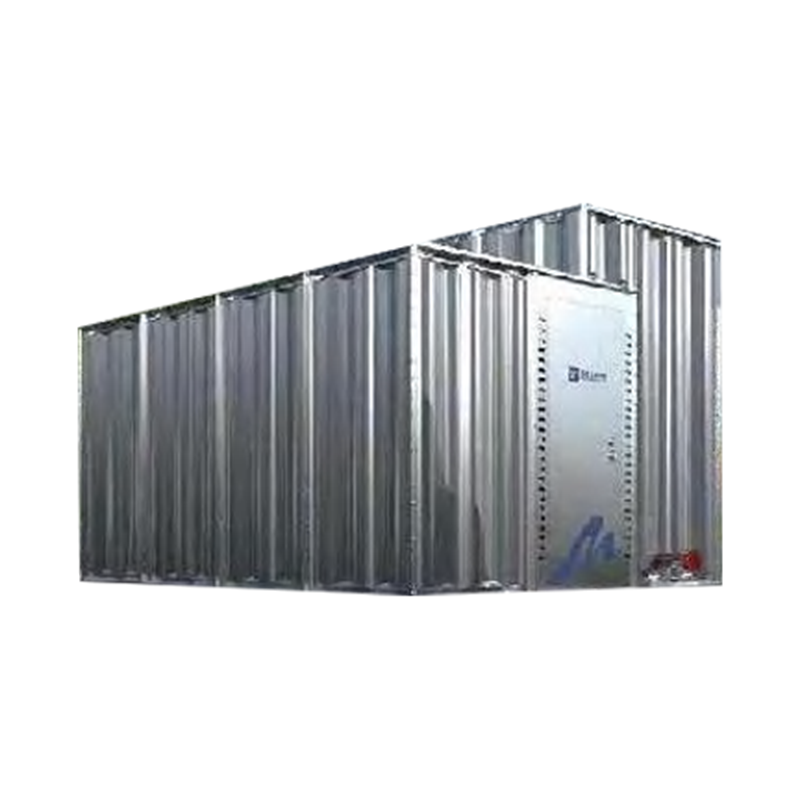
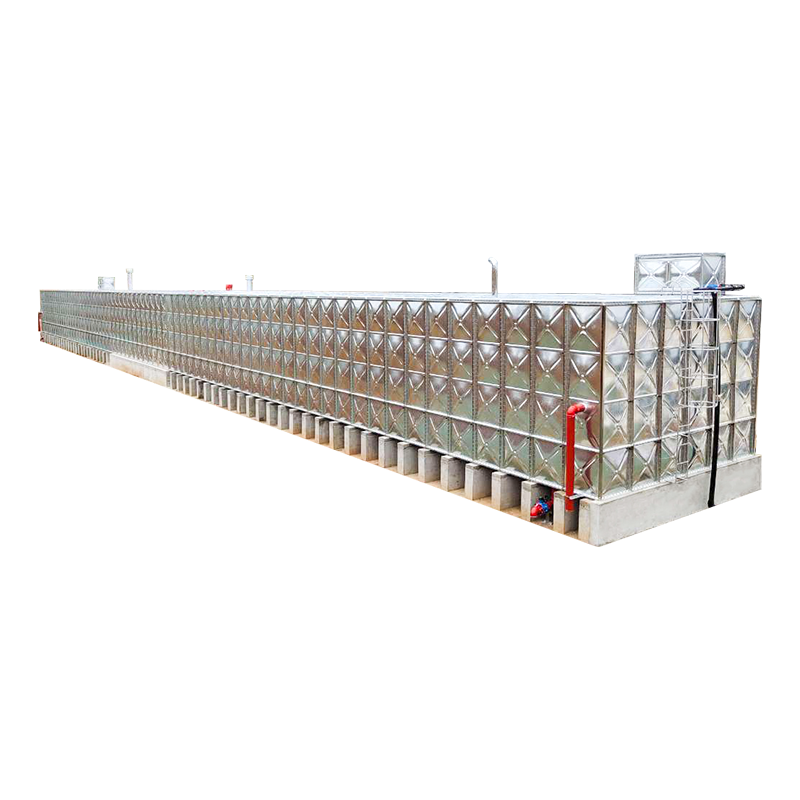
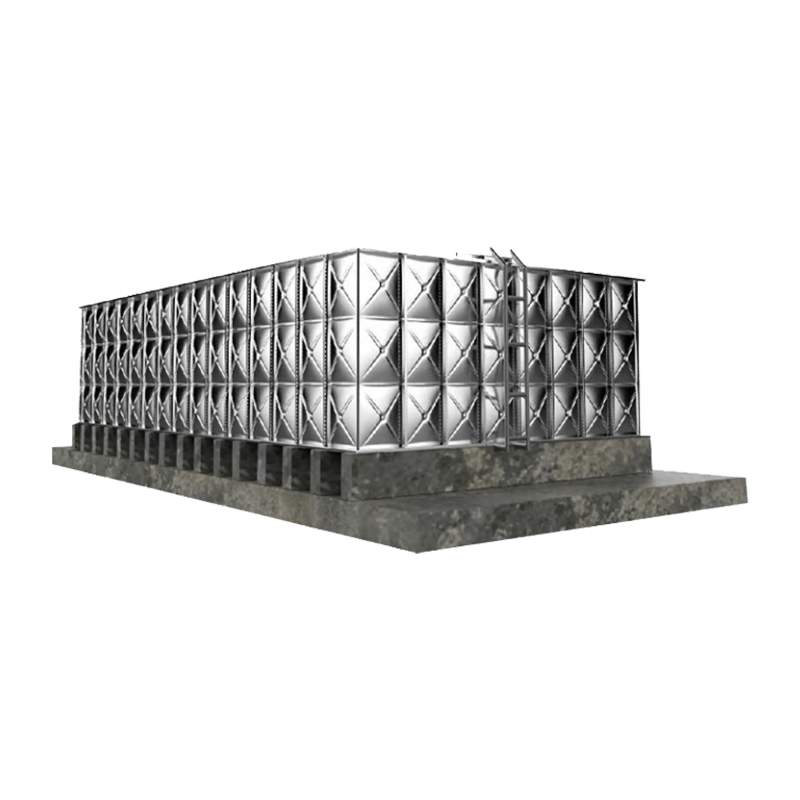
The global infrastructure landscape is increasingly moving toward regions with harsh environmental conditions. From the scorching deserts of the Middle East to the freezing tundras of Northern Europe and the high humidity of tropical coastlines, water storage systems are being pushed to their physical limits. Among the various solutions available, the Hot Dipped Galvanized or HDG bolted tank has emerged as a frontrunner. Recent innovations in design and manufacturing have transformed the traditional bolted tank into a high-performance system capable of achieving zero leakage even in the most extreme climates on earth.
Content
Before exploring the innovations, it is essential to understand the forces that extreme climates exert on storage structures. In high-temperature zones, thermal expansion can cause metal plates to shift significantly, potentially compromising the seals between panels. In sub-zero environments, the risk of ice expansion and material brittleness poses a threat to structural stability. Furthermore, coastal regions introduce high salinity, which accelerates corrosion if the protective coatings are not perfectly applied.
Precision engineering in bolted HDG tank design addresses these variables by treating the tank not as a static object, but as a dynamic system that breathes and moves with its environment.
The primary innovation in modern HDG tanks lies in the metallurgical bond created during the galvanizing process. Unlike paint or powder coatings that sit on top of the steel, hot dip galvanizing involves immersing the steel panels in a bath of molten zinc at temperatures around 450 degrees Celsius.
A significant innovation is the control of the cooling process to optimize the formation ofzinc-ironn alloy layers. These layers are actually harder than the base steel itself, providing extraordinary resistance to abrasion and impact during transport and assembly. In extreme climates, this durability is vital because any scratch in the coating could become a point of entry for corrosion.
| Feature | Modern HDG Coating | Standard Epoxy Coating | Powder Coating |
|---|---|---|---|
| Bond Type | Metallurgical Diffusion | Mechanical Adhesion | Mechanical Adhesion |
| Temperature Range | -50 to 200 Celsius | -20 to 80 Celsius | -10 to 60 Celsius |
| Self-Healing Property | Yes, via Cathodic Action | No | No |
| UV Resistance | Superior | Moderate | Moderate to High |
In a bolted tank, the joint is the most complex area of the design. Innovations in bolting technology have focused on maintaining constant clamping force despite the thermal cycling found in desert or arctic regions.
The use of Grade 8.8 or higher high tensile bolts, which are themselveshot-dippedd galvanized, ensures that the fasteners expand and contract at the same rate as the tank panels. This synchronization prevents the loosening of bolts over time, a phenomenon known as thermal fatigue.
To achieve a zero leakage guarantee, manufacturers now utilize encapsulated bolt heads. A high-density polyethylene cap is molded over the bolt head, often featuring a secondary internal seal. This prevents the stored water from ever coming into contact with the bolt shank, effectively eliminating the risk of crevice corrosion and leakage through the bolt holes.
The gasket is the component that must bridge the gap between rigid steel panels. Innovation in polymer science has led to the development of specialized gaskets that maintain elasticity in both extreme heat and extreme cold.
Ethylene Propylene Diene Monomer, or EPD, M is favored for its resistance to ozone and UV radiation. However, ihigh-capacityty HDG tanks used in extreme climates, engineers often specify a hybrid approach. This involves a primary EPDM strip gasket combined with a specialized non-setting mastic or Butyl sealant at the junctions where three panels overlap. This ensures that even if the panels shift by several millimeters due to thermal expansion, the seal remains airtight and watertight.
| Property | EPDM Gasket | Butyl Rubber | Silicone Sealants |
|---|---|---|---|
| Low Temp Flexibility | Excellent | Good | Superior |
| High Temp Stability | Very High | Moderate | Excellent |
| Chemical Resistance | High | High | Moderate |
| Compression Set | Low | Moderate | High |
Beyond sealing, the design must account for external loads such as high wind speeds in hurricane zones or heavy snow loads in alpine regions.
Modern HDG tanks utilize external wind girders that are integrated into the tank shell. These are not merely bolted on but are designed as part of the structural geometry. In regions with high wind loads, these girders prevent the tank from ovalizing or buckling when empty. For sectional tanks, the thickness of the panels is graduated, with thicker plates at the base to handle hydrostatic pressure and specialized reinforced plates at the top to manage wind shear.
For projects in seismic zones, innovations in base anchoring have been crucial. Instead of rigid bolting to the concrete, modern designs utilizeenergy-dissipatingg anchors. These allow for a controlled amount of movement during an earthquake, reducing the stress on the bolted joints and preventing the catastrophic shearing of bolts.
Zero leakage is only possible if the panels fit together with absolute precision. The industry has moved away from manual punching to CNC or Computer Numerical Control, laser cutting,g and robotic punching systems.
When panels are produced with a tolerance of less than 0.5 millimeters, the stress on the gaskets is uniform across the entire tank. If holes are misaligned, the installer must force the panels together, which creates localized stress and pinches the gasket. Precision manufacturing ensures that the assembly is stress-free, which is the secret to a leak-proof life of 40 years or more.
Innovation is not limited to the product itself but also extends to how it is built. In extreme climates, site safety and installation speed are paramount.
One of the most significant innovations in the installation of HDG bolted tanks is the top-down jacking method. The roof and the top ring of panels are assembled at ground level and then lifted using synchronized hydraulic jacks. This allows the subsequent rings to be added at a safe working height. This method is particularly effective in high wind areas where working at height on scaffolding would be dangerous and slow.
In aggressive industrial environments, such as mining sites or chemical processing plants, the HDG tank must withstand more than just the weather.
The natural sacrificial nature of zinc means that if the coating is damaged, the zinc will corrode before the steel. However, in high-acidity environments, this process can be accelerated. Innovations in maintenance include the application of magnesium anodes within the tank to provide additional cathodic protection, further extending the life of the HDG panels.
| Environment Category | Average Service Life | Maintenance Intensity |
|---|---|---|
| Rural and Mild | 60 Plus Years | Very Low |
| Industrial Inland | 40 to 50 Years | Moderate |
| Coastal High Salinity | 30 to 40 Years | High |
| Extreme Desert | 50 Plus Years | Low |
The innovations in bolted HDG tank design have bridged the gap between traditional industrial storage and high-tech engineering solutions. By focusing on the synergy between metallurgical protection, advanced polymer sealing, and precision manufacturing, manufacturers can now offer water storage solutions that are truly global in their application.
As we look toward the next decade, the integration of digital twins and sensor technology will likely be the next frontier. Imagine a tank in a remote desert location that can alert a maintenance team in a different country that a specific bolt group is experiencing unusual thermal stress. Until then, the foundation of our industry remains the mechanical excellence of the bolted joint and the enduring protection of hot-dip galvanizing.
1. Why is hot-dip galvanizing preferred over stainless steel in some extreme climates?
While stainless steel offers excellent corrosion resistance, it is susceptible to chloride stress corrosion cracking in high-temperature, high-salinity environments. HDG steel provides a more cost-effective solution with superior structural toughness and a sacrificial coating that protects the steel even if the surface is physically damaged.
2. Can these tanks be used for potable water storage in extreme heat?
Absolutely. Modern HDG tanks used for potable water are either fitted with an internal high-grade liner or utilize specialized sealants that are certified to international standards such as NSF 61 or WRAS. The HDG exterior provides the structural strength, while the internal system ensures water quality.
3. How does the jacking system improve the quality of the tank?
The jacking system allows for a more controlled assembly environment. Since the majority of the work is done at ground level, the tightening of bolts and the application of sealants can be inspected more easily and performed more accurately, which is essential for achieving a zero leakage result.
4. What happens to the seals during extremesub-zeroo temperatures?
The gaskets used in modern innovations are specifically rated for temperatures as low as- 40 or- 50 degrees Celsius. These materials are engineered to stay flexible, meaning they do not become brittle and crack when the metal panels contract in the cold.
5. Is it possible to expand the capacity of an existing bolted HDG tank?
One of the greatest advantages of the bolted modular design is its scalability. If the original foundation was designed with future expansion in mind, additional rings of panels can be added to the top or the bottom to increase storage capacity without replacing the entire tank.
Related Products

Contact us
Headquater Address
Room 901, Building 17, Lane 1088, Shen Hong Road, Minhang District, Shanghai
Factory Address
No. 1, Mingxing North Road, Tech Innovation Park, Jianhu County, Yancheng, Jiangsu, P. R. China
Amy@mxwatersupply.com
Amy@mxwatersupply.com
Telephone(Whatsapp/Wechat)
+86-18051685983
QR CODE

 English
 Français