Oct 09, 2026
On a 14-story office tower, the hydraulic calculation only closes when the fire water booster pump delivers 850 GPM at 115 psi, holds a certified curve out to 150% flow, and starts through a listed fire pump controller. That specification is what separates a genuine fire water booster pump from a general-pressure booster that a contractor might try to substitute.
Jiangsu Mingxing Water Supply Equipment Co., Ltd., which markets smart water engineering under the Leaqua brand, has built this class of equipment for municipal and building projects. The company helped draft CECS623-2019, the technical specification for prefabricated integrated box-type fire pump stations, and 18CS01, the companion construction drawing set. Those documents exist for one reason: a fire water booster pump is a life-safety component, not a comfort fixture.
Content
A fire water booster pump is a listed fire-protection pump assembly that raises water pressure for sprinkler, standpipe, or hydrant systems and has a certified pressure-flow curve. The listing part matters more than the pump internals: without an approval from a recognized testing laboratory such as UL or FM, the pump cannot be included in a fire protection system that an authority having jurisdiction will accept.
Domestic and commercial boosters are designed around convenience pressures, intermittent duty, and energy efficiency. A fire water booster pump is designed around a defined flow range, a pressure floor, and a surge ceiling. The maintenance culture is different too.
| Attribute | Fire water booster pump | Domestic/general booster pump |
| Listing basis | UL/FM-listed, NFPA 20 compliant | No fire-protection listing required |
| Duty curve | 100% flow at rated pressure, 150% flow at 65% pressure | Varies with the selected VFD or fixed-speed curve |
| Controller | Listed fire pump controller | Standard motor starter or VFD panel |
| Driver options | Electric or diesel | Electric motor only |
| Testing expectations | Weekly no-flow run, annual flow test | Occasional pressure check |
Sizing starts with the hydraulically most remote sprinkler, pipe friction losses, and static lift, not with a pipe diameter or a rule of thumb. The total head requirement is the pressure needed at the most demanding sprinkler plus friction loss through the piping system and any static elevation change.
The NFPA 20 curve checkpoints are a planning tool as well as a test requirement. A pump that barely meets the demand point on paper may fail when the flow increases to the 150% knot on the curve. That is why experienced designers leave margin in the pump selection.
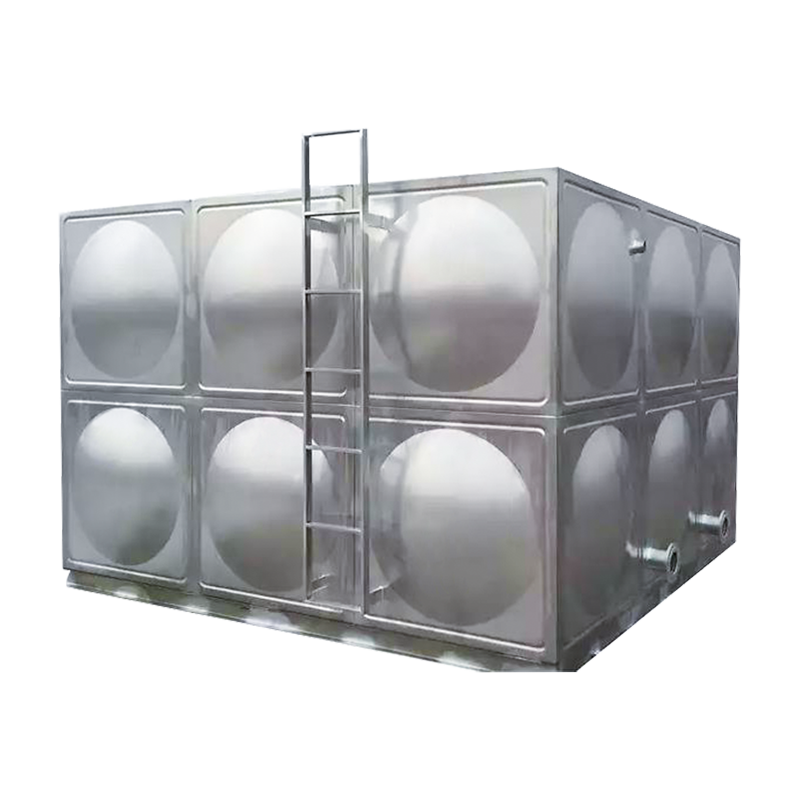
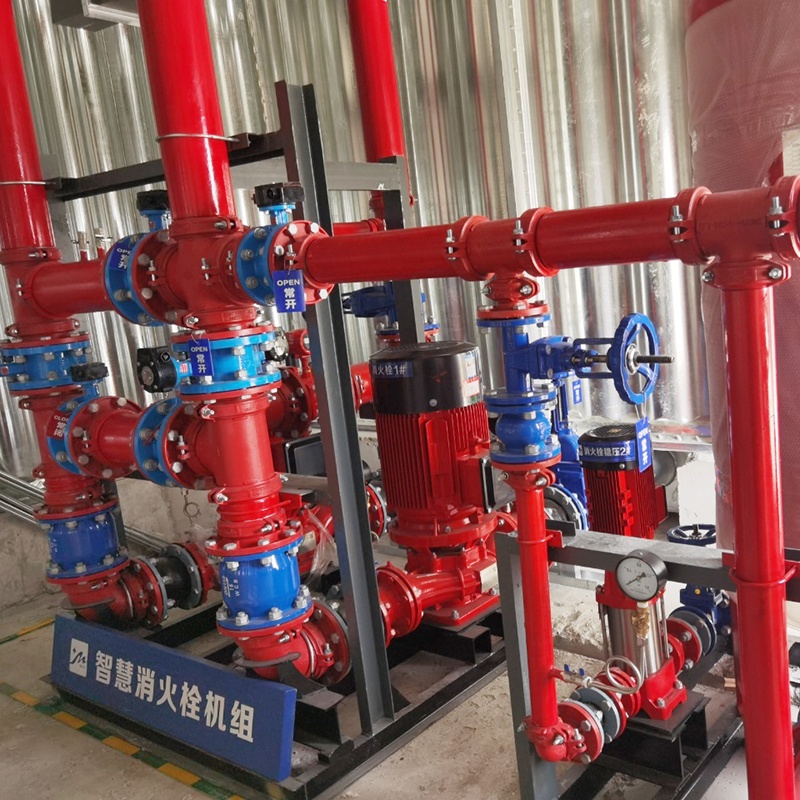
For a packaged fire water booster pump, verify that the suction tank, pump inlet, and manifold all meet the pump's net positive suction head requirement. In a prefabricated integrated pump station, these elements are matched in one enclosure; in a site-built pump room, they depend on the installing contractor.
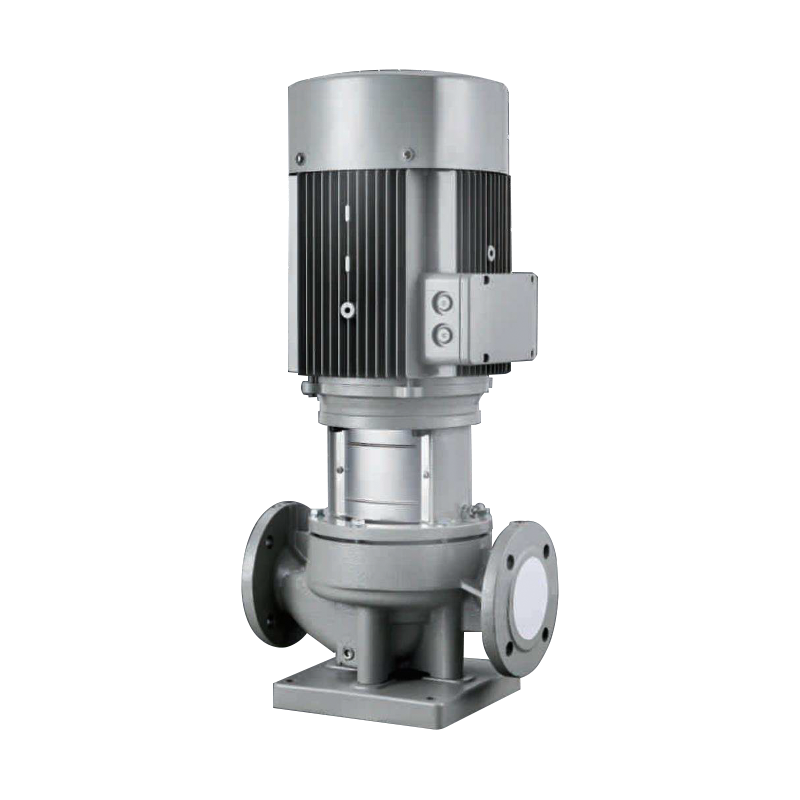
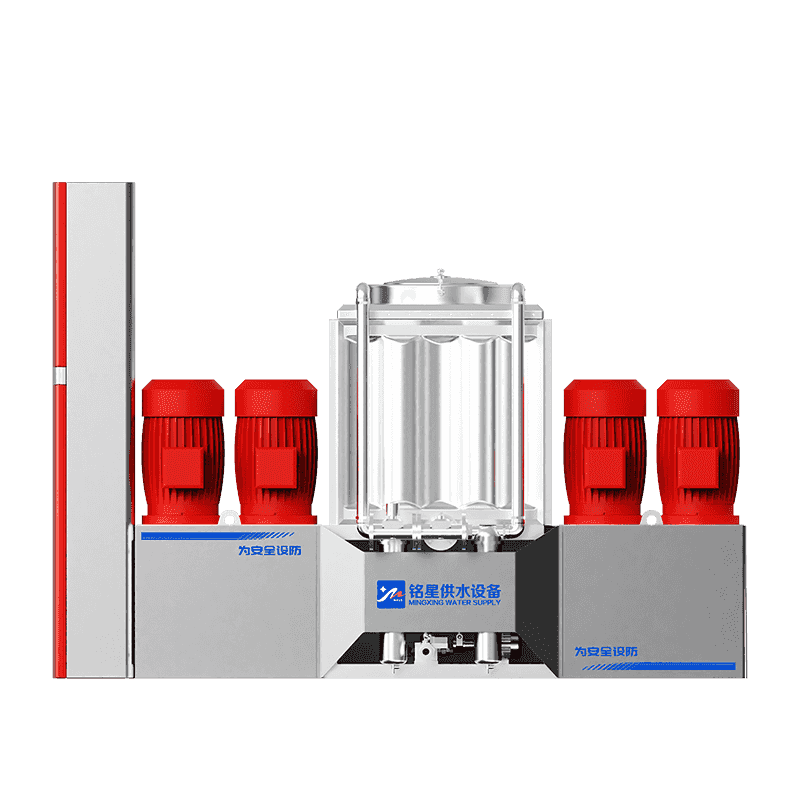
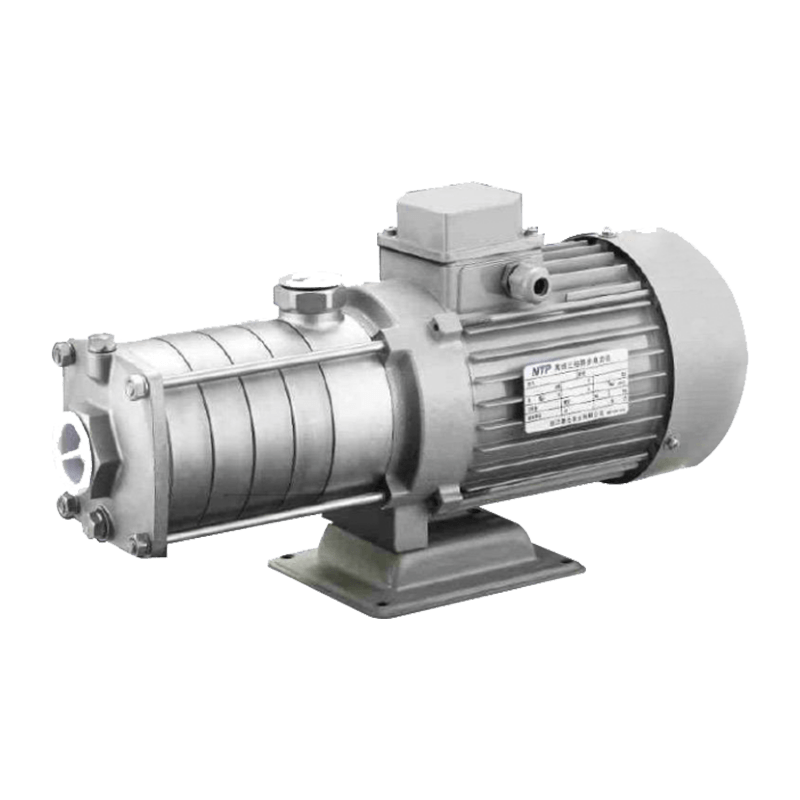
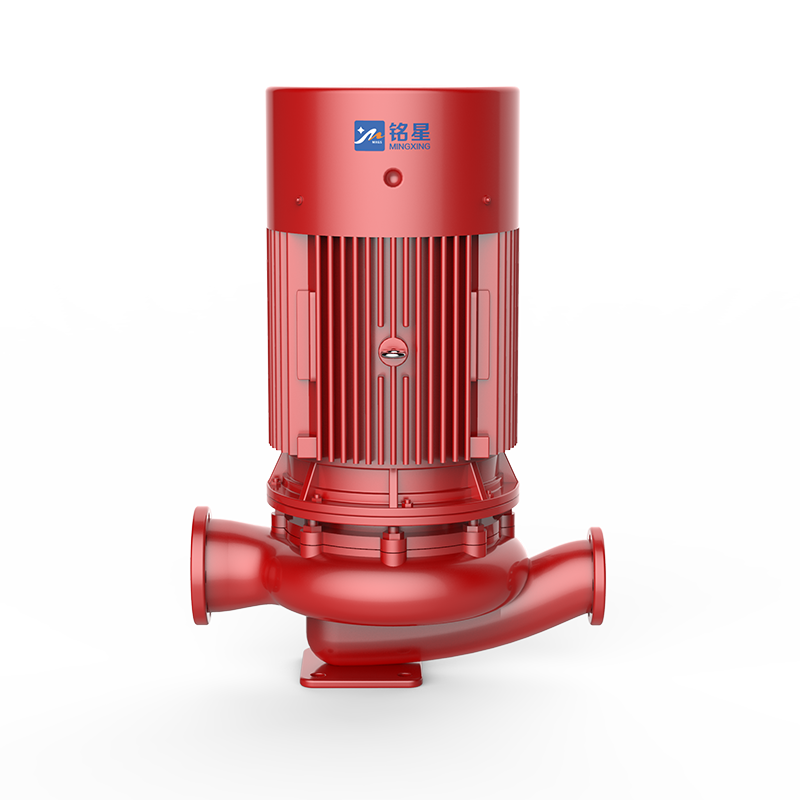 XBD-MX Vertical Single-Stage Electric Fire Pump SetThis packaged electric fire pump set meets GB 6245-2006 with corrosion-resistant impellers and a compact motor-coupled design, making it a reliable choice for normal fire water boosting service.View Product →
The two standard drivers for a fire water booster pump are an electric motor for normal service and a diesel engine for conditions where utility power cannot be relied on. Electric packages are simpler, quieter, and cheaper to maintain. Diesel packages are typically specified when a single utility feed is the only power source and a standby generator is not usable for fire service.
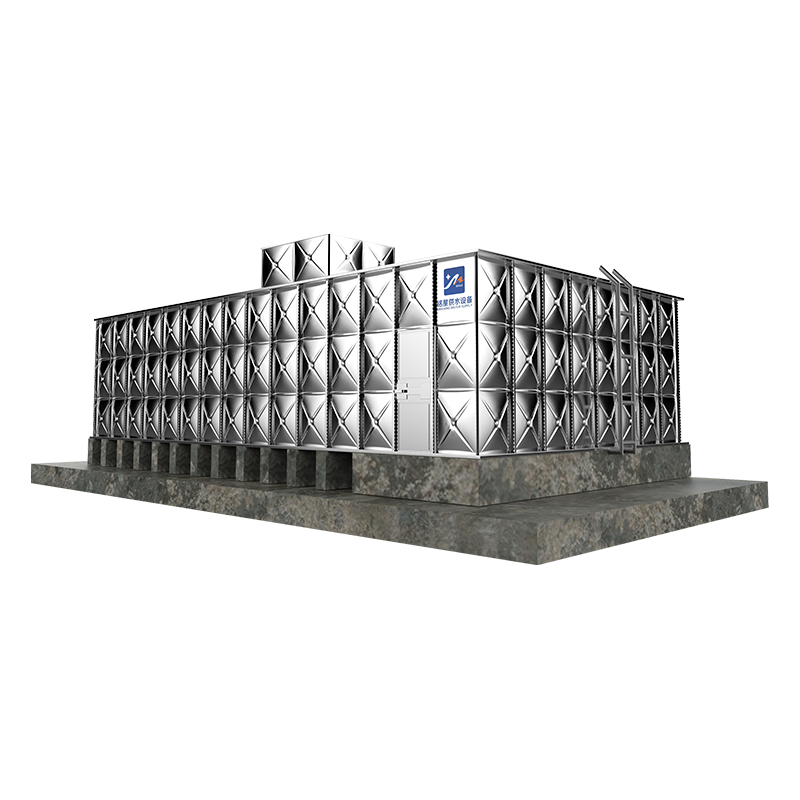
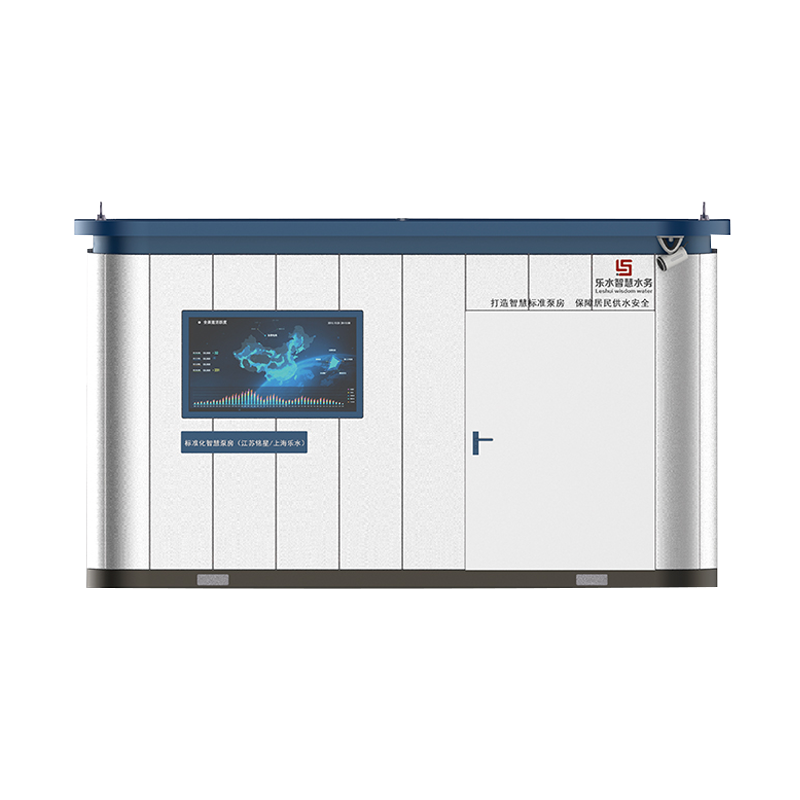
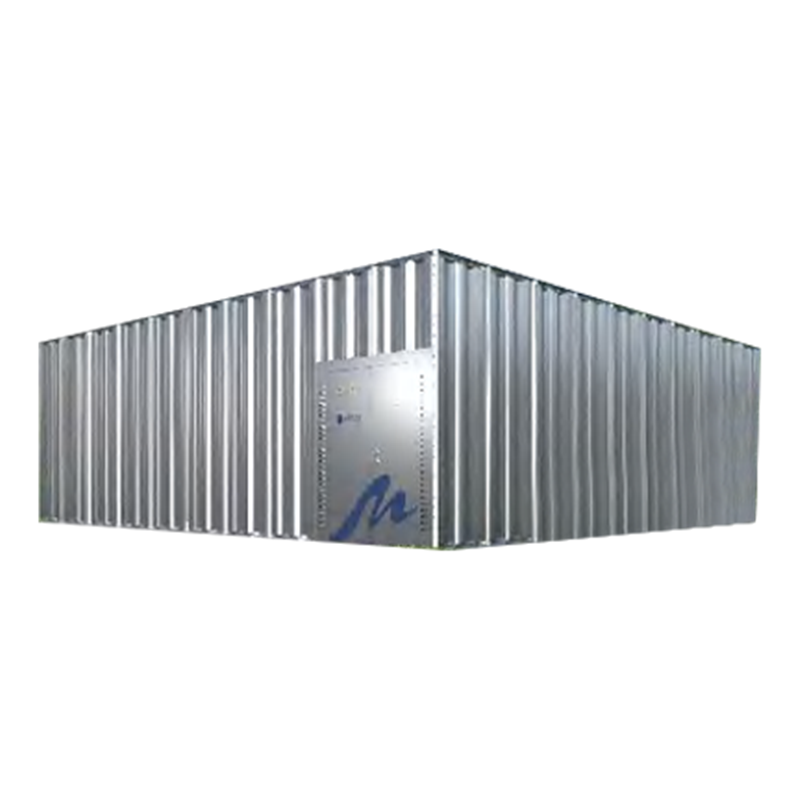
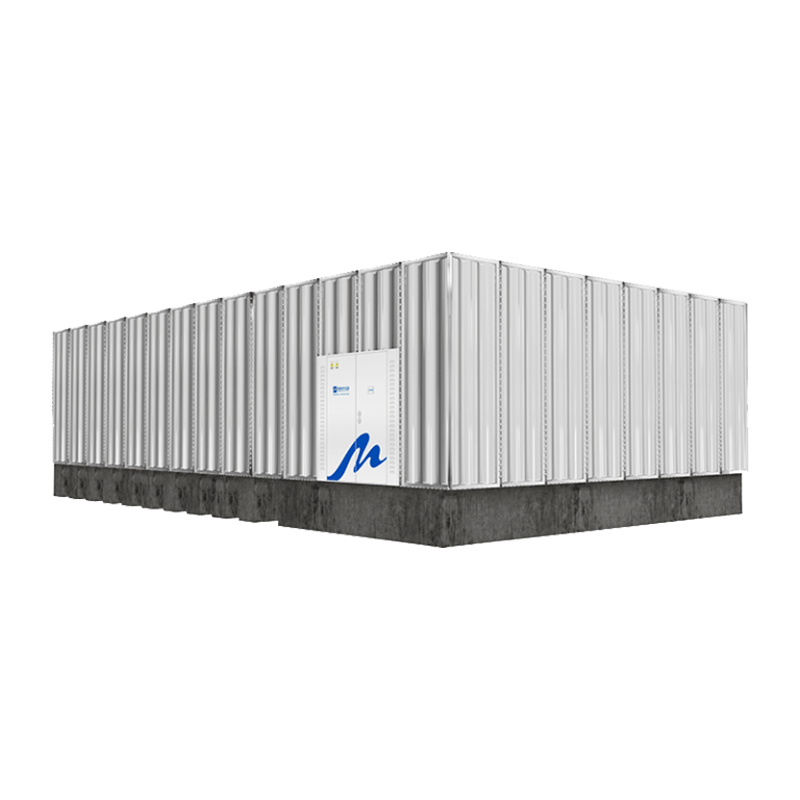
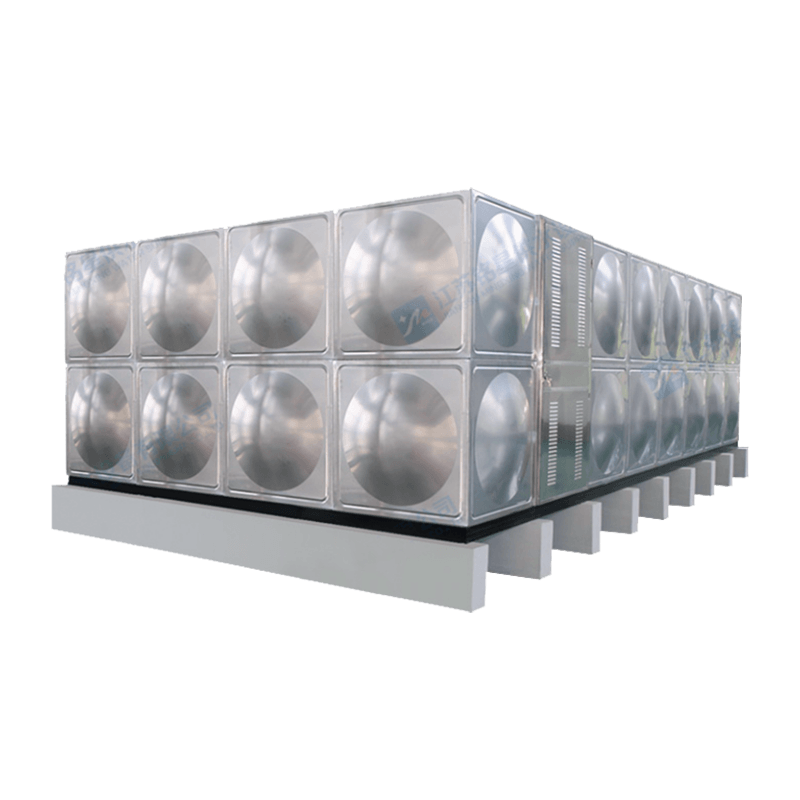
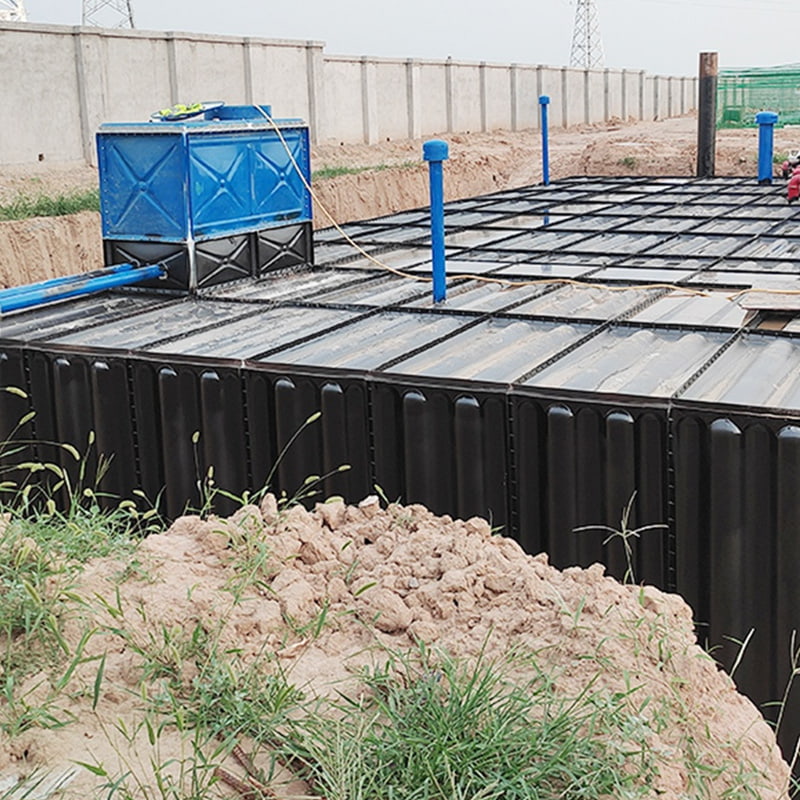
Integrated pump stations collapse the conventional pump room into one welded or bolted enclosure. Jiangsu Mingxing's ground-type packages, buried packages, and larger custom stations combine the suction tank, pump set, valves, manifold, controller, and alarm equipment at the factory. That approach reduces installation risk on site and makes the pump station's hydraulic behavior easier to verify before delivery.
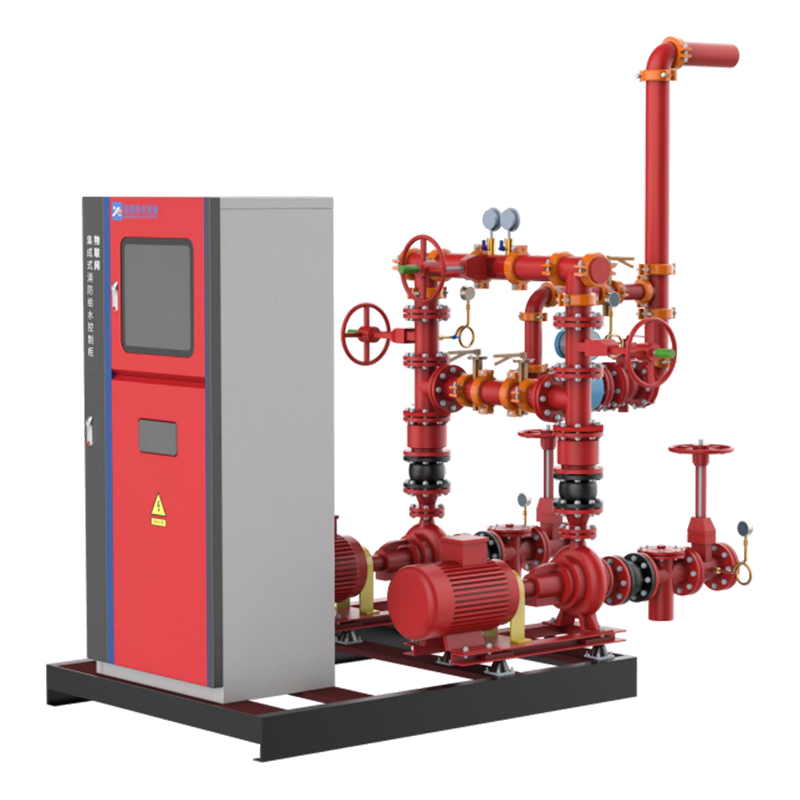 Smart Fire IoT Monitoring System for Fire Water SupplyThis system transmits fire pump status, water levels, pressures, and power data to mobile or computer terminals in real time, supporting remote monitoring and maintenance of fire water supply units.View Product →
A fire water booster pump is controlled by a listed fire pump controller, not by an ordinary VFD. The controller manages start-and-stop cycles, monitors phase loss, provides pressure alarms, and sends fault signals to the building management system. For variable-speed pressure limiting, NFPA 20 allows a listed fire pump variable-speed control limit controller, but it must be an integrated fire pump controller, not a standard pump drive.
For buildings that combine domestic boosting and fire protection, keep the systems separate. A VFD-controlled constant-pressure booster can handle domestic load efficiently, while the fire water booster pump remains a dedicated, listed assembly.
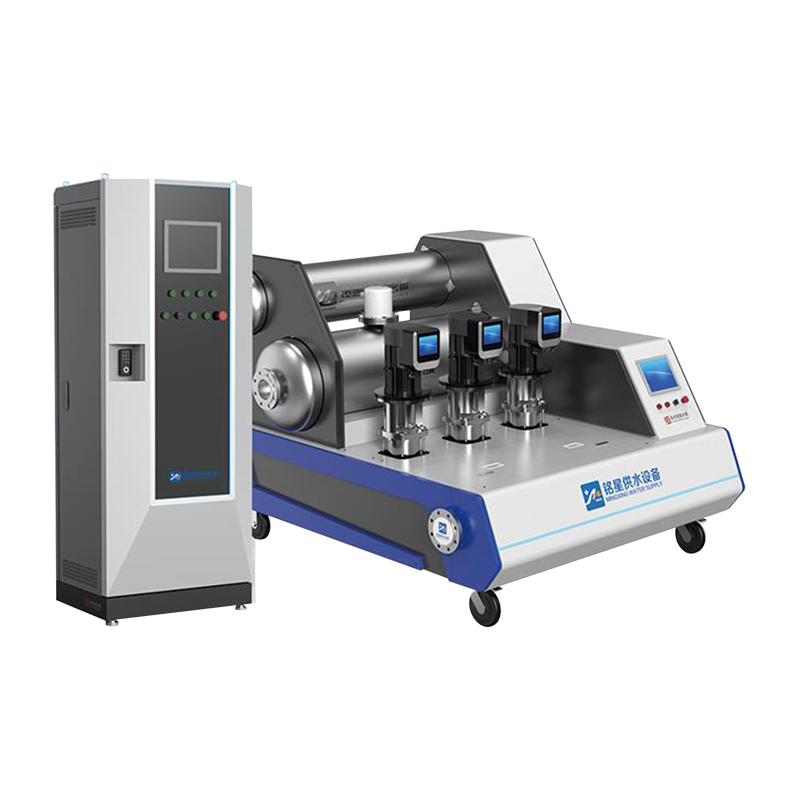 VFD Controlled Constant Pressure Booster SystemThis booster system maintains constant pressure for domestic water supply while keeping fire protection separate, as referenced in projects like secondary water supply installations and public facilities.View Product →
Most fire water booster pump failures become visible during commissioning because suction lift is higher than the pump's net positive suction head rating or the controller trips on phase sequence before the pump ever runs. Commissioning should verify flow, pressure, run time, and alarms against the actual pump curve and the site's hydraulic calculation.
For integrated fire pump stations, maintenance routines are organized around the full package rather than individual parts. The maintenance method article on intelligent fire integrated pumping stations provides a practical sequence for operators.
Before purchase, ask the manufacturer's engineering team to review the pump curve against your suction conditions. Contact the engineering team with the project data.
No. Fire-protection systems require a listed pump, a listed controller, and a certified curve that can satisfy the 150% flow pressure check. A domestic booster may keep a sprinkler system full of water but it will not pass the approval process.
It should produce the pressure required by the hydraulic calculation at the most remote sprinkler, plus friction loss and static lift. Common design targets fall between 80 psi and 150 psi at the pump discharge, but the actual number must be calculated for each building.
Possibly not for a small one-story system, but high-rise buildings, long pipe runs, and high-density sprinkler demand often need a fire pump even when static pressure looks adequate. The city main pressure under peak flow conditions is the relevant number, not the static reading.
NFPA 25 calls for routine inspection, testing, and maintenance of water-based systems; fire pumps are typically operated weekly at no-flow conditions and flow-tested annually. The owner's approved program should match the governing code.
Related Products

Contact us
Headquater Address
Room 901, Building 17, Lane 1088, Shen Hong Road, Minhang District, Shanghai
Factory Address
No. 1, Mingxing North Road, Tech Innovation Park, Jianhu County, Yancheng, Jiangsu, P. R. China
Amy@mxwatersupply.com
Amy@mxwatersupply.com
Telephone(Whatsapp/Wechat)
+86-18051685983
QR CODE

 English
 Français