Sep 18, 2026
At 80 to 200 bar discharge pressure, a high pressure water mist system forces water through sub-millimeter nozzles and turns a single liter of water into billions of droplets measuring 10 to 60 microns.
That fine atomization changes how fire is attacked. Instead of drenching the burning surface, the mist extracts heat, expands into steam, and starves the flame of oxygen. A high pressure water mist system can control a compartment fire with 5 to 10 percent of the water flow required by a standard sprinkler, while reducing smoke and thermal feedback.
Content
A high pressure water mist system works by atomizing water into micron-sized droplets that act through three simultaneous mechanisms: surface cooling, oxygen displacement, and radiant heat blocking.
Compared with sprinklers and clean-agent gas systems, a high pressure water mist system controls fire with less water, shorter discharge times, and no legacy environmental phase-out risk.
| Parameter | Sprinkler | High-pressure water mist | Clean agent gas |
| Droplet size | 0.5–1 mm | 10–60 microns | N/A |
| Operating pressure | 1–12 bar | 70–200 bar | 15–40 bar |
| Water per zone | 100% baseline | 5–10% of sprinkler | No water agent stored |
| Electrical safety | Not safe until energized systems are offline | Tested for live electrical cabinets per local codes | Safe when agent concentration is maintained |
| Ventilation dependency | Low | Low | High – must hold gas concentration |
| Residual cleanup | High water damage | Minimal water residue | No residue, but discharge must vent |
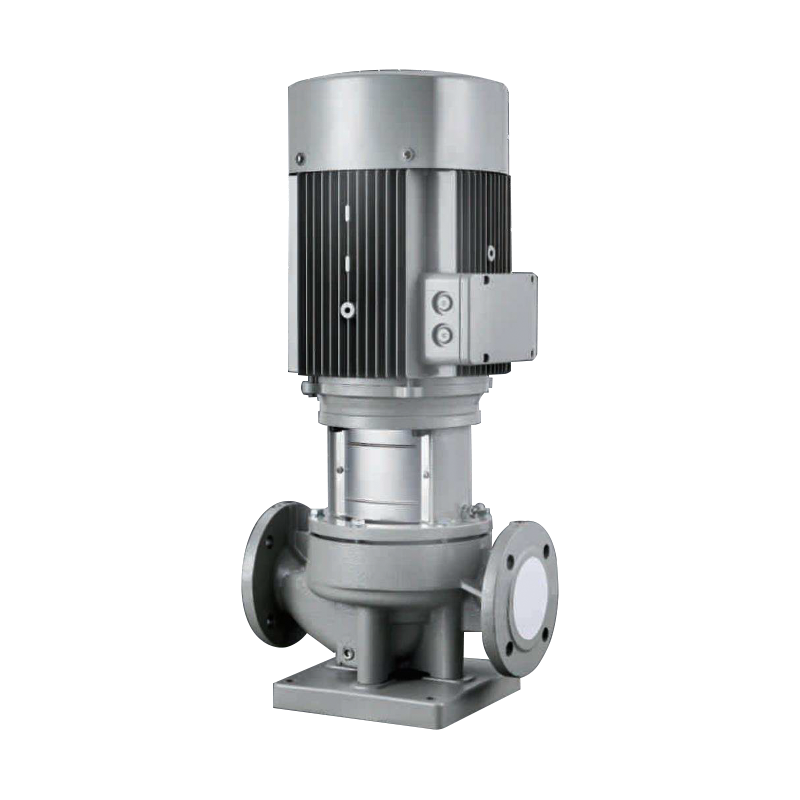
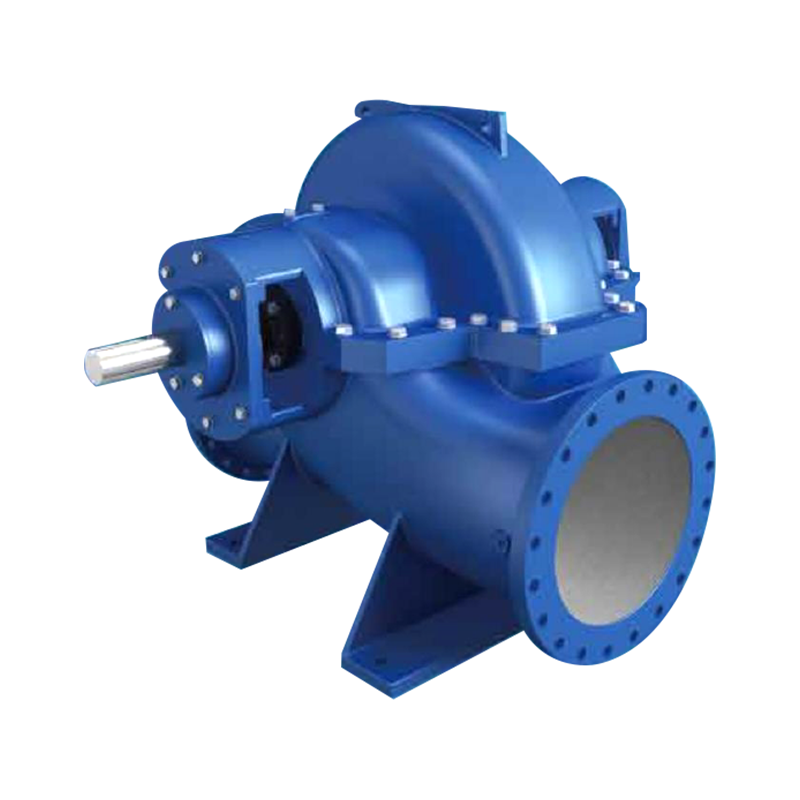
Reliability in a high pressure water mist system depends on five components: pump units, nozzles, pipework, control valves, and water conditioning.
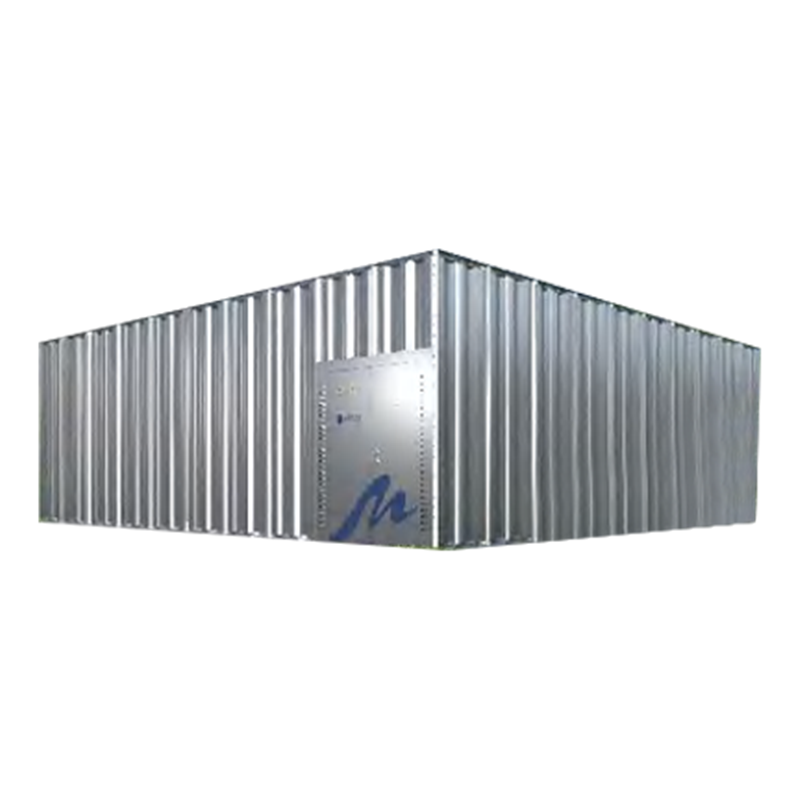
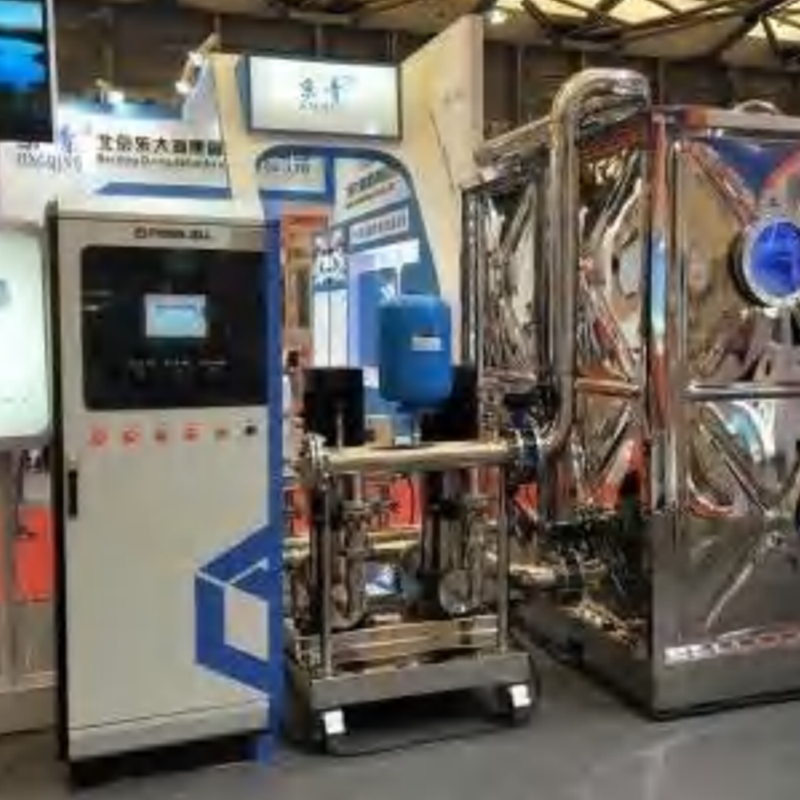
For projects that need a packaged plant room, Jiangsu Mingxing Water Supply Equipment Co., Ltd. integrates the pump unit, control cabinet, and valve manifold into a single skid, shortening installation and hydrostatic test time on site.
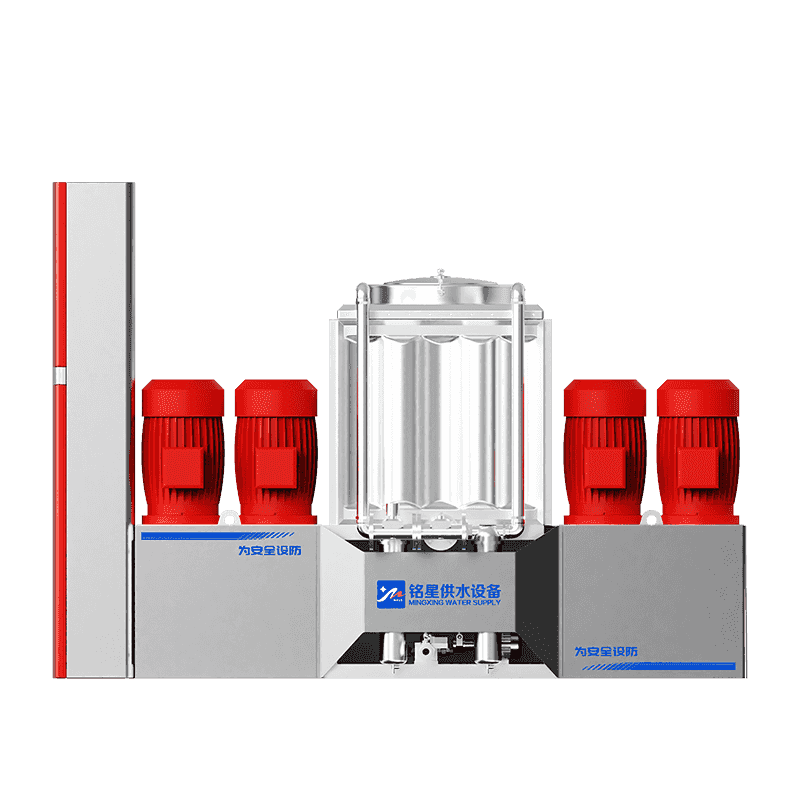 High Pressure Water Mist System with Integrated Pump UnitThis packaged plant room integrates pump, control cabinet, and valves on one skid, reducing on-site installation time. It suits high-value electrical assets, enclosed transit spaces, and water-sensitive buildings where sprinkler damage is catastrophic.View Product →
The technology earns its cost premium in three types of locations: high-value electrical assets, enclosed transit spaces, and buildings where sprinkler water damage would be catastrophic.
Figure: relative water volume needed for equivalent suppression in a typical compartment fire.
For temporary hazards during maintenance or hot-work operations, a mobile cart version provides the same nozzle atomization with a self-contained pump and tank.
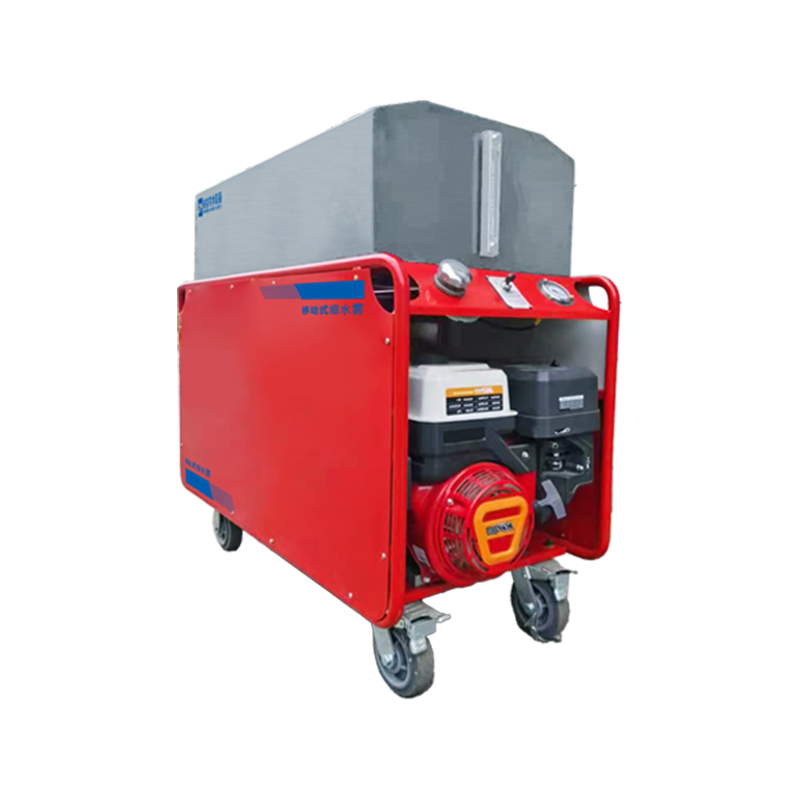 Mobile Trolley-Type Water Mist Fire Extinguishing DeviceA mobile cart version offers the same fine-water-mist atomization with a self-contained pump and tank. It suits temporary hazards during maintenance or hot-work, and operates with electric, gasoline, or diesel power for flexible emergency use.View Product →
A high pressure water mist system performs well only when the hydraulic calculation matches the actual hazard, room geometry, and water supply.
Local codes such as NFPA 750 or GB 50898 require a design report from a qualified engineer. If your project needs a specific hydraulic review, our engineering team can walk through it on our contact page.
Commissioning and routine service should follow a fixed sequence: flushing, pressure test, nozzle inspection, control simulation, and valve trimming.
In many electrical and machinery spaces, yes, if the enclosure can contain the mist and the design is approved by the local authority. Water mist removes heat faster than gas, requires no toxic agent, and leaves minimal residue, making it a practical alternative.
Manufacturers typically recommend quarterly visual checks, an annual functional discharge of the pump unit, and a full hydrostatic test every three to five years, depending on water quality and ambient conditions.
When nozzle placement, droplet size, and discharge distance are tested for specific voltage levels, the mist forms a non-conductive fog in the discharge zone. Systems must be listed for live electrical hazards; project approval still requires de-energization where the risk assessment demands it.
Documented installations use 70 to 90 percent less water than standard sprinklers. A high pressure water mist system with a 40 mm supply main can protect the same area that would require a 150 mm sprinkler riser, reducing pipe weight and water tank footprint.
Related Products

Contact us
Headquater Address
Room 901, Building 17, Lane 1088, Shen Hong Road, Minhang District, Shanghai
Factory Address
No. 1, Mingxing North Road, Tech Innovation Park, Jianhu County, Yancheng, Jiangsu, P. R. China
Amy@mxwatersupply.com
Amy@mxwatersupply.com
Telephone(Whatsapp/Wechat)
+86-18051685983
QR CODE

 English
 Français