Jan 27, 2026
In the ever-evolving landscape of fire protection technology, high-pressure water mist fire suppression systems have emerged as a highly effective, versatile, and environmentally friendly solution. These systems utilize water's natural cooling and oxygen-displacing properties but with significantly greater efficiency by atomizing it into a fine mist. This guide delves deep into the mechanics, applications, and advantages of high-pressure water mist systems, providing essential information for architects, safety engineers, and facility managers.
Content
Unlike traditional sprinklers that drench an area with large water droplets, a high-pressure water mist system forces water at extremely high pressures (typically above 34 bar or 500 psi) through specialized nozzles. This process creates a dense cloud of microscopic water droplets, typically less than 400 microns in diameter. The resulting mist offers a multi-faceted attack on fire:
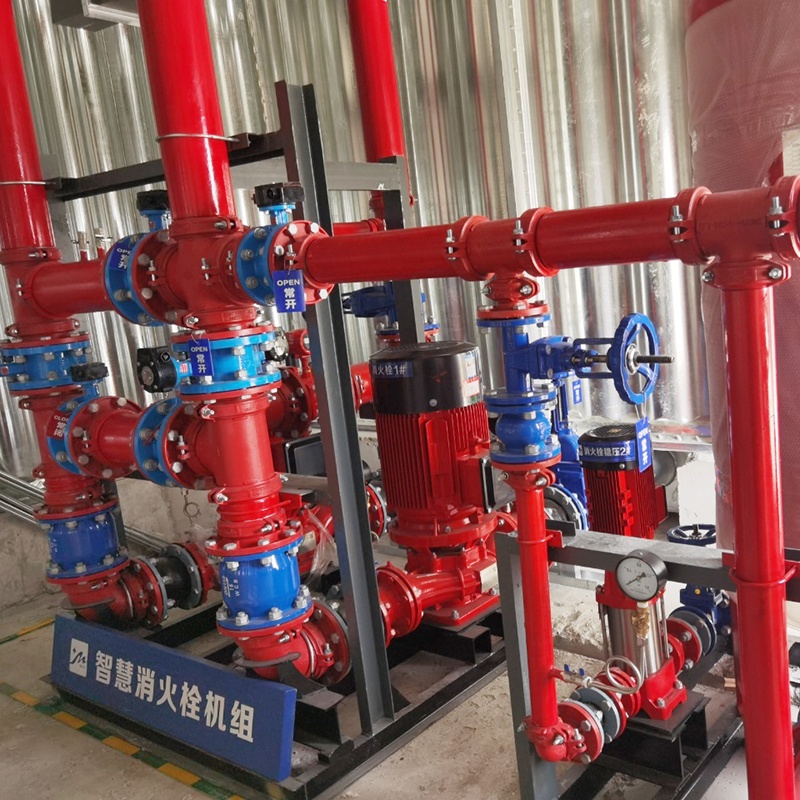
As a national high-tech enterprise dedicated to innovative fire-fighting solutions, Jiangsu Mingxing Water Supply Equipment Co., Ltd. integrates this advanced technology into its "Intelligent Fire-fighting" system platform. Our approach leverages IoT and big data to ensure these sophisticated systems operate at peak efficiency with 24/7 monitoring.
The benefits of adopting this technology are substantial, making it suitable for a wide array of scenarios where water damage, space, or chemical agents are a concern.
The versatility of water mist opens doors to numerous applications. Understanding the specific system type for each scenario is crucial, particularly when considering the cost of high pressure water mist system installation and long-term value.
High-pressure water mist systems are categorized based on how water is stored and delivered. The choice impacts design, performance, and the maintenance requirements for water mist fire systems.
The following table compares the key characteristics of the three main system types:
| Feature | Single-Fluid Systems | Twin-Fluid Systems | Pre-Engineered Systems |
| Working Principle | High-pressure water only is delivered to nozzles. | Water and pressurized gas (N2 or air) are mixed at the nozzle. | Pre-designed, packaged units for specific, smaller hazards. |
| Pressure Range | Very High (70-200 bar) | Lower Water Pressure Required (8-20 bar) | Varies (often high-pressure) |
| Droplet Size | Very Fine | Ultra-Fine | Fine |
| Typical Use Case | Total compartment flooding, turbine enclosures, large spaces. | Local application, areas with complex obstructions, heritage sites. | Smaller, defined risks like kitchen hoods, generator sets, CNC machines. |
| Complexity & Cost | Higher installation cost, robust pipework needed. | Lower water pressure piping, but dual supply lines needed. | Lower design and installation cost, limited to specified hazards. |
Successfully deploying a high-pressure water mist system requires careful planning beyond the initial technology choice.
Proper engineering is paramount. Systems must be designed to the specific hazard, enclosure geometry, and ventilation conditions. Integration with existing fire alarm and building management systems is essential for automatic, reliable operation. As a standard-setting company for intelligent fire-fighting integrated pump stations, Jiangsu Mingxing Water Supply Equipment Co., Ltd. possesses an independent R&D team that ensures seamless integration of high-pressure mist systems into broader smart fire-fighting platforms, enhancing overall system linkage and collaboration [1].
Regular maintenance is critical to ensure reliability. This includes checking pump units, filters, nozzles for blockages, and pressure levels. Adherence to recognized standards like NFPA 750 (Standard on Water Mist Fire Protection Systems) is non-negotiable for system integrity and insurance compliance. Understanding the maintenance requirements for water mist fire systems from the outset helps in planning long-term operational budgets. Our company's comprehensive quality assurance system, backed by ISO and 3C certifications, underscores the importance we place on reliable, code-compliant solutions.
Despite their advantages, some misconceptions exist. A frequent query involves high pressure water mist system cost vs traditional sprinklers. While initial hardware and installation costs can be higher, the total cost of ownership may be lower due to reduced water tank/pump sizes, less structural reinforcement for water weight, and potentially lower insurance premiums.
Another key area is effectiveness of water mist on electrical fires. The finely atomized water mist is electrically resistive and safe for use on energized electrical equipment when the nozzle distances and droplet size are designed according to standards, making it a premier choice for data centers and substations [2].
Finally, for facilities with space constraints, exploring water mist system for small space fire protection is ideal. Pre-engineered or modular systems offer compact, targeted protection for control rooms, server cabinets, or industrial machinery without requiring large water storage.
Yes. The mist is breathable and primarily composed of water vapor during discharge. It does not dangerously deplete oxygen like some gaseous agents, facilitating safer evacuation.
It uses up to 90% less water. The microscopic droplets vaporize upon heat contact, meaning very little liquid water settles on surfaces, minimizing water damage to assets and infrastructure.
Absolutely. Their smaller pipe diameters (often stainless steel) and flexibility make them excellent for retrofit projects, especially in historic or space-limited buildings where running large sprinkler pipes is challenging.
Regular inspections of pumps, pressure levels, filters, and nozzles are essential. Annual full-performance tests are recommended. Maintenance is specialized but typically less cumbersome than managing large water storage tanks for traditional systems.
Yes. They are recognized and governed by international standards like NFPA 750, IMO MSC/Circ. 1165 (for marine use), and various national codes. They are approved for a wide range of applications by regulatory bodies worldwide.
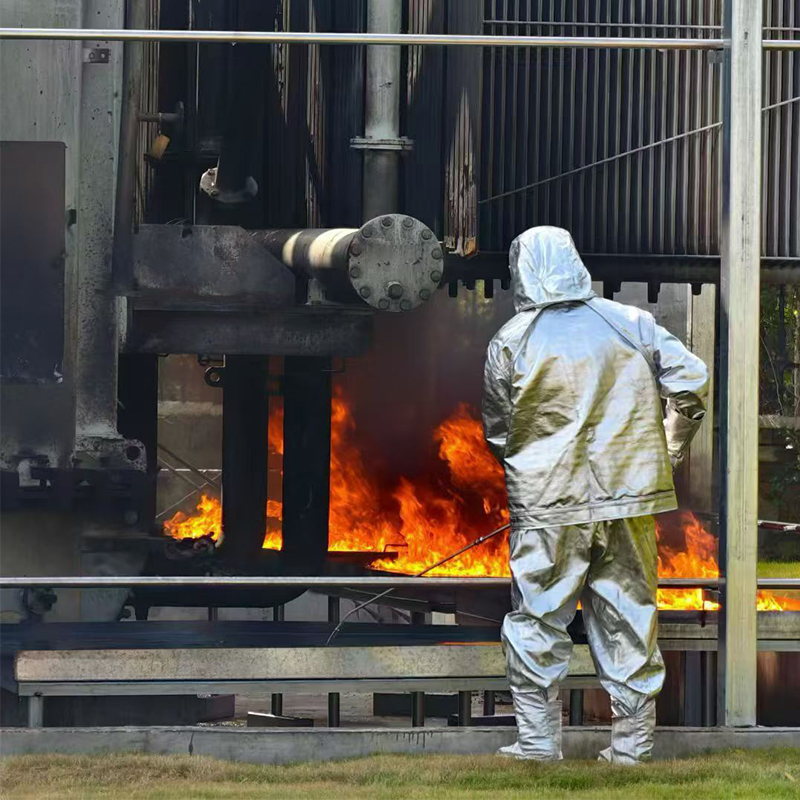
High-pressure water mist fire suppression represents a significant leap forward in fire safety technology. Its unique combination of water efficiency, minimal collateral damage, and effective suppression across multiple fire classes makes it a compelling choice for protecting both modern and heritage assets. From understanding the cost of high pressure water mist system installation to ensuring the correct maintenance requirements for water mist fire systems are met, successful implementation relies on expert design and quality components.
As industries and infrastructure evolve towards greater intelligence and efficiency, integrating such advanced fire protection into smart building ecosystems is the future. Companies like Jiangsu Mingxing Water Supply Equipment Co., Ltd., with their focus on IoT-based "smart water supply" and "Intelligent Fire-fighting" solutions, are at the forefront of this integration, ensuring that cutting-edge suppression technology like high-pressure water mist is reliable, monitored, and ready to perform when needed most.
[1] Jiangsu Mingxing Water Supply Equipment Co., Ltd. Corporate Overview and Technology White Papers. (Internal R&D documentation on system integration protocols).
[2] National Fire Protection Association (NFPA). NFPA 750: Standard on Water Mist Fire Protection Systems. 2023 Edition. Quincy, MA: NFPA.
Related Products

Contact us
Headquater Address
Room 901, Building 17, Lane 1088, Shen Hong Road, Minhang District, Shanghai
Factory Address
No. 1, Mingxing North Road, Tech Innovation Park, Jianhu County, Yancheng, Jiangsu, P. R. China
Amy@mxwatersupply.com
Amy@mxwatersupply.com
Telephone(Whatsapp/Wechat)
+86-18051685983
QR CODE

 English
 Français