Sep 15, 2026
During a high-rise fire-commissioning test, the most common failure is not a broken main fire pump. It is pressure loss at the roof. A main pump at grade can take 30 to 45 seconds to push water through a tall riser, and the top-floor hydrant gauge drops below minimum before the main pump reaches rated flow. A roof pressure stabilizing pump station closes that gap.
A roof pressure stabilizing pump station is a prefabricated fire-protection package that combines pressure-stabilizing pumps, a small pressure-regulating tank, valves, and a control cabinet. It holds the fire main network at a set standby pressure while the primary fire pumps are off. For engineers, it is the difference between a system that false-starts every night and one that responds only when necessary.
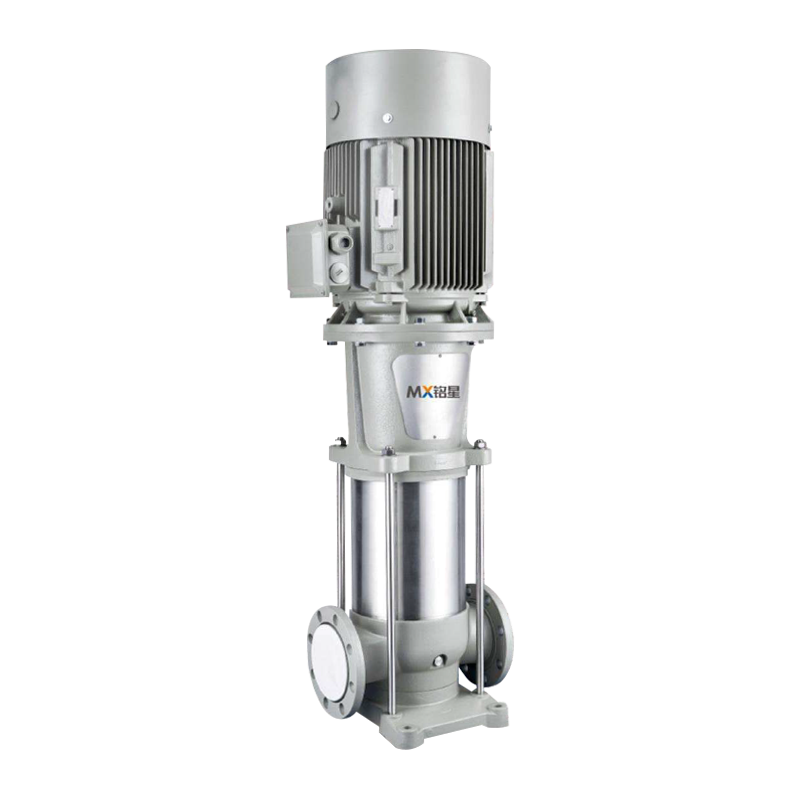
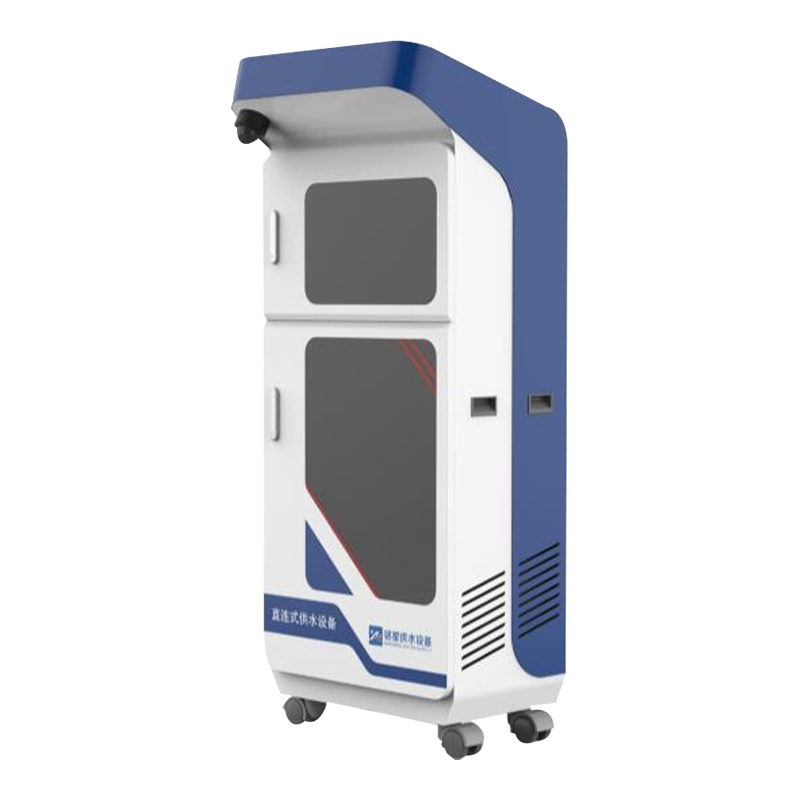
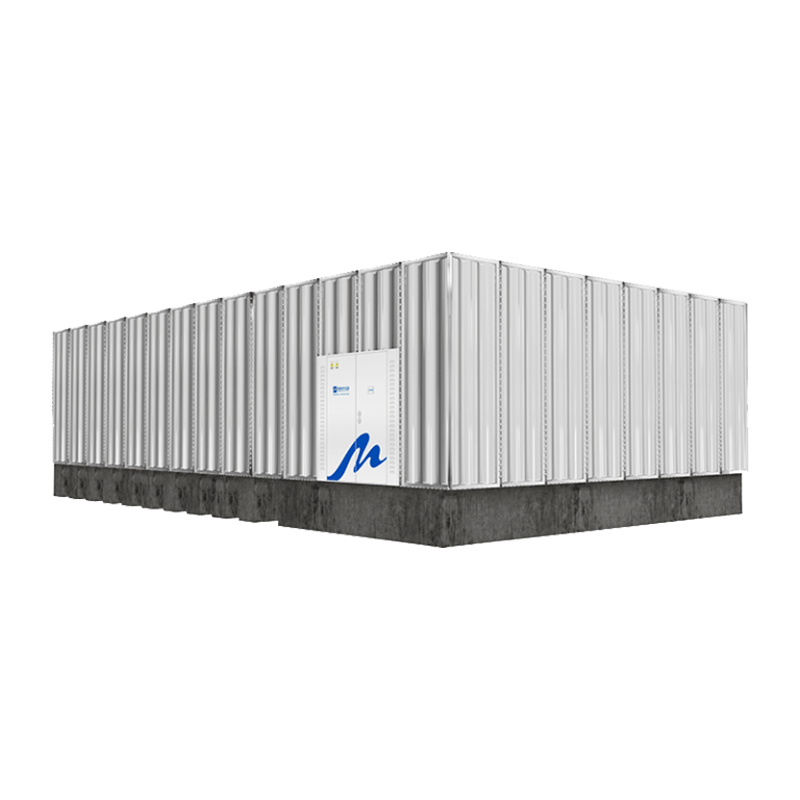
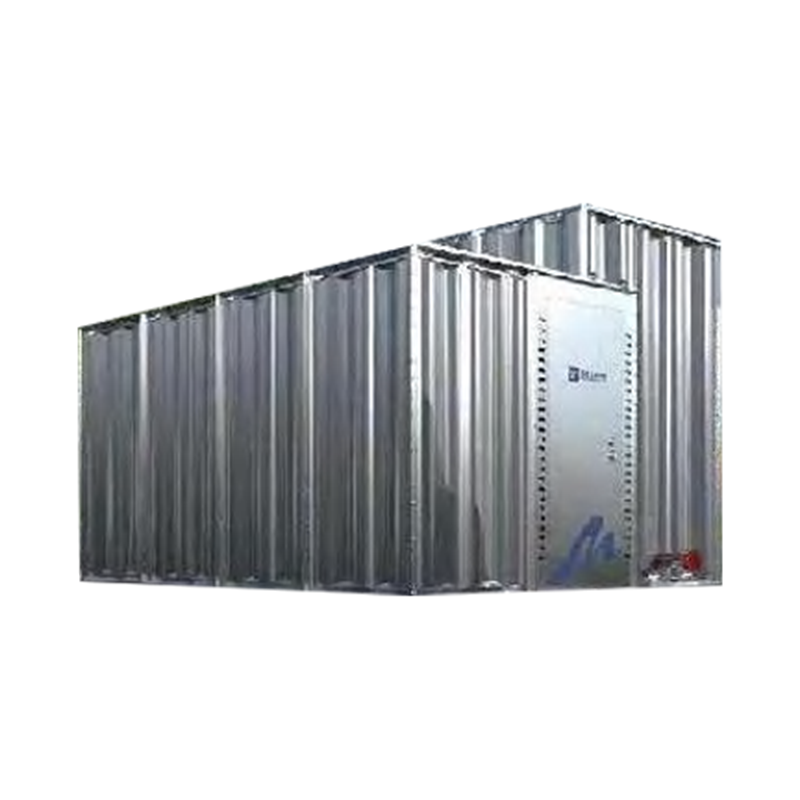 Roof Pressure Stabilizing Pump Station with Variable Frequency DriveThis integrated package holds the fire main at standby pressure using variable frequency control, reducing false starts. Its proximity to the most unfavorable point enables faster response.View Product →
Content
Roof pressure stabilizing pump stations keep a fire main pressurized between two precise setpoints: the pressure at which the stabilizer pump starts and the higher pressure at which it stops.
The station is intentionally small in flow and high in control. It is not designed to fight the fire; it is designed to keep the pipe network ready so that the main fire pump does not start for small water losses.
Because a 50 m vertical rise creates roughly 0.49 MPa of static pressure, a ground-level pump cannot keep the top of the riser at standby pressure without running continuously.
Water pressure changes by about 0.098 MPa for every 10 m of elevation. A 100 m building therefore loses almost 1 MPa between the basement pump discharge and the roof hydrant. A roof-level station sees only the local pressure near the top, so it responds faster and uses less energy than a basement jockey pump fighting the full static column.
Roof station
Installed at the top mechanical floor
Monitors pressure at the most remote point
Small head, low running cost
Immediate response to roof-level leakage
Best for high-rise hydrant and sprinkler zones
Basement jockey pump
Installed at the main pump room
Monitors system pressure from the bottom
Must overcome full static head
Slower response at the top floors
Best for mid-rise buildings or single-zone systems
A roof pressure stabilizing pump station is only one part of the complete fire-water sequence. The full firefighting water supply system must coordinate storage tanks, main fire pumps, and the roof station so that valve opening sequences and pump start setpoints match each other.
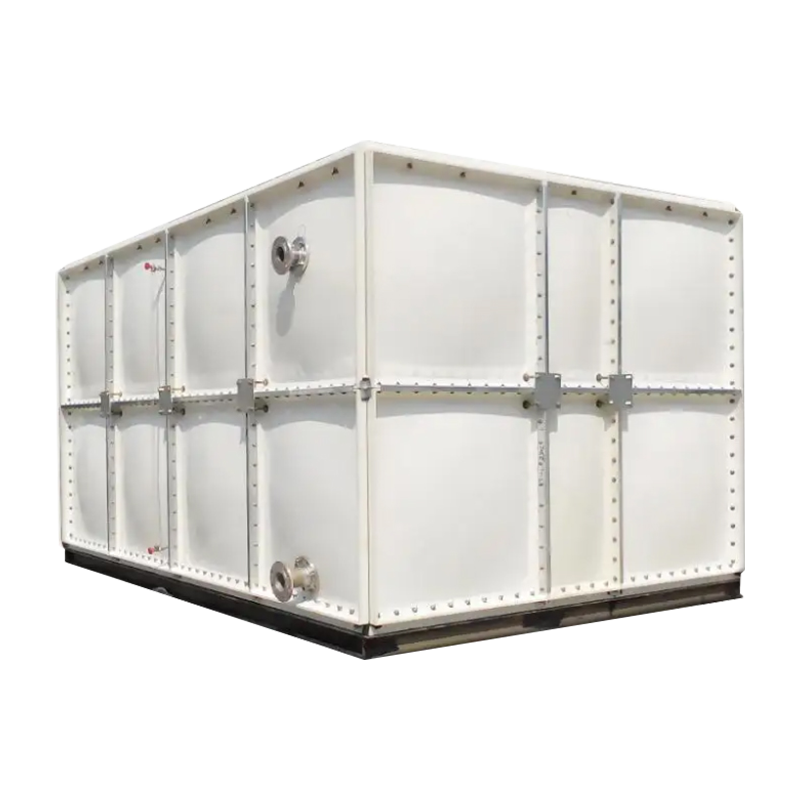
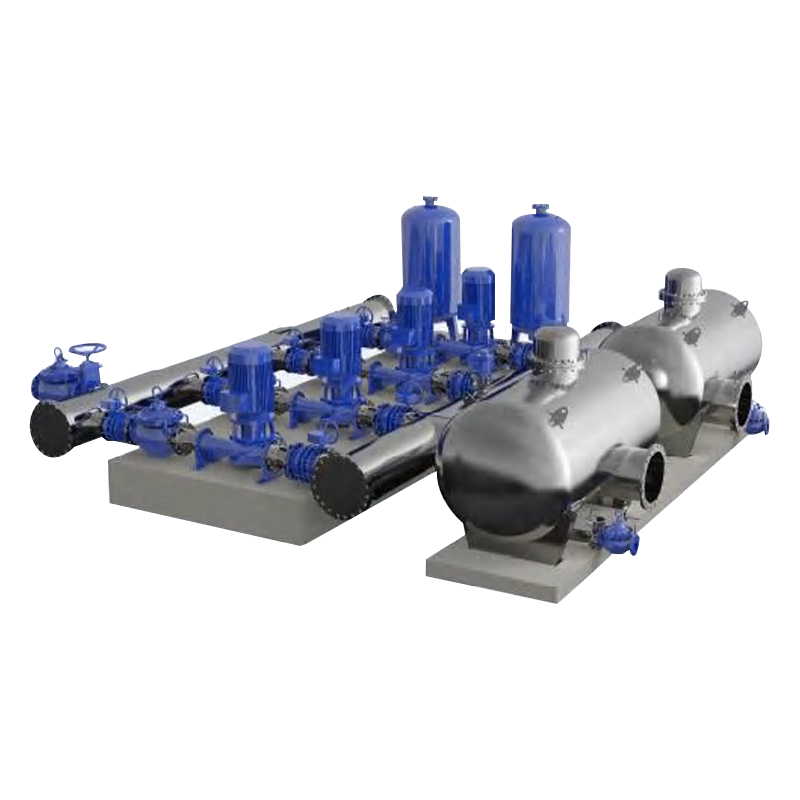
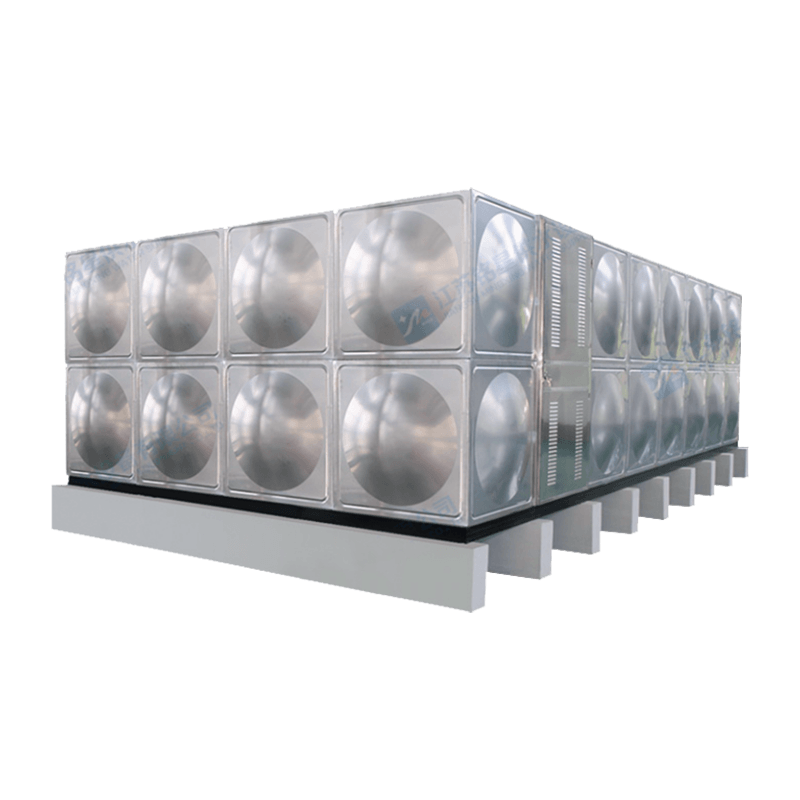
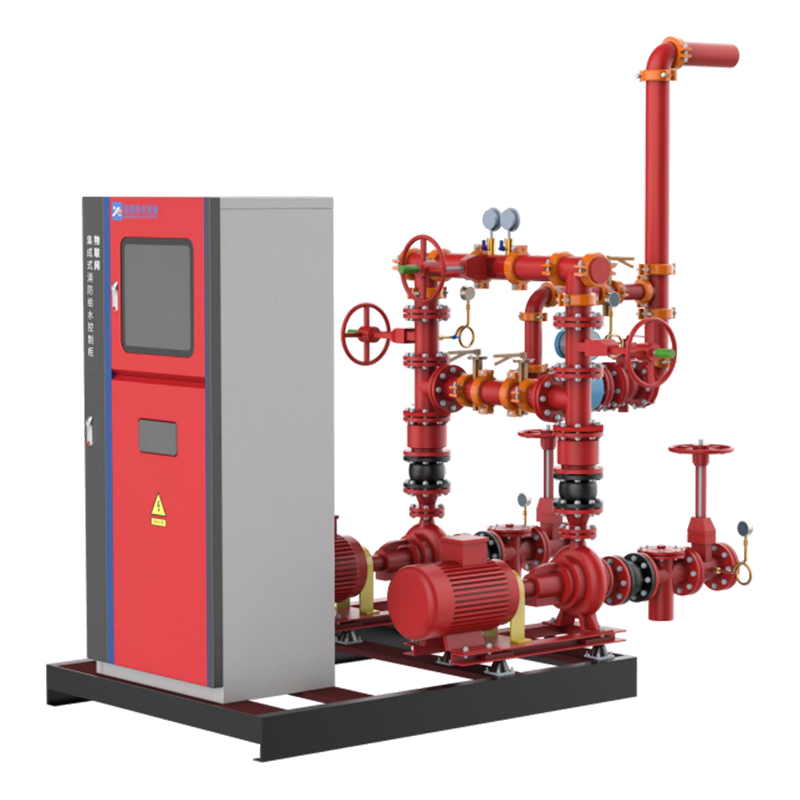 Fire-Fighting Water Supply System with Smart IoT MonitoringThis coordinated system combines storage, pumps, and monitoring to match pressure setpoints across the full fire-water sequence. The smart IoT unit transmits real-time data to mobile and computer terminals.View Product →
A roof pressure stabilizing pump station operates on a pressure-ladder logic with three setpoints: stabilizer pump stop, stabilizer pump start, and main fire pump start.
Example Pressure Ladder for a 100 m High-Rise Fire Zone
minimum = 0.15 MPaCorrect setpoints come from the hydraulic calculation of the most unfavorable hydrant or sprinkler, not from a default relay setting on a pump package.
Size the station so the stabilizer pump can compensate for normal network leakage and keep the pressure inside the deadband. A pump that is too small will fail to recover pressure before the main fire pump starts. A pump that is too large will short-cycle and burn out motor contactors.
| Parameter | Hydrant-only zone | Sprinkler plus hydrant zone |
| Stabilizer pump flow | 1.5 to 3.5 m3/h | 3.0 to 7.2 m3/h |
| Stabilizer pump head | Required top pressure + 0.05 to 0.08 MPa | Required top pressure + 0.05 to 0.08 MPa |
| Pressure-regulating tank | 150 to 300 L | 300 to 450 L |
| Pressure deadband | 0.06 to 0.10 MPa | 0.06 to 0.10 MPa |
| Control mode | Automatic duty/standby | Automatic duty/standby with fault alarm |
Where a building has combined fire and domestic pressurization needs, a VFD-controlled constant pressure booster system can be paired with the roof station to share floor space and monitoring. Jiangsu Mingxing Water Supply Equipment Co., Ltd. includes such control sequences in factory-tested packages.
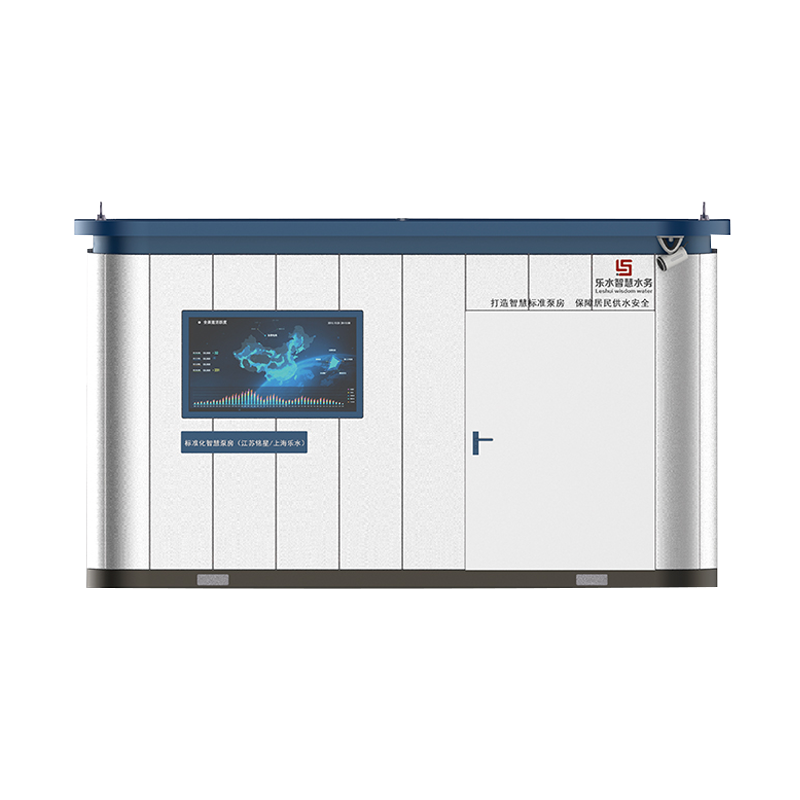
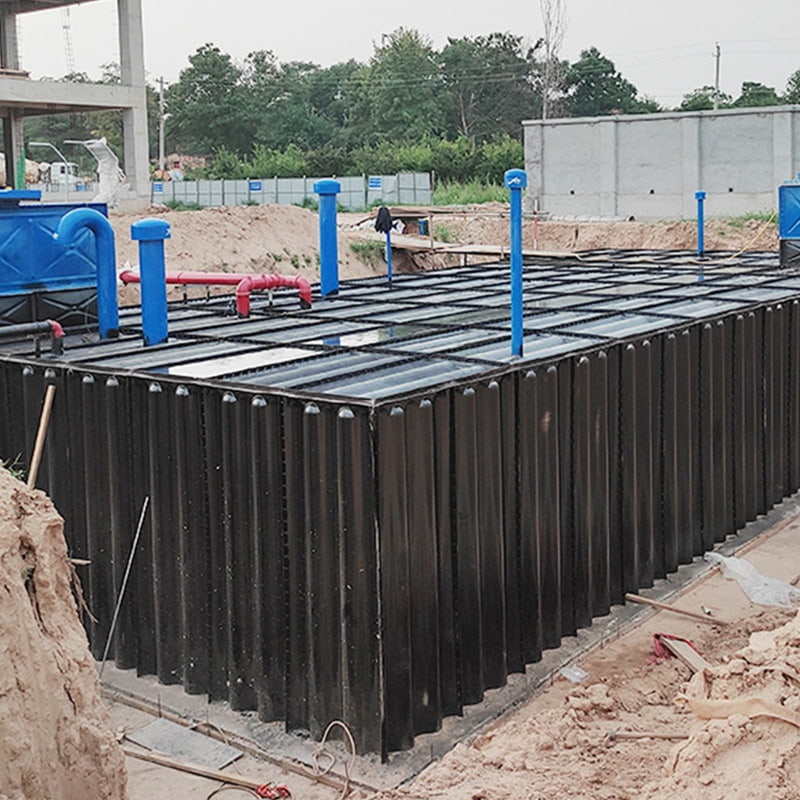
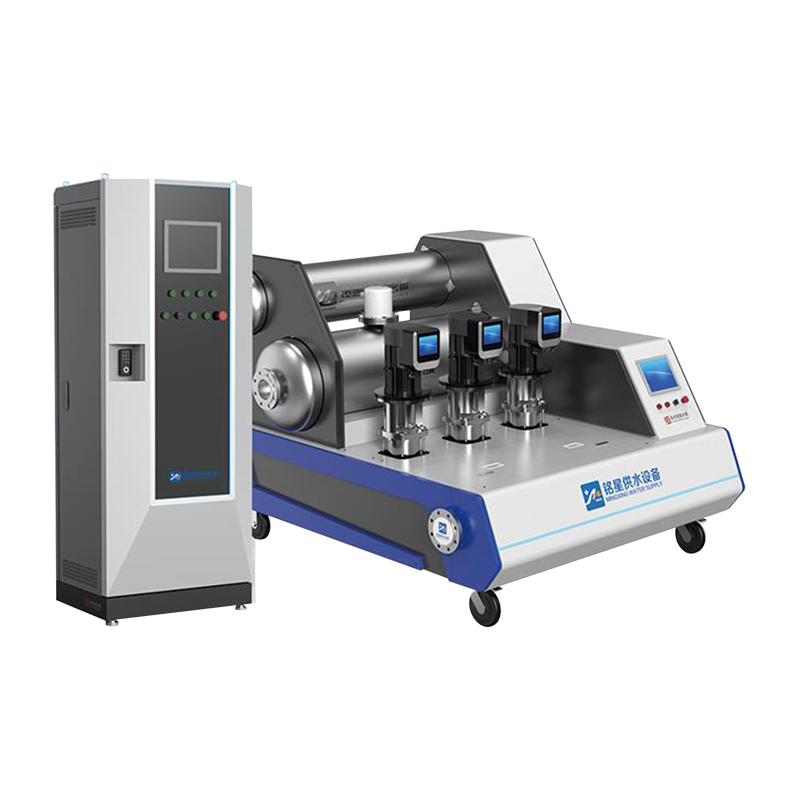 VFD Controlled Constant Pressure Booster System for Combined NeedsThis VFD-controlled booster system can share floor space with a roof station, addressing combined fire and domestic pressurization needs. It supports factory-tested control sequences for reliable performance.View Product →
Have hydraulic calculations ready? Send them through the contact page before production so the control panel can be programmed with the correct pressure ladder.
Most rooftop station failures are installation-level problems: wrong setpoint, air in the line, or corrosion at untreated bolts.
Roof rooms expose steel enclosures to condensation, coastal salt, and freeze-thaw cycles. Use hot-dip galvanized or stainless steel fasteners and a station base coated for high humidity. The bolt layer and coating thickness determine how long the cabinet survives in a wet environment. Read corrosion protection engineering for roof pressure stabilizing pump stations before specifying materials.
It should maintain the pressure required at the most unfavorable hydrant or sprinkler plus a small margin, usually 0.05 to 0.08 MPa. At a top hydrant, a common standby range is 0.15 to 0.25 MPa, but the hydraulic calculation determines the exact number.
No. The station is a pressure-maintenance device, not the fire-fighting power source. It keeps the pipe network pressurized and signals the main fire pump when pressure drops below the start setpoint.
Two is standard for fire applications: one duty pump and one standby pump. Redundancy allows maintenance to be performed without declaring the fire-water system out of service.
The stabilizer pump starts and stops too often, motor relays wear faster, and the control panel logs nuisance alarms. A larger tank increases cycle time and reduces wear on the pump and contactor.
Related Products

Contact us
Headquater Address
Room 901, Building 17, Lane 1088, Shen Hong Road, Minhang District, Shanghai
Factory Address
No. 1, Mingxing North Road, Tech Innovation Park, Jianhu County, Yancheng, Jiangsu, P. R. China
Amy@mxwatersupply.com
Amy@mxwatersupply.com
Telephone(Whatsapp/Wechat)
+86-18051685983
QR CODE

 English
 Français