Feb 17, 2026
The global demand for reliable water storage solutions has evolved significantly in the last decade. As urban centers expand and industrial facilities scale up their operations, the need for high-capacity water storage that combines durability with ease of installation has never been greater. Sectional water tanks have emerged as the premier solution for these challenges. However, the move from standard sizes to high-capacity systems requires a sophisticated leap in precision engineering. This article explores the critical engineering paradigms that ensure these massive modular structures maintain their structural integrity and remain leak-proof over a decades-long service life.
Content
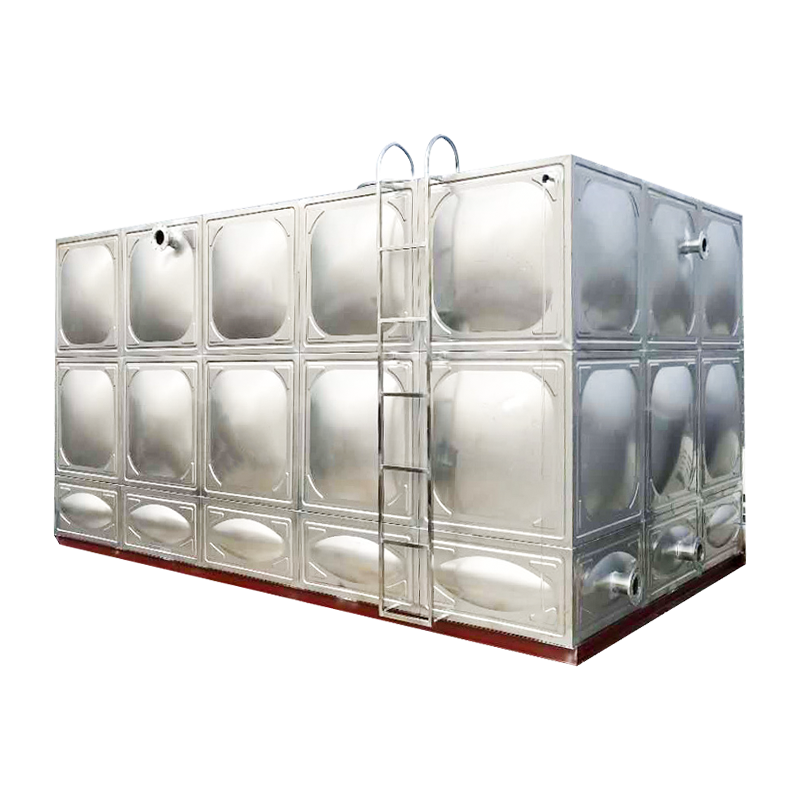
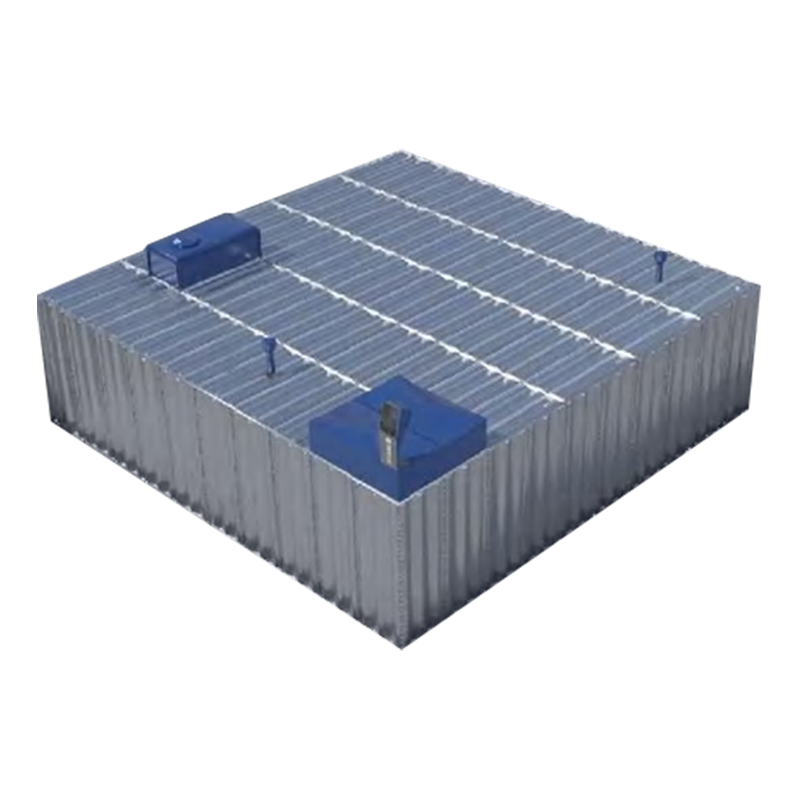
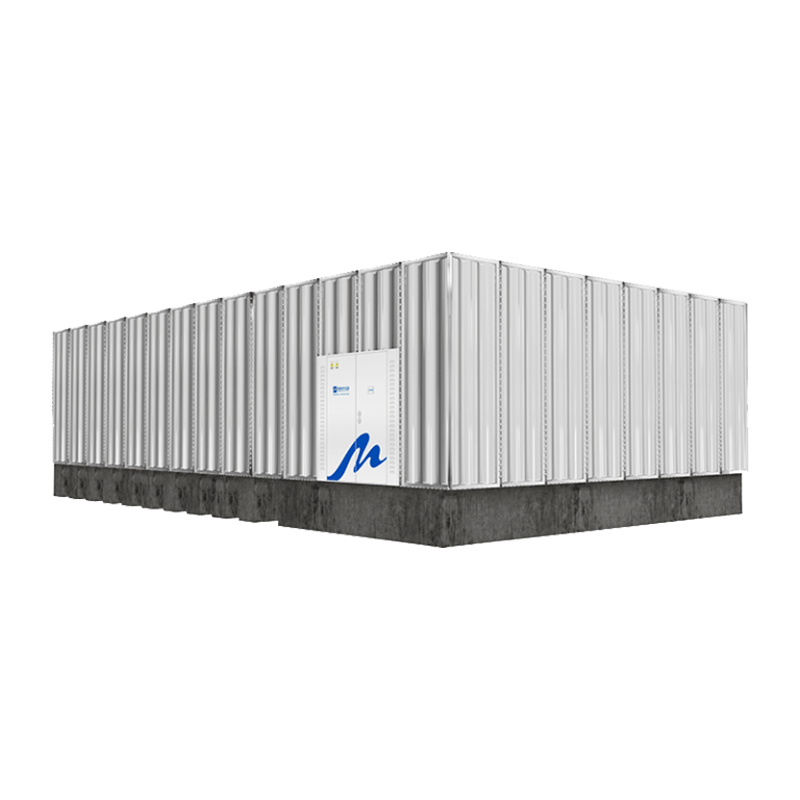
Sectional water tanks, often referred to as modular tanks, are constructed from individual panels bolted together on site. While the concept seems simple, the physics governing a tank holding five million liters of water is vastly different from a small residential unit. The hydrostatic pressure exerted on the lower panels of a high-capacity tank is immense.
Precision engineering in this context refers to the exact calculation of stress distribution, the metallurgical consistency of the panels, and the chemical stability of the sealing agents. In modern manufacturing, we utilize Finite Element Analysis to simulate how a tank reacts to both internal water pressure and external environmental loads such as wind and seismic activity.
When designing a high-capacity sectional tank, the primary concern is preventing structural failure. This failure can manifest as panel bulging, bolt shearing, or foundation settlement.
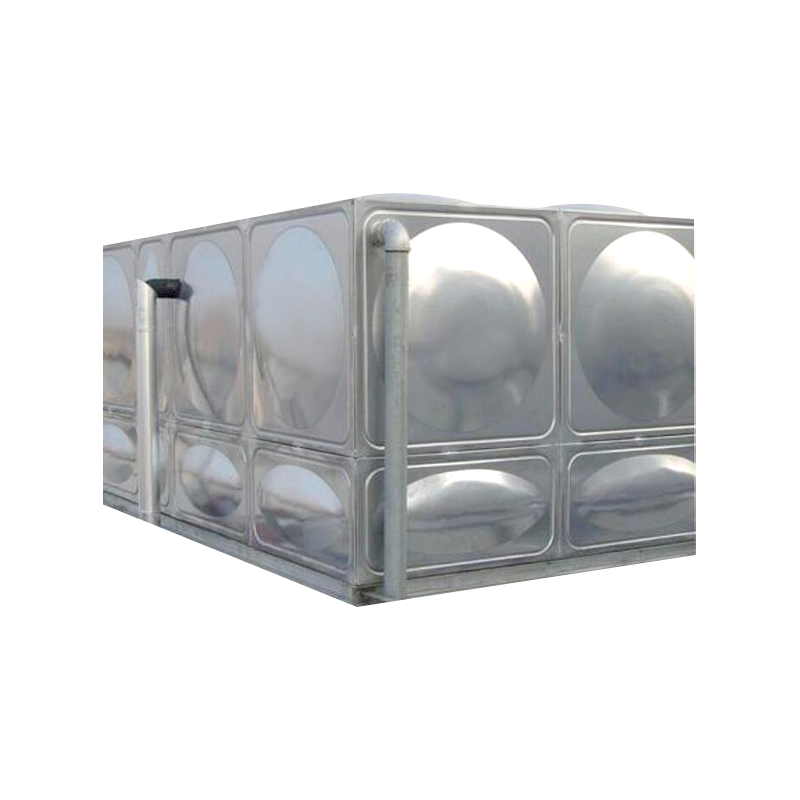
The panels are the skin and skeleton of the tank. In high-capacity systems, standard flat panels are rarely sufficient. Instead, manufacturers use pressed or embossed panels. The cold pressing process creates a convex or pyramidal profile that significantly increases the stiffness of the panel without adding excessive weight.
For tanks exceeding a certain height, internal or external reinforcement systems are mandatory. Internal tie rods, typically made of high-grade stainless steel or hot-dipped galvanized steel, connect opposite sides of the tank to counteract the outward pressure of the water.
| Feature | Internal Tie Rod System | External Structural Shoring |
|---|---|---|
| Space Efficiency | Occupies internal volume | Requires more external clearance |
| Maintenance | Requires draining for inspection | Accessible while the tank is full |
| Structural Rigidity | Excellent for high pressure | Best for seismic zones |
| Cost Effectiveness | High | Moderate to High |
A tank that is structurally sound but leaks is a failure. In sectional tanks, the joints between panels are the most vulnerable points. Achieving zero leakage requires a multi-layered approach involving precision bolt tensioning and advanced gasket technology.
The gasket is the silent hero of a sectional tank. For high-capacity applications, the material must withstand constant compression while resisting degradation from water treatment chemicals or UV exposure. Ethylene Propylene Diene Monomer and Butyl rubber are the industry standards due to their elasticity and longevity.
Precision engineering ensures that the gasket thickness is perfectly matched to the bolt torque specifications. If the bolts are too loose, the seal fails; if they are too tight, the gasket may undergo permanent deformation, leading to leaks over time.
Bolted joints in sectional tanks are not just fasteners; they are integral to the load path. High tensile bolts are used to ensure that the clamping force remains constant even as the tank expands and contracts with temperature changes.
The sequence in which bolts are tightened is critical. Engineering protocols dictate a star pattern or a multi-stage tightening process to ensure that pressure is applied evenly across the flange, preventing the gasket from pinching or shifting.
Understanding the forces at play is essential for any engineer involved in modular tank construction. Hydrostatic pressure increases linearly with depth. This means the bottom row of panels and the floor joint experience the highest stress.
The pressure at any given depth is calculated based on the density of the fluid and the height of the water column. For high-capacity tanks, this pressure can reach levels that require the base panels to be significantly thicker than the top panels. This graduated thickness approach optimizes material usage while ensuring a high safety factor at the base.
Ahigh-capacityy tank acts as a massive concentrated weight. During a seismic event, the sloshing of water inside the tank creates dynamic forces that can easily buckle a poorly engineered structure. Precision engineering involves the inclusion of baffles or specific anchoring systems that tie the tank directly into a reinforced concrete foundation.
The choice of material directly impacts the structural integrity. While GRP (Glass Reinforced Plastic) is excellent for corrosion resistance, Hot Dipped Galvanized (HDG) steel is often preferred for massive industrial tanks due to its superior tensile strength and impact resistance.
| Performance Metric | Hot Dipped Galvanized Steel | GRP Modular Panels | Stainless Steel 316 |
|---|---|---|---|
| Tensile Strength | Very High | Moderate | High |
| Corrosion Resistance | High (with Zinc coating) | Excellent | Superior |
| Impact Resistance | Excellent | Brittle | High |
| Expansion Coefficient | Low | Moderate | Low |
Precision begins in the factory, long before the first bolt is turned at the site. Modern manufacturing facilities use automated punching and pressing machines to ensure that every bolt hole aligns perfectly. Even a discrepancy of one millimeter in hole alignment can create localized stress concentrations that lead to structural cracks or persistent leaks.
For HDG tanks, the thickness of the zinc coating is monitored using electromagnetic gauges to ensure it meets ISO standards. For the panels themselves, ultrasonic testing can be used to detect any internal flaws in the steel before it is pressed into shape.
A high-capacity sectional tank is only as stable as the ground beneath it. When dealing with water volumes that can weigh thousands of metric tons, the foundation becomes a critical component of the structural system. Precision engineering must extend from the steel panels down into the concrete and soil.
Before a high-capacity tank is installed, a thorough geotechnical survey is mandatory. Engineers must determine the bearing capacity of the soil to prevent uneven settlement. Even a minor tilt in a sectional tank can lead to massive stress redistribution, causing the panels at the lowest point to bear more than their designed load, which inevitably leads to structural failure or joint separation.
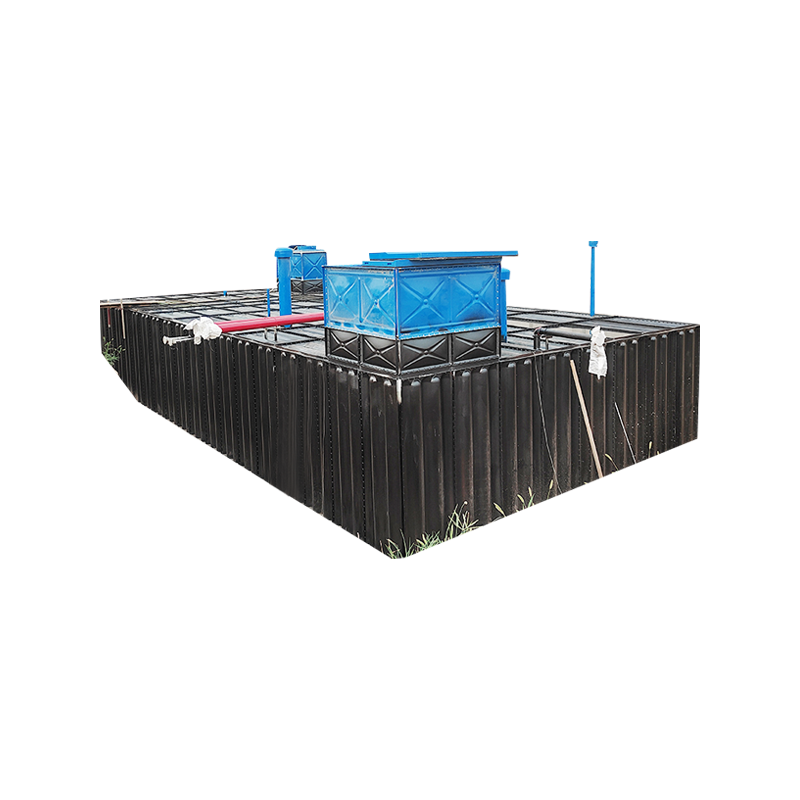
For modular tanks, there are two primary foundation types: the flat raft foundation and the raised beam foundation. A flat raft foundation provides uniform support across the entire base of the tank, which is ideal for reducing localized stress on the bottom panels. Raised beams, on the other hand, allow for easier inspection of the tank floor for leaks but require more complex structural calculations to ensure the beams can support the concentrated loads of the tank walls.
| Foundation Type | Best For | Structural Advantage | Inspection Ease |
|---|---|---|---|
| Reinforced Raft | Unstable Soil Conditions | Even Load Distribution | Difficult |
| Concrete Dwarf Walls | Smaller Footprints | Air Circulation Under Tank | Excellent |
| Raised Steel Platform | Mobile or Temporary Sites | Speed of Assembly | Superior |
While gaskets provide the primary seal, high-capacity engineering often utilizes secondary sealing compounds to ensure long-term leak-proof performance. These hybrid systems are designed to fill the microscopic gaps that can occur at the corners where three panels meet, often referred to as the T joint.
The T joint is historically the most common point of failure in sectional tanks. Precision engineering addresses this by using specialized corner molding pieces and high modulus sealants. These sealants remain flexible over a wide temperature range, ensuring that as the tank expands when full and contracts when empty, the seal remains intact.
In industrial environments, the water stored may contain chlorine, ozone, or other treatment chemicals. The sealing materials must be chemically inert. Modern engineering utilizes advanced polymers that do not leach chemicals into the water and do not harden or crack when exposed to the high pH levels often found in industrial water cycles.
To illustrate these engineering principles in action, we can look at a recent installation in a high-temperature, arid region. The challenge was to store two million gallons of water where ambient temperatures fluctuate between 10 degrees Celsius at night and 50 degrees Celsius during the day.
The primary engineering hurdle was thermal expansion. Metal expands when heated, and in a tank of this size, the cumulative expansion can be significant. The solution involved using a sliding joint design for the external reinforcements and a specific bolt torque profile that allowed for movement without compromising the seal.
After two years of operation, the tank was inspected using thermal imaging and ultrasonic sensors. The results showed zero structural fatigue and no detectable moisture at the joints. This success was attributed to the precision of the initial panel pressing and the rigorous adherence to the torque sequencing protocol during construction.
A well-engineered tank should have a service life exceeding 50 years. Achieving this longevity requires a shift from reactive maintenance to a proactive, data-driven approach.
For high-capacity tanks, annual inspections are recommended. These should focus on the integrity of the external coating and the tension of the accessible bolts. In HDG tanks, the zinc layer acts as a sacrificial anode, but if it is scratched or damaged, it must be repaired immediately using zinc-rich cold galvanizing compounds to prevent the underlying steel from oxidizing.
| Frequency | Component | Action Required | Goal |
|---|---|---|---|
| Annual | External Bolts | Torque Verification | Prevent Joint Gapping |
| Bi Annual | Internal Tie Rods | Visual Inspection | Check for Corrosion |
| Every 5 Years | Sealing Gaskets | Material Elasticity Test | Ensure Leak Proofing |
| Every 10 Years | Foundation | Leveling Survey | Detect Ground Shifting |
Precision engineering in high-capacity sectional tanks is a multidisciplinary field that combines metallurgy, fluid dynamics, and structural engineering. As we look toward the future, the integration of smart sensors into the tank structure will allow for real-time monitoring of structural health. These sensors will be able to detect a leak or a structural anomaly long before it becomes visible to the human eye.
For manufacturers and project managers, the focus must remain on the quality of every single component. From the geometry of the pressed panel to the chemical composition of the gasket, every detail plays a vital role in ensuring that these massive structures remain safe, reliable, and leak-proof for decades to come.
1. What makes sectional water tanks suitable for high-capacity industrial storage?
Sectional water tanks offer unparalleled flexibility and strength. Their modular design allows for the transport of high-grade steel or GRP panels to remote or restricted locations where a pre-welded tank cannot fit. From an engineering perspective, the ability to use reinforced, pressed panels means these tanks can handle the immense hydrostatic pressure of millions of liters while maintaining a smaller footprint than traditional earth dams or concrete reservoirs.
2. How do you prevent leaks at the joints in a modular tank system?
Leak prevention is achieved through a combination of high-modulus EPDM or Butyl gaskets and precision bolt tensioning. By following a specific torque sequence, the pressure is distributed evenly across the flange, ensuring the gasket fills every microscopic void. For high-capacity tanks, specialized T-joint sealants are used at the intersection of three panels to provide a secondary layer of protection against seepage.
3. Does environmental temperature affect the structural integrity of steel sectional tanks?
Yes, thermal expansion and contraction are significant factors, especially in arid or extreme climates. Precision engineering accounts for this by incorporating expansion-tolerant joints and using materials with stable thermal coefficients. During the design phase, we calculate the potential movement of the steel structure to ensure that the seals remain intact and the bolts do not undergo fatigue stress during temperature fluctuations.
4. Why is the foundation design so critical for high-capacity water storage?
A tank holding two million gallons of water exerts thousands of tons of downward force. If the foundation is not perfectly level or fails to meet the required bearing capacity, the tank may experience uneven settlement. This tilt creates localized stress concentrations that can buckle panels or shear bolts. A reinforced concrete raft foundation is typically the gold standard for ensuring long-term structural stability.
5. How long is the expected service life of a precision-engineered HDG sectional tank?
With proper precision engineering and a rigorous maintenance schedule, a Hot-Dipped Galvanized (HDG) sectional tank can easily exceed a service life of 50 years. The zinc coating provides sacrificial protection against corrosion, and the modular nature of the tank allows for individual panels or components to be replaced if they are mechanically damaged, without needing to replace the entire system.
Related Products

Contact us
Headquater Address
Room 901, Building 17, Lane 1088, Shen Hong Road, Minhang District, Shanghai
Factory Address
No. 1, Mingxing North Road, Tech Innovation Park, Jianhu County, Yancheng, Jiangsu, P. R. China
Amy@mxwatersupply.com
Amy@mxwatersupply.com
Telephone(Whatsapp/Wechat)
+86-18051685983
QR CODE

 English
 Français