Nov 19, 2026
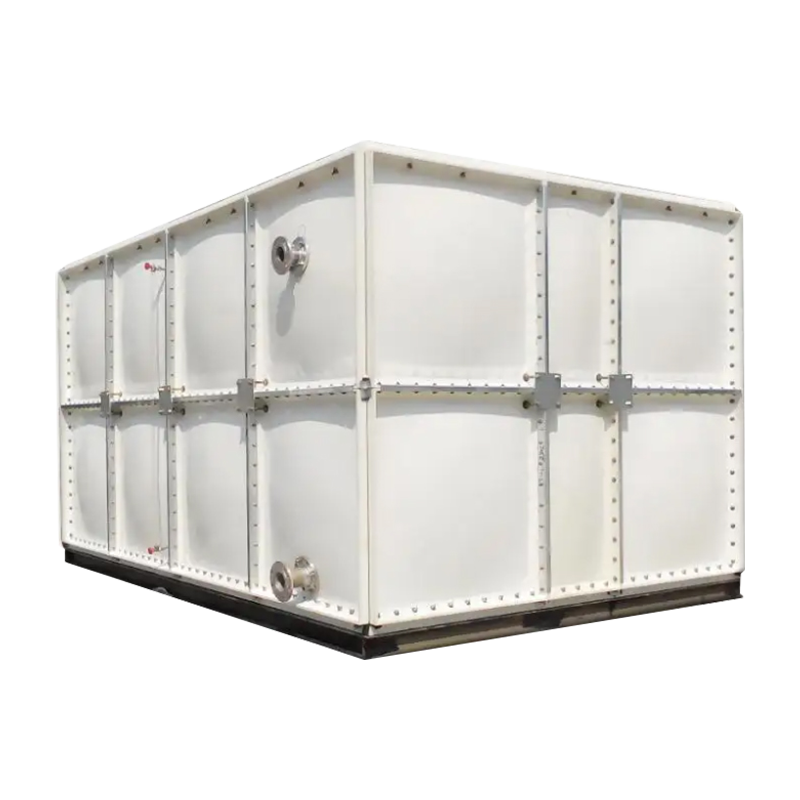
A sectional water tank can fit the plant room on paper while a panel bundle cannot get past the loading bay. A loose panel might clear the doorway, yet a longer support beam may not turn the next corner. Plan sectional water tank shipping around both the packed cargo and the components that must reach the assembly area.
Quick answer: Before approving the order, ask for the largest packed dimensions, the heaviest handling unit and the longest loose component. Mark where the cargo will be unloaded and unpacked, check what must pass each restriction, and agree in writing who handles each stage.
Content
Ask the supplier for an itemized packing schedule instead of relying on the finished tank dimensions or the total shipment weight. The longest package, the widest package and the heaviest handling unit may be different items.
| What to request | What to check it against |
|---|---|
| Overall length, width and height of each packed unit | Container or truck openings and the route to the agreed unpacking point. Include pallets, crates and any projections in the dimensions. |
| Gross weight per packed unit and total gross cargo weight | Transport limits and the site team's handling assessment. Total cargo weight alone does not tell the site team what its heaviest lift will be. |
| Dimensions and weights of the largest or heaviest loose components | The route beyond the unpacking point. Check panels and any long supports, frame members or accessories included in the order. |
Identify which dimensions and weights are estimates at quotation. Ask for the final packing schedule before dispatch. If a packed size or weight changes, check it again against the route and handling plan.
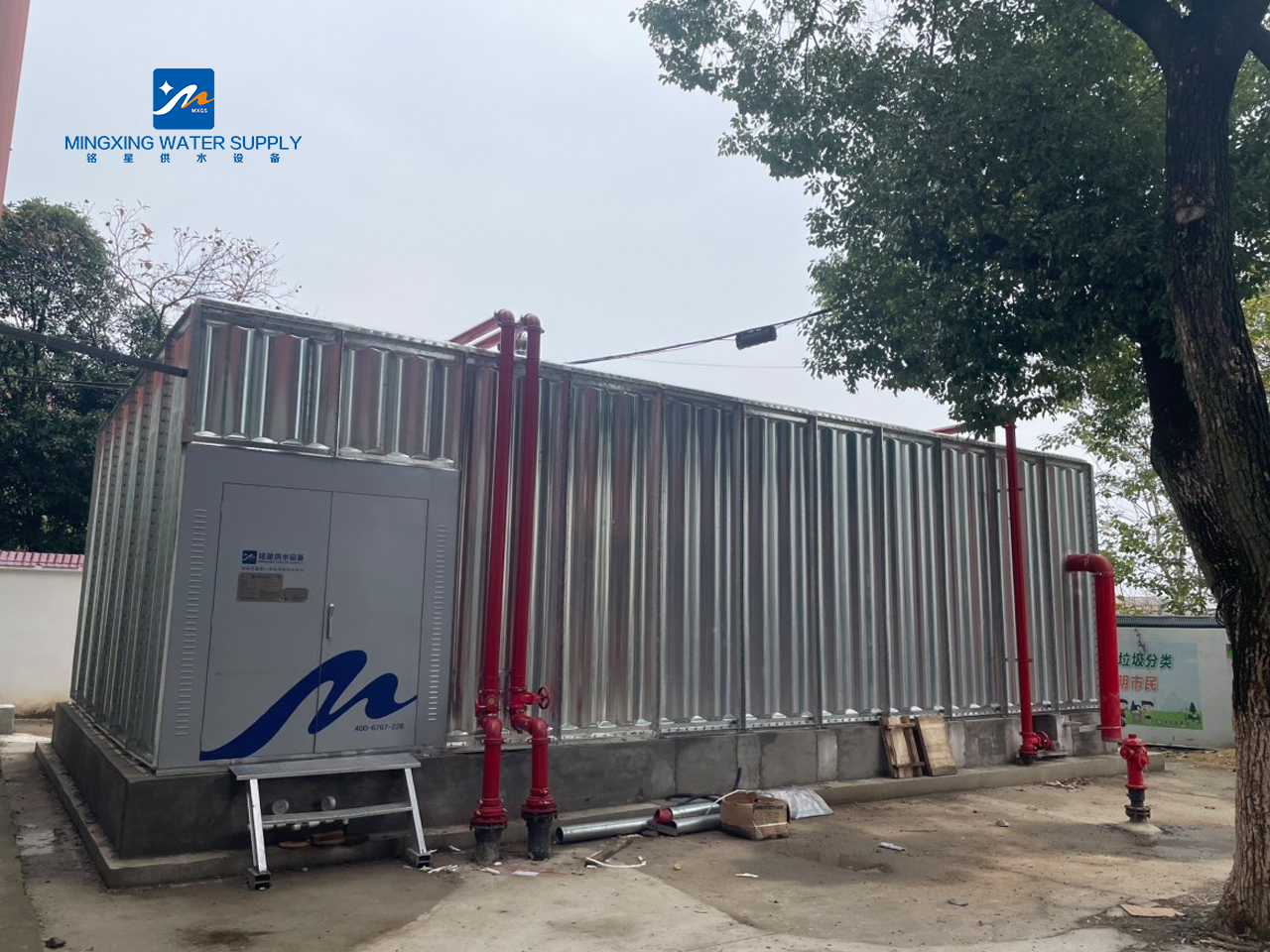
Check the container first. Ask the forwarder to confirm the door opening, internal dimensions, payload and loading arrangement for the proposed equipment. Compare those dimensions with the packed units in their planned loading orientation. A package that fits inside the container may still be too wide or too tall to pass through its door.
Walk the site route next. Start where the truck will stop. Mark the unloading and unpacking points, then measure clear openings, tight turns and overhead obstructions along the route to the tank base. Account for door frames, pipes and other permanent obstructions. Ask the site team to confirm that any goods lift can accommodate the load and the handling equipment.
Illustrative example: A bundle that is 1,200 mm wide in its planned handling orientation will not pass straight through a doorway with 1,100 mm of clear width. Unpacking before the doorway may be an option, but only if there is a suitable unpacking area and each loose component can clear the rest of the route, including turns.
Have the responsible logistics and site teams confirm safe unloading, handling and staging arrangements. The IMO/ILO/UNECE CTU Code offers non-mandatory guidance on packing and handling cargo transport units. The UK HSE loading-area guidance is a reference for unloading space and vehicle movements. Neither replaces the carrier's conditions, local requirements or a site-specific handling plan.
Do not treat “delivery to site” or “installation support” as a complete scope. Name the delivery point and state who unloads the shipment, moves components to the tank base, provides equipment and labour, and carries out assembly and testing. If installation support is quoted, specify whether it means documentation, remote guidance, site supervision or installation work.
Wording to copy into a request for quotation (RFQ):
Please provide estimated package dimensions and gross weights with your offer. Identify the largest packages, heaviest handling unit and longest loose component. State the named delivery point and who is responsible for unloading, on-site movement, assembly and testing. Provide the final packing schedule before dispatch and flag any change that affects the agreed access route.
Review these items alongside the tank drawings. The MXTank water tank submittal checklist covers the drawing and interface checks to agree before fabrication.
No. Container fit depends on the package dimensions, loading arrangement and applicable weight limits, not the finished tank's storage capacity. Confirm the packing schedule and proposed equipment with the forwarder.
Only if the bundle is the restriction. Splitting a bundle will not shorten a one-piece frame member. Send a marked-up route to the supplier and ask what packing or component changes are feasible before fabrication.
Planning a project with an assembly-bolted sectional water tank? Send MingXing your project details, including the destination, required tank capacity, route sketch and intended unloading point, so packing and delivery scope can be discussed alongside the tank configuration.
Related Products

Contact us
Headquater Address
Room 901, Building 17, Lane 1088, Shen Hong Road, Minhang District, Shanghai
Factory Address
No. 1, Mingxing North Road, Tech Innovation Park, Jianhu County, Yancheng, Jiangsu, P. R. China
Amy@mxwatersupply.com
Amy@mxwatersupply.com
Telephone(Whatsapp/Wechat)
+86-18051685983
QR CODE

 English
 Français