Nov 10, 2026
A water tank quotation can look complete while key interfaces are still unresolved. Before fabrication, project teams should review the tank drawings, connection schedule, material scope, support information and document responsibilities against the project specification.
This water tank submittal checklist is for contractors, consultants, distributors and owners coordinating sectional tank packages. It helps identify review questions; it does not replace project engineering or local authority approval.
Quick answer: Before releasing a water tank for fabrication, confirm that the project-specific drawings match the approved capacity, dimensions, connections, material requirements, support interfaces and supply scope. Record comments and revisions, and follow the approval hold points in the contract and applicable project requirements.
Content
A product catalogue helps a buyer understand a tank range; it is not the same as a project-specific shop drawing or approved submittal. Start by identifying the governing project specification, tank application, destination jurisdiction, review parties and required submittal stages.
Tank standards and authority requirements depend on the tank construction, service and location. For example, the AWWA standards catalogue lists separate documents for welded carbon-steel tanks, factory-coated bolted carbon-steel tanks and fiberglass-reinforced plastic tanks. That is a reminder to identify the standard named by the project—not to assume one standard applies to every tank.
For finished drinking-water storage in Minnesota, the state health department’s storage-tank plan-review page (marked “Last Updated: 10/03/2022”) lists items such as tank capacity, site and tank drawings, coating identification, construction procedures and disinfection information. Treat it as a location-specific illustration—not current universal guidance—and confirm the applicable requirements with the responsible authority for your project.
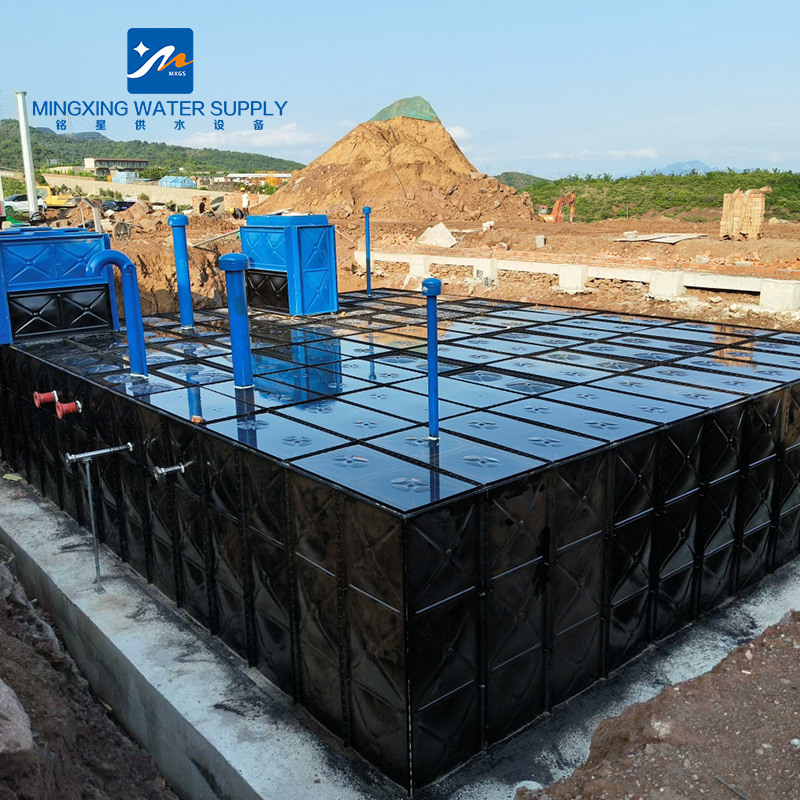
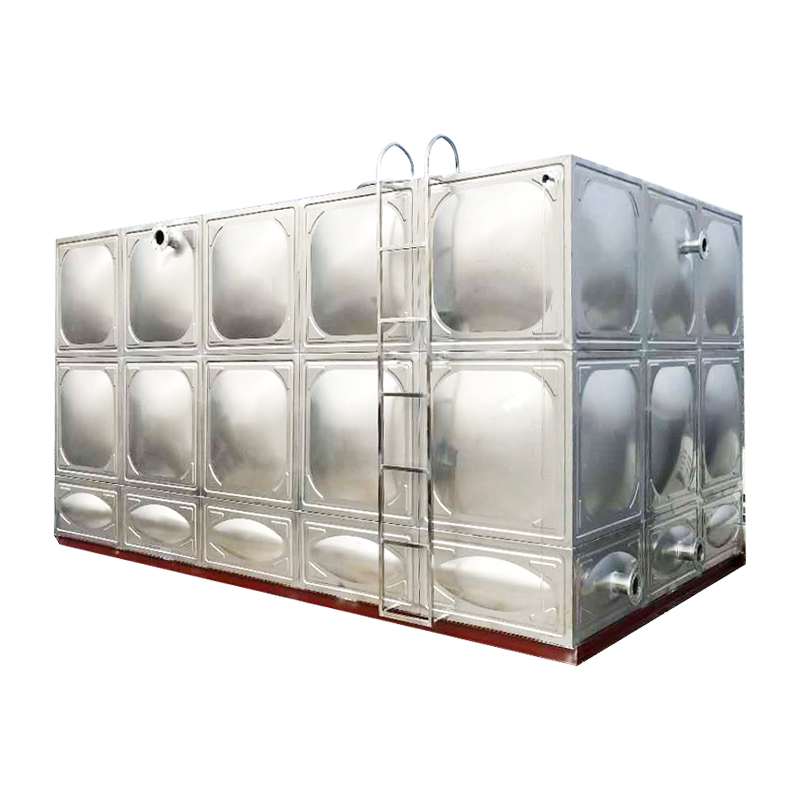
Review the general arrangement (GA) drawing against the coordinated building or site layout. Check that the tank dimensions, orientation, access space and connection positions agree with the latest project information.
Do not approve a nozzle schedule based only on nominal pipe sizes. Confirm the mating flange or connection detail, the required orientation and which party supplies adjoining pipework, valves and fittings. Mark assumptions for confirmation rather than letting them become silent manufacturing instructions.
Ask for the tank support arrangement and the project-specific load or reaction information needed by the responsible structural engineer. The submittal should make clear which loads, support points and anchoring details the supplier has designed and which supporting works are by others.
Confirm the foundation or supporting structure, anchor interface, finished levels and drainage arrangement against the approved project drawings. Wind, seismic, snow, temperature, roof access and other design cases vary by location and application; do not copy values from another tank or use a generic article as a structural design basis.
Compare the proposed material schedule with the project specification and water service. Identify the tank panel or shell material, finish or coating, internal liner if applicable, seals, gaskets and other wetted components that are within the supplier's scope.
Where potable-water approval or certification is specified, request evidence for the actual product or material and confirm the certificate's scope, conditions and market applicability. A material grade alone does not establish that the complete tank assembly meets every drinking-water requirement.
Ask the supplier to identify deviations or substitutions clearly. If the water chemistry, temperature, cleaning chemicals or site environment may affect material selection, have the project designer and supplier resolve suitability before the submittal is approved.
Use the contract and project specification to define what quality records and inspections are required. The submittal register may call for some of the following, depending on tank type and scope:
Agree the method and acceptance criteria before testing. Do not assume that every tank uses the same test pressure, fill stages, inspection method or acceptance limit; these must come from the approved design, contract and applicable standards.
Before procurement is complete, establish which installation documents and services are included. Depending on the selected package, the project may need handling and storage guidance, assembly instructions, connection details, commissioning steps, cleaning or disinfection instructions, operation and maintenance information, and a final as-built record.
Do not treat these items as automatic inclusions. Put the requested documents, language, format, review timing and responsible party in the purchase scope. Agree who provides site assembly, supervision, testing, training and final acceptance.
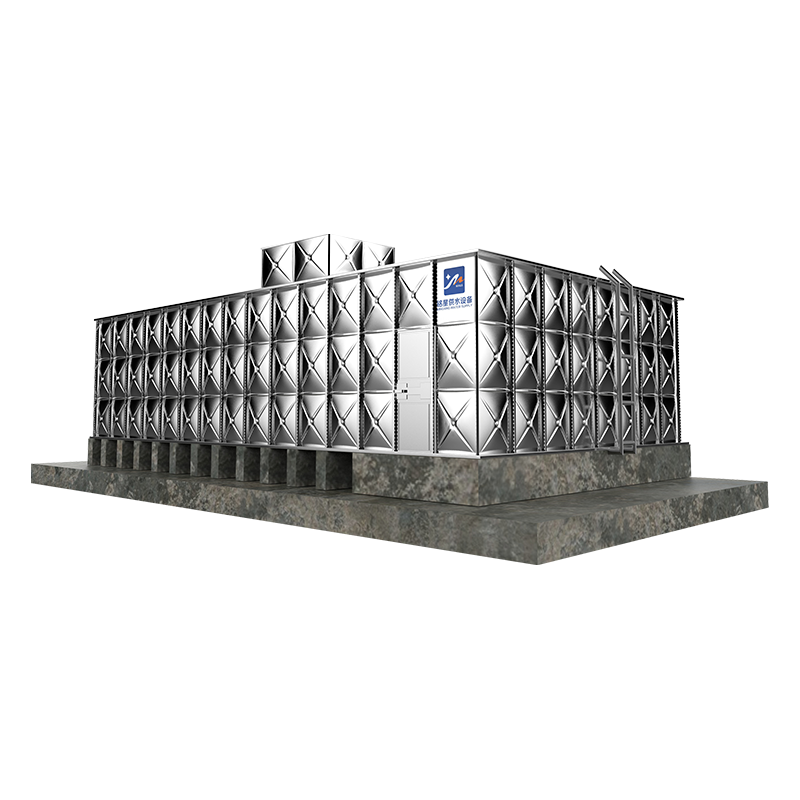
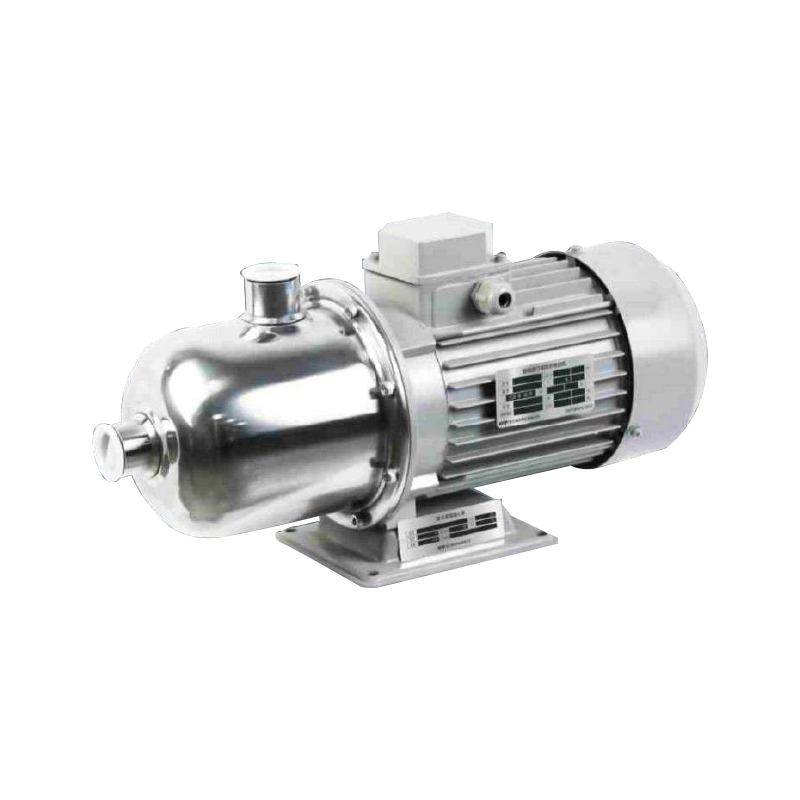
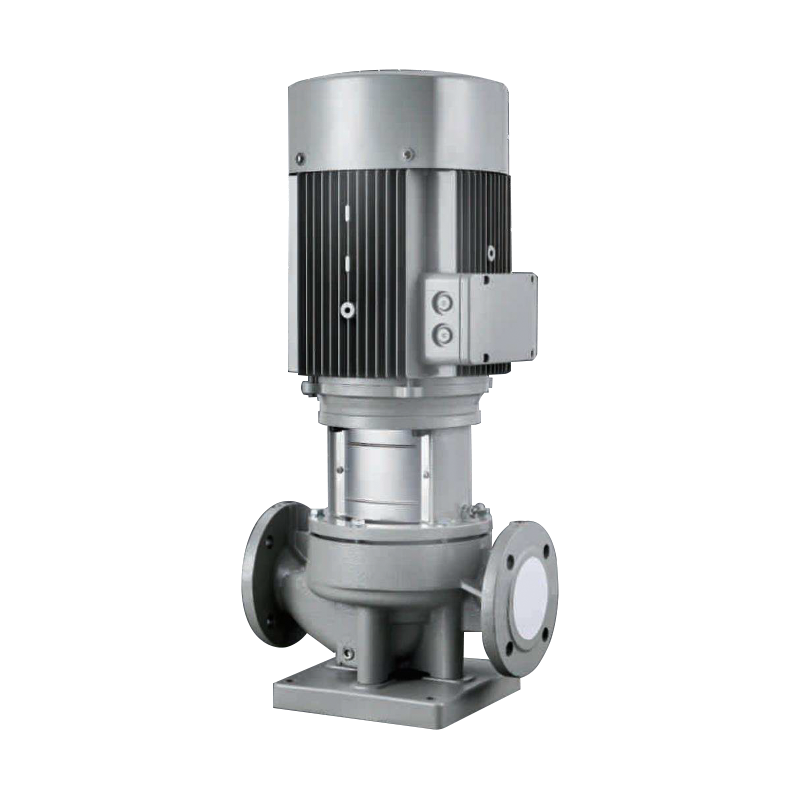
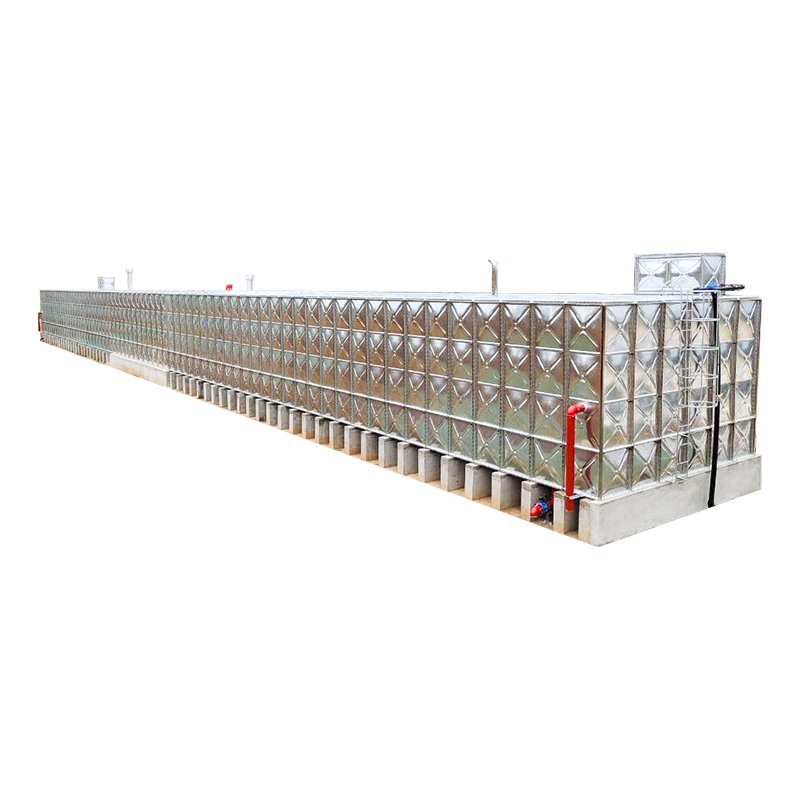
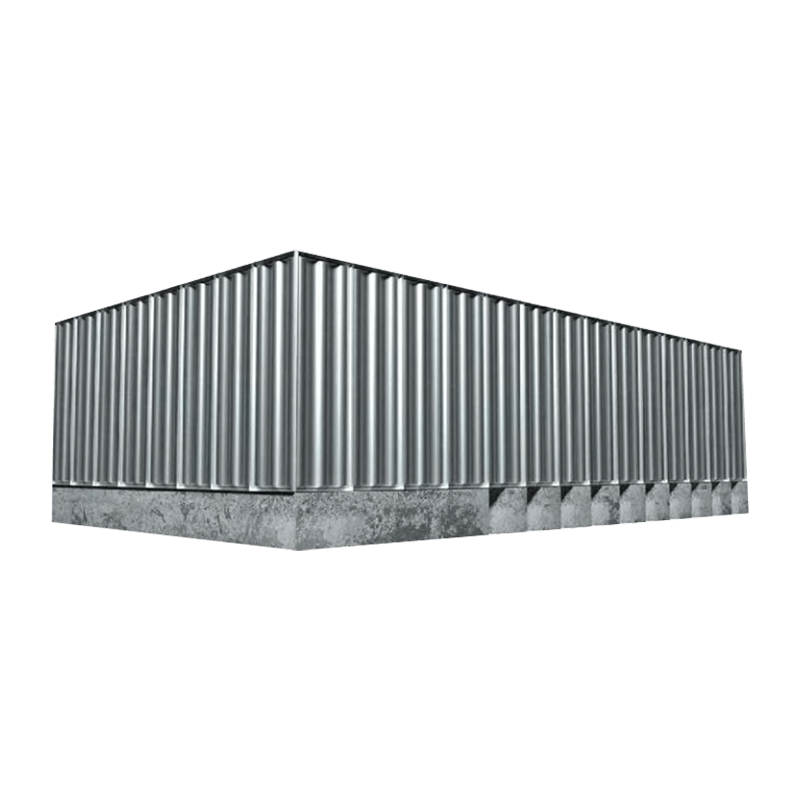
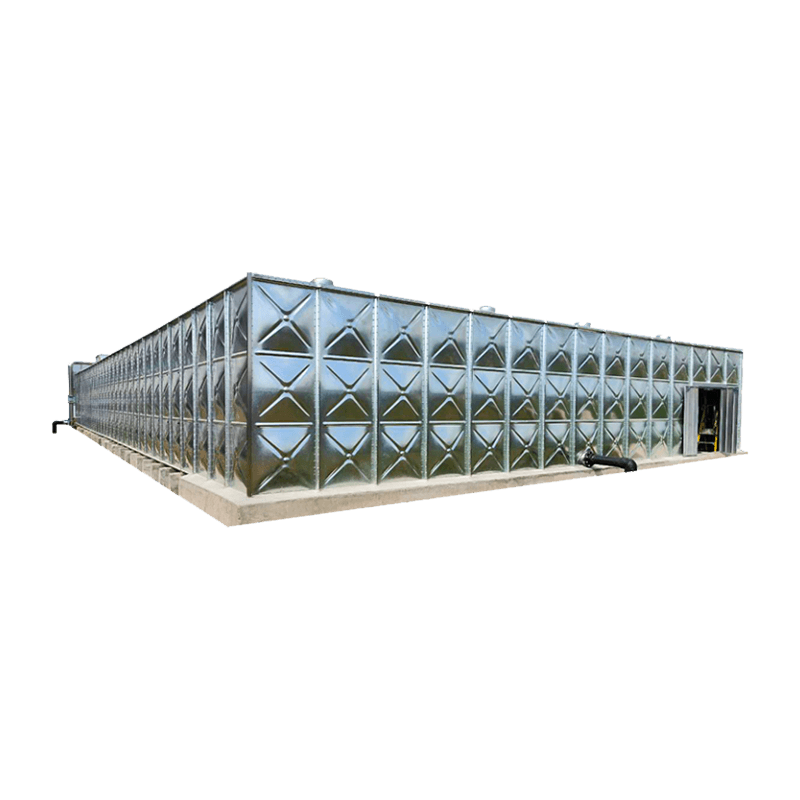
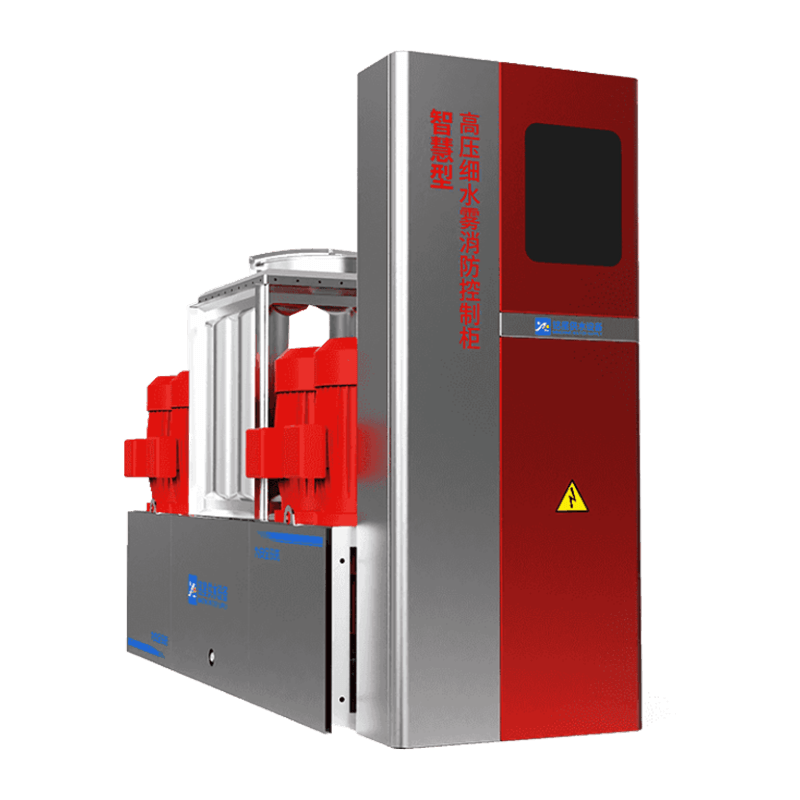
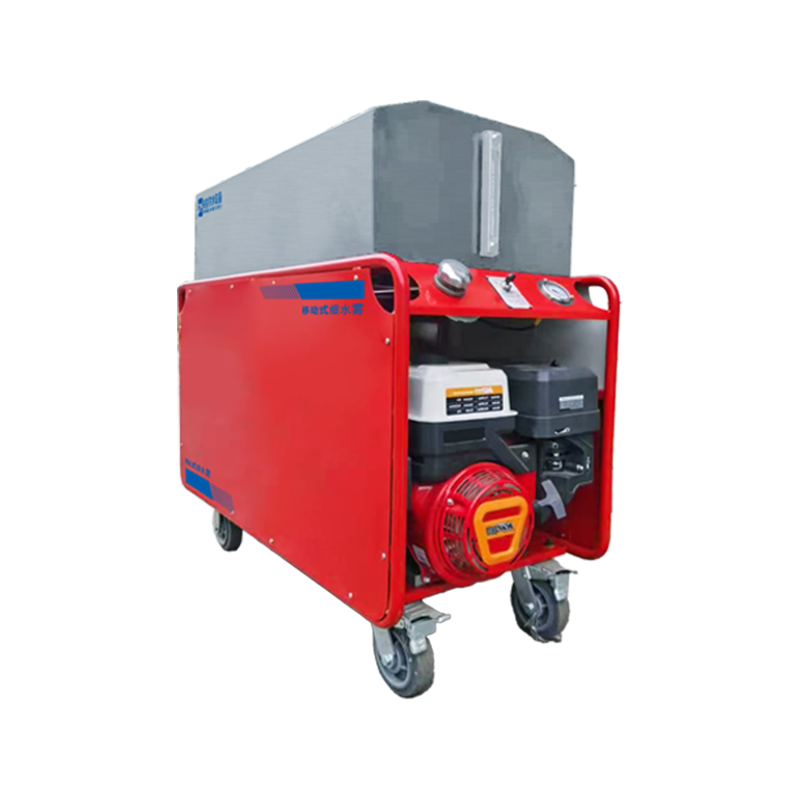
MingXing's technical downloads page lists product catalogues for sectional water tanks and pump systems. Use a catalogue for preliminary product familiarisation; it does not replace project-specific drawings. See the sectional water tank range, then request and review the documents applicable to the actual project.
Manage the submittal as a revision-controlled review, not as a single email attachment. Keep a register with the document number, revision, submission date, reviewer, comment status and next action.
| Review item | Close-out question |
|---|---|
| Design basis | Are application, capacity, operating conditions and governing requirements identified? |
| Layout and access | Do dimensions, orientation, access route and maintenance clearances match coordinated drawings? |
| Connections | Are sizes, types, directions, elevations and scope boundaries agreed? |
| Support interface | Has the responsible engineer received the support and load information required for review? |
| Materials | Do the material schedule and any specified water-contact evidence match the project requirements? |
| Quality and tests | Are applicable inspections, test methods, criteria and records agreed? |
| Revision status | Are comments resolved and is the required approval or release status recorded? |
Release fabrication only through the approval process defined by the contract and project. If a later revision changes a connection, support, material or dimension, circulate it to the affected reviewers and record the decision before proceeding.
For a project-specific review, send MingXing the tank application, project specification, coordinated layout and connection schedule through the contact page. Mark preliminary information as unconfirmed so it is not mistaken for an approved design input.
No. A catalogue is useful for reviewing a product range, but it usually does not confirm a specific project's dimensions, connections, support interfaces or approved scope. Review project-specific drawings before the applicable fabrication release point.
No single standard should be assumed to govern every tank worldwide. Check the project specification and local authority requirements; use an AWWA standard when it is applicable and explicitly required by the project.
Only where required by the project specification or applicable authority. When certification is required, verify that the evidence covers the actual water-contact product or material and the intended market and use.
Related Products

Contact us
Headquater Address
Room 901, Building 17, Lane 1088, Shen Hong Road, Minhang District, Shanghai
Factory Address
No. 1, Mingxing North Road, Tech Innovation Park, Jianhu County, Yancheng, Jiangsu, P. R. China
Amy@mxwatersupply.com
Amy@mxwatersupply.com
Telephone(Whatsapp/Wechat)
+86-18051685983
QR CODE

 English
 Français