Apr 17, 2026
Content
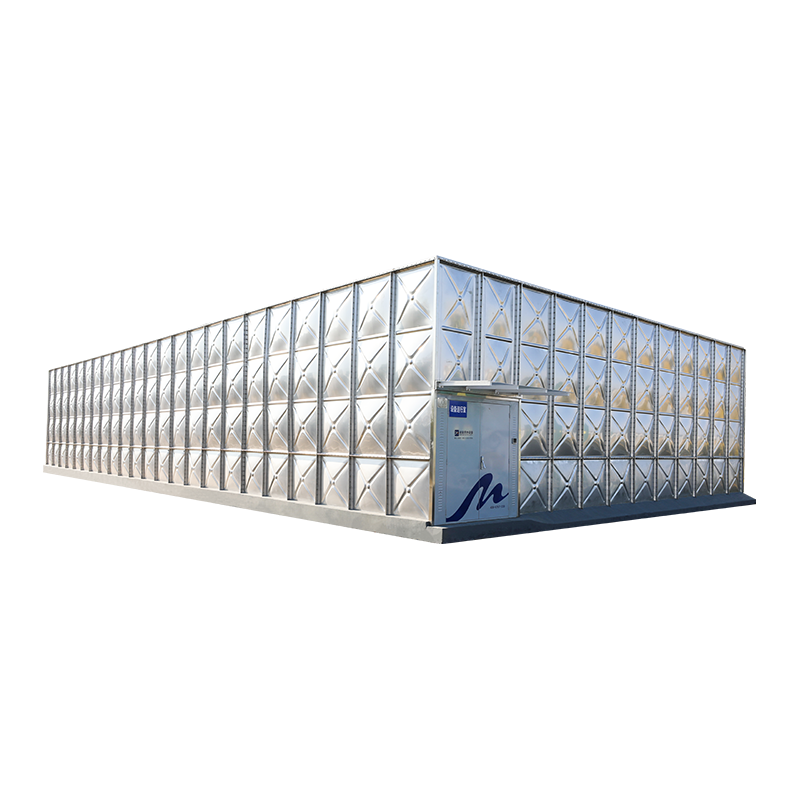
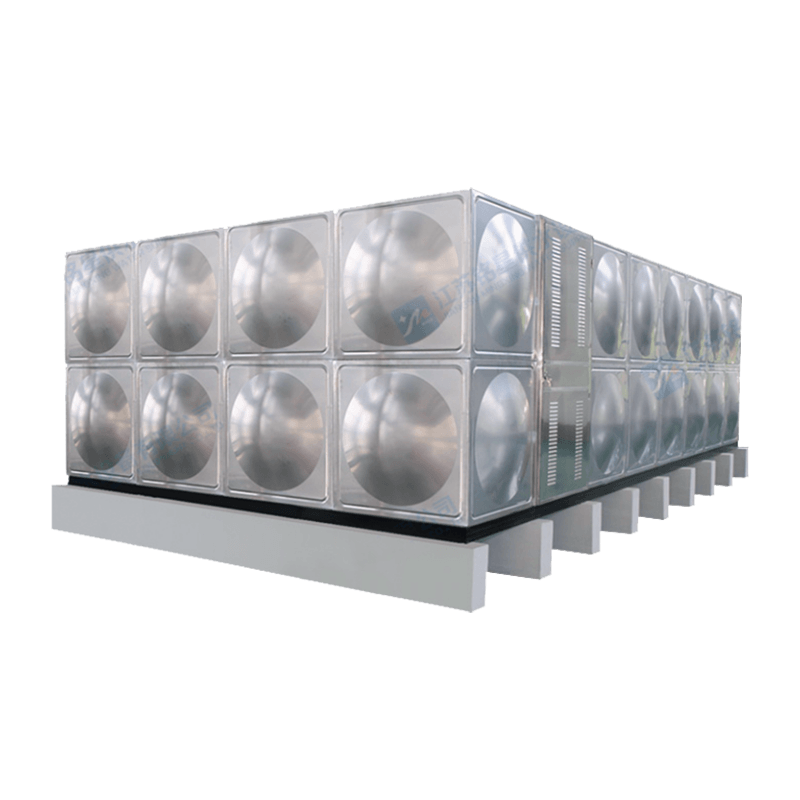
For residential water storage, stainless steel — specifically Grade 304 or Grade 316 stainless steel — consistently outperforms plastic and galvanized alternatives over a 20–30 year service life. The core advantage is not just corrosion resistance; it is the material's non-reactivity with stored water. Plastic tanks can leach BPA or phthalates at elevated temperatures, while galvanized steel introduces zinc and rust particulates over time. Stainless steel tanks maintain water purity without chemical treatment.
For homes, the most practical configurations are rooftop overhead tanks (typically 500 L to 5,000 L) and underground or basement cisterns (up to 20,000 L). Rooftop units benefit from gravity-fed pressure without pump energy costs, while underground cisterns serve as high-volume reserves for households in water-scarce regions or areas with unreliable municipal supply.
Key specification checkpoints when buying a stainless steel home water tank:
Installation costs for a 2,000 L rooftop stainless steel tank typically range from $800 to $2,500 depending on structural reinforcement requirements, fittings, and regional labor rates. Lifecycle cost analysis over 25 years generally favors stainless steel by 30–45% compared to replacing two or three plastic tanks over the same period.
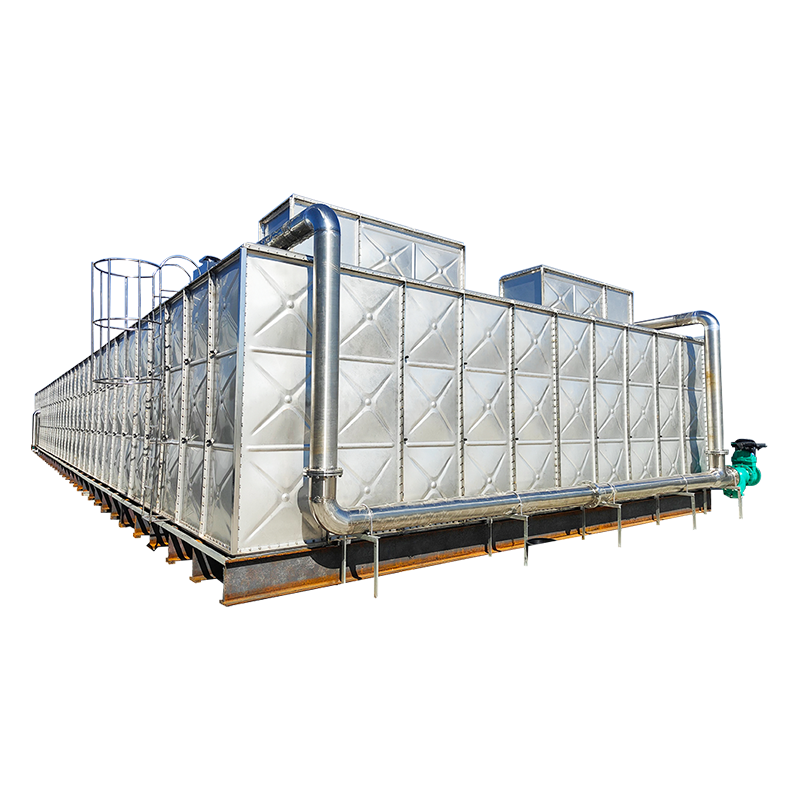
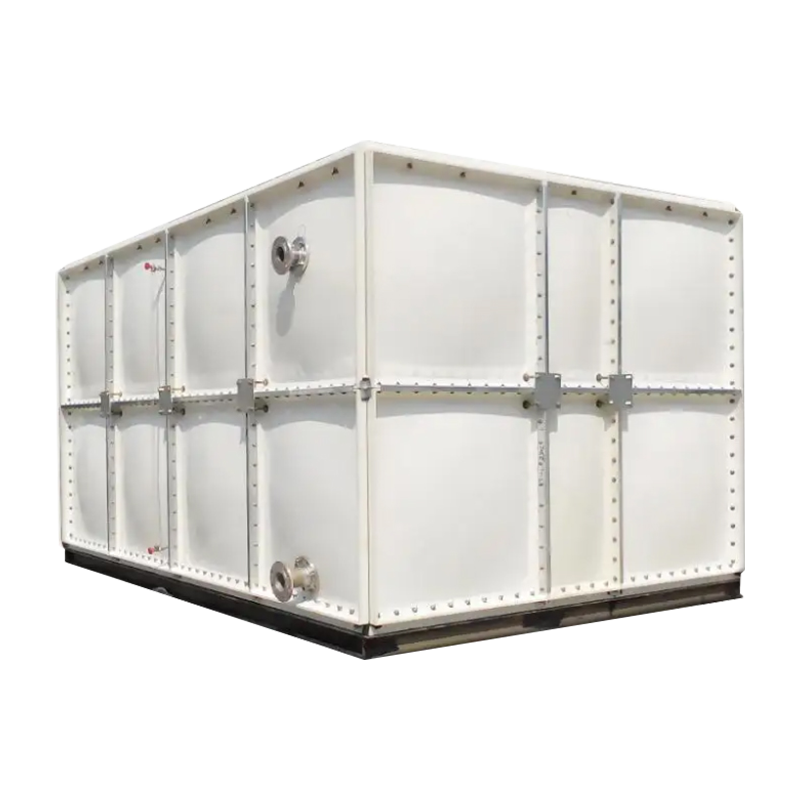
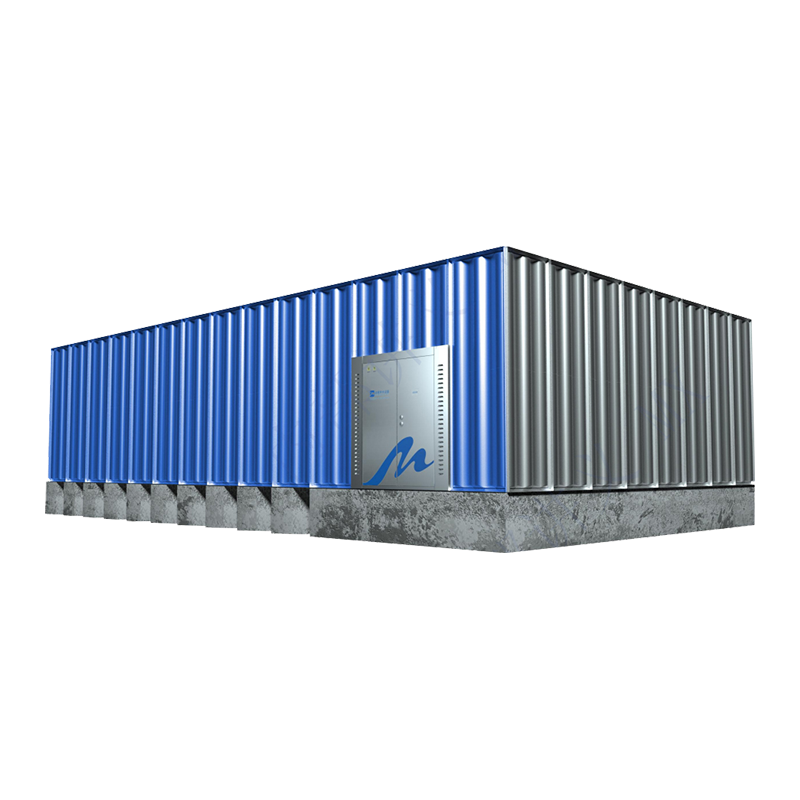
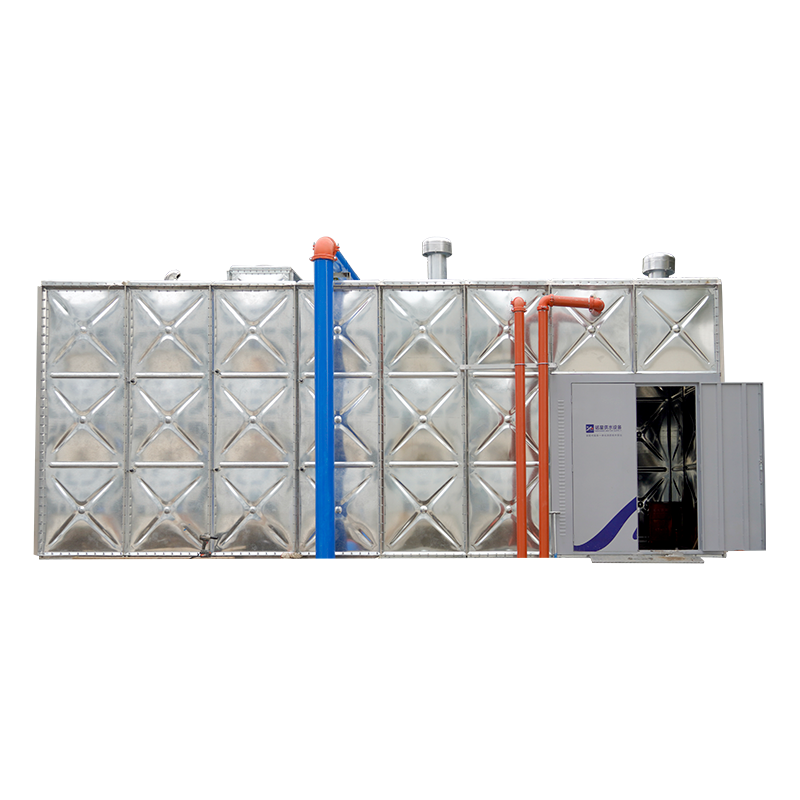
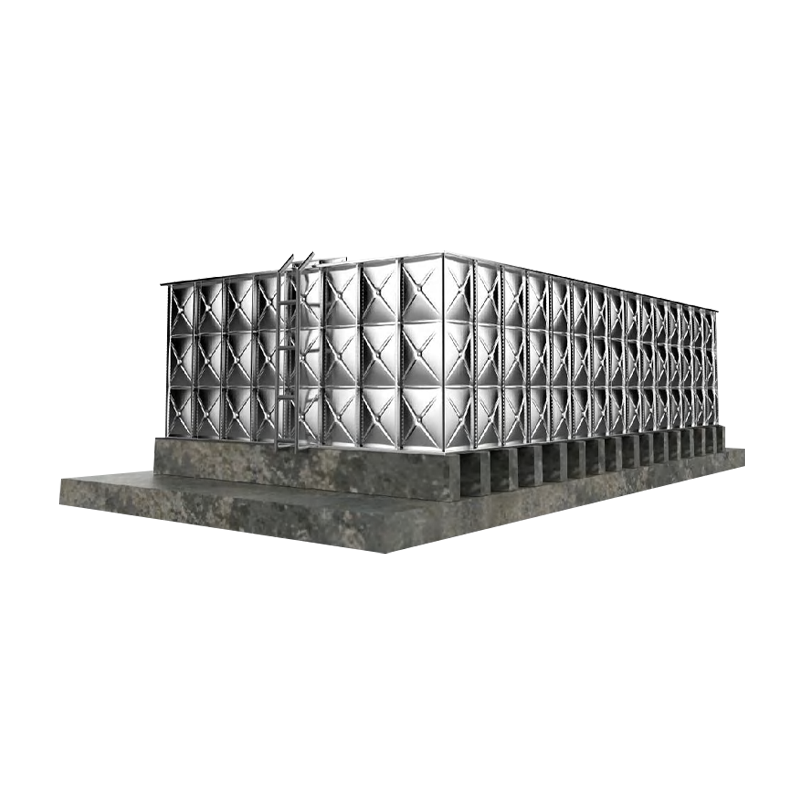
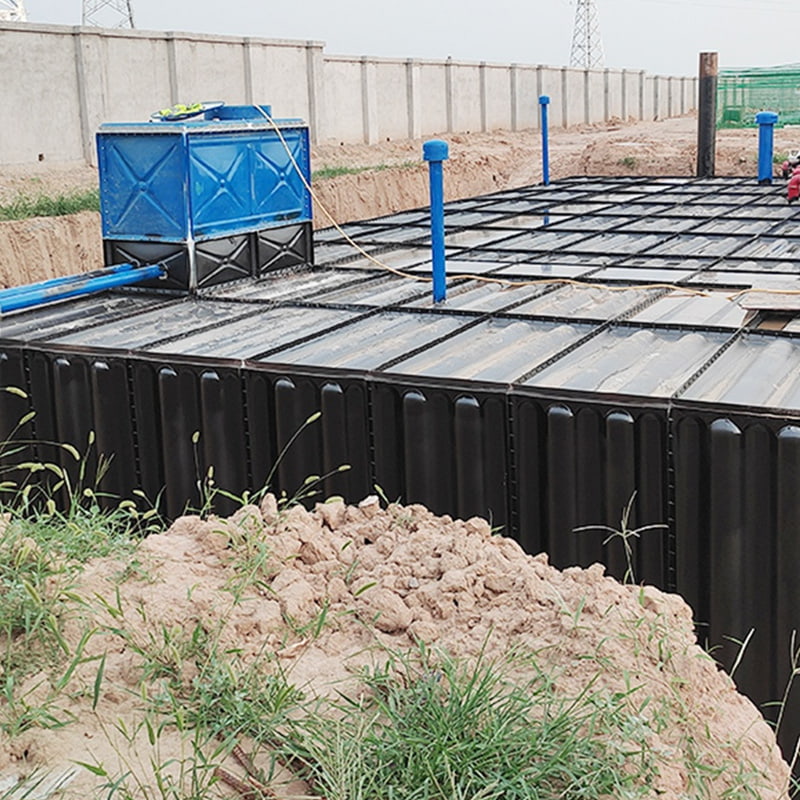
A modular water tank system is built from individual panel units — most commonly bolted GRP (glass-reinforced plastic), SMC (sheet moulding compound), or stainless steel panels — that are assembled on-site. The defining advantage is that the tank is not manufactured to a fixed size in a factory; it is configured to the exact capacity and footprint required, and can be expanded later by adding panels.
This makes modular systems particularly well-suited to:
Standard SMC/GRP modular panels are typically 0.5 m × 0.5 m or 1 m × 1 m, with tanks assemblable from as small as 1,000 L up to several million liters by combining multiple compartments. Internal liners (food-grade EPDM or HDPE) are used to ensure watertightness at the bolted panel joints.
| Panel Material | Typical Capacity Range | Key Advantage | Limitation |
|---|---|---|---|
| SMC / GRP | 1,000 L – 5,000,000 L | Lightweight, UV-resistant, low cost | Joint maintenance over time |
| Stainless Steel | 2,000 L – 2,000,000 L | Hygienic, long service life | Higher unit cost |
| Galvanized Steel | 5,000 L – 500,000 L | Cost-effective for non-potable use | Corrosion risk for drinking water |
For drinking water applications, stainless steel modular panels with EPDM gaskets are the preferred specification. For irrigation, fire reserve, and industrial process water, SMC/GRP panels offer a cost-effective and NSF-61 compliant alternative.
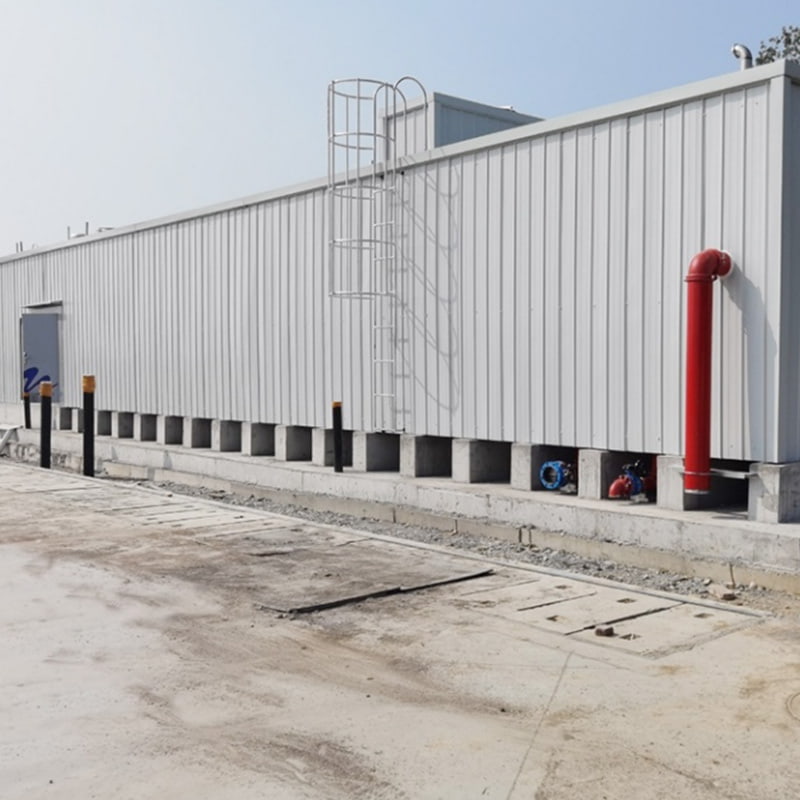
Fire fighting water tanks are not interchangeable with standard storage tanks. They must meet specific regulatory standards — including NFPA 22 (USA), BS EN 12845 (Europe), and AS 2304 (Australia) — governing minimum capacity, structural integrity, outlet configuration, and maintenance access. Non-compliance can void insurance coverage and trigger significant liability in the event of a fire incident.
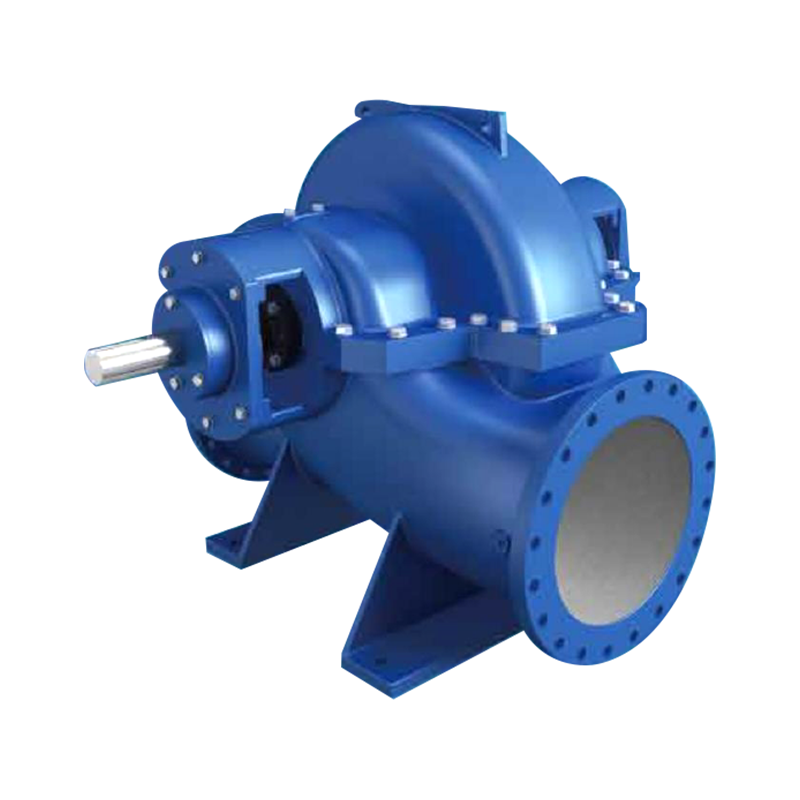
Minimum capacity requirements are determined by the suppression system they serve. A standard wet pipe sprinkler system protecting a commercial building may require a dedicated tank of 20,000 to 100,000 liters. Foam suppression systems for fuel storage facilities or aircraft hangars require substantially larger reserves, often exceeding 500,000 liters, combined with proportioning and delivery infrastructure.
Critical design requirements for fire fighting tanks include:
Material selection for fire fighting tanks typically defaults to GRP/FRP for below-ground installations (corrosion-immune, smooth internal surface, 40+ year service life) and stainless steel or epoxy-coated carbon steel for above-ground units. Concrete tanks remain common for large municipal reserves but require internal lining inspection every 5–10 years. Polymer or HDPE tanks are not generally accepted for primary fire water storage due to structural limitations under high draw-down conditions.
Industrial water storage tanks serve applications that place demands far beyond residential or commercial use — including process cooling, chemical dilution, wastewater buffer storage, rainwater harvesting at scale, and raw material pre-treatment. The correct specification depends heavily on the stored medium, operating temperature, flow rate requirements, and site environmental conditions.
The four primary material categories for industrial tanks each suit different operational profiles:
Design standards governing industrial tanks include API 650 (welded steel tanks for oil and water storage), AWWA D100 (welded carbon steel tanks for water storage), and BS EN 13121 (GRP tanks for industrial use). Procurement without reference to the applicable standard creates significant risk — particularly for seismic zone installations, where base anchorage and shell-to-base joint design are critical.
For high-throughput industrial sites, multi-tank manifold configurations allow maintenance isolation of individual tanks without process interruption — an operational requirement in water treatment, food production, and power generation that single-tank designs cannot meet. Capacity planning should account for a minimum 20–30% operational buffer above peak demand to handle supply interruptions and cleaning downtime.
Related Products

Contact us
Headquater Address
Room 901, Building 17, Lane 1088, Shen Hong Road, Minhang District, Shanghai
Factory Address
No. 1, Mingxing North Road, Tech Innovation Park, Jianhu County, Yancheng, Jiangsu, P. R. China
Amy@mxwatersupply.com
Amy@mxwatersupply.com
Telephone(Whatsapp/Wechat)
+86-18051685983
QR CODE

 English
 Français