Jan 20, 2026
Content
Selecting the appropriate water storage solution is a critical decision with long-term implications for cost, maintenance, and water quality. The debate often centers on three primary materials: welded stainless steel, modular plastic (often polyethylene or polypropylene), and concrete. Each material presents a distinct profile of advantages and trade-offs. Understanding these differences requires a deep dive into the intrinsic properties of each material, their behavior under various environmental conditions, and their lifecycle performance. This analysis moves beyond superficial comparisons to examine how the inherent characteristics of stainless steel sections, plastic panels, and concrete blocks translate into real-world benefits and challenges for commercial, industrial, and institutional applications where reliability is non-negotiable. The choice is not merely about containing water; it's about preserving a vital resource in the most efficient, safe, and economical manner over decades of service.
The longevity and resilience of a water tank are paramount, as failure can lead to catastrophic water loss, property damage, and service interruption. This is where the fundamental material science behind each tank type dictates its performance envelope.
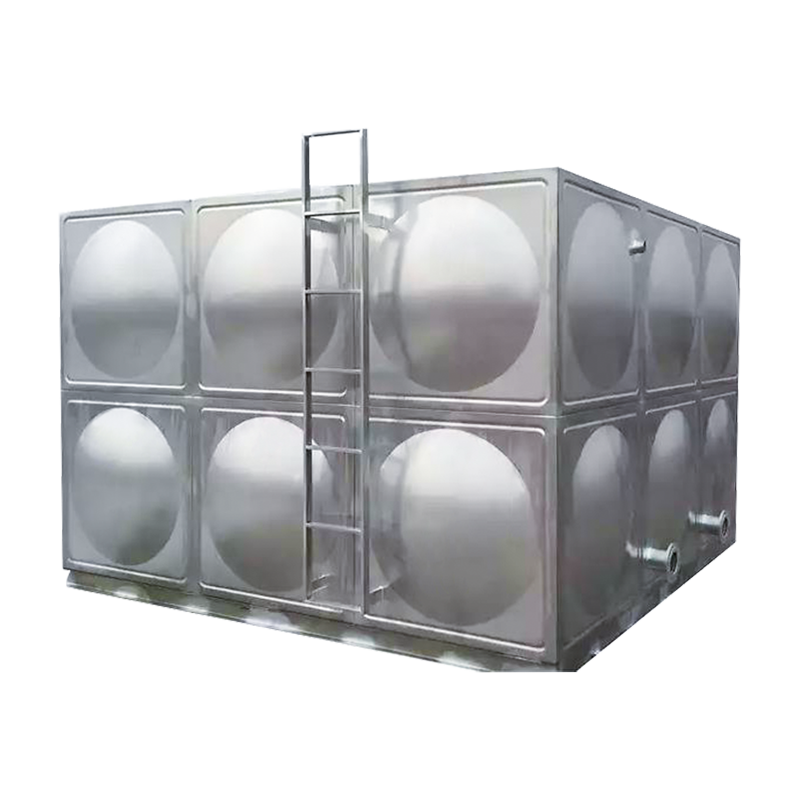
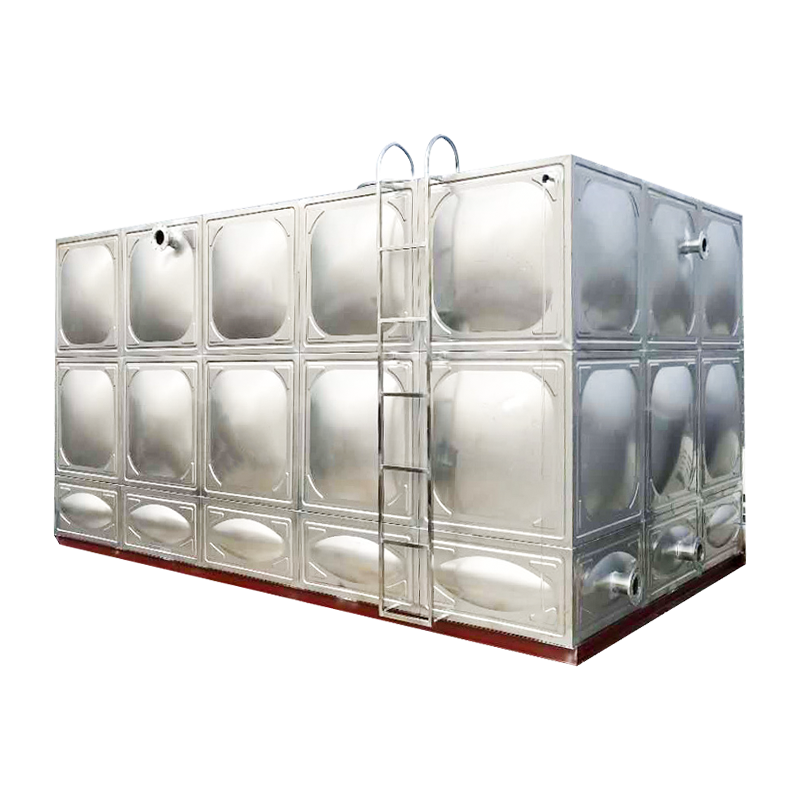
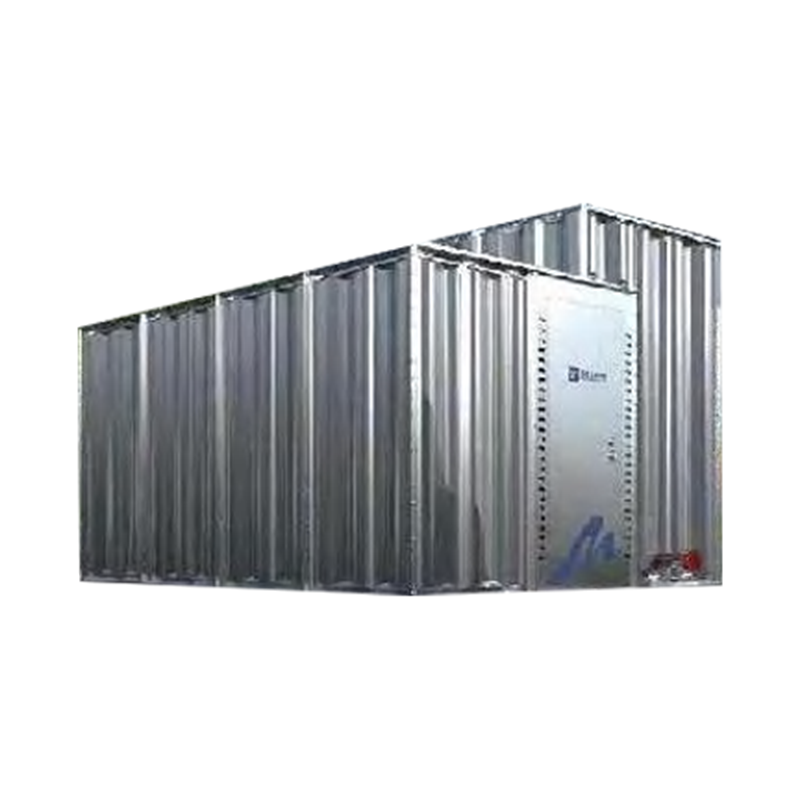
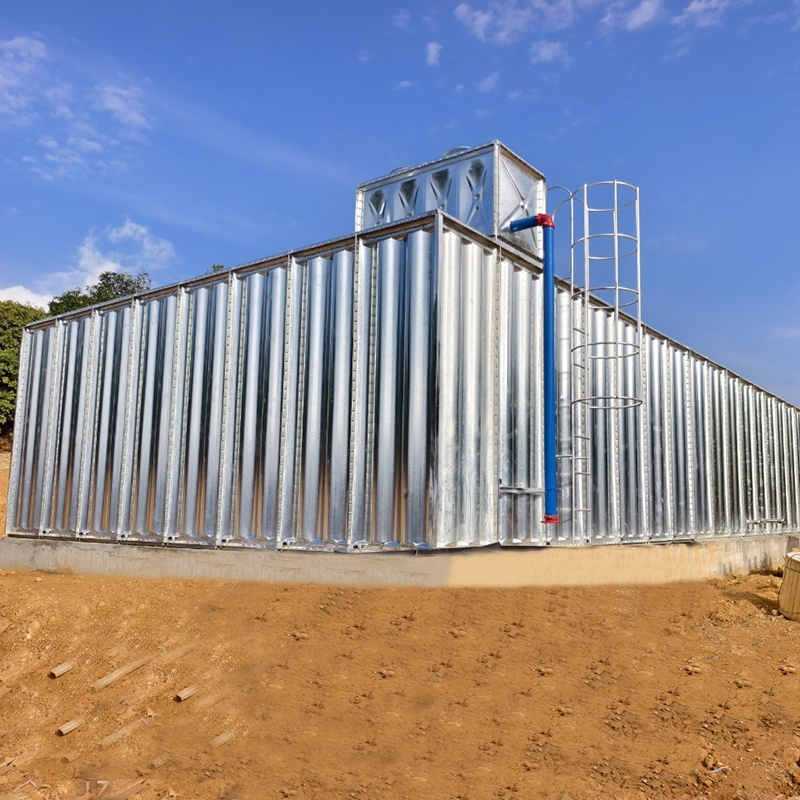
Welded stainless steel sectional tanks excel in environments where structural integrity under mechanical stress and resistance to the elements are crucial. The alloy composition, typically including chromium and nickel, provides a passive oxide layer that makes it inherently resistant to corrosion, UV radiation, and extreme temperature fluctuations. Unlike plastic, which can become brittle in cold climates or soften and warp under intense sun, stainless steel maintains its dimensional stability. Compared to concrete, which is porous and can suffer from freeze-thaw cycle damage, cracking, and reinforcement bar corrosion, stainless steel offers a monolithic, impermeable barrier. A key concern for many potential users is understanding the long-term maintenance costs for stainless steel versus plastic water tanks. While the initial investment in stainless steel is often higher, the maintenance narrative is markedly different. Plastic tanks may require shielding from UV light, can be abraded by wind-blown debris, and are susceptible to stress cracking. Concrete tanks need regular inspection for cracks, may require lining replacement, and are vulnerable to acidic or aggressive water conditions. Stainless steel, in contrast, typically requires only occasional visual inspection and routine cleaning, with no need for protective coatings or cathodic protection in most potable water applications, leading to significantly lower cumulative maintenance costs over a 30-40 year lifespan.
For installations in areas prone to earthquakes or high winds, the dynamic behavior of the tank material is critical. Welded stainless steel tanks, when properly engineered, offer superior ductility—the ability to deform without rupturing. This allows them to absorb seismic energy. Their lightweight, high-strength panels also reduce the seismic mass compared to a massive concrete structure. Modular plastic tanks, depending on their design and the quality of inter-module connections, may flex excessively or come apart under severe dynamic loading. Concrete tanks, while massive, are brittle and can fail catastrophically if not heavily reinforced for seismic loads. The structural predictability and joint integrity of a welded system often make stainless steel the preferred choice for mission-critical storage in geologically active regions.
The primary purpose of a storage tank is to hold water, but a superior tank actively preserves and protects the quality of that water from source to point of use. Material choice is the single largest factor influencing this aspect.
The interior surface of a tank is the frontline in the battle for water purity. The polished, non-porous surface of welded stainless steel is inherently inert and does not leach any chemicals or plasticizers into the water. More importantly, it provides an extremely unfavorable environment for bacterial adhesion and biofilm formation. Biofilm, a slimy layer of microorganisms, is a persistent issue in water systems and can harbor pathogens, cause taste and odor problems, and reduce disinfection efficacy. The smooth finish of stainless steel allows for easy and complete cleaning, removing any potential nutrient base for bacteria. This makes it an ideal choice for stainless steel water tanks for pharmaceutical or food processing use, where the highest purity standards are mandated by regulations. Plastic tanks can sometimes allow for the leaching of organic compounds, especially under elevated temperatures, and their surfaces can develop microscopic scratches that harbor bacteria. Concrete tanks, even when lined, have joints and potential crack sites where biofilm can establish itself in areas shielded from flow and cleaning.
Water temperature influences chemical and biological activity. Stainless steel, with its high reflectivity and thermal conductivity, can help maintain cooler water temperatures when configured appropriately (e.g., with reflective coatings or insulation), thereby slowing bacterial growth. Opaque materials also prevent sunlight penetration, which is crucial for inhibiting algae growth. While both colored plastic and concrete block light, the thermal management properties of stainless steel are often more consistent and effective, especially in modular sectional designs that allow for integrated insulation solutions not easily applied to other tank types.
The process of getting a tank from the factory to an operational state on-site involves significant logistical considerations. The differences between tank types in this phase can affect project timelines, cost, and feasibility for constrained sites.
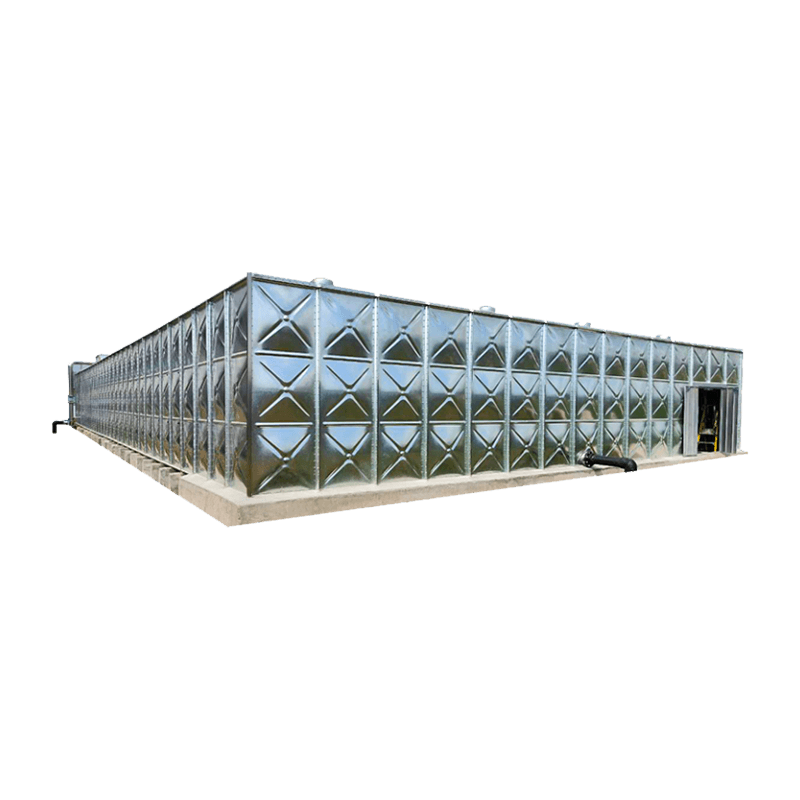
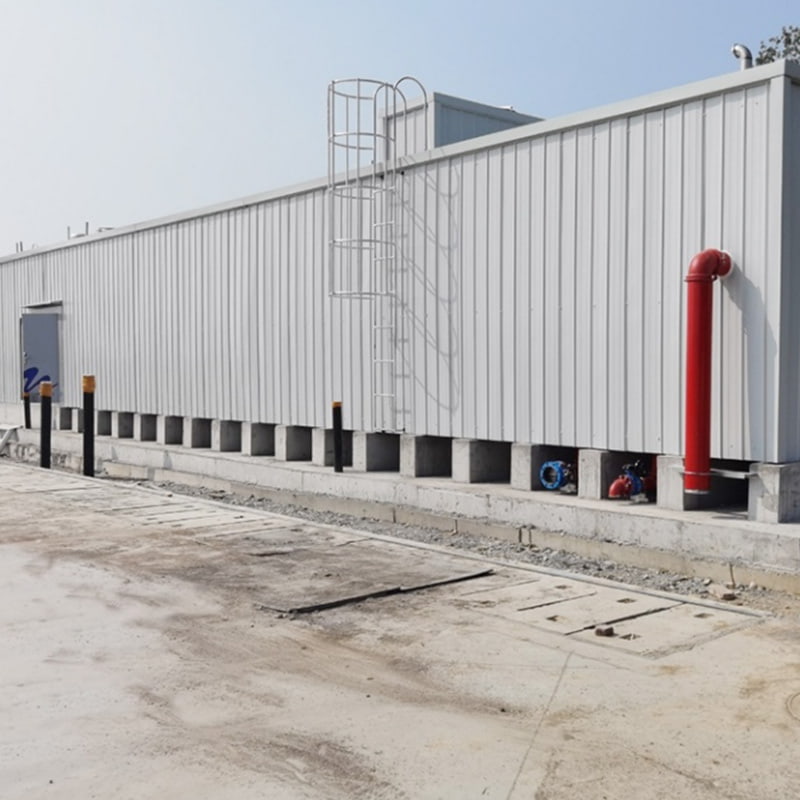
Modular plastic tanks are often heralded for quick assembly, but their advantage is most pronounced for smaller, standard-sized units. For large-volume storage, the narrative shifts. Installation time for large capacity sectional tanks is a complex variable. Welded stainless steel sectional tanks are delivered as prefabricated panels and components. Their installation involves skilled welding but is not weather-dependent in the same way as concrete, which requires curing times and cannot be poured in freezing conditions. A large concrete tank project can take months from formwork to curing to waterproofing testing. A stainless steel tank of equivalent volume can often be erected in a matter of weeks. Furthermore, the lightweight panels of a stainless steel tank are a significant advantage for sites with poor soil bearing capacity or limited access for heavy machinery; transporting and maneuvering massive concrete blocks or a monolithic plastic tank shell to a remote or crowded site can be prohibitively difficult or expensive. The sectional nature provides unparalleled flexibility.
Site constraints rarely conform to standard tank dimensions. The ability to customize a tank's footprint, height, and internal configuration is a major differentiator. Welded stainless steel is the clear leader in this regard. Panels can be engineered to create tanks that are rectangular, cylindrical, L-shaped, or even designed to fit specific building profiles. They can be expanded or reconfigured in the future with relative ease by adding or removing sections. This level of customizable shapes and sizes for industrial water storage tanks is simply not attainable with rotational-molded plastic tanks, which are limited to standard shapes and sizes. Precast concrete modules offer some shape flexibility but are far heavier and more difficult to modify post-installation. For facilities with space limitations or plans for future expansion, the adaptive nature of sectional stainless steel is a decisive benefit.
The true cost of a water tank extends far beyond the initial purchase order. A holistic view encompassing installation, operation, maintenance, and end-of-life is essential for an accurate financial and environmental assessment.
A simplistic focus on upfront cost can lead to a more expensive long-term outcome. The following table breaks down the cost components across the lifecycle of each tank type.
| Cost Component | Welded Stainless Steel Sectional | Modular Plastic | Concrete (Precast/Poured) |
|---|---|---|---|
| Initial Material & Unit Cost | Highest | Lowest (for small/medium sizes) | Moderate to High |
| Installation & Labor Cost | Moderate (requires skilled welders) | Low (bolt-together assembly) | Very High (crane work, formwork, curing time) |
| Foundation & Site Prep Cost | Low (lightweight, low bearing pressure) | Low to Moderate | Very High (must support extreme weight) |
| Long-Term Maintenance Cost | Very Low (no lining, corrosion-resistant) | Moderate (UV degradation, cleaning, part replacement) | High (crack repair, lining replacement, corrosion monitoring) |
| Expected Lifespan (Years) | 40+ | 15-25 | 30-50 (with significant maintenance) |
| Lifecycle Cost (NPV over 40 yrs) | Often the Lowest | Can be High (due to replacement) | Often the Highest (due to installation & maintenance) |
The analysis reveals that while stainless steel commands a premium upfront, its low maintenance and exceptional lifespan frequently result in the lowest total cost of ownership, especially for large, permanent installations. This is a critical answer for those evaluating cost benefits of welded tanks over plastic alternatives. Plastic tanks may need to be replaced once or even twice within the service life of a single stainless steel tank, incurring new purchase, delivery, and installation costs each time. Concrete, while long-lasting, carries persistent maintenance liabilities and the highest initial site preparation and installation expenses.
Sustainability is increasingly a key decision factor. Stainless steel is 100% recyclable at the end of its long life, with most new stainless steel containing a high percentage of recycled content. Its durability means minimal resource consumption over time. Plastic tanks, derived from fossil fuels, have a higher embodied carbon in production, and recycling options for large polyethylene structures are limited, often leading to landfill disposal. Concrete production is carbon-intensive, and while durable, decommissioned concrete is often downcycled as aggregate rather than truly recycled. The long service life and full recyclability of stainless steel contribute to a lower overall environmental footprint per year of service, an important consideration for projects targeting green building certifications. This superior environmental profile, combined with lower lifecycle costs, makes a compelling case for its use in environmental benefits of sectional water storage systems aimed at sustainable water management, such as rainwater harvesting or firewater reserve systems designed to last for the life of a facility.
The optimal choice among welded stainless steel, modular plastic, and concrete tanks is not universal; it is dictated by the specific priorities and constraints of the project. A thorough evaluation framework is necessary.
Decision-makers should weigh the following factors:
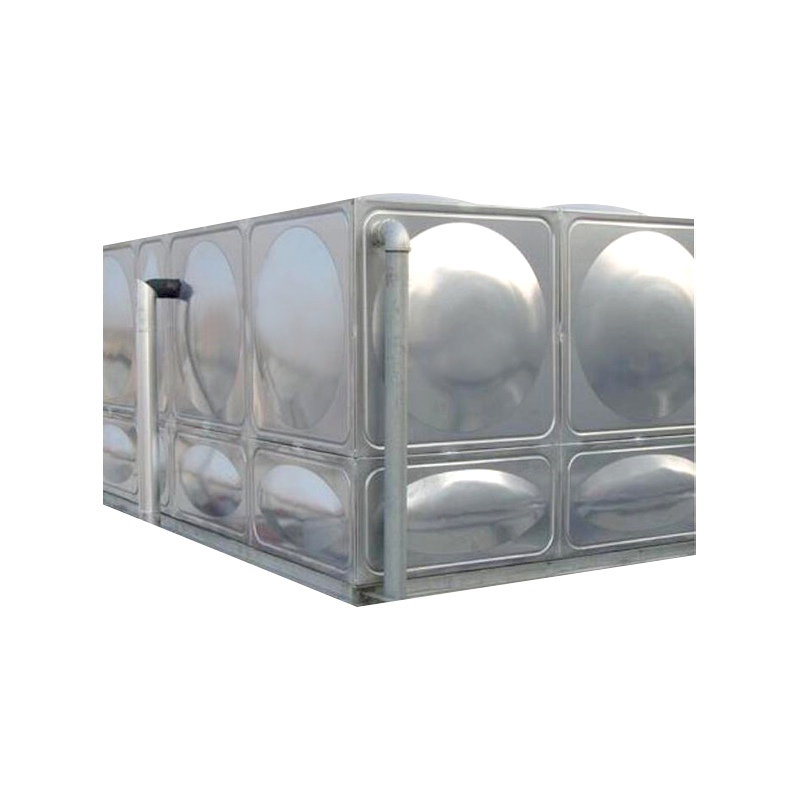
Modular plastic tanks serve well for smaller-scale, temporary, or low-budget priority applications where ultimate longevity is not a primary concern. Concrete tanks remain a formidable option for very large, below-ground installations where their mass is an advantage and site preparation is not prohibitive. However, for a vast array of commercial, industrial, and institutional applications, welded stainless steel sectional tanks present the most robust, hygienic, and adaptable solution. Their superiority in preserving water quality, coupled with lower lifetime costs, superior durability under stress, and exceptional design flexibility, justifies the initial investment. When the project demands a storage solution that is as reliable and long-lasting as the infrastructure it supports, the comparative analysis consistently points toward the engineered performance of welded stainless steel.
Related Products

Contact us
Headquater Address
Room 901, Building 17, Lane 1088, Shen Hong Road, Minhang District, Shanghai
Factory Address
No. 1, Mingxing North Road, Tech Innovation Park, Jianhu County, Yancheng, Jiangsu, P. R. China
Amy@mxwatersupply.com
Amy@mxwatersupply.com
Telephone(Whatsapp/Wechat)
+86-18051685983
QR CODE

 English
 Français