May 08, 2026
Content
The material of a water tank determines its lifespan, maintenance requirements, suitability for stored liquids, and total cost of ownership. For large-volume storage — such as a 4,000 gallon plastic water tank — high-density polyethylene (HDPE) is the dominant choice, while stainless steel leads in sanitary and precision applications ranging from a 10 gallon stainless steel water tank up to a 10,000 gallon steel water tank.
Polyethylene tanks resist UV degradation, require no internal coatings, and are rotationally molded as single-piece seamless units — eliminating weld failure risk entirely. Stainless steel (typically 304 or 316 grade) offers superior temperature tolerance, pressure resistance, and compliance with food-grade and pharmaceutical standards. Neither material is universally superior; application context, stored fluid chemistry, and operating environment determine the correct choice.
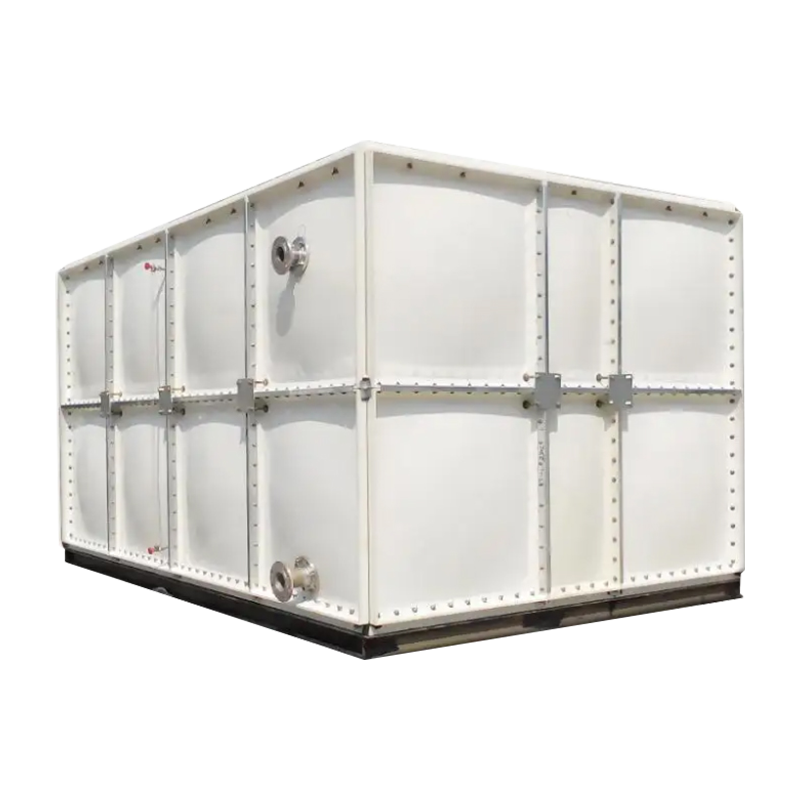
A 4,000 gallon plastic water tank represents one of the most common large-capacity solutions for agricultural irrigation, rainwater harvesting, fire suppression reserves, and rural potable water storage. At this volume, HDPE tanks offer a decisive weight and cost advantage over steel equivalents — a 4,000-gallon HDPE tank typically weighs between 400 and 600 lbs empty, compared to 1,500–2,500 lbs for a comparable steel tank.
Installation requires a flat, compacted gravel or concrete pad — never install directly on bare soil where uneven settling can stress tank walls. Plastic tanks should not be buried unless specifically rated for below-grade installation, as external soil pressure can cause collapse.
At the opposite end of the scale, a 10 gallon stainless steel water tank serves highly specialized roles: laboratory water supply, brewing and fermentation, RV and marine freshwater storage, chemical dispensing, and food-service equipment. The compact footprint — typically 12–16 inches in diameter and 15–20 inches tall — combined with the hygienic properties of 304 stainless steel makes this size ideal where purity and cleanability are paramount.
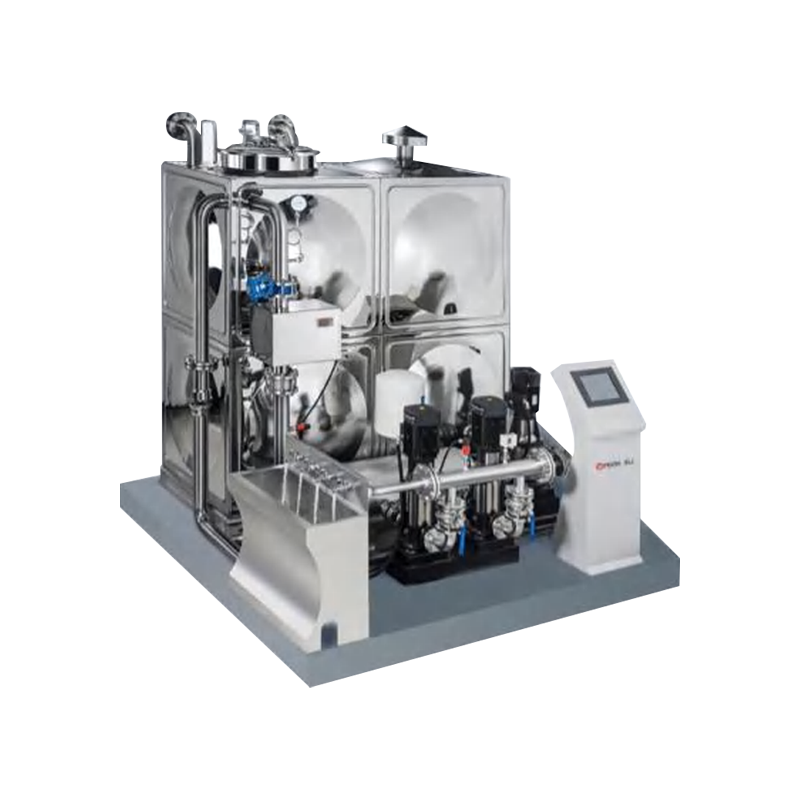
Unlike plastic at this size, stainless steel tanks can be pressure-rated (common ratings: 15–150 PSI), allowing direct integration into pressurized systems without a separate accumulator. This is critical for espresso systems, pressurized dispensing lines, and medical equipment. Electro-polished interior surfaces reduce bacterial adhesion and simplify CIP (clean-in-place) sanitation cycles.
304 stainless steel (18% chromium, 8% nickel) handles the vast majority of water and food applications. 316 stainless steel adds 2–3% molybdenum, providing substantially better resistance to chlorides — essential for saltwater desalination, coastal environments, or high-chloride municipal water. Expect a 15–25% price premium for 316 over comparable 304 tanks.
A 10,000 gallon steel water tank moves into territory where welded carbon steel or stainless steel construction becomes necessary. At this capacity, rotationally molded plastic is impractical — structural rigidity, pressure capability, and regulatory compliance for fire protection or municipal water systems typically mandate steel.
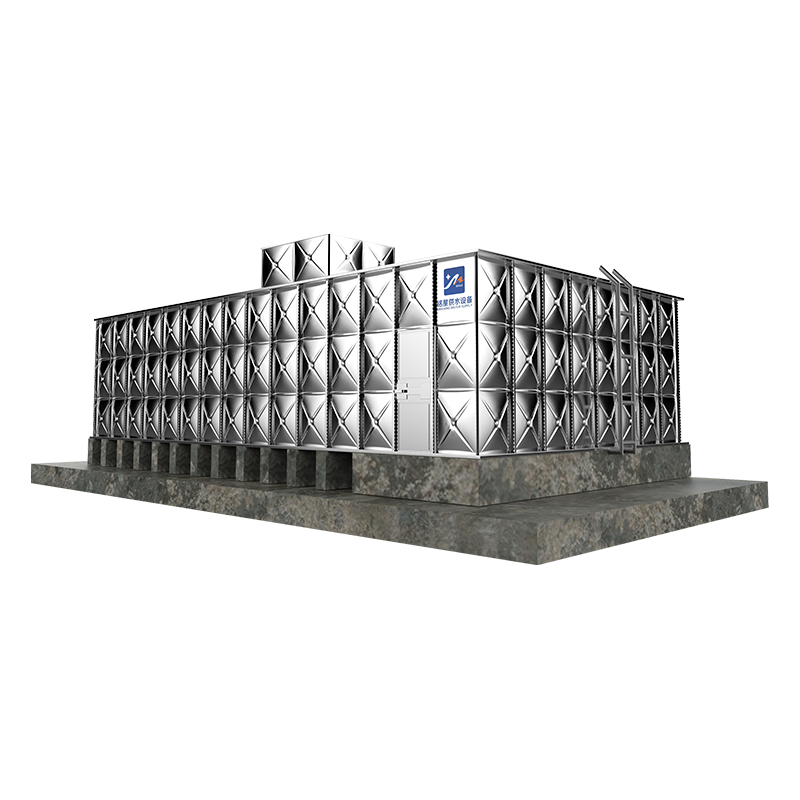
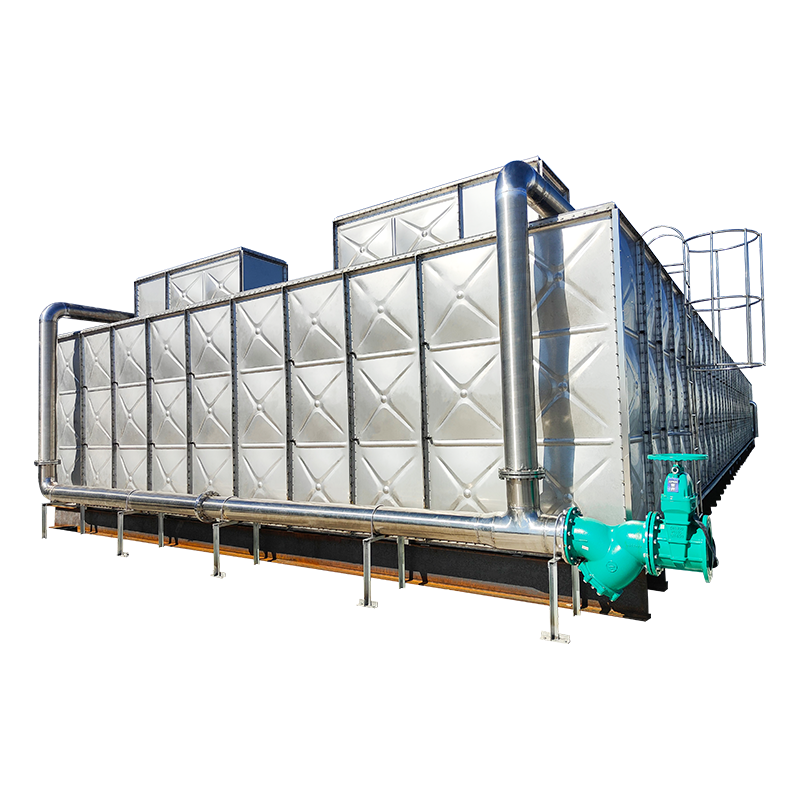
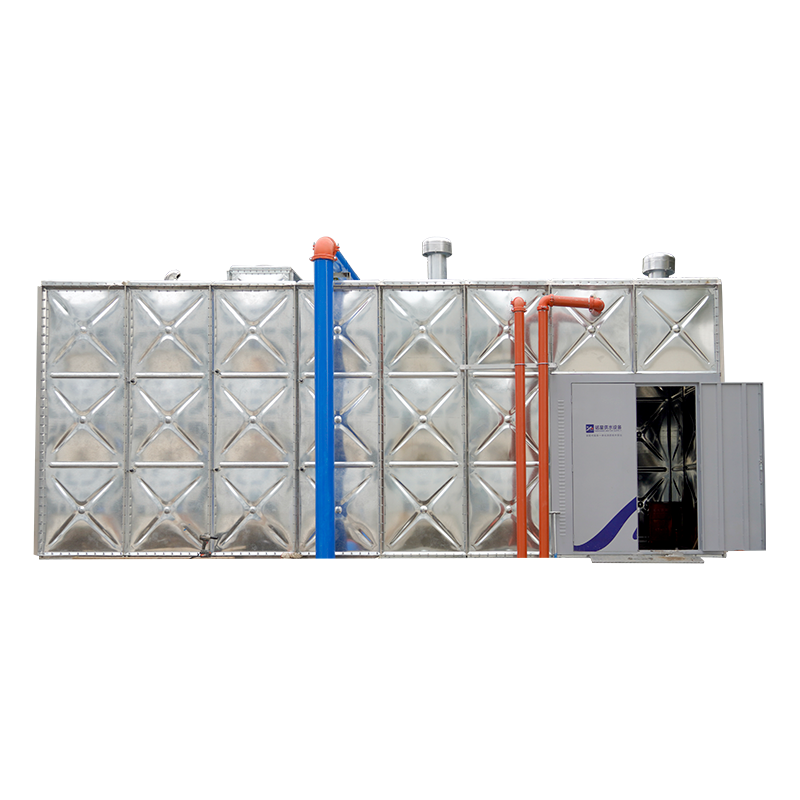
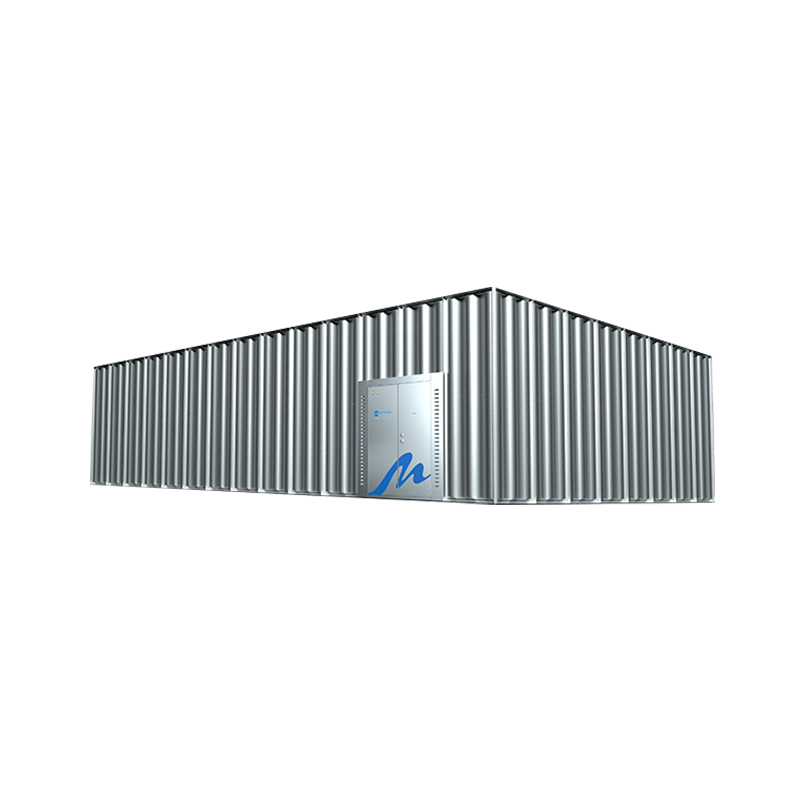
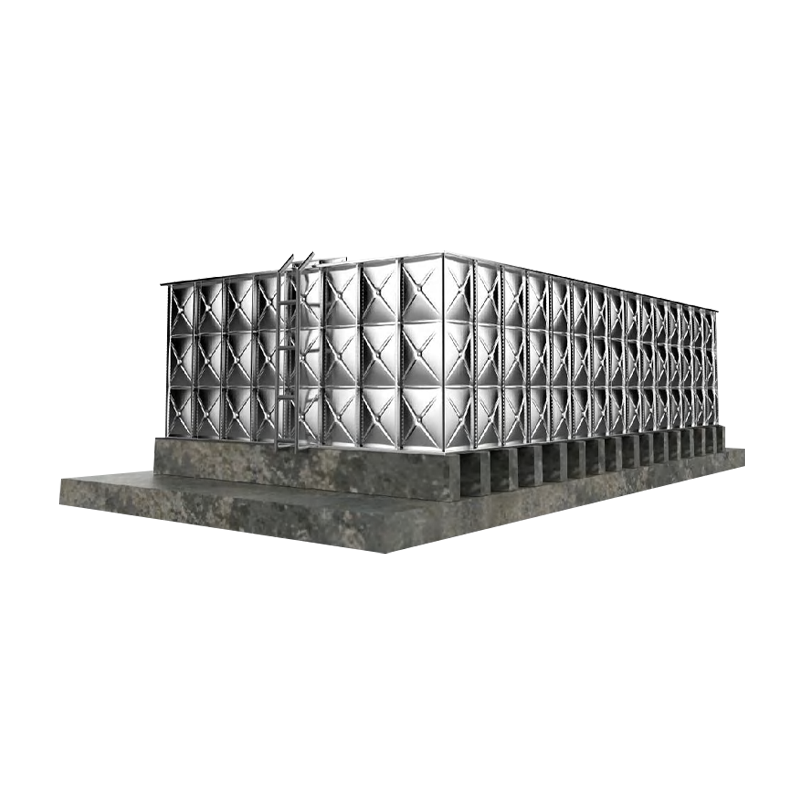
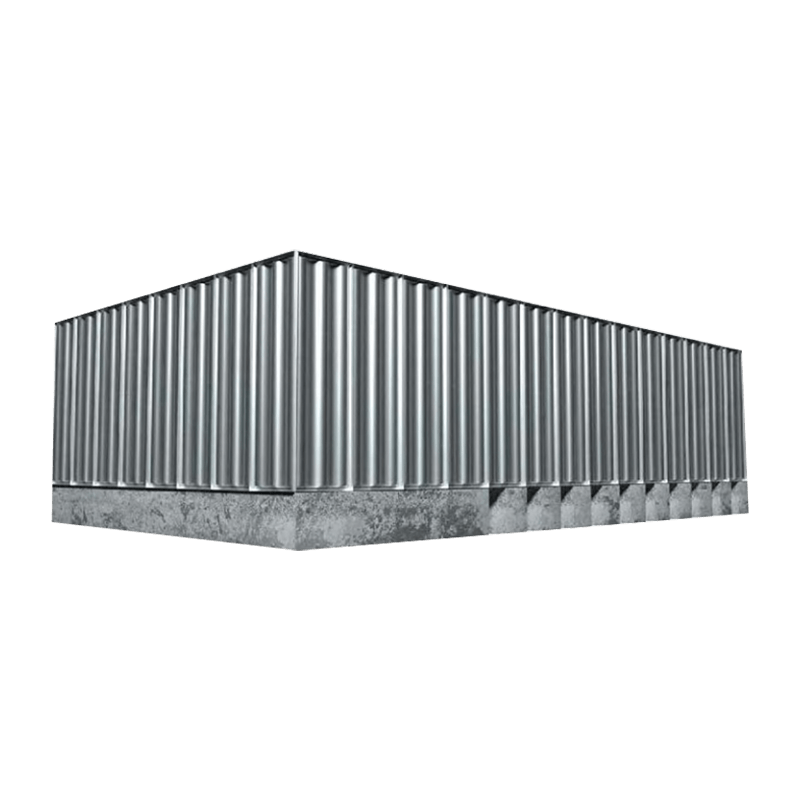
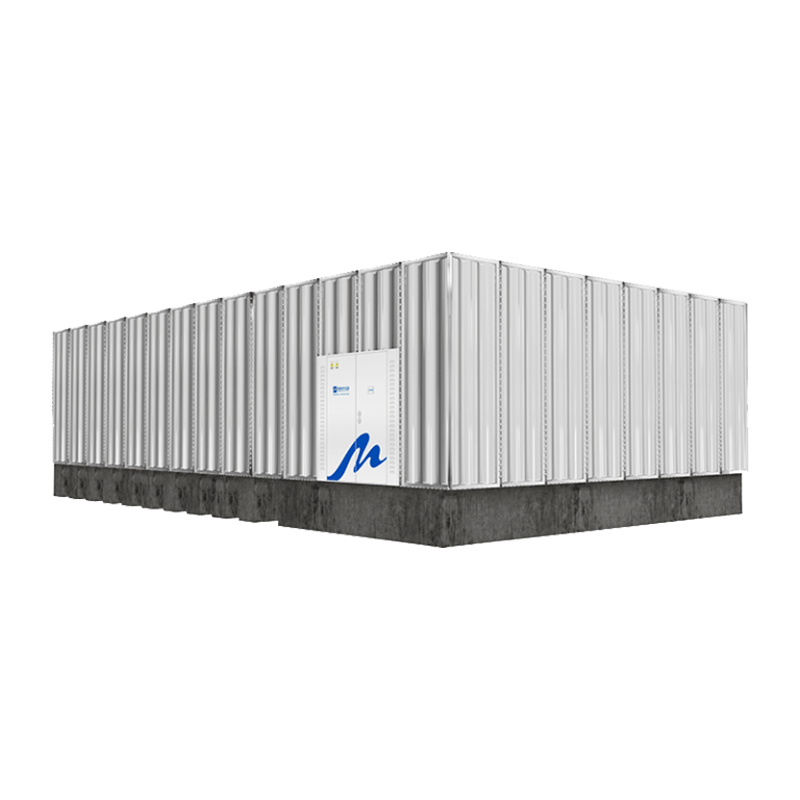
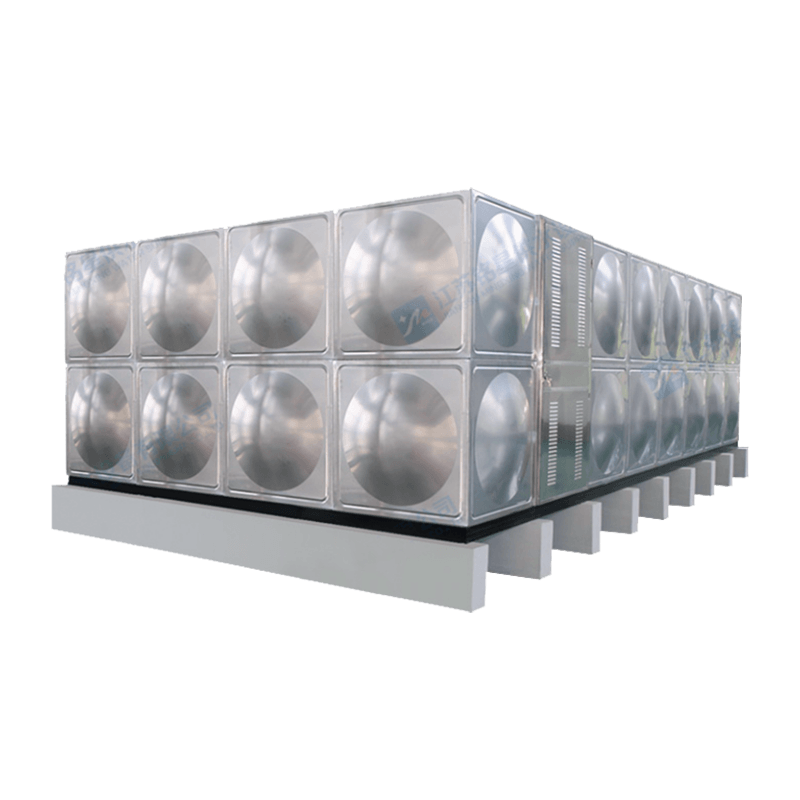
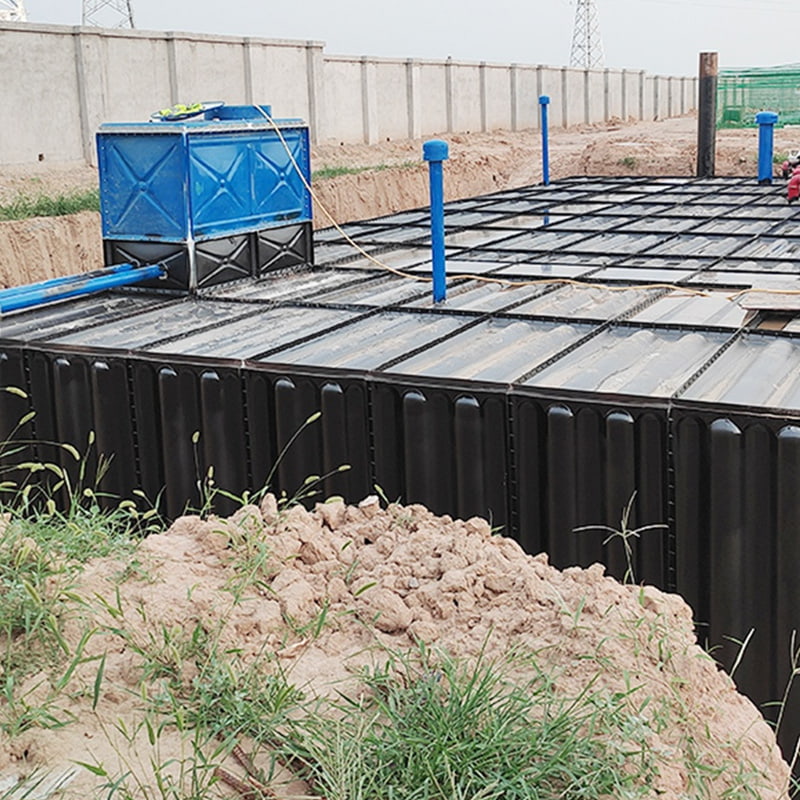
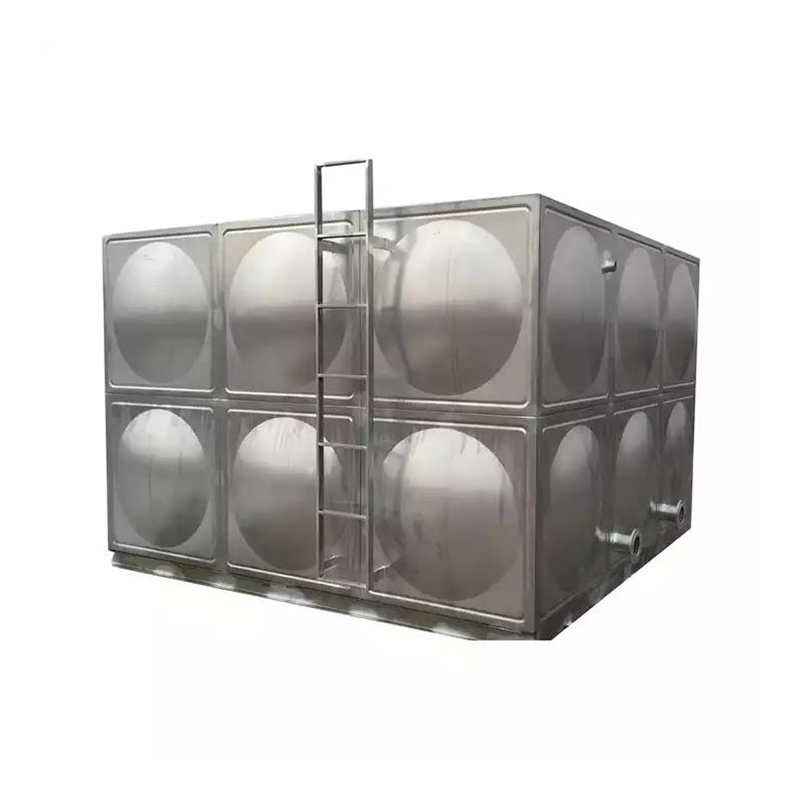
Steel tanks at this scale are commonly manufactured as bolted-panel tanks (corrugated galvanized or epoxy-coated steel panels assembled on-site) or welded horizontal/vertical vessels. Bolted tanks offer a significant logistical advantage: they ship flat and are assembled at the installation site, making them viable in locations inaccessible to large cranes or transport vehicles.
| Construction Type | Typical Material | Best For | Approx. Lifespan |
|---|---|---|---|
| Welded vertical | Carbon steel (lined) / 304 SS | Fixed industrial installations | 30–50 years |
| Bolted panel | Galvanized / epoxy-coated steel | Fire reserve, irrigation, remote sites | 20–40 years |
| Glass-fused-to-steel (GFS) | Porcelain-enameled steel | Potable water, wastewater | 25–35 years |
Internal lining is critical for carbon steel tanks storing potable water — NSF/ANSI 61-approved epoxy or polyurethane coatings prevent iron leaching and corrosion. Linings should be inspected every 5–7 years and recoated as needed. Stainless steel tanks at this scale eliminate lining requirements but carry a significantly higher upfront cost.
The 100 gallon stainless steel tank occupies a versatile middle ground — large enough for meaningful storage in brewing, aquaculture, dairy operations, and chemical processing, yet compact enough for indoor installation without specialized lifting equipment. At this size, stainless tanks are commonly available in both open-top (with optional cover) and closed-head pressure vessel configurations.
Jacketed designs — with an outer shell circulating heated or chilled fluid — are widely used at the 100-gallon scale for temperature-controlled fermentation, pasteurization, and chemical reactions. A jacketed 100-gallon stainless tank with agitation can maintain process temperatures within ±1°F, a precision level unachievable with plastic at any scale.
When specifying a 100-gallon stainless tank, confirm whether tri-clamp (sanitary) fittings or NPT threaded fittings are required. Sanitary tri-clamp connections are mandatory in food and pharma environments; NPT fittings suit industrial and general water applications and reduce cost by 10–20%.
Comparing tank options on purchase price alone systematically undervalues stainless steel and overvalues plastic. A realistic total cost of ownership (TCO) analysis over a 20-year horizon must include installation, maintenance, lining or coating renewal, and eventual replacement.
For potable water storage in freeze-prone climates, both plastic and uninsulated steel tanks require winterization measures — insulation blankets, heat tape, or indoor installation. Stainless steel, being thermally conductive, actually requires more insulation than thick-walled HDPE to prevent freeze damage at low temperatures.
Related Products

Contact us
Headquater Address
Room 901, Building 17, Lane 1088, Shen Hong Road, Minhang District, Shanghai
Factory Address
No. 1, Mingxing North Road, Tech Innovation Park, Jianhu County, Yancheng, Jiangsu, P. R. China
Amy@mxwatersupply.com
Amy@mxwatersupply.com
Telephone(Whatsapp/Wechat)
+86-18051685983
QR CODE

 English
 Français