Mar 22, 2026
Water storage infrastructure is a critical component for industrial manufacturing, municipal supply, and commercial building management. Selecting the right material for a large scale water reservoir impacts long term operational costs, water hygiene, and structural reliability. In the modern global market, the fiberglass fabricated sectional water tank has emerged as a dominant alternative to traditional concrete and steel systems. This article provides a deep dive into why composite modular systems are replacing legacy materials in professional applications.
Content
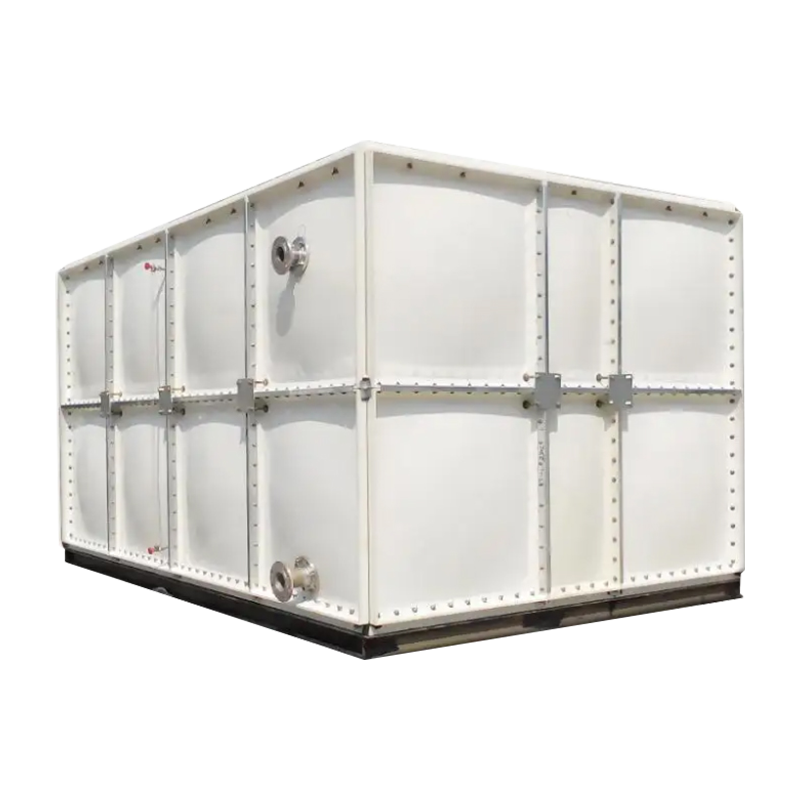
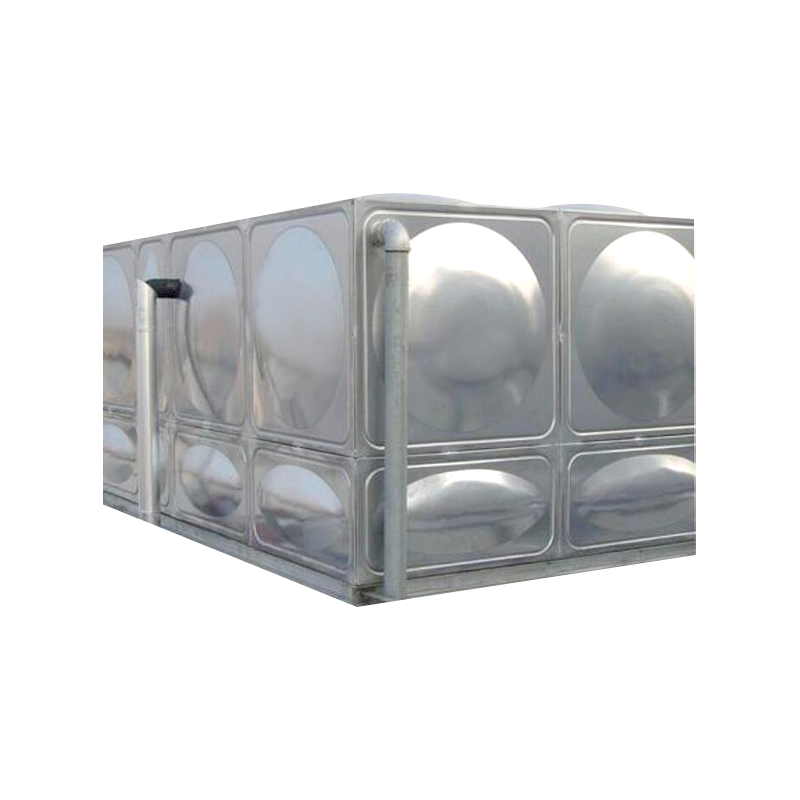
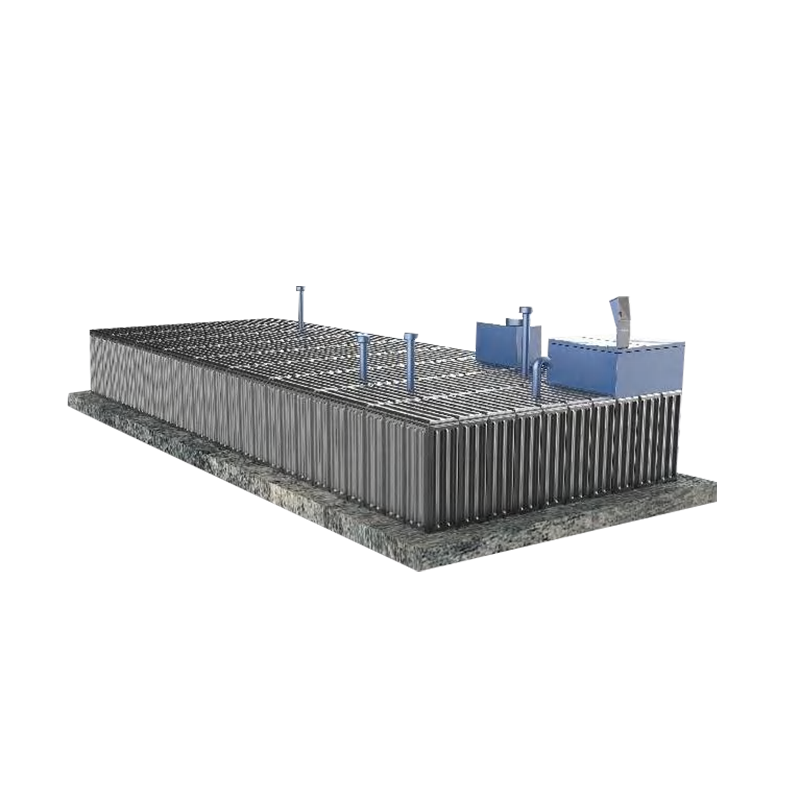
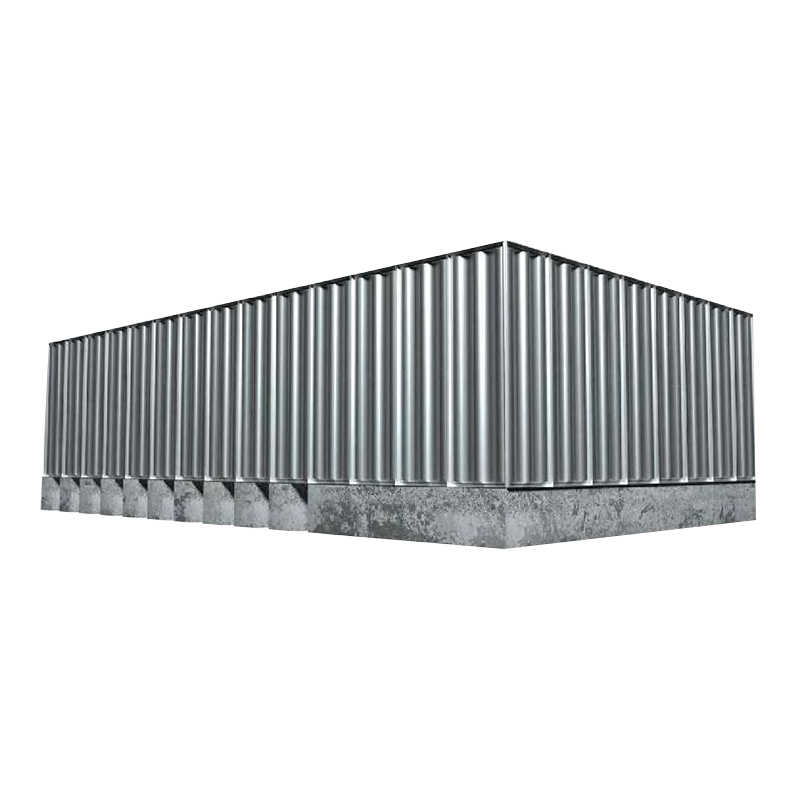
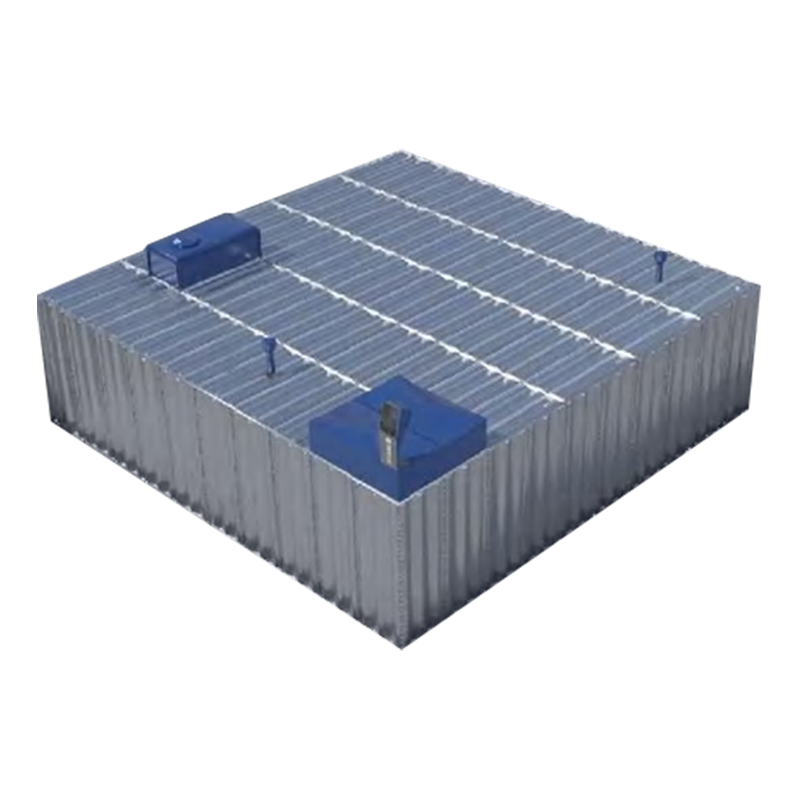
A fiberglass fabricated sectional water tank is constructed using individual panels made from Glass Reinforced Plastic (GRP) or Fiber Reinforced Plastic (FRP). These panels are typically produced using the Sheet Molding Compound (SMC) process, where fiberglass, resin, and fillers are compressed under high heat and pressure. This manufacturing method ensures consistent thickness, high density, and superior mechanical strength compared to hand-laid fiberglass.
The modular nature of the sectional design allows for unparalleled flexibility. Unlike a monolithic concrete tank or a welded steel tank, a sectional tank can be transported in compact crates and assembled on site. This is particularly beneficial for projects with limited access, such as rooftop installations or basement retrofits where a complete tank cannot pass through existing doors or elevators.
When evaluating storage solutions, engineers focus on three primary factors: corrosion resistance, structural weight, and hygiene. Fiberglass naturally excels in all three categories compared to its metallic and mineral counterparts.
Corrosion Resistance
Steel tanks, even when galvanized, are prone to oxidation and rust over time, especially when storing chlorinated water or when located in coastal environments with high salinity. Concrete tanks are susceptible to carbonation and chemical attacks that cause the internal rebar to corrode, leading to structural cracks and leaks. Fiberglass is chemically inert. It does not rust, rot, or support the growth of corrosive microorganisms, ensuring a lifespan that often exceeds 30 to 40 years without the need for periodic repainting or lining.
Weight and Foundation Requirements
The weight of the storage vessel itself places a significant load on the building or the ground foundation. A fiberglass panel is approximately one fourth the weight of a steel panel of equivalent strength and significantly lighter than concrete walls. This reduction in dead weight allows for more cost effective foundation designs and makes fiberglass the ideal choice for elevated or rooftop storage.
Hygiene and Water Quality
For potable water storage, hygiene is the top priority. Concrete is porous and can harbor bacteria and algae within its microscopic crevices. Steel tanks require specialized internal coatings to prevent rust from contaminating the water, and these coatings can degrade over time. Fiberglass fabricated tanks feature a smooth, non porous internal surface that inhibits biofilm attachment. Furthermore, high quality SMC panels are designed to be opaque, blocking UV light and preventing the photosynthesis required for algae growth.
The performance of a sectional water tank is governed by its panel composition and the reinforcement system used to counteract hydrostatic pressure. Below is a comparison of typical physical properties for high grade fiberglass panels.
| Property | Value | Unit |
|---|---|---|
| Tensile Strength | 100 to 120 | MPa |
| Bending Strength | 180 to 200 | MPa |
| Modulus of Elasticity | 10000 to 12000 | MPa |
| Water Absorption | Less than 0.2 | % |
| Barcol Hardness | 50 to 60 | - |
| Thermal Conductivity | 0.2 to 0.3 | W/m.K |
| Glass Content | 25 to 35 | % |
The low thermal conductivity of fiberglass provides a natural insulation effect. In extreme climates, this helps maintain a stable water temperature, preventing the water from freezing in winter or overheating in summer. For specialized applications, panels can be factory insulated with high density polyurethane foam to further enhance thermal performance.
The assembly process of a fiberglass fabricated sectional water tank is a systematic procedure that ensures a watertight seal and structural integrity.
Foundation Preparation
The tank must be supported by a level concrete plinth or steel beams. The standard requirement is a series of parallel concrete curbs spaced exactly at the intervals of the panel joints (typically 1 meter or 0.5 meters). This ensures that the weight of the water is distributed evenly across the structural supports.
The Base and Side Panels
The process begins with the installation of the bottom panels. A specialized sealant, usually a synthetic rubber strip or a high grade mastic, is placed between the flanges of the panels. High strength bolts are then used to secure the panels together. Once the base is complete, the side walls are erected layer by layer.
Internal and External Reinforcement
To prevent the side walls from bulging under the weight of the water, a tie rod system is installed. These rods are typically made of stainless steel (Grade 304 or 316) for internal use to prevent corrosion. In some designs, an external steel frame is used instead of internal rods to keep the interior of the tank completely clear of metal components, which is ideal for ultra pure water storage.
Testing and Commissioning
Once assembly is complete, all bolts are checked for the correct torque. The tank then undergoes a hydrostatic test where it is filled with water and monitored for 24 to 48 hours. This ensures that the seals are perfect and there is no measurable deflection beyond the allowable engineering limits.
One of the most significant advantages of fiberglass fabricated sectional water tanks is the ease of maintenance. Because the tank is modular, if a single panel is damaged by a physical impact, it can be replaced individually without needing to demolish or replace the entire structure.
Annual maintenance typically involves a visual inspection of the external bolts and a cleaning of the internal floor to remove any sediment that may have entered from the water source. Unlike steel tanks, there is no need for abrasive blasting or reapplying protective coatings. The durability of the resin ensures that the tank remains UV resistant and structurally sound even in harsh outdoor environments.
The adaptability of fiberglass sectional tanks makes them suitable for a wide range of industries:
Professional manufacturers adhere to international standards to guarantee the safety and performance of their tanks. Common certifications include the British Standard BS EN 13280, which specifies the requirements for GRP cisterns. In the United States, standards such as AWWA D120 provide the framework for fiberglass tank construction. Compliance with these standards ensures that the tank can withstand seismic loads, wind pressure, and the rigorous demands of municipal water infrastructure.
In conclusion, the fiberglass fabricated sectional water tank represents the pinnacle of modern water storage technology. By combining the chemical resistance of advanced composites with the logistical convenience of modular design, it offers a superior lifecycle value compared to traditional materials. Whether for a new construction project or a replacement of a failing legacy system, the sectional fiberglass tank provides a clean, durable, and efficient solution for the world’s water storage needs.
1. Can fiberglass fabricated sectional water tanks be used for hot water storage?
Standard panels are designed for ambient water temperatures. However, by using specialized high temperature resins during the manufacturing process, these tanks can be engineered to handle water temperatures up to 80 or 90 degrees Celsius. It is essential to specify the operating temperature during the design phase.
2. How do you prevent leaks at the joints of the modular panels?
Leaks are prevented through a combination of high precision panel flanges, specialized non toxic sealant strips, and a specific bolt tightening sequence. The sealant remains flexible over time to accommodate the natural expansion and contraction of the tank as it fills and empties.
3. Is the water stored in these tanks safe for drinking?
Yes, as long as the tank is manufactured using food grade, non toxic resins. High quality fiberglass tanks are tested and certified to international health standards, ensuring that no harmful chemicals or odors leach into the water.
4. What is the maximum height a sectional fiberglass tank can reach?
Most standard sectional tanks are designed for heights up to 4 or 5 meters. As the height increases, the hydrostatic pressure at the base grows significantly, requiring thicker bottom panels and more robust internal reinforcement systems to maintain structural safety.
5. How does the cost of a fiberglass tank compare to a stainless steel tank?
While the initial material cost of high grade fiberglass can be higher than galvanized steel, it is generally more affordable than stainless steel (Grade 316). When considering the total cost of ownership including transportation, installation labor, and the lack of maintenance requirements, fiberglass often provides the most economical long term solution.
Related Products

Contact us
Headquater Address
Room 901, Building 17, Lane 1088, Shen Hong Road, Minhang District, Shanghai
Factory Address
No. 1, Mingxing North Road, Tech Innovation Park, Jianhu County, Yancheng, Jiangsu, P. R. China
Amy@mxwatersupply.com
Amy@mxwatersupply.com
Telephone(Whatsapp/Wechat)
+86-18051685983
QR CODE

 English
 Français