Mar 22, 2026
Content
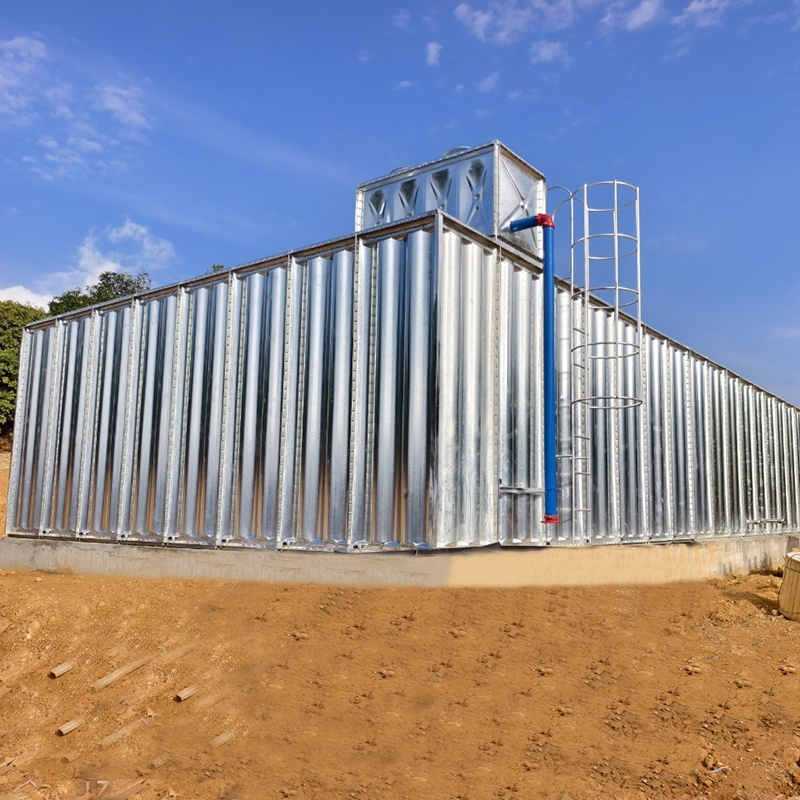
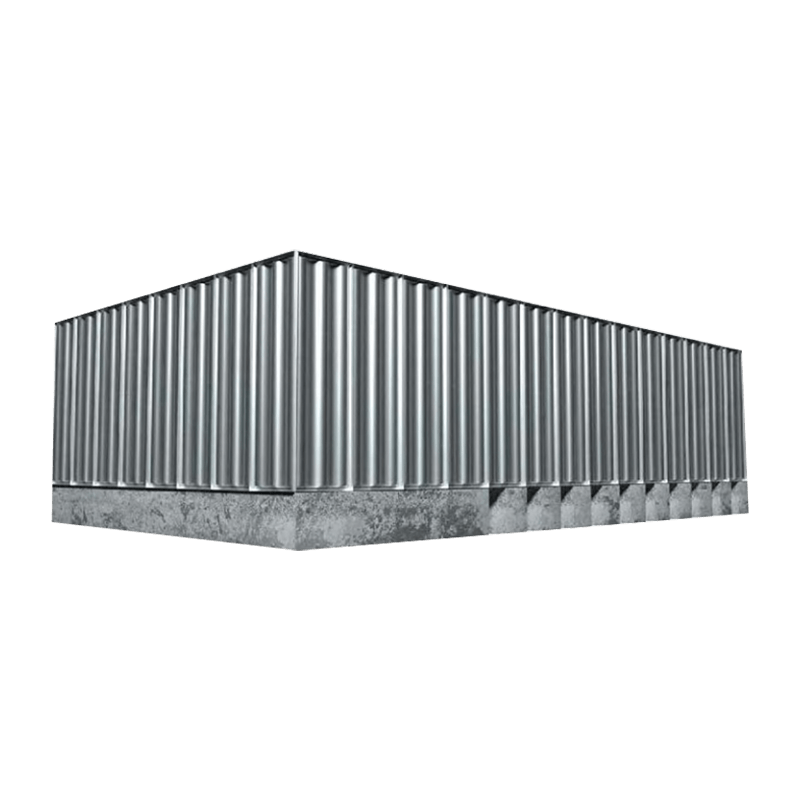
In the realm of global industrial infrastructure, the storage of liquid assets remains a critical challenge. Whether for firefighting systems, agricultural irrigation, or municipal potable water supply, the integrity of the storage vessel determines the safety and efficiency of the entire operation. Hot-Dip Galvanized (HDG) water tanks have emerged as a premier solution for these needs. Unlike traditional concrete reservoirs or standard painted steel vessels, HDG tanks utilize a metallurgical bonding process that provides unparalleled protection against the elements. This article dives deep into the technical nuances of hot-dip galvanization in the context of water storage, examining why this specific technology continues to dominate international trade markets in 2026.
Hot-dip galvanizing is not merely a surface coating; it is a complex chemical reaction. When clean steel panels are immersed in a bath of molten zinc at temperatures typically around 450 degrees Celsius, a series of zinc-iron alloy layers are formed. This creates a robust, abrasion-resistant bond that is actually harder than the base steel itself.
The protection offered is twofold. First, it acts as a physical barrier, preventing moisture and oxygen from reaching the steel core. Second, and perhaps more importantly, it provides cathodic protection. If the surface is scratched or damaged, the surrounding zinc will sacrifice itself to protect the exposed steel, ensuring that rust does not spread beneath the coating. This “self-healing” characteristic is what makes HDG tanks particularly valuable in harsh environments where mechanical impact or site handling might compromise other types of finishes.
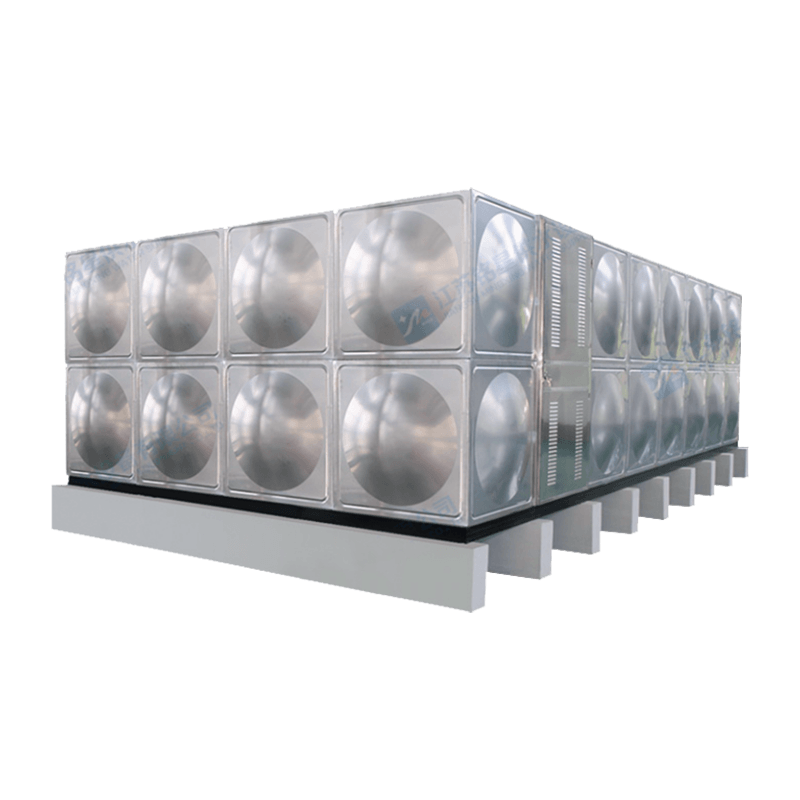
A frequent question among procurement managers and engineers is the choice between Hot-Dip Galvanized steel and Stainless Steel (typically Grade 304 or 316). While both offer excellent corrosion resistance, their application logic differs significantly based on budget, environment, and liquid chemistry.
| Feature | Hot-Dip Galvanized (HDG) Steel | Stainless Steel (304/316) |
|---|---|---|
| Primary Protection | Zinc-Iron Alloy Barrier and Cathodic Sacrificial Protection | Passive Chromium Oxide Film |
| Initial Cost | Economical and Cost-Effective | High Initial Investment |
| Impact Resistance | Extremely High (Metallurgical Bond) | Moderate (Surface film can be compromised) |
| Maintenance | Low (Periodic cleaning and inspection) | Very Low (But susceptible to pitting in high chloride) |
| Service Life | 30 to 50 Years in diverse climates | 50 plus years in controlled environments |
| Site Flexibility | Modular panel design for easy transport | Often requires specialized site welding |
As shown in the comparison, HDG tanks offer a superior balance of durability and cost-efficiency for large-scale industrial projects. While stainless steel is excellent for high-acid or medical-grade environments, the HDG sectional tank is the “workhorse” of the industrial sector, providing reliable service at a fraction of the capital expenditure.
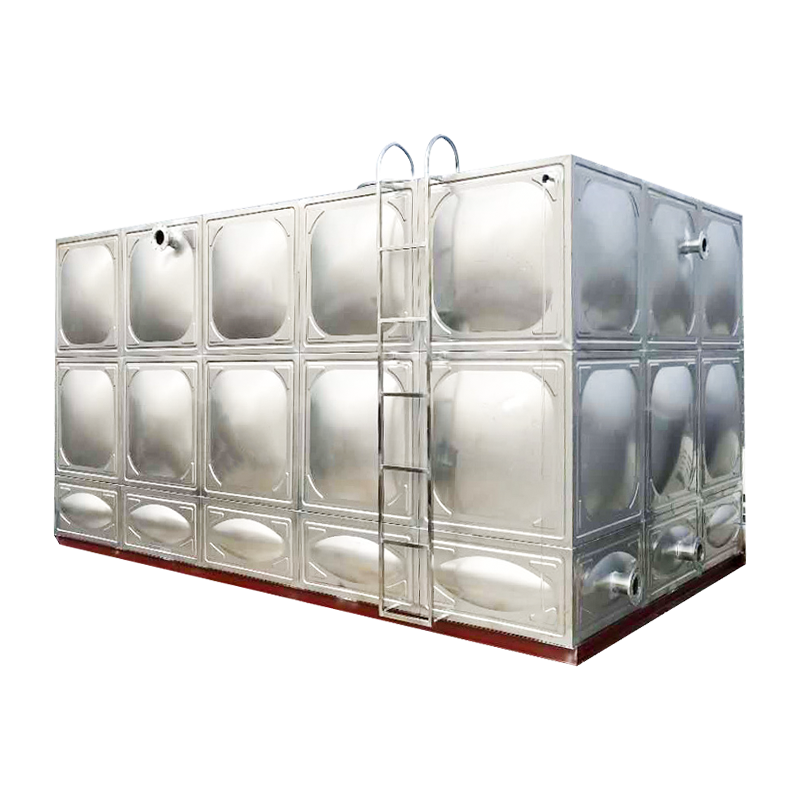
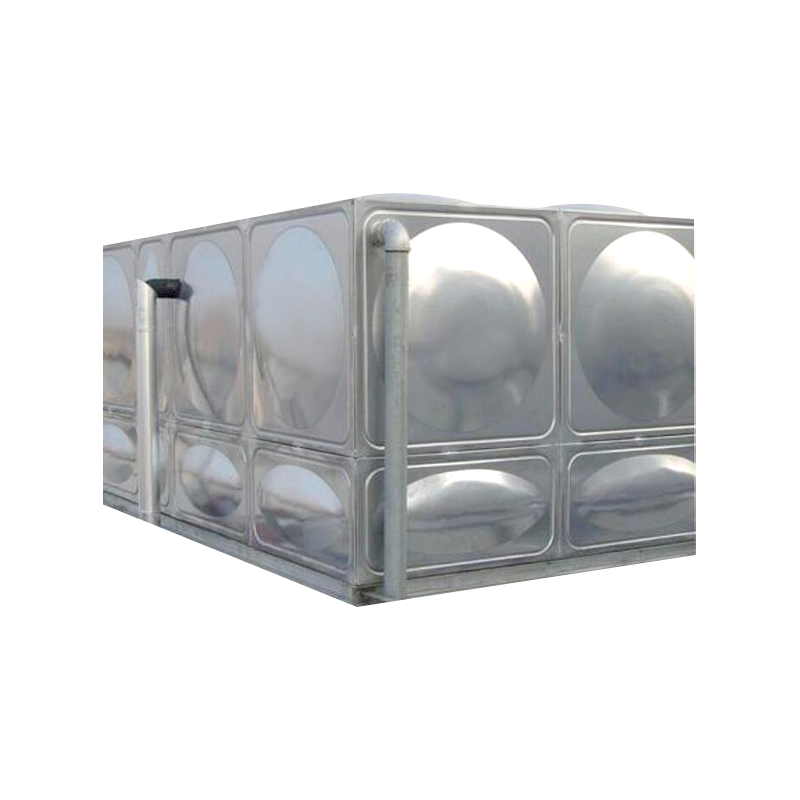
Most modern HDG water tanks are designed as sectional or modular systems. This means the tank is composed of individual pressed steel panels, usually 1 meter by 1 meter or 1.22 meters by 1.22 meters in size. This design philosophy offers several logistical advantages for international export.
The thickness of these panels is calculated based on the height of the tank and the resulting hydrostatic pressure. Typically, the bottom and first tier of panels are thicker to withstand the greatest pressure, while the upper tiers and roof panels are thinner to optimize weight and cost.
For manufacturers focusing on the export market, adherence to international standards is non-negotiable. Quality is measured by the uniformity and thickness of the zinc coating.
The most recognized standard for hot-dip galvanizing is ISO 1461. This standard specifies the minimum coating weights and thicknesses based on the thickness of the steel being galvanized. For water tanks, a common requirement is a coating thickness of at least 85 microns or a coating mass of 610 grams per square meter. Meeting these benchmarks ensures that the tank can withstand decades of exposure to rainwater, humidity, and varying water chemistries.
Furthermore, when tanks are used for potable (drinking) water, the sealants and internal components must be non-toxic. Certifications such as NSF/ANSI 61 are often requested by clients in North America and Europe to guarantee that the materials used do not leach harmful substances into the water supply.
The longevity of an HDG water tank depends heavily on the quality of its installation. Professional teams follow a rigorous process to ensure the structure is sound and leak-proof.
The foundation is the first critical element. A reinforced concrete plinth or a series of steel “I-beams” must be perfectly level. Any deviation in the foundation can lead to uneven stress distribution on the panels, potentially causing leaks at the joints over time. Once the base is prepared, the panels are bolted together using high-strength galvanized bolts. A specialized sealant, often a non-toxic synthetic rubber or mastic, is applied between every panel joint.
Inside the tank, internal reinforcement is used to maintain structural shape against the weight of the water. This usually consists of stay rods and cleats made from the same HDG steel. For very large tanks, external reinforcement may also be added. Following assembly, a rigorous hydraulic test is performed, filling the tank to its maximum capacity and monitoring for any signs of seepage over a 24-hour period.
While HDG tanks are marketed as “low maintenance,” they are not “zero maintenance.” To achieve a service life exceeding 40 years, regular inspections are recommended.
Annual cleaning is necessary to remove sediment and biological films that can settle on the bottom of the tank. These deposits can sometimes create localized micro-environments where corrosion might start. An internal inspection should also check the condition of the sacrificial zinc layer. In some cases, after 20 or 30 years of service, the internal surfaces can be treated with a food-grade epoxy liner to further extend the life of the vessel without the need for a full replacement.
In today’s industrial landscape, sustainability is a key metric. Hot-dip galvanizing is a remarkably green technology. Steel is the most recycled material in the world, and zinc is a naturally occurring element that is also highly recyclable. The long life-cycle of an HDG tank means fewer resources are consumed over time compared to tanks that require frequent replacement or repainting. Unlike paint, the galvanizing process does not involve Volatile Organic Compounds (VOCs), making it safer for the environment during both production and service.
The demand for HDG water tanks is surging in 2026, particularly in regions undergoing rapid urbanization and industrialization. In the Middle East and Southeast Asia, where water scarcity is a constant concern, robust storage infrastructure is a national priority.
Industrial sectors such as data centers, which require massive amounts of water for cooling, are increasingly specifying HDG tanks for their reliability and rapid installation times. Similarly, in the mining and oil and gas sectors, where remote locations make maintenance difficult, the “fit and forget” nature of HDG steel is a significant advantage.
Hot-Dip Galvanized water tanks represent a convergence of traditional metallurgical science and modern modular engineering. By choosing a system that prioritizes cathodic protection, international quality standards, and structural flexibility, industrial users can ensure a secure water supply for decades. As we look toward the future of water management, the HDG tank remains a foundational component of resilient infrastructure, offering a proven solution to the world’s most pressing liquid storage challenges.
What is the typical lifespan of a Hot-Dip Galvanized water tank?
Under normal conditions and with proper maintenance, an HDG tank can last between 30 and 50 years. The longevity depends on the quality of the initial galvanization and the corrosivity of the environment where it is installed.
Can HDG tanks be used for drinking water?
Yes, HDG tanks are widely used for potable water storage. However, it is essential to ensure that the sealants and any internal coatings used are certified as non-toxic and food-grade according to international standards like NSF 61.
How does an HDG tank handle extreme weather?
The sectional design and the metallurgical bond of the zinc coating make these tanks very resilient to temperature fluctuations, high winds, and seismic activity. For extreme environments, the thickness of the panels and the reinforcement structure are customized.
Is it possible to repair an HDG tank if it leaks?
Most leaks in sectional tanks occur at the joints rather than through the panels. These can usually be repaired by replacing the sealant or tightening the bolts. If a panel is physically damaged, the modular nature of the tank allows for the replacement of a single panel without dismantling the entire structure.
How does HDG compare to plastic or GRP tanks?
While GRP (Glass Reinforced Plastic) tanks are lightweight and corrosion-proof, HDG steel tanks offer much higher structural strength, impact resistance, and fire resistance. HDG tanks are also more suitable for very large capacities where plastic tanks might struggle with structural integrity.
Related Products

Contact us
Headquater Address
Room 901, Building 17, Lane 1088, Shen Hong Road, Minhang District, Shanghai
Factory Address
No. 1, Mingxing North Road, Tech Innovation Park, Jianhu County, Yancheng, Jiangsu, P. R. China
Amy@mxwatersupply.com
Amy@mxwatersupply.com
Telephone(Whatsapp/Wechat)
+86-18051685983
QR CODE

 English
 Français