Oct 30, 2026
Content
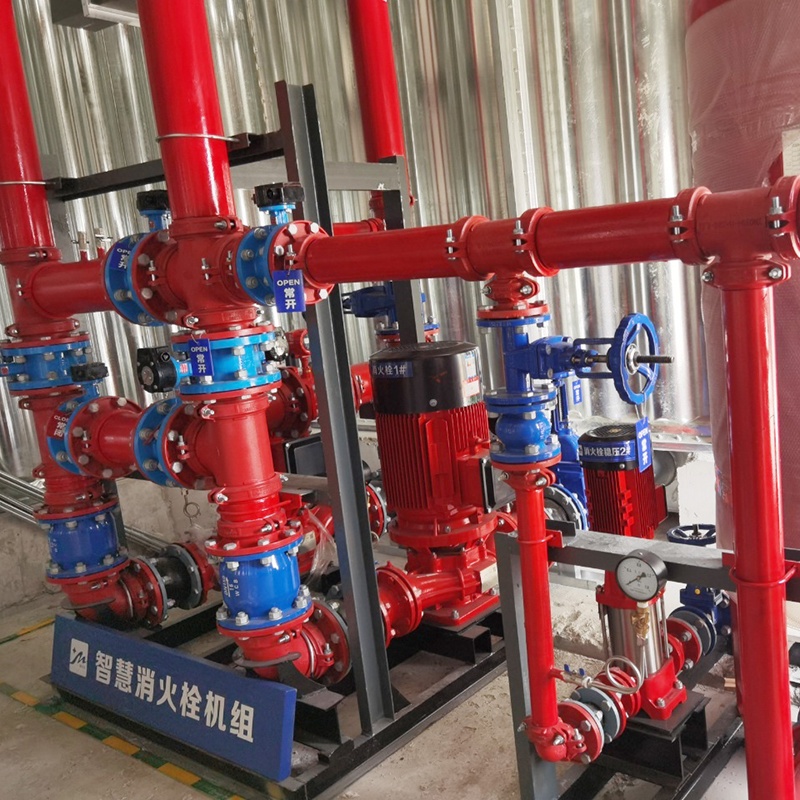
An integrated pump station is a factory-assembled pumping plant that combines pumps, control cabinets, pressure vessels, valves and interconnecting piping into one engineered unit, delivered pre-wired and pre-tested.
The key difference is where the work happens. A traditional pump room is built on site with separate pumps and field-welded headers. An integrated pump station moves that work into the factory and arrives as a single module; the site crew only handles the foundation, connects suction and discharge lines, brings in power and runs commissioning.
A prefabricated assembled integrated box-type pump station is a pumping plant manufactured in a factory, transported to the project site, and installed with only the inlet, outlet and power connections left to be completed on site.
The pump set defines the duty point, but the rest of the package decides reliability:
Four configurations handle the majority of residential, commercial and industrial duty: above-ground box-type, buried anti-floating, combined domestic-and-fire, and non-negative-pressure tank-type stations.
| Configuration | Capacity range | Best-fit project | Design highlight |
| Above-ground box-type | 18-720 m3/h | Factories, schools, compounds | Full-height maintenance access |
| Buried anti-floating | 10-100 m3/h per unit | Plazas, streets, constrained sites | Zero surface footprint |
| Domestic and fire combined | 20-300 m3/h | High-rise residential, hotels | Shared suction, independent fire headers |
| Non-negative-pressure | 5-150 m3/h | Buildings on municipal networks | No negative pressure on the city main |
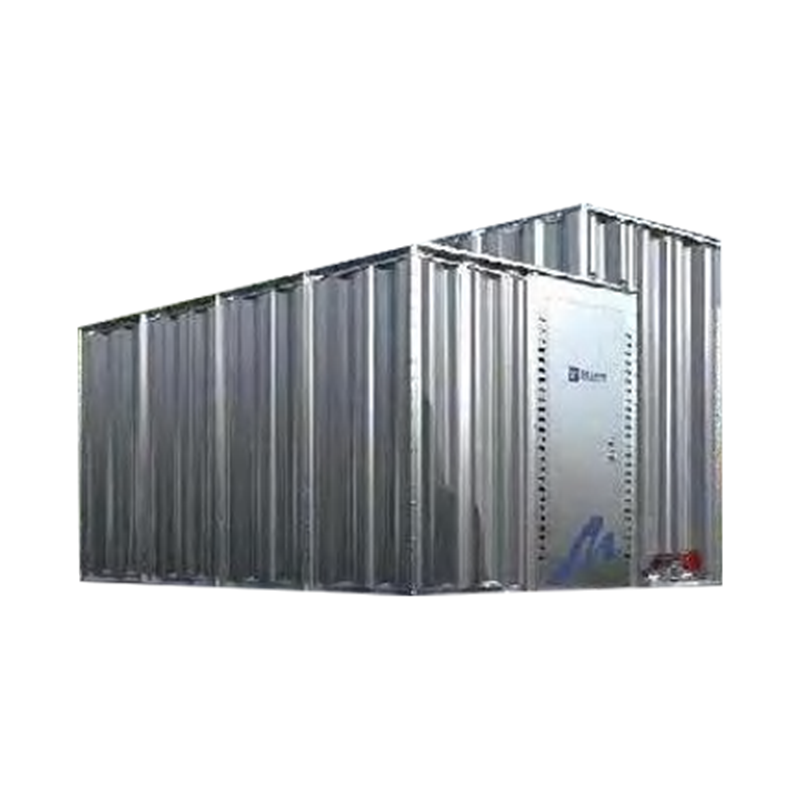
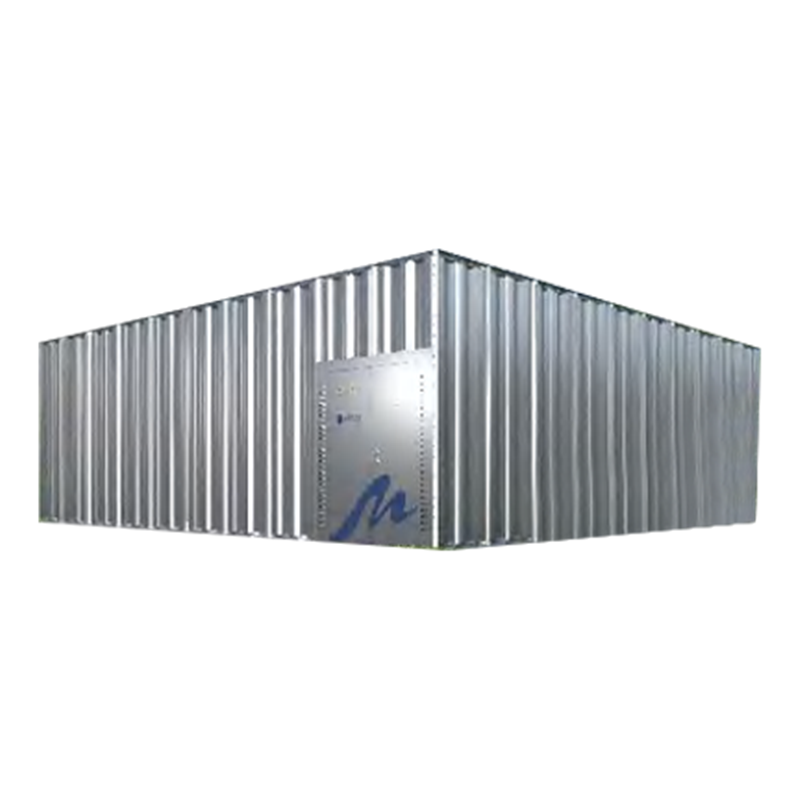
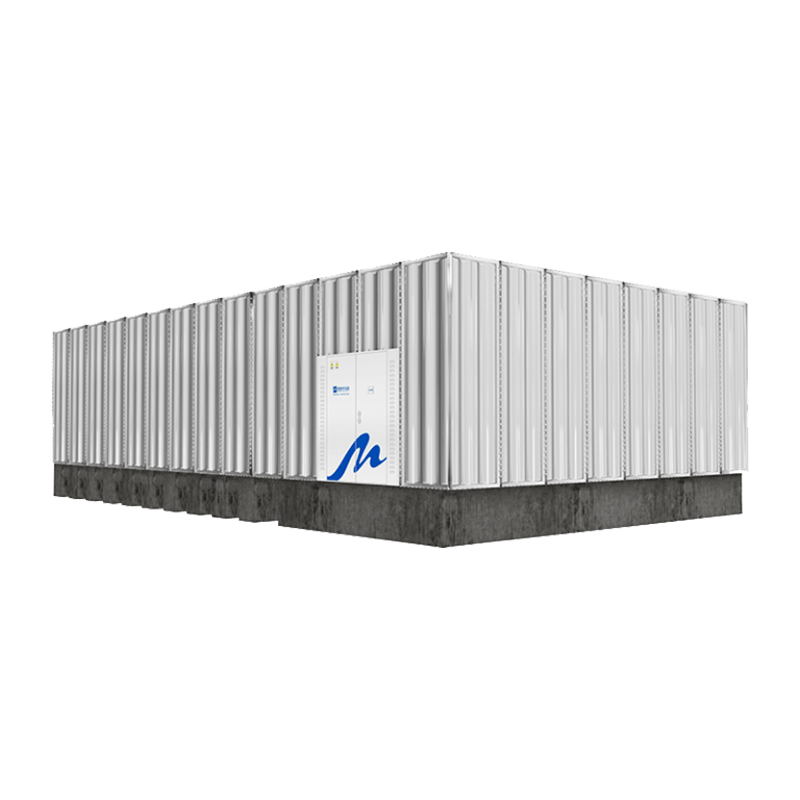
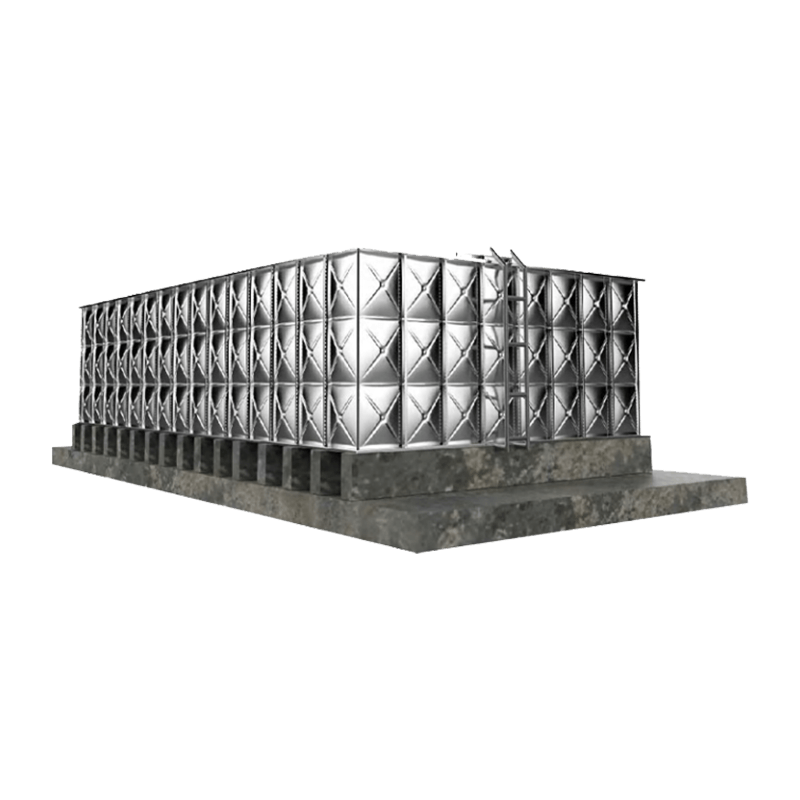
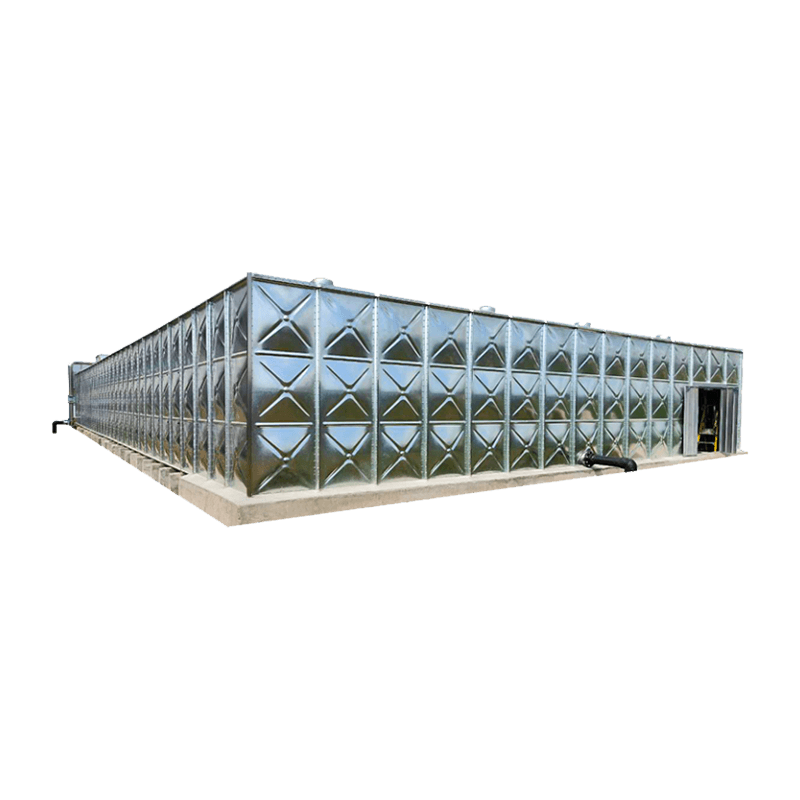
Above-ground box-type units suit projects with a controlled indoor space. They sit on a low slab, connect to the building lines, and keep every pump within arm's reach.
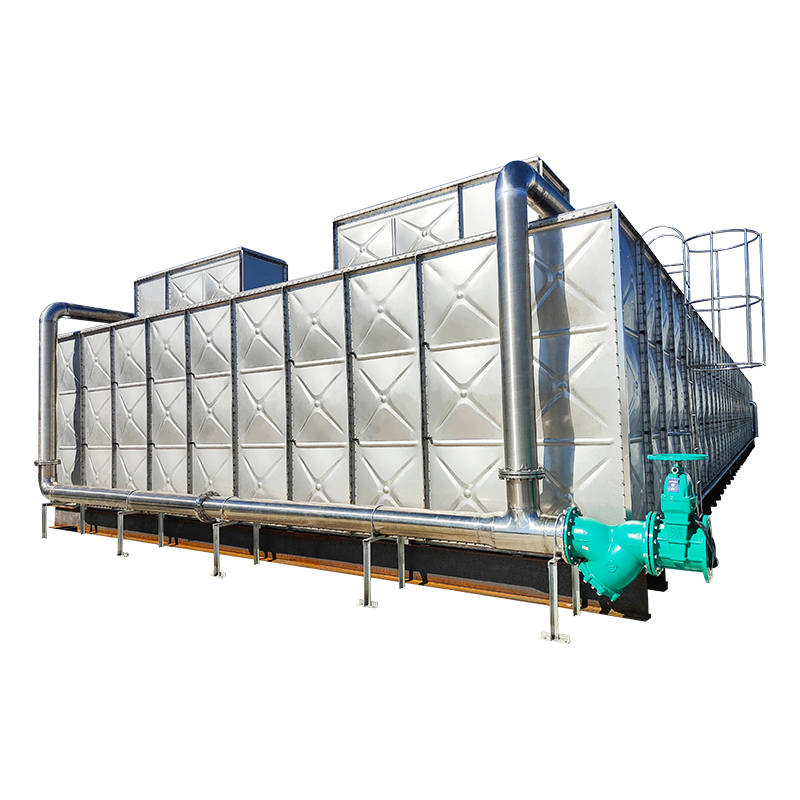
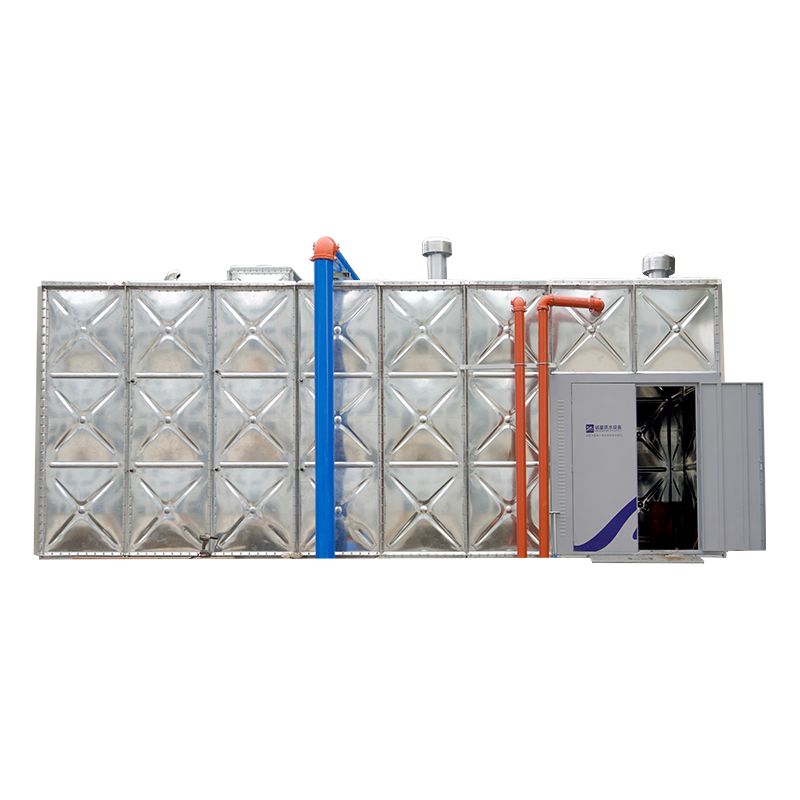 SW Integrated Prefabricated Box Pumping Station for Indoor UseAn above-ground prefabricated box station with a rigid bidirectional arc ribbed tank and integrated pump room, suited for projects needing accessible maintenance in controlled indoor spaces.View Product →
Buried stations trade maintenance convenience for a clean site, which suits plazas and streetscapes.
Combined domestic-and-fire stations share the suction manifold but keep fire discharge headers hydraulically independent, the most common arrangement in high-rise projects.
Non-negative-pressure stations draw directly from the municipal line through a compensator tank, avoiding negative pressure on the public network.
Size the station from the larger of two numbers: the peak domestic flow and the fire demand. In most high-rise projects the fire flow governs; domestic flow governs when fire coverage is provided separately.
The common mistake is oversizing. A 20% margin on both flow and head pushes the duty point away from the best-efficiency zone and raises the suction requirement. A station that matches the real pump curve with VFD trim is cheaper to buy and cheaper to run.
When one station handles domestic and fire duties, GB 50974 requires the fire pump to start within two minutes of an alarm and deliver full duty regardless of domestic demand. The shared suction manifold must be sized for the largest simultaneous draw, while the fire side stays hydraulically independent.
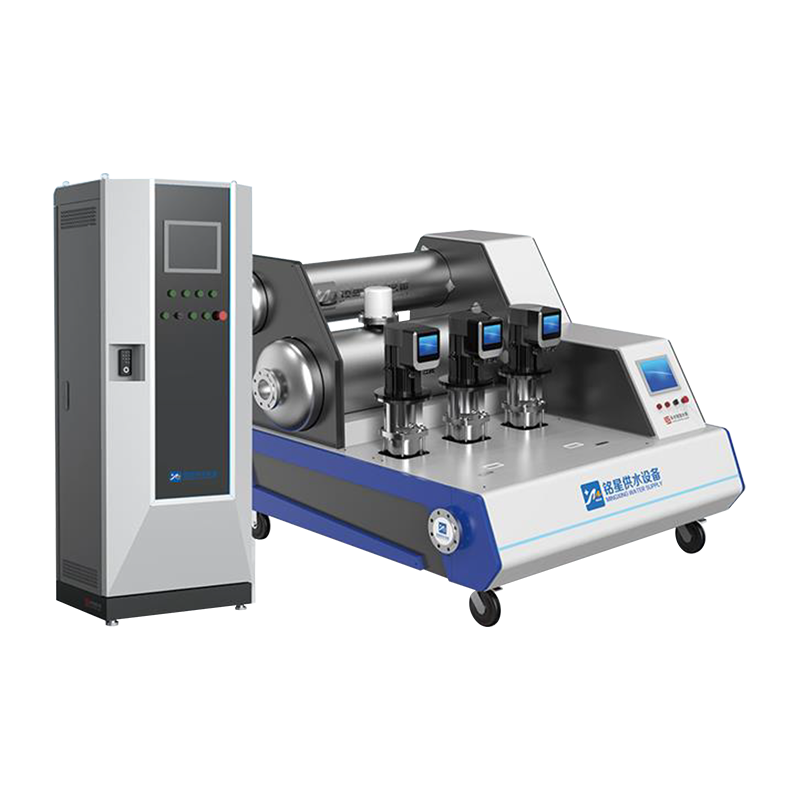
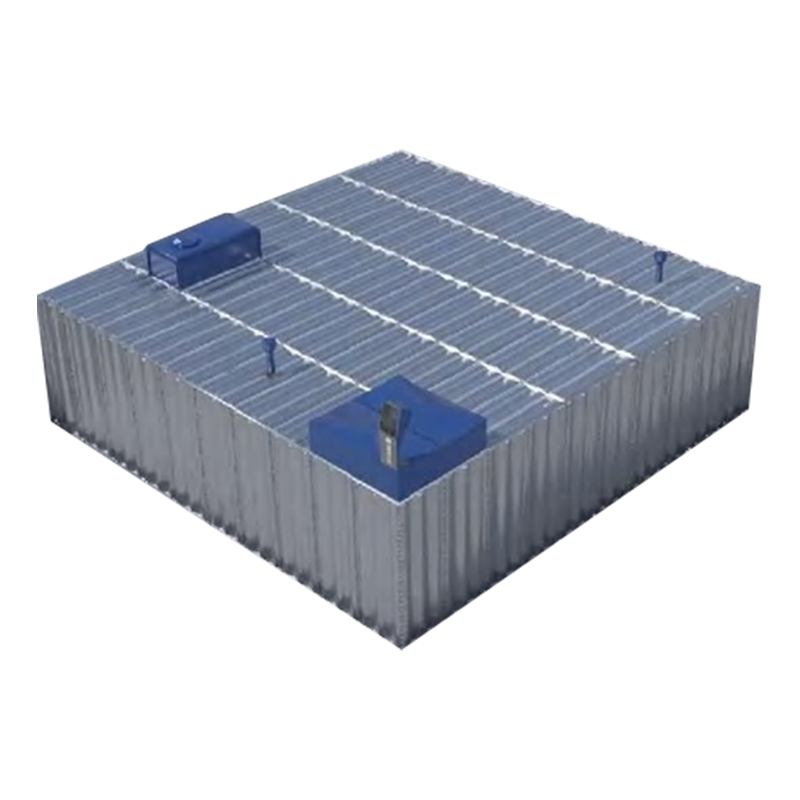 Integrated Domestic and Fire Protection Pump StationA modular pump station combining domestic supply and fire-fighting duties, with intelligent control and shared suction manifold, ensuring fire pump startup within two minutes as required.View Product →
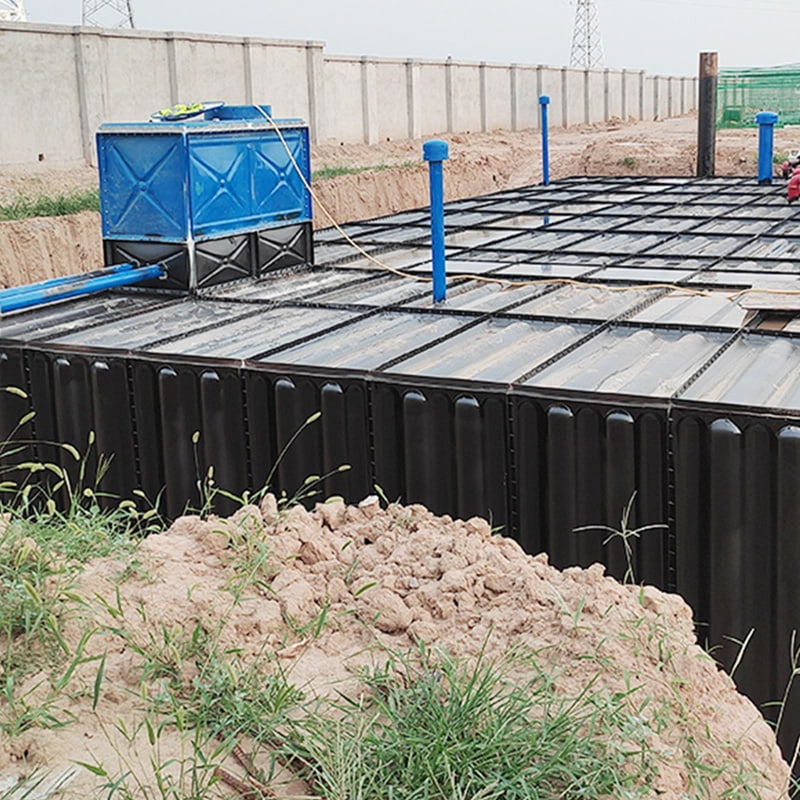
The site decides the installation form. Above-ground stations fit projects with indoor space or enclosed mechanical rooms; buried stations fit plazas, streets and basements where the surface belongs to people, not machines.
Above-ground box-type
Buried anti-floating
Relative comparison between a cast-in-place pump room and an integrated pump station, indexed to 100 for the traditional room.
When the water table is high, the buried option needs an anti-floating calculation covering worst-case groundwater uplift. Recent anti-floating underground firefighting integrated pump station technology solves this with a sealed composite structure that acts as its own gravity anchor, so the station does not lift even when the pit is dry.
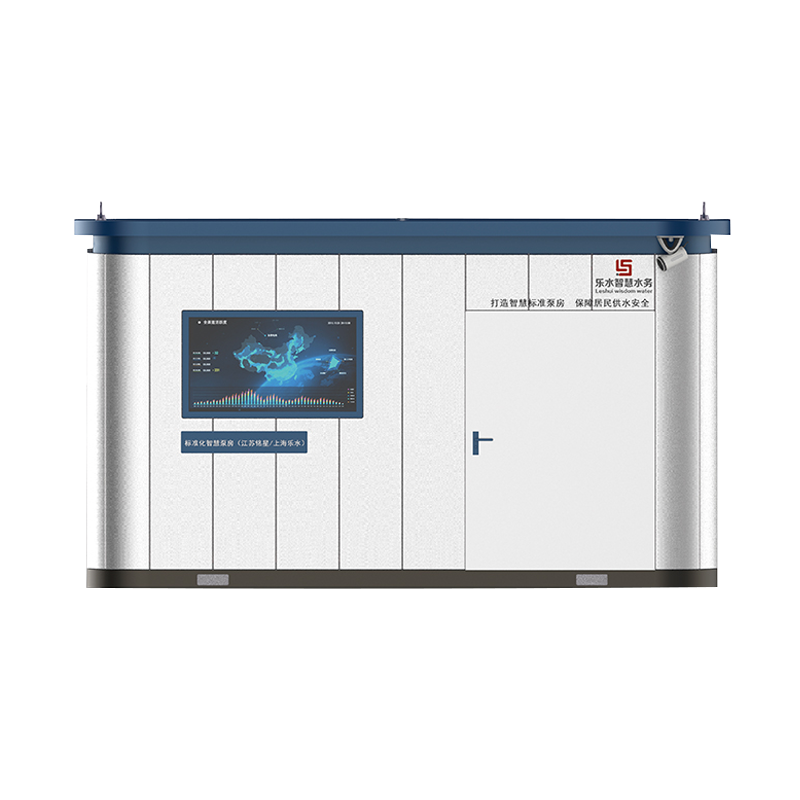
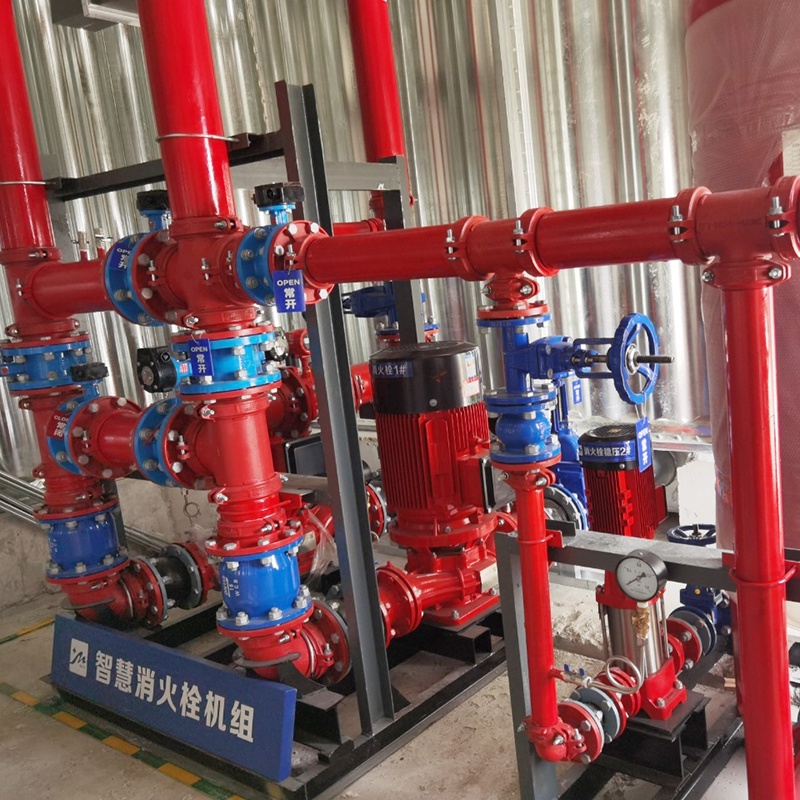 Mingxing Buried Anti-Floating Fire Pump StationAn underground firefighting station designed with a sealed composite structure and gravity anchor to resist groundwater uplift, reducing footprint by over 50% and responding within five seconds.View Product →
An integrated station typically costs 15-30% less to operate over its lifetime than a conventional pump room because civil volume shrinks and service work is concentrated in one accessible envelope.
Downtime is also shorter: a technician can isolate a fault from a single control logic panel instead of tracing wiring across a large plant room.
Verify four things on the supplier side: standard compliance, factory test evidence, material durability and service coverage. The cheapest quotation rarely covers all four.
Jiangsu Mingxing Water Supply Equipment Co., Ltd. (MX) led the editing of 18CS01 and CECS 623-2019, so its stations are measured against a document it helped write.
For projects outside China, verify local code equivalency: NFPA 20 covers the fire pump set, while the enclosure follows the local building code. Ask for a cross-reference table, and talk directly with the manufacturer's application engineers before freezing the design.
Typical installations reduce the pump room footprint by 40-50% versus a cast-in-place room of the same duty. A twin-pump station with a 30 kW per pump set commonly fits in 16-24 m2 including the control cabinet.
Yes. Combined domestic-and-fire stations share the suction manifold but keep separate discharge headers, and the fire side must stay hydraulically independent in accordance with the fire code. Most high-rise residential projects use this arrangement with a dedicated fire reserve pump.
The anti-floating design calculates worst-case groundwater uplift, seals the enclosure to IP68, and uses structural mass plus ballast to keep the station in place. When the water table is high, the buried enclosure is effectively its own gravity anchor.
A standard program includes quarterly valve cycling and leak checks, semi-annual pump seal and control cabinet inspection, and annual calibration with a full-load test. With VFD control and IoT monitoring, most stations run six to eight years before any major component replacement.
Related Products

Contact us
Headquater Address
Room 901, Building 17, Lane 1088, Shen Hong Road, Minhang District, Shanghai
Factory Address
No. 1, Mingxing North Road, Tech Innovation Park, Jianhu County, Yancheng, Jiangsu, P. R. China
Amy@mxwatersupply.com
Amy@mxwatersupply.com
Telephone(Whatsapp/Wechat)
+86-18051685983
QR CODE

 English
 Français