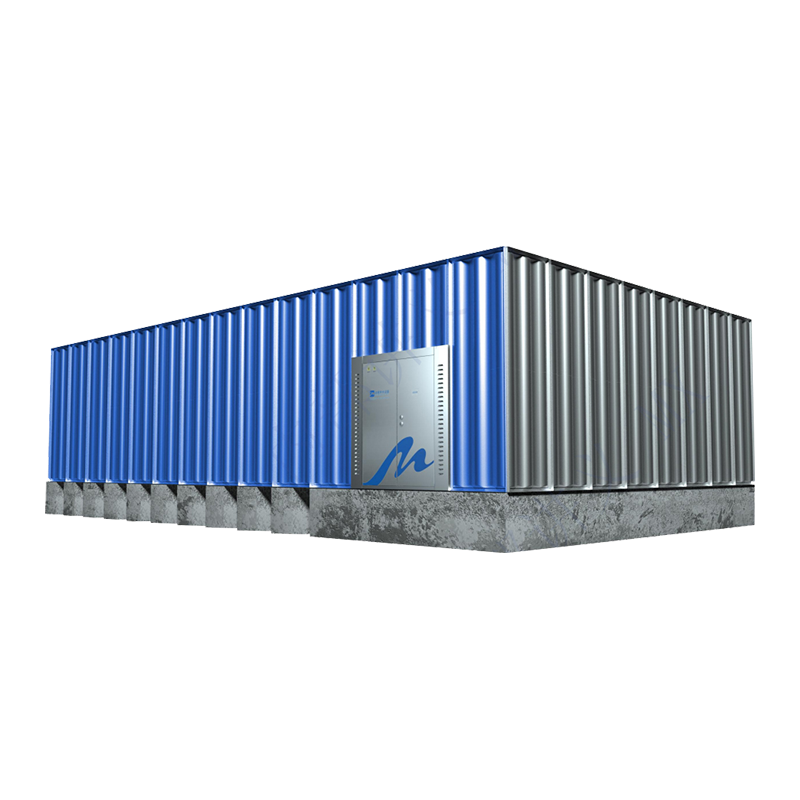
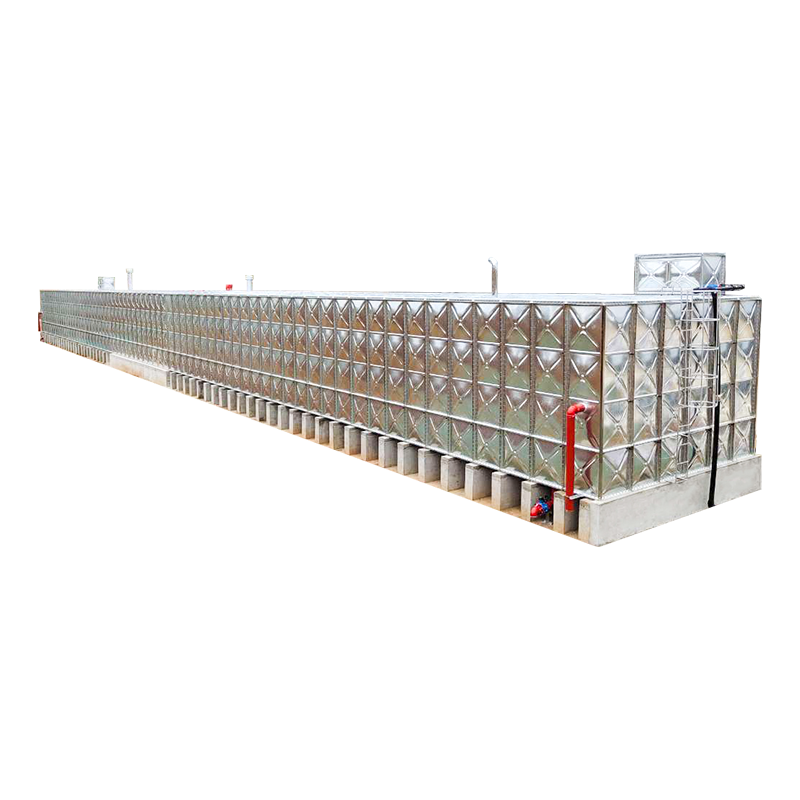
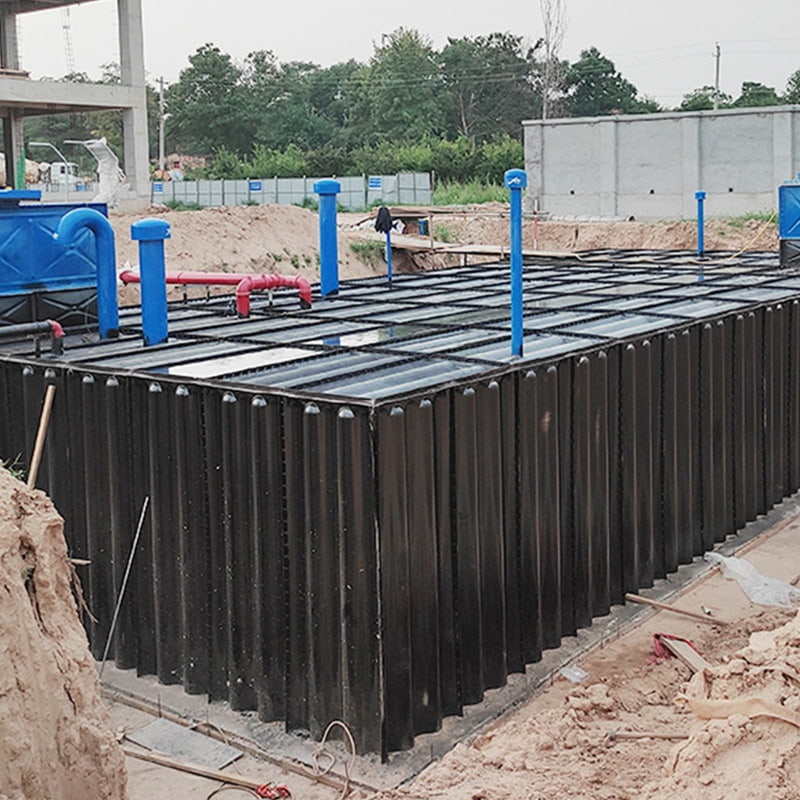
High-Capacity Modular Fire-Fighting Water Tank - Modular Storage System for Fire Safety Infrastructure
Product Features
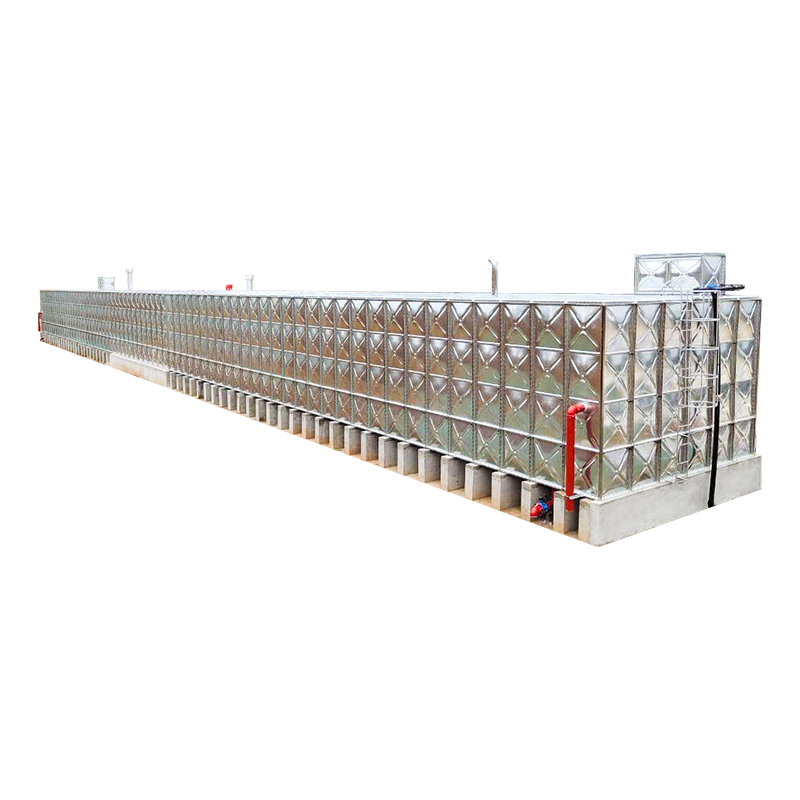
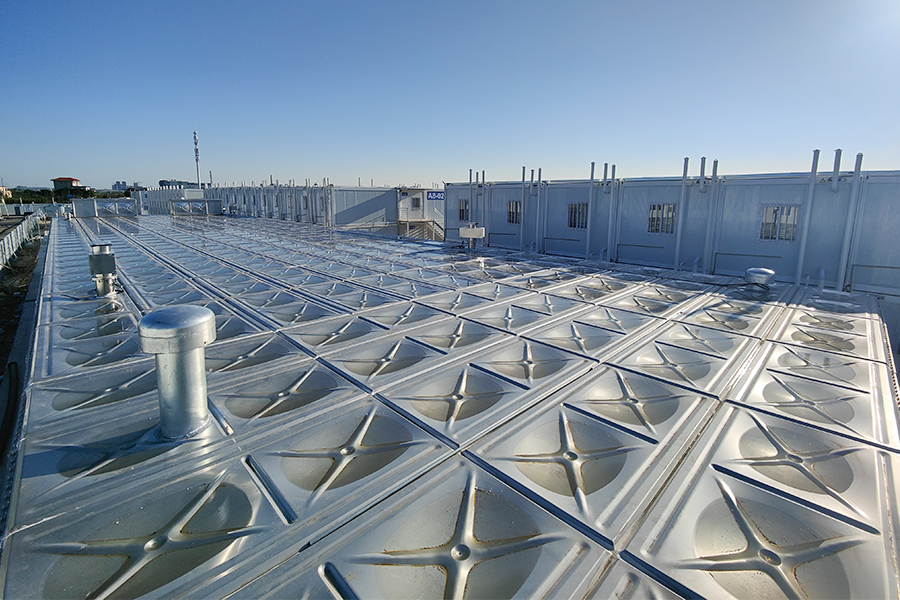
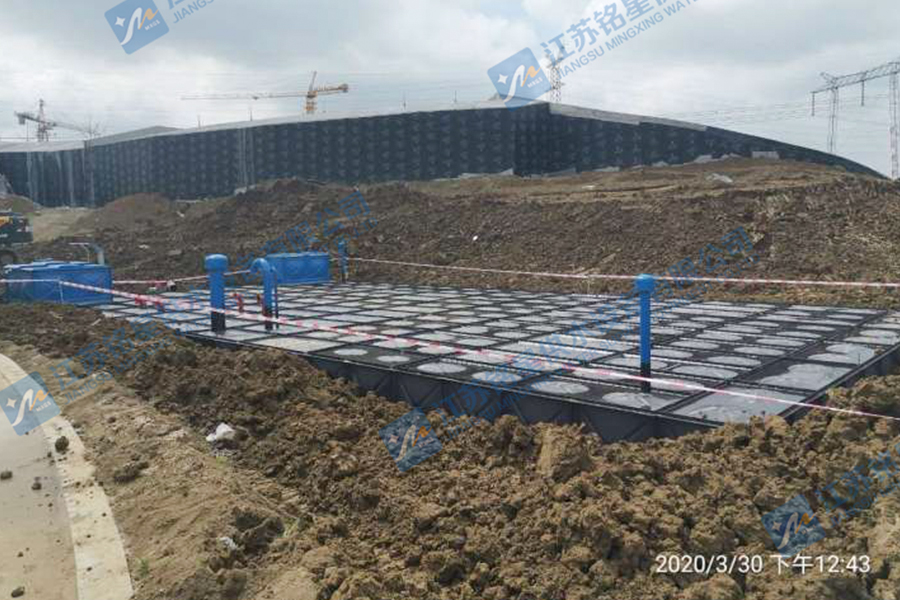
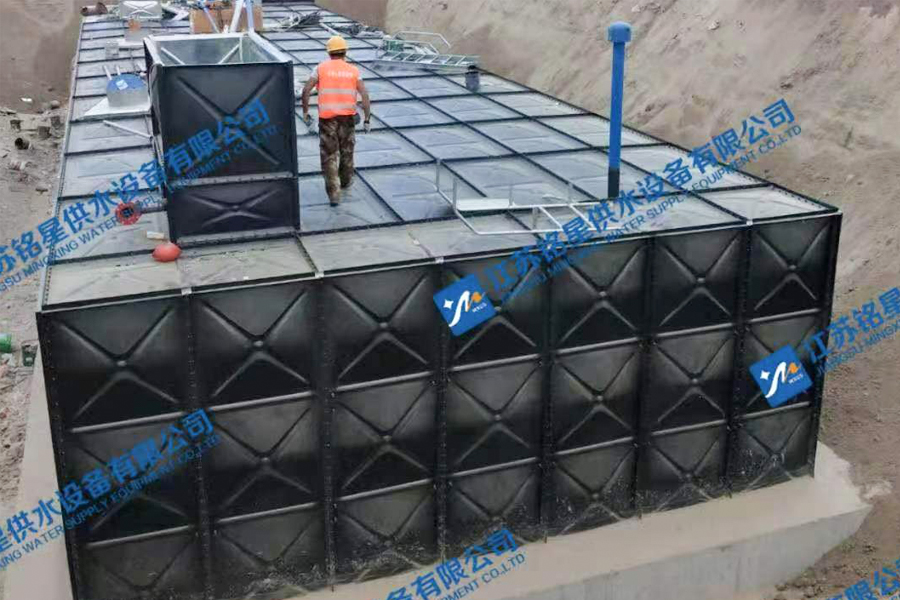
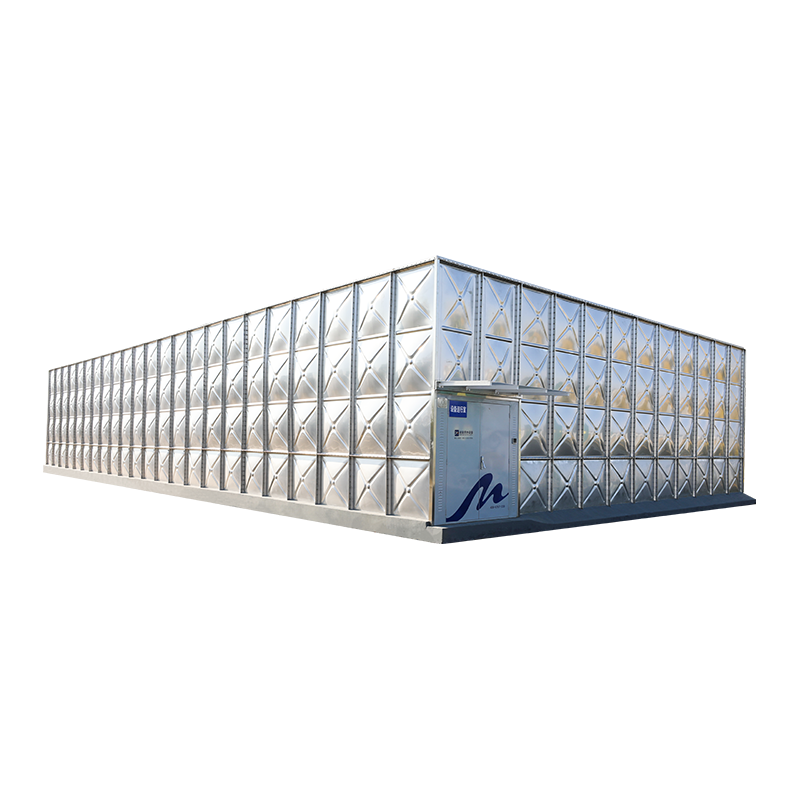
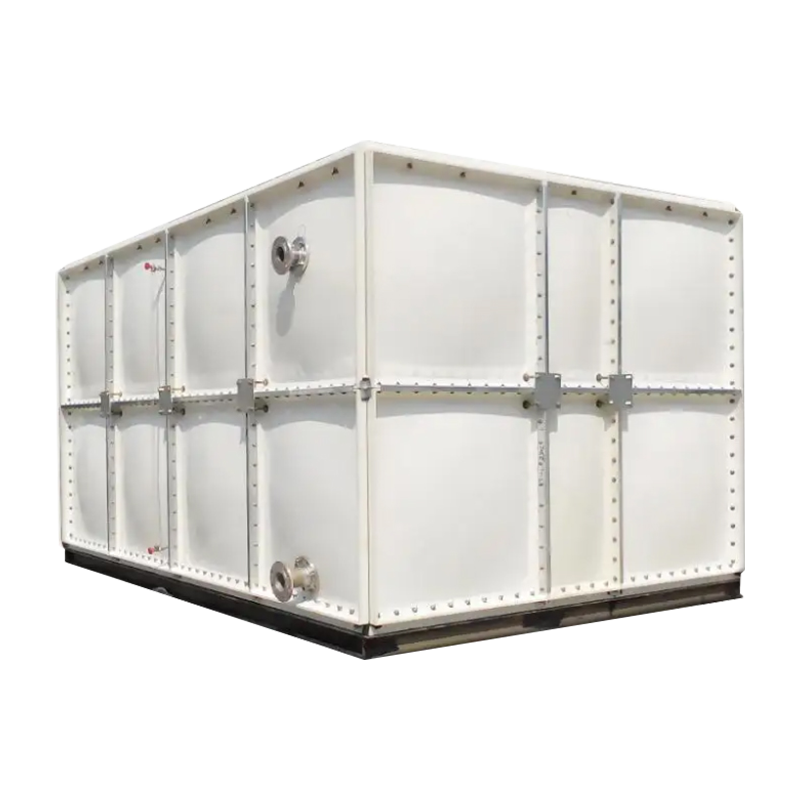
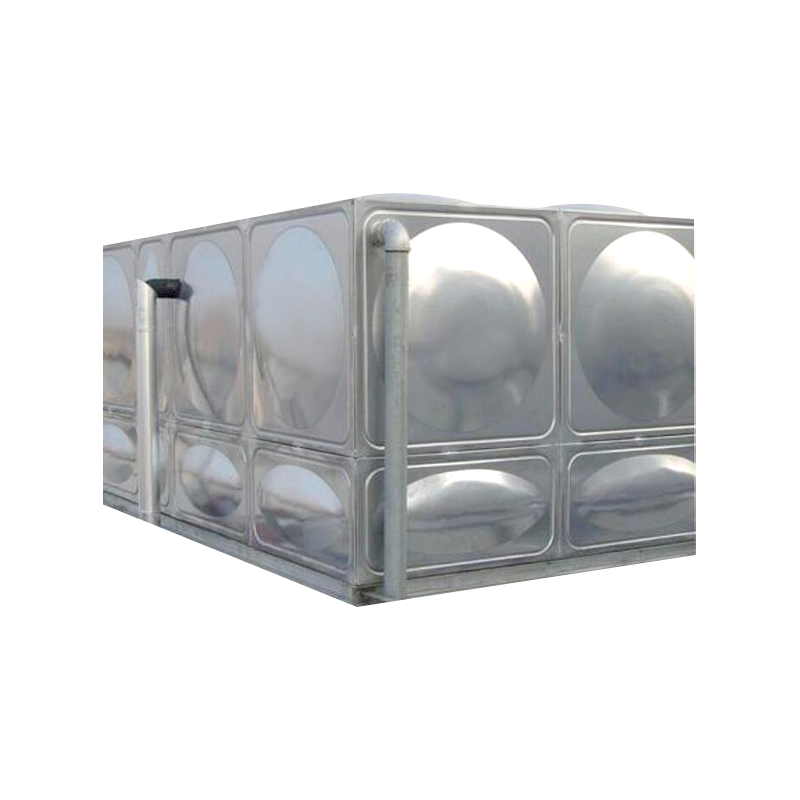
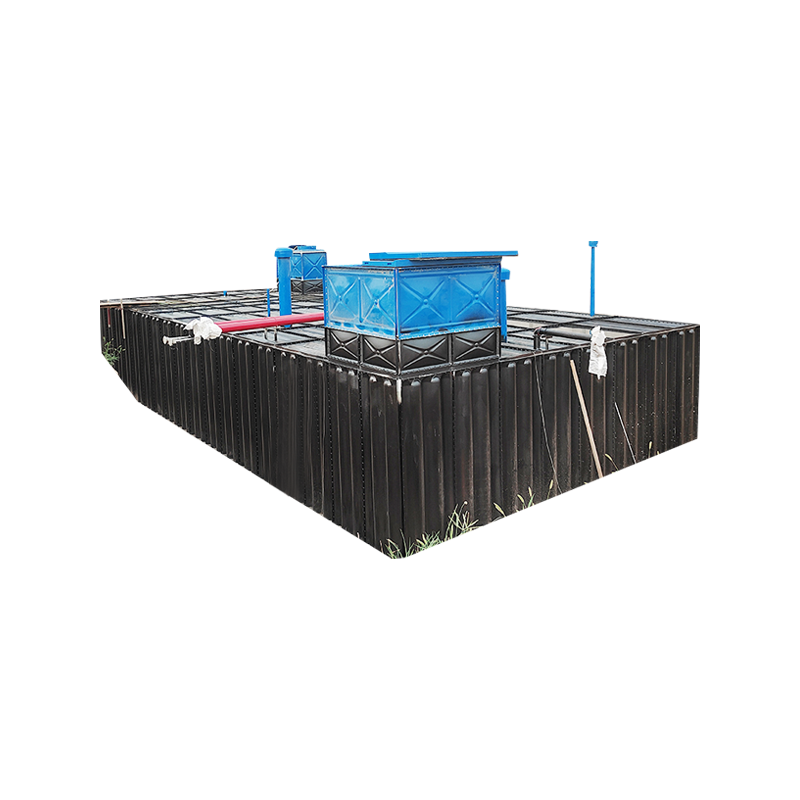
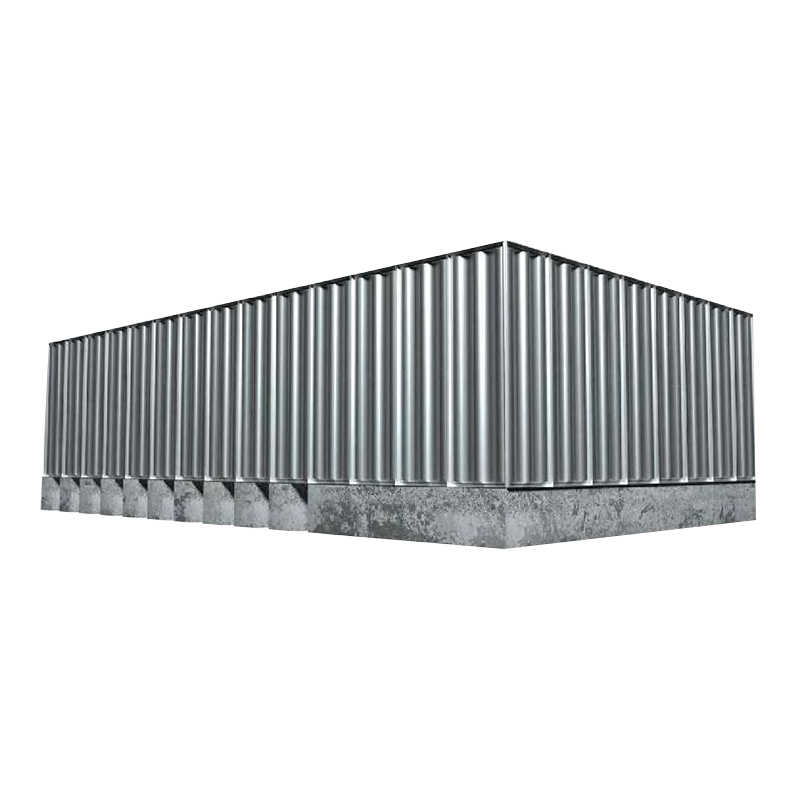
- Modular Panel Structure: Designed with bolted sectional panels that support scalable configurations for varying fire-fighting water storage requirements.
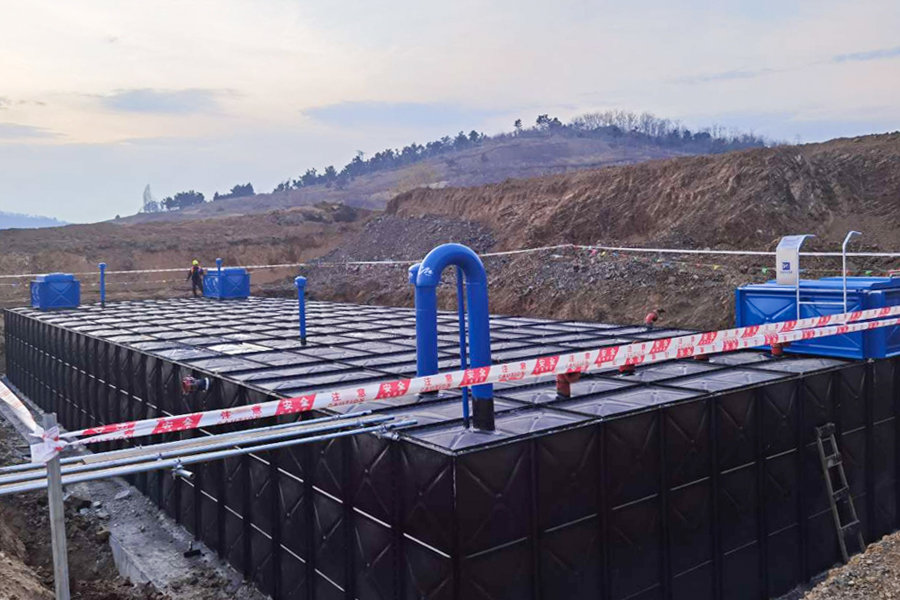
- Corrosion-Controlled Materials: Constructed from coated steel or composite panels to support long-term water retention in environments with fluctuating temperature and humidity.
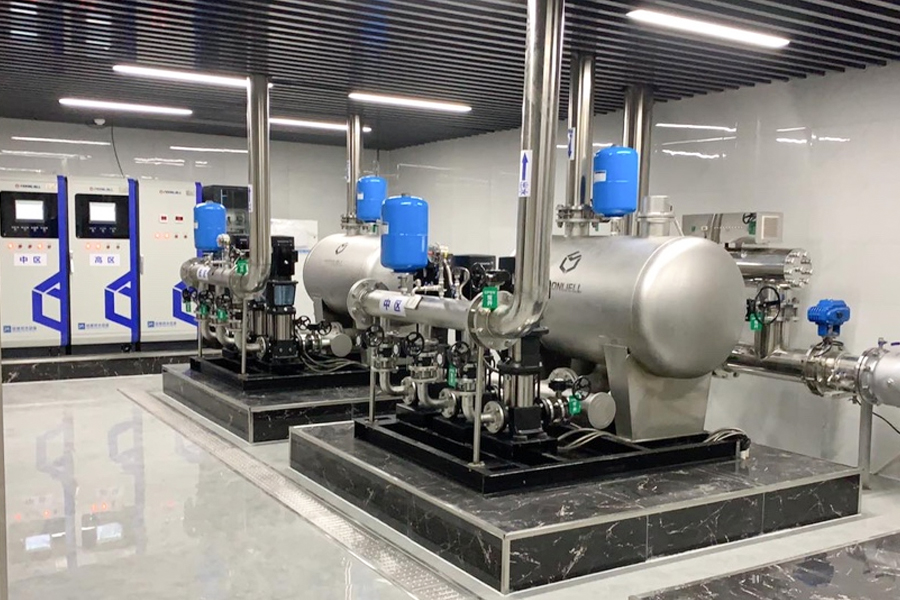
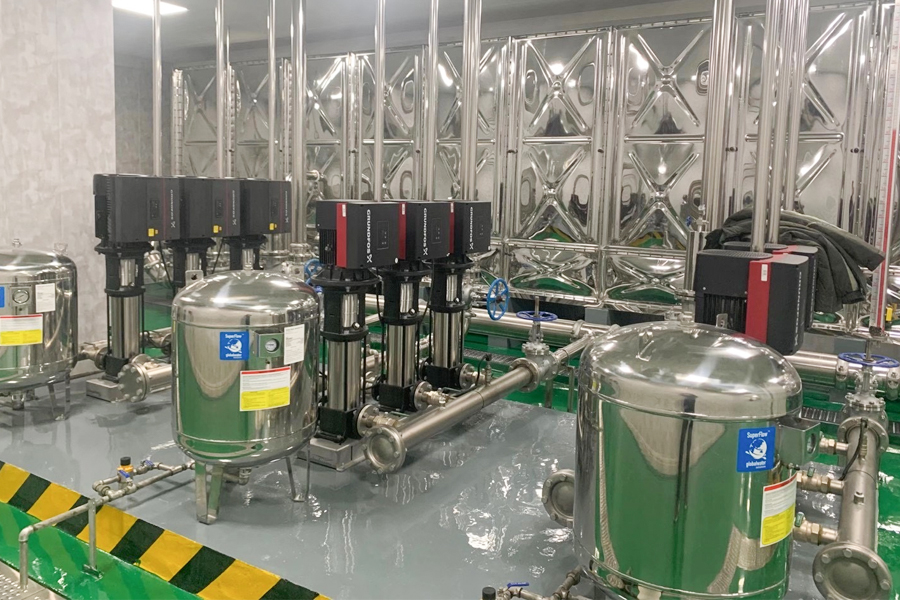
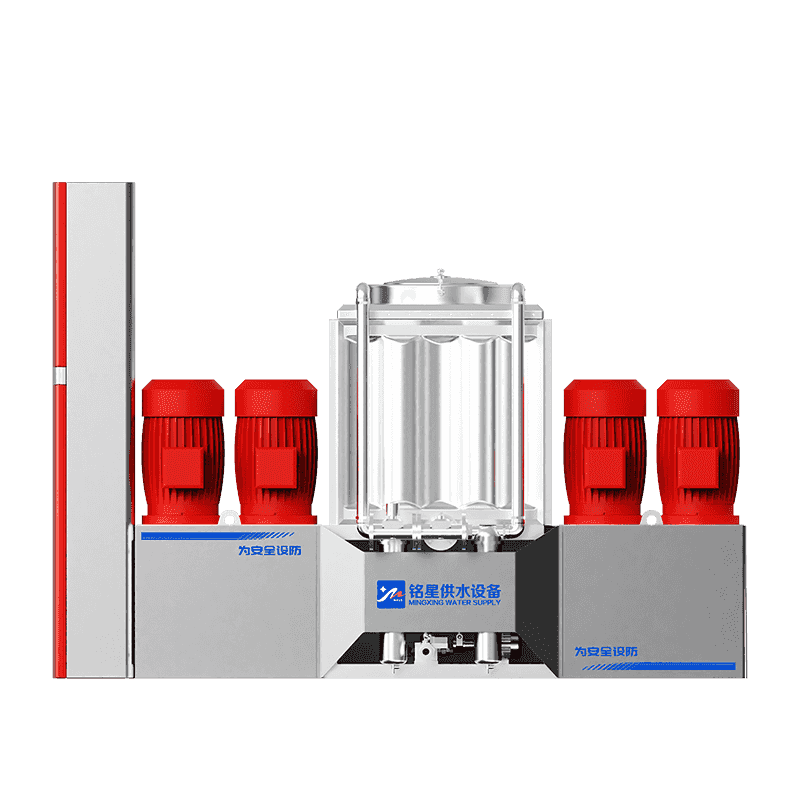
- Low-Maintenance Integration: Compatible with fire pump systems, pipeline networks, and building fire-protection installations while minimizing routine servicing tasks.
Product Description
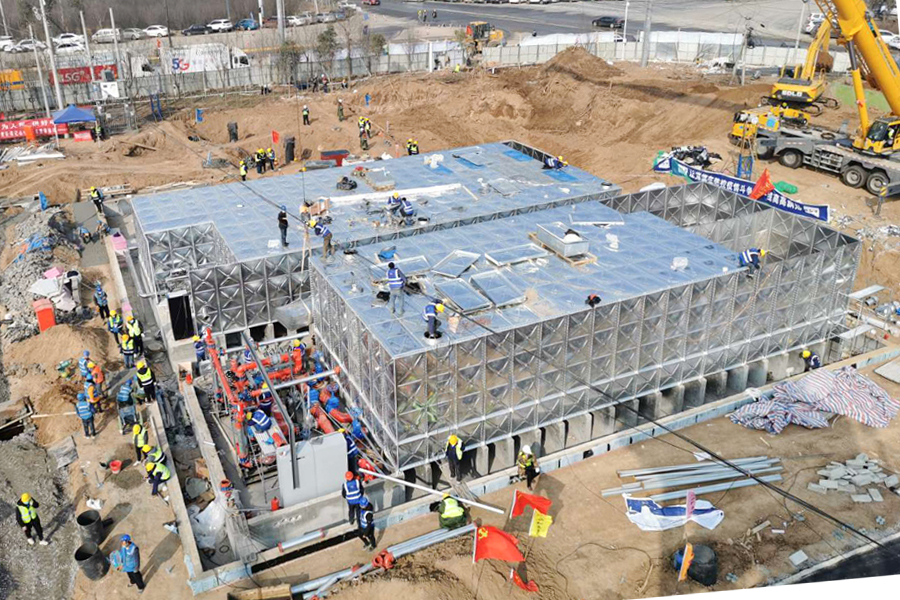
The High-Capacity Modular Fire-Fighting Water Tank is engineered for stationary fire-water storage in industrial and commercial facilities. The tank structure follows applicable fire-safety water storage guidelines and incorporates sectional plates manufactured under controlled machining processes. The assembly system supports on-site installation, expansion, and maintenance with standardized components. The design accommodates long-term static water load, distribution uniformity, and compatibility with sprinkler systems, hydrant pump sets, and emergency supply pipelines.
Application Areas
This product is applicable in the following scenarios:
- Industrial fire-water storage systems for factories and processing facilities
- Commercial building fire-safety reservoirs
- Emergency water supply for fire pump stations
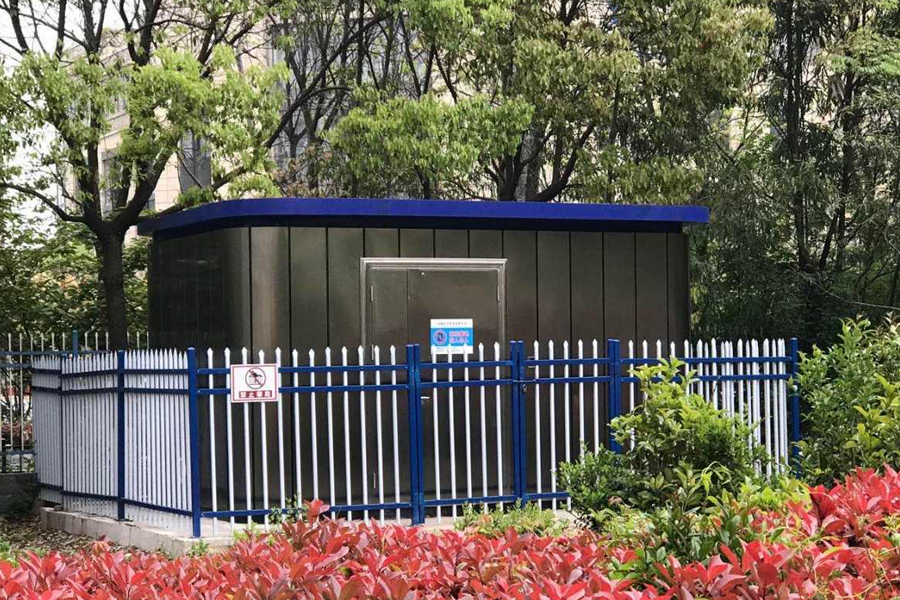
- Remote-site or modular building fire-protection installations
FAQ
1. How does a modular fire-fighting water tank integrate with existing fire pump and sprinkler systems?
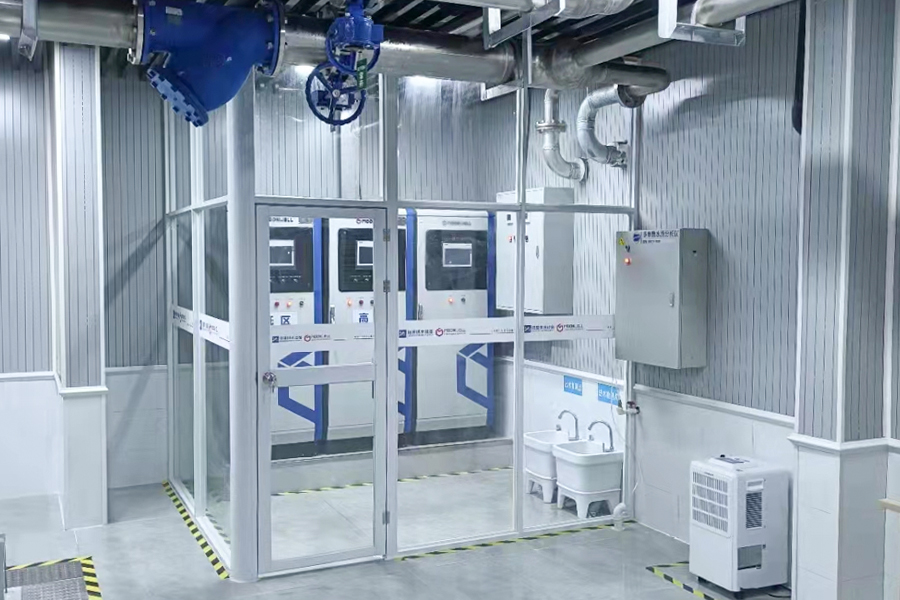
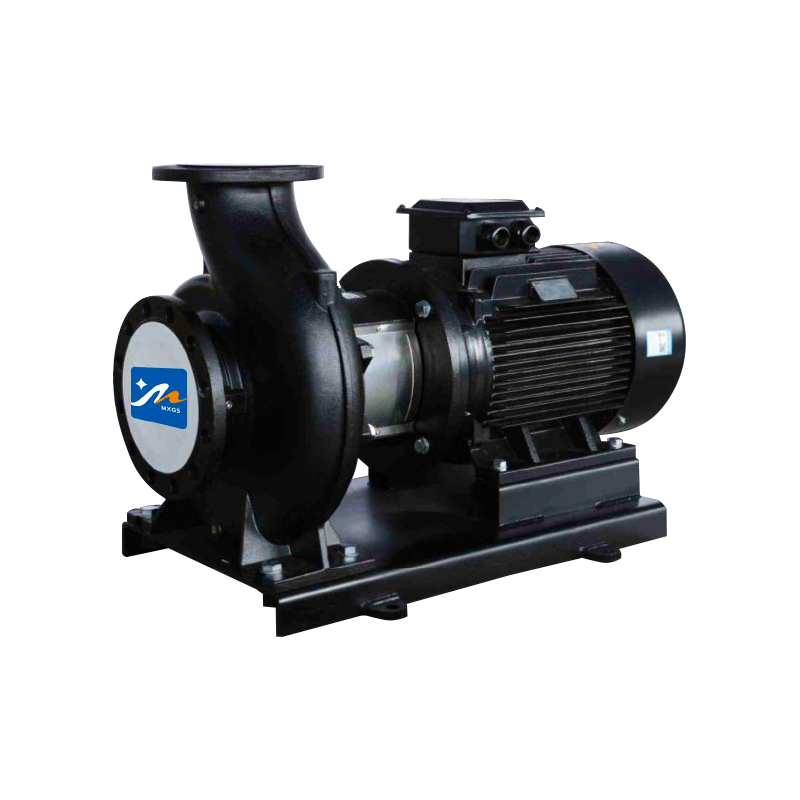
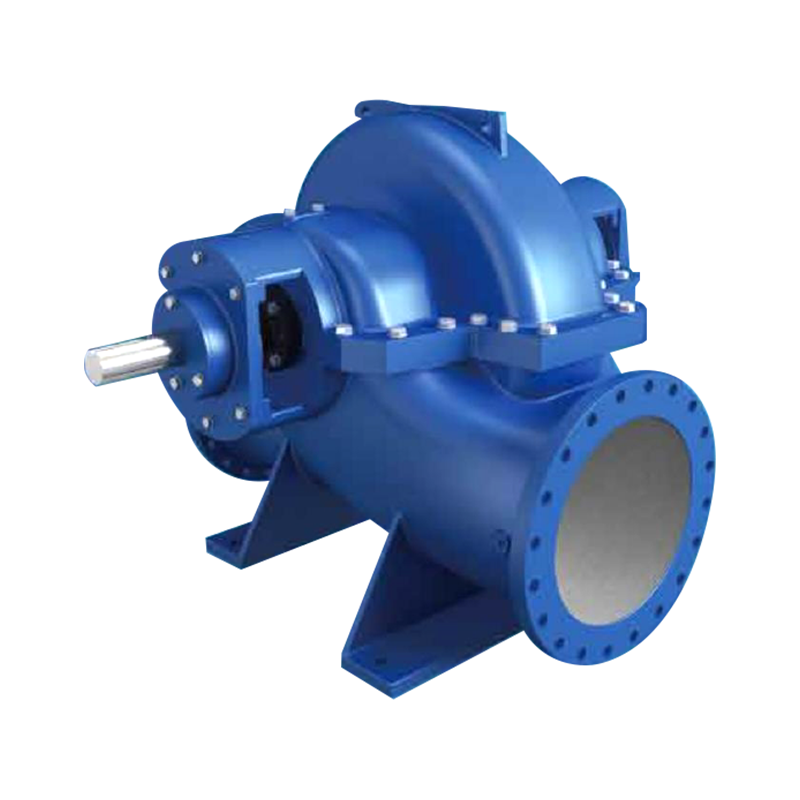
The modular tank connects to pump sets through outlet flanges designed for steady water extraction. Flow control valves, suction strainers, and pipeline interfaces allow direct integration with sprinkler networks and hydrant systems. The modular format supports customized outlet positioning to align with existing system layouts.
2. What factors influence the long-term reliability of a modular fire-water tank in industrial environments?
Reliability is influenced by panel material selection, gasket performance, internal bracing stability, and routine inspections for sealing integrity. Tanks using galvanized steel or GRP panels typically maintain structural stability under static water loads when installed on a reinforced foundation. Scheduled checks for joint sealing and corrosion exposure help maintain operational integrity.
3. Can the tank be expanded if the facility's fire-water demand increases over time?
Yes. The sectional panel structure enables reconfiguration or expansion by adding panels and internal bracing components. This allows facilities to increase storage capacity without replacing the entire system, reducing installation downtime and structural modifications.

 English
 Français