Mar 15, 2026
Content
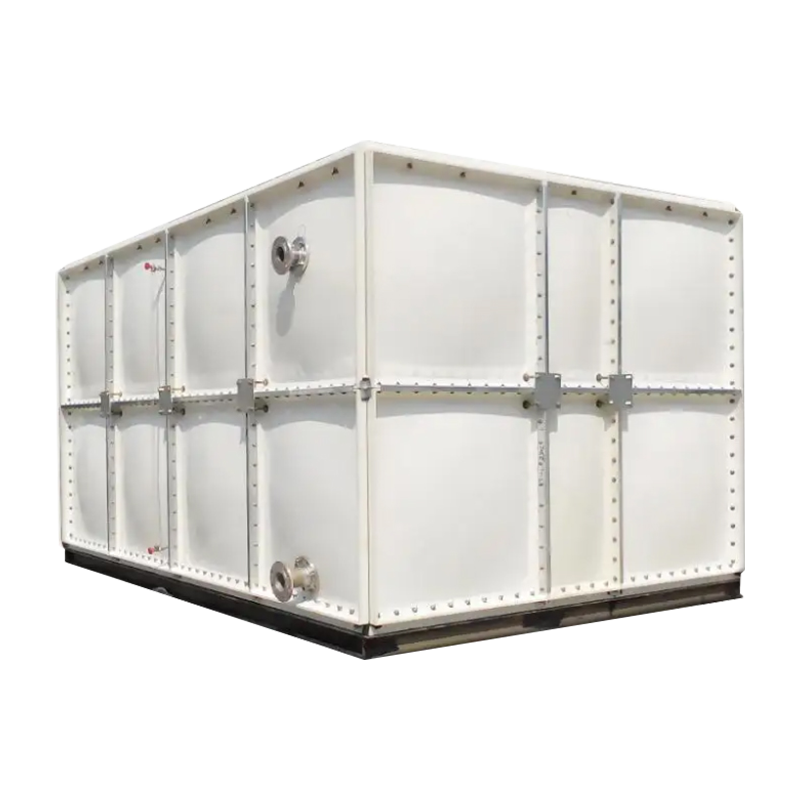
The demand for reliable, durable, and hygienic water storage solutions has never been higher in the global industrial landscape. Whether for potable water supply, fire protection systems, or industrial process cooling, the choice of material for a water storage tank is a critical engineering decision. Traditionally, steel and concrete have dominated the market; however, Glass Reinforced Plastic (GRP), also known as fiberglass, has emerged as the preferred modern alternative.
This article provides an in-depth technical analysis of GRP water tanks, specifically focusing on their advantages over traditional sectional steel tanks. By examining material properties, lifecycle costs, and installation flexibility, we aim to provide procurement managers and engineers with the data needed to optimize their fluid storage infrastructure.
GRP is a composite material consisting of a polymer matrix (usually a thermosetting resin) reinforced with glass fibers. This combination creates a material that possesses the structural strength of metal while maintaining the chemical inertness and lightweight properties of plastics.
In the manufacturing of water tanks, Sheet Molding Compound (SMC) technology is often employed. This process involves high-pressure molding of the panels, ensuring a uniform thickness and a smooth interior finish. The resulting panels are UV-stabilized and non-corrosive, making them inherently superior to metals that rely on sacrificial coatings for protection.
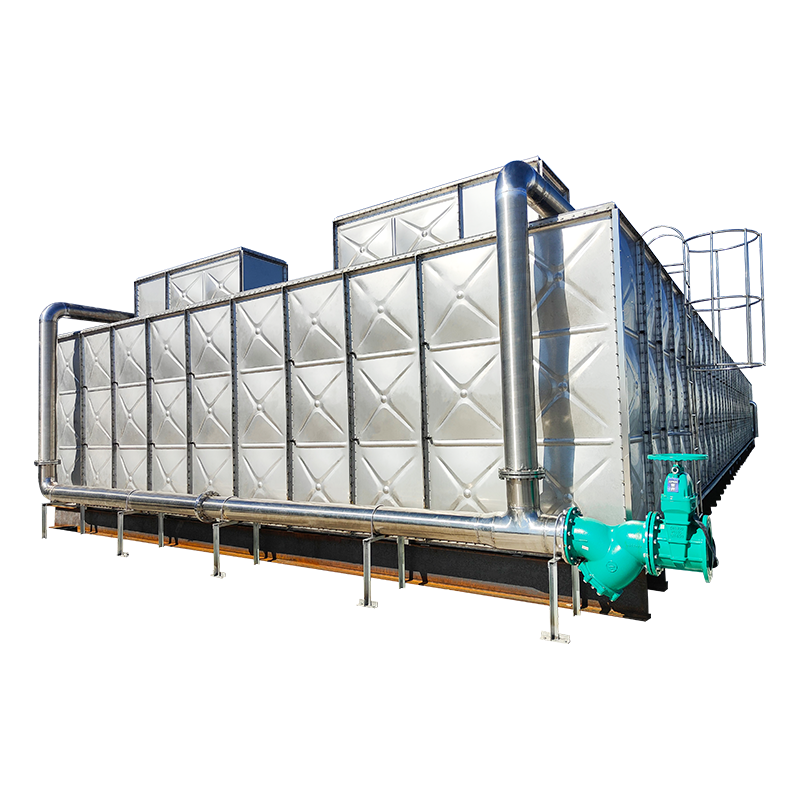
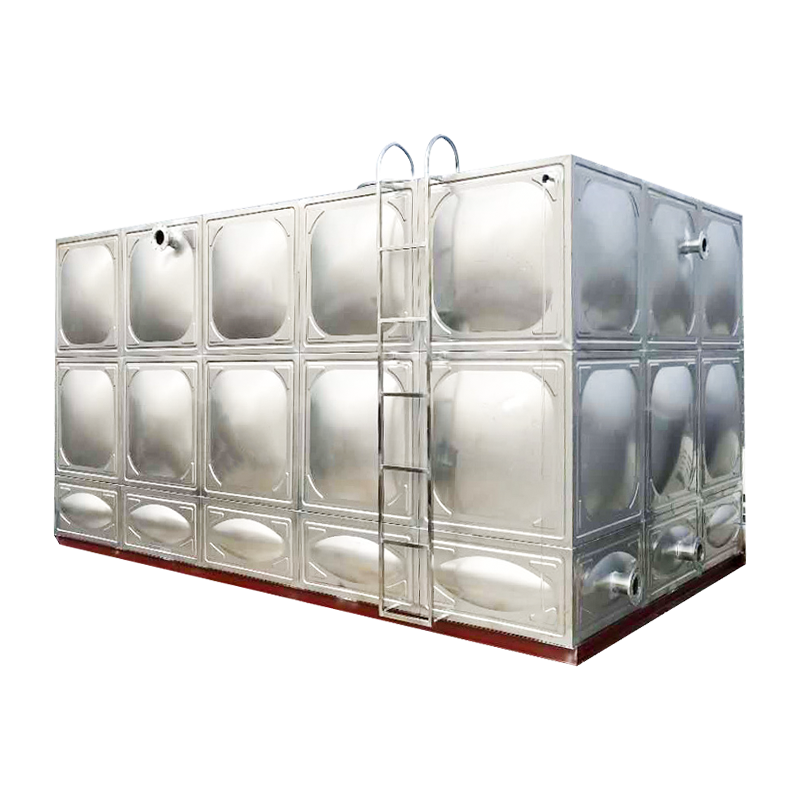
The following table summarizes the primary technical differences between GRP tanks and traditional Galvanized Steel (HDG) or Stainless Steel tanks.
| Feature | GRP (Glass Reinforced Plastic) | Galvanized Steel (HDG) | Stainless Steel (SS304/316) |
|---|---|---|---|
| Corrosion Resistance | Excellent (Inherent) | Poor (Requires Coating) | Good (Subject to Pitting) |
| Weight | Very Light (Easy to transport) | Heavy | Moderate to Heavy |
| Maintenance | Minimal | High (Recovers/Repainting) | Moderate (Internal cleaning) |
| Hygiene | High (Bacterial resistance) | Low (Potential for rust) | High |
| Life Expectancy | 25-40 Years | 10-15 Years | 20-30 Years |
| Installation Speed | Fast (Modular panels) | Moderate | Slow (Welding/Bolting) |
| Insulation | Excellent (Low conductivity) | Poor (Thermal gain/loss) | Poor |
One of the most significant advantages of GRP is its resistance to corrosion. Unlike steel tanks, which will eventually rust if their galvanized or epoxy coating is scratched, GRP is a non-metallic composite. In coastal areas with high salinity or industrial zones with chemical exposure, steel tanks require frequent inspections and expensive recoating.
GRP tanks are virtually unaffected by the chemistry of the water they hold. This makes them ideal for storing various types of water, including:
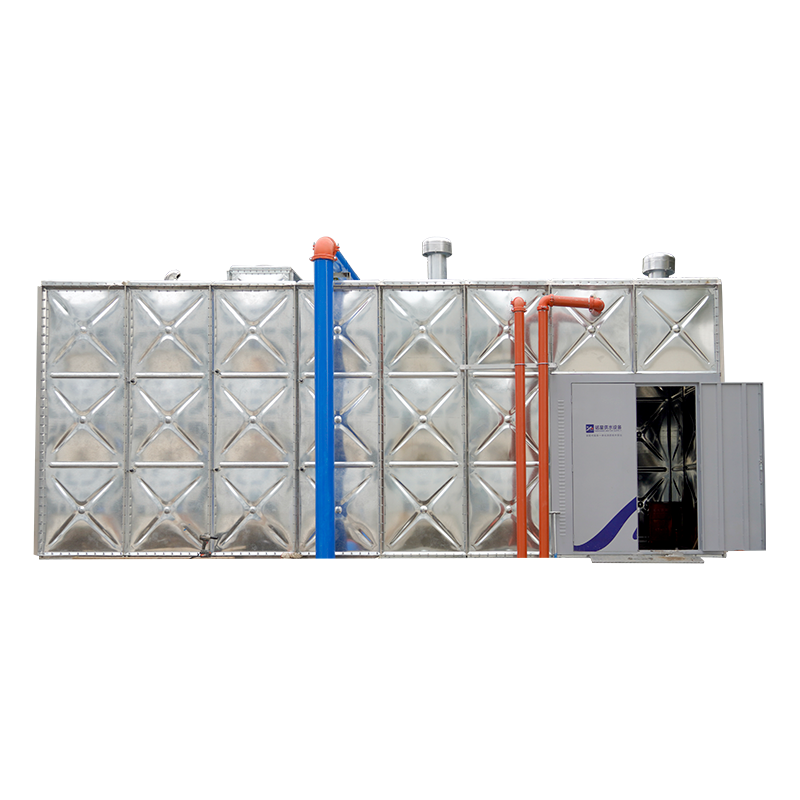
Industrial sites often present logistical challenges, such as restricted access or existing structural limitations. GRP tanks are designed as sectional modular panels. These panels are manufactured in standard sizes (e.g., 1x1m, 1x0.5m, 0.5x0.5m) and are bolted together on-site.
This modularity allows for:
For outdoor installations, thermal management is essential. GRP has a low thermal conductivity. In hot climates, this prevents the water from reaching high temperatures that could promote bacterial growth. In cold climates, GRP panels can be manufactured with a polyurethane foam core (insulated panels) to prevent freezing.
Furthermore, high-quality GRP panels are treated with UV stabilizers during the molding process. This prevents the fiberglass from becoming brittle when exposed to direct sunlight, ensuring the structural integrity remains intact for decades.
In the food, beverage, and pharmaceutical industries, water purity is paramount. The smooth, non-porous surface of GRP panels inhibits the growth of algae and bacteria. Unlike concrete, which can develop micro-cracks that harbor pathogens, GRP remains a sealed environment.
Modern GRP tanks meet international health standards such as WRAS (Water Regulations Advisory Scheme) and NSF. This ensures that the taste, smell, and chemical composition of the stored water remain unchanged.
While GRP panels are lightweight, the structural design of the tank ensures it can withstand immense hydraulic pressure. Two primary reinforcement systems are used:
The use of high-tensile bolts and high-performance EPDM gaskets ensures that the joints remain leak-proof even under fluctuating temperatures.
While the initial purchase price of a GRP tank may be higher than a low-end galvanized steel tank, the Total Cost of Ownership (TCO) is significantly lower.
A successful GRP tank installation begins with a proper foundation. A concrete plinth or steel I-beams must be level within strict tolerances (typically +/- 2mm).
Step-by-Step Overview:
The shift toward GRP water tanks in the industrial sector is driven by the need for longevity, hygiene, and cost-efficiency. By eliminating the risks of corrosion and providing a flexible, modular installation process, GRP technology represents the pinnacle of modern liquid storage. For any enterprise looking to export or upgrade their infrastructure, GRP remains the most reliable choice for 2026 and beyond.
Related Products

Contact us
Headquater Address
Room 901, Building 17, Lane 1088, Shen Hong Road, Minhang District, Shanghai
Factory Address
No. 1, Mingxing North Road, Tech Innovation Park, Jianhu County, Yancheng, Jiangsu, P. R. China
Amy@mxwatersupply.com
Amy@mxwatersupply.com
Telephone(Whatsapp/Wechat)
+86-18051685983
QR CODE

 English
 Français