Mar 15, 2026
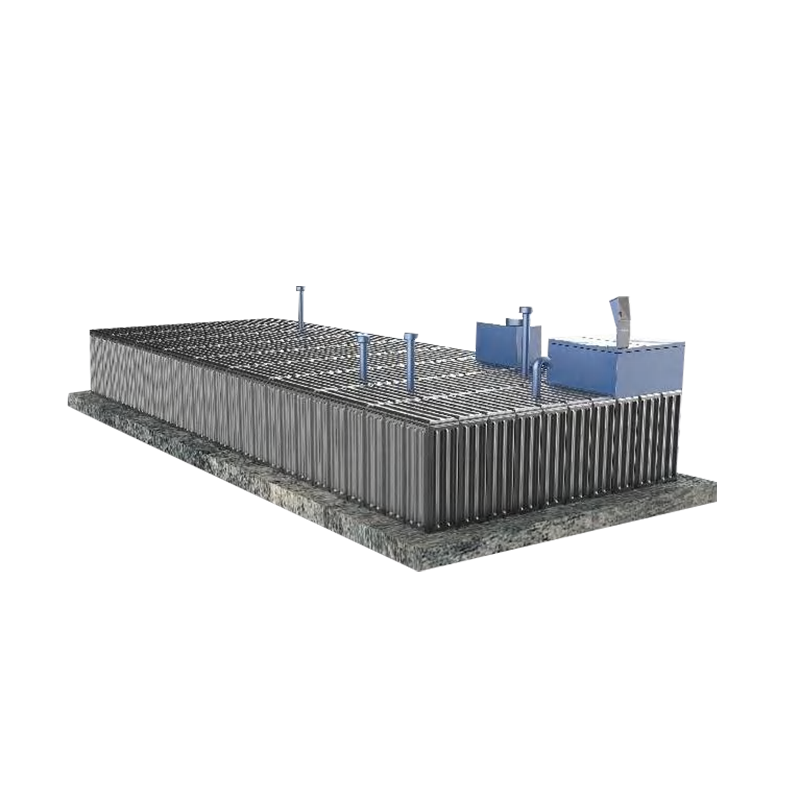
In large-scale industrial and commercial water storage, the Sectional Water Tank has become the global standard due to its modularity and adaptability. Unlike traditional one-piece tanks, sectional tanks are composed of individual panels bolted together on-site. This design solves the logistical challenge of transporting massive volumes and allows for installation in confined spaces like basements or rooftops. Choosing the right material—GRP (Glass Reinforced Plastic), HDG (Hot Dip Galvanized), or Stainless Steel—is the most critical decision for engineering and procurement teams.
Content
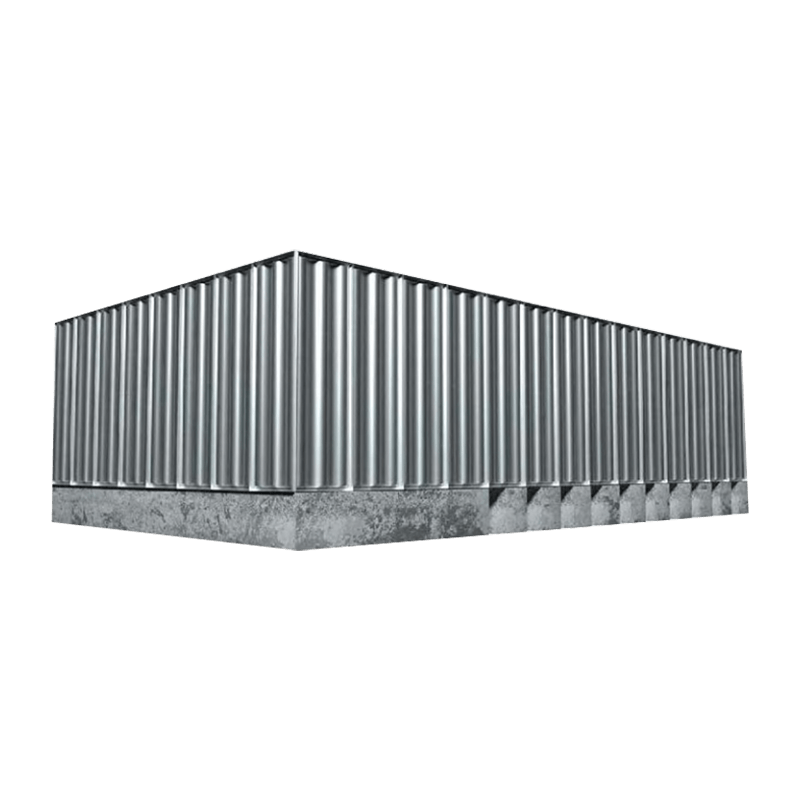
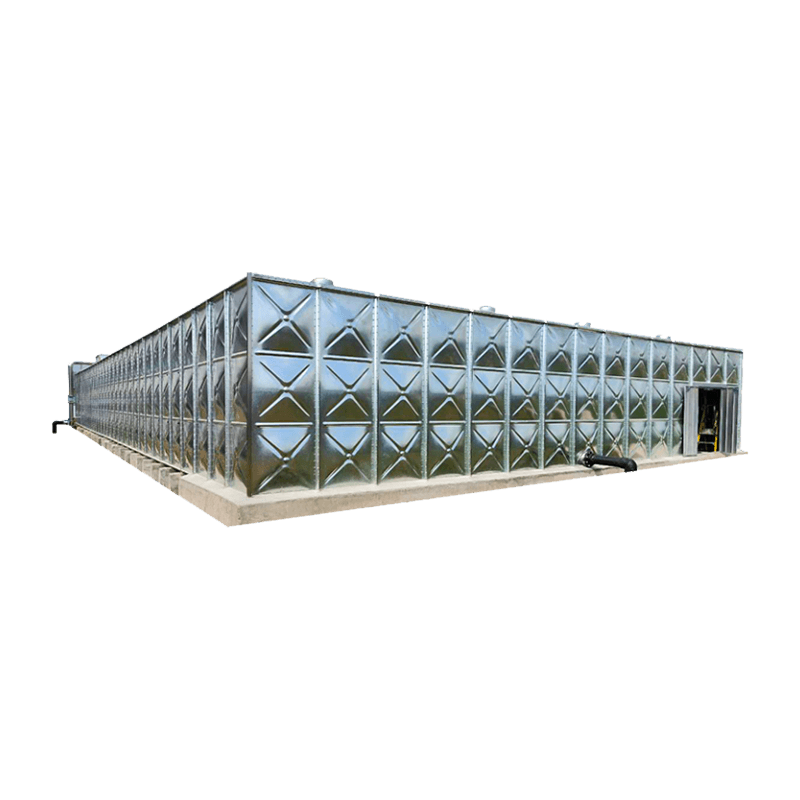
The core advantage of a sectional water tank lies in its structural engineering. Each panel, typically sized at 1x1m, 1x0.5m, or 0.5x0.5m, is manufactured using high-pressure molding or hydraulic pressing. This ensures uniform thickness and strength. When these panels are assembled, they are sealed with specialized gaskets and reinforced with internal or external stay rods.
This modularity allows for “infinite” scalability. For example, a facility can start with a 50 cubic meter tank and later expand to 500 cubic meters by adding more panels, provided the foundation and structural support are designed for the added load. Furthermore, the sectional nature allows for partitioned designs, enabling one side of the tank to be cleaned or maintained while the other side remains in operation, ensuring an uninterrupted water supply.
Different environments demand different material properties. Below is a detailed technical comparison of the three most common sectional tank materials.
| Feature | GRP Sectional Tank | HDG Sectional Tank | Stainless Steel (SS304/316) |
|---|---|---|---|
| Corrosion Resistance | Excellent (Non-metallic) | Moderate (Zinc coating) | High (Chromium layer) |
| Water Hygiene | High (No algae growth) | Standard | Highest (Medical grade) |
| Weight | Lowest (Easy to handle) | Heavy | Moderate to Heavy |
| Primary Use | Potable water, HVAC | Firefighting, Irrigation | Food/Pharma, High-end Potable |
| UV Resistance | High (with UV coating) | Excellent | Excellent |
| Installation Complexity | Low | Moderate | Moderate |
GRP tanks, often referred to as SMC (Sheet Molding Compound) tanks, are the most popular choice for potable water. The material is inert, meaning it does not react with water or chemicals, and the smooth surface prevents the attachment of biofilm and algae. They are particularly favored in humid or coastal environments where salt air would quickly corrode metal alternatives.
HDG tanks are the workhorse of the industrial sector. By immersing steel panels in molten zinc, a thick protective layer is formed. While not as hygienic as GRP or Stainless Steel, HDG tanks offer superior structural rigidity at a lower cost point. They are the go-to solution for fire sprinkler systems and massive agricultural irrigation projects.
For projects requiring the absolute highest standards of purity, such as hospitals, pharmaceutical labs, or food processing plants, Stainless Steel is the gold standard. SS316 is especially effective in highly corrosive environments. These tanks offer the best longevity and are completely recyclable, aligning with modern sustainability requirements.
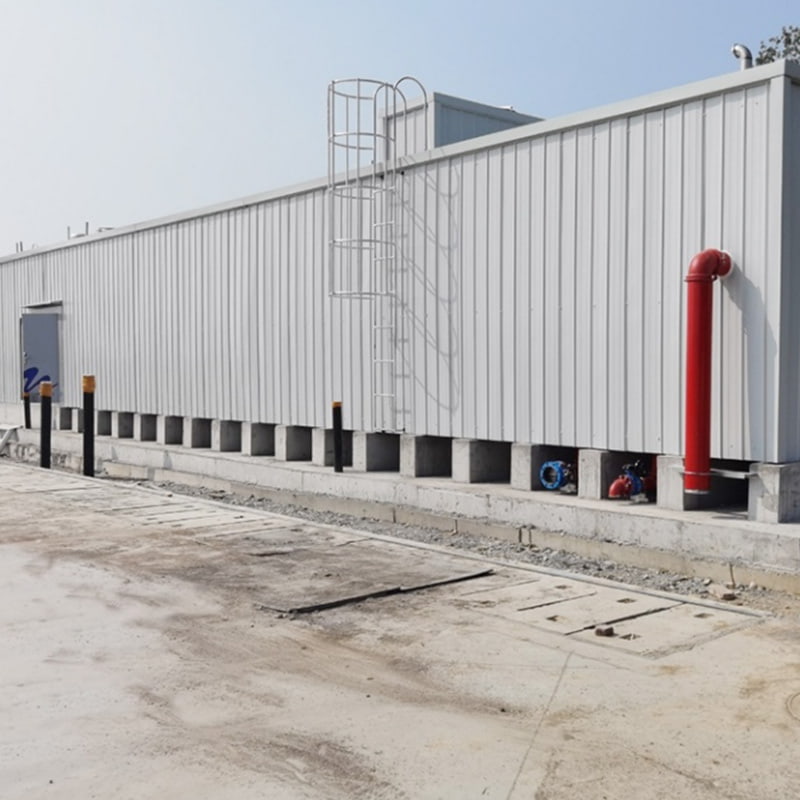
The installation of a sectional water tank is a systematic process that requires precision. It begins with the Base Support. A sectional tank cannot be placed directly on flat ground; it requires elevated concrete plinths or a steel “U-channel” frame. This elevation allows for the external bolting of the base panels and ensures that any leaks can be quickly identified.
Once the base frame is level, the assembly follows a specific sequence:
When specifying a sectional tank for a project, several technical parameters must be met to ensure safety and compliance with international standards (such as WRAS or ISO).
While sectional tanks are designed for a service life of 20 to 30 years, periodic maintenance is essential. An annual inspection should focus on the integrity of the gaskets and the tension of the internal stay rods. Because the tanks are modular, if a single panel is damaged by mechanical impact, it can be replaced without dismantling the entire structure, significantly reducing downtime and repair costs compared to monolithic concrete or welded steel tanks.
1. Can a sectional water tank be installed in a basement with low clearance?
Yes. One of the primary reasons for choosing a sectional tank is its ability to be carried through standard doorways and assembled in tight spaces. As long as there is a 500mm to 600mm clearance around the tank for the assembly crew, it can be built in almost any enclosed area.
2. How do I prevent algae growth in my water tank?
Algae requires light to grow. Sectional tanks, particularly GRP/SMC models, are designed with opaque panels that block 100% of sunlight. Ensuring the roof panels and manhole covers are securely fastened is the most effective way to prevent algae.
3. What is the maximum height for a sectional water tank?
Standard heights are usually up to 4 or 5 meters. Beyond 5 meters, the hydrostatic pressure at the base requires significantly thicker panels and complex internal/external reinforcements. Most commercial projects stay within the 1m to 4m height range.
4. Is a concrete foundation necessary?
A stable foundation is mandatory. Most engineers recommend concrete longitudinal beams (plinths). These plinths must be perfectly level to ensure the weight of the water is distributed evenly across the base panels to prevent cracking.
5. How long does the assembly take?
For a medium-sized tank (e.g., 100 cubic meters), a trained team of four people can typically complete the assembly and testing within 3 to 5 days, depending on the site conditions and accessibility.
Related Products

Contact us
Headquater Address
Room 901, Building 17, Lane 1088, Shen Hong Road, Minhang District, Shanghai
Factory Address
No. 1, Mingxing North Road, Tech Innovation Park, Jianhu County, Yancheng, Jiangsu, P. R. China
Amy@mxwatersupply.com
Amy@mxwatersupply.com
Telephone(Whatsapp/Wechat)
+86-18051685983
QR CODE

 English
 Français