Home / Newsroom / Industry news / Hot Dipped Galvanized Water Tank: Durability, Cost & Uses

Hot Dipped Galvanized Water Tank: Durability, Cost & Uses

Jun 22, 2026

Why Hot Dipped Galvanized Steel Remains a Top Choice for Water Storage Tanks

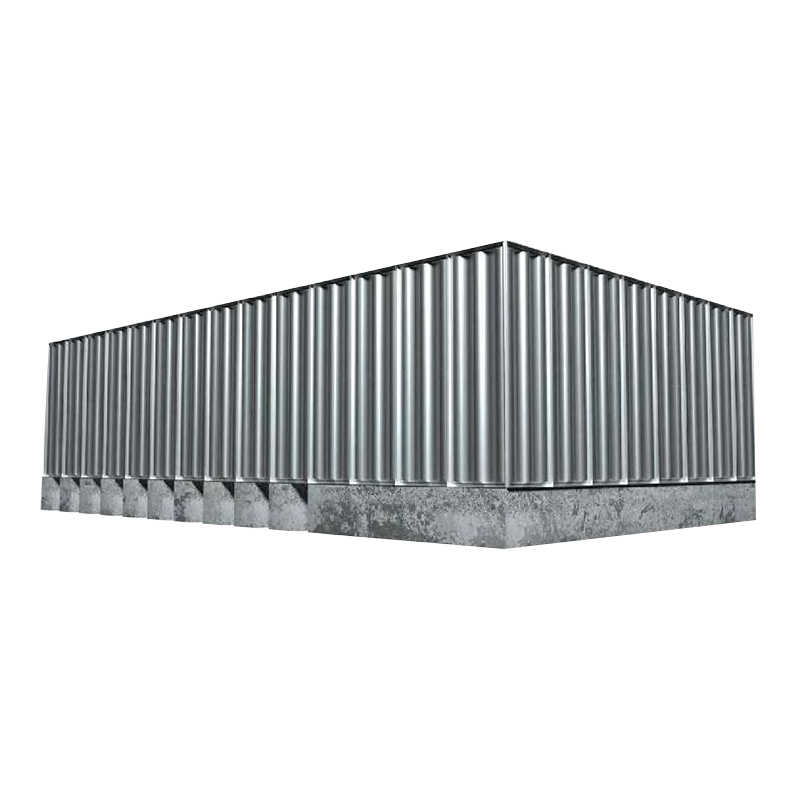
A hot dipped galvanized water tank combines the structural strength of carbon steel with a metallurgically bonded zinc coating that protects against rust for decades. The process immerses fabricated steel panels or the entire tank shell into a bath of molten zinc at approximately 450°C, forming a series of iron-zinc alloy layers topped with a pure zinc outer layer. This creates a barrier that is both physically tough and electrochemically sacrificial, meaning the zinc corrodes preferentially to protect any exposed steel at cut edges or scratches.

Compared to painted steel tanks, which rely solely on a surface film that can chip or degrade under UV light, hot dipped galvanized coatings provide consistent protection thickness across complex shapes and interior surfaces. In rural water supply and fire protection applications, these tanks routinely deliver 30 to 50 years of service before any major refurbishment is needed, making them one of the lowest lifecycle-cost options for static water storage.
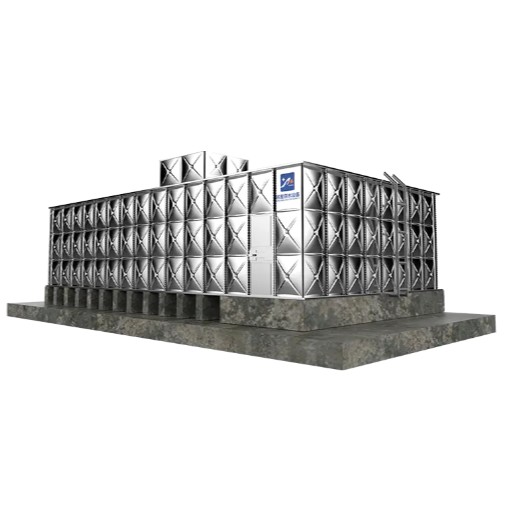
The Galvanizing Process and Coating Standards That Define Tank Longevity

The durability of a hot dipped galvanized water tank is directly tied to the coating thickness and the standard to which it was produced. Most structural steel tanks are galvanized to ASTM A123 or EN ISO 1461, which set minimum coating weights based on steel thickness. The table below shows the typical requirements for tank-grade steel sections.

Steel Thickness (mm) Minimum Coating Weight (g/m²) ASTM A123 Typical Coating Thickness (microns) Expected Service Life (Rural Environment)
3.0 – 6.0 610 85 50–70 years
>6.0 610 85 50–70 years
Coating requirements per ASTM A123 for structural steel and estimated service life in non-coastal, non-industrial atmospheres.

The actual service life varies significantly by environment. In dry inland regions with low pollution, a hot dipped galvanized water tank with 85 microns of coating loses approximately 0.5–1 micron of zinc per year, giving a theoretical life well beyond 50 years. In coastal zones with airborne salt, the annual corrosion rate can rise to 3–5 microns, which still provides 20–30 years of protection before the base steel is exposed. For this reason, environmental classification per ISO 9223 is a standard part of specifying the right galvanized tank for a given site.

How Hot Dipped Galvanized Tanks Compare to Stainless Steel and Polyethylene Alternatives

Selecting a water storage tank material involves trade-offs between upfront cost, durability, and water quality. Hot dipped galvanized water tanks occupy a middle ground with excellent structural properties at moderate cost. The comparison below highlights where each option performs best.

  • Versus stainless steel (304/316): Stainless steel offers superior corrosion resistance in aggressive waters and is preferred for potable water where minimal metal ion leaching is critical. However, a hot dipped galvanized water tank typically costs 40–60% less than an equivalent stainless steel tank. For non-potable uses such as irrigation, fire reserve, and livestock watering, the cost difference is difficult to justify unless the water is highly acidic or saline.
  • Versus polyethylene (plastic) tanks: Poly tanks are lightweight and inherently corrosion-proof, but they lack the structural rigidity of steel. Large polyethylene tanks above 10,000 liters often require reinforcing frames and are susceptible to UV degradation if not properly stabilized. A galvanized steel tank maintains its shape and connection points indefinitely, and its fire resistance is inherently superior to plastic, which is a key specification point in fire suppression systems.
  • Versus concrete tanks: Concrete is durable but prone to cracking and biological growth in the porous surface. Hot dipped galvanized water tanks can be dismantled, relocated, and reconfigured in a way that concrete cannot, and they are faster to commission.

Where galvanized steel requires careful management is with water chemistry. Soft water with low dissolved solids, or water with a pH below 6.5 or above 9.5, can accelerate zinc dissolution. A water quality assessment is advisable before specifying a hot dipped galvanized water tank for potable storage, though in typical municipal or bore water with neutral pH, the impact on zinc levels in stored water remains well below the WHO guideline value of 3 mg/L.

Primary Applications Where Hot Dipped Galvanized Water Tanks Excel

The combination of structural strength, weather resistance, and modular assembly makes hot dipped galvanized water tanks the default choice for several high-demand water storage applications.

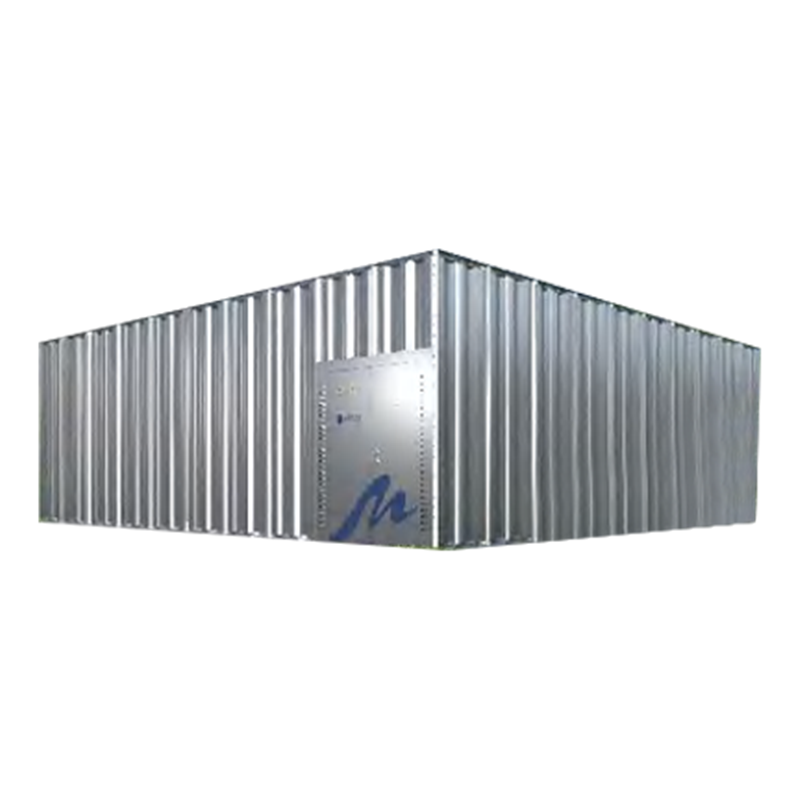
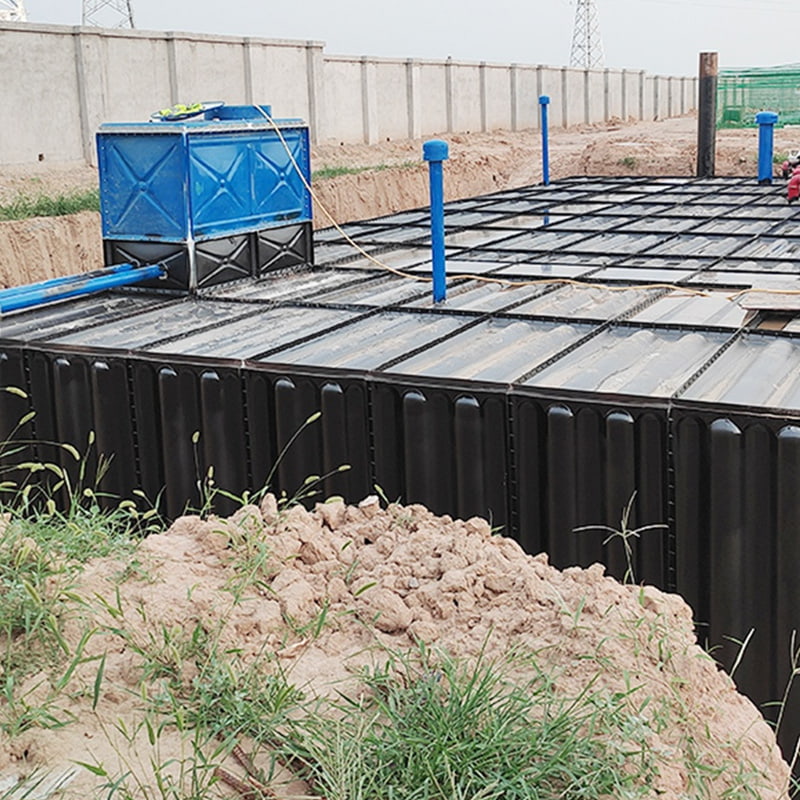
  1. Fire suppression water reserves: NFPA 22 requires water storage tanks for fire protection to be constructed of non-combustible materials. A galvanized steel tank meets this requirement directly, and bolted sectional designs allow capacities from a few thousand liters to over 2 million liters. Factory-coated galvanized steel eliminates the need for on-site painting and cures.
  2. Agricultural and livestock water supply: Farms rely on galvanized water tanks to store water for irrigation, dairy wash-down, and animal drinking. The material resists impact from equipment and does not harbor algae or pathogens in the way that lined concrete tanks sometimes do. In dairy operations, proper water storage is linked to milk yield, with cows drinking 100–150 liters per day depending on lactation stage.
  3. Rainwater harvesting systems: Galvanized tanks are widely used in both residential and commercial rainwater catchment. Their opaque steel walls prevent algal growth, and the zinc coating provides a measure of passive antimicrobial action. A first-flush diverter and mesh inlet screen keep the stored water clean, and the tank can be easily connected to pump systems.
  4. Industrial process and cooling water: Factories and power plants use sectional galvanized steel tanks for process water, cooling tower make-up, and emergency reserves. The tanks can be engineered with internal baffles, multiple outlets, and sight gauges tailored to the process flow.

Critical Maintenance Practices That Maximize the Life of a Hot Dipped Galvanized Water Tank

While a hot dipped galvanized water tank requires far less maintenance than a painted steel tank, a small set of periodic checks will extend its functional life by preventing localized coating failure. The zinc coating is sacrificial by design, but its consumption can be managed.

  • Inspect interior and exterior annually: Look for white rust, a waxy white or gray deposit that indicates the zinc is corroding too rapidly under continuously wet, low-oxygen conditions. If white rust is present, improve ventilation by opening access hatches periodically and ensure water is not continuously condensing on the underside of the roof.
  • Touch up cut edges and scratches: Any field-cut holes or deep scratches that expose steel should be coated with a zinc-rich paint containing at least 93% zinc by weight in the dry film. This restores sacrificial protection at the defect site and prevents pinpoint rust from spreading under the adjacent coating.
  • Monitor water quality trends: For potable tanks, periodic testing for zinc, iron, and pH provides an early indication of internal coating performance. A steady rise in iron content without a corresponding rise in zinc suggests that the coating has thinned to the point where base steel is beginning to corrode, signaling the need for re-galvanizing or lining.
  • Keep the tank exterior clean: Accumulated dirt and debris trap moisture against the coating. In agricultural settings, manure or fertilizer dust can be acidic and should be washed off the tank exterior. A simple rinse with water every six months prevents localized accelerated corrosion.

When a hot dipped galvanized water tank does eventually reach the end of its coating life, it does not need to be scrapped. The interior can be abrasive-blasted and re-galvanized using a thermal spray process, or it can be lined with an epoxy coating to add another 15–20 years of service. This refurbishment capability makes galvanized steel one of the few water storage materials that can be economically renewed rather than replaced.