Jun 22, 2026
Content
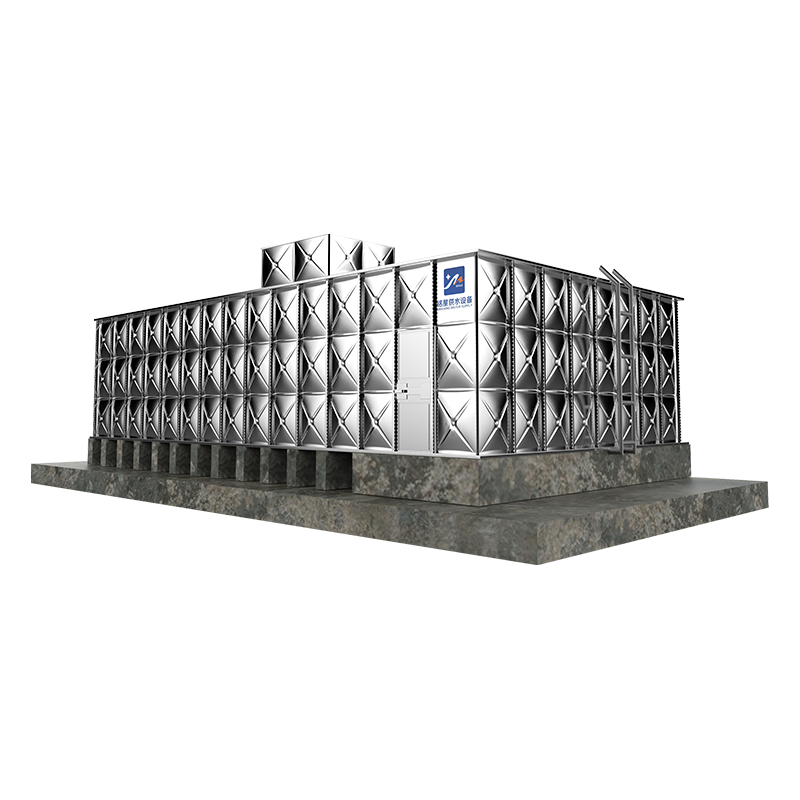
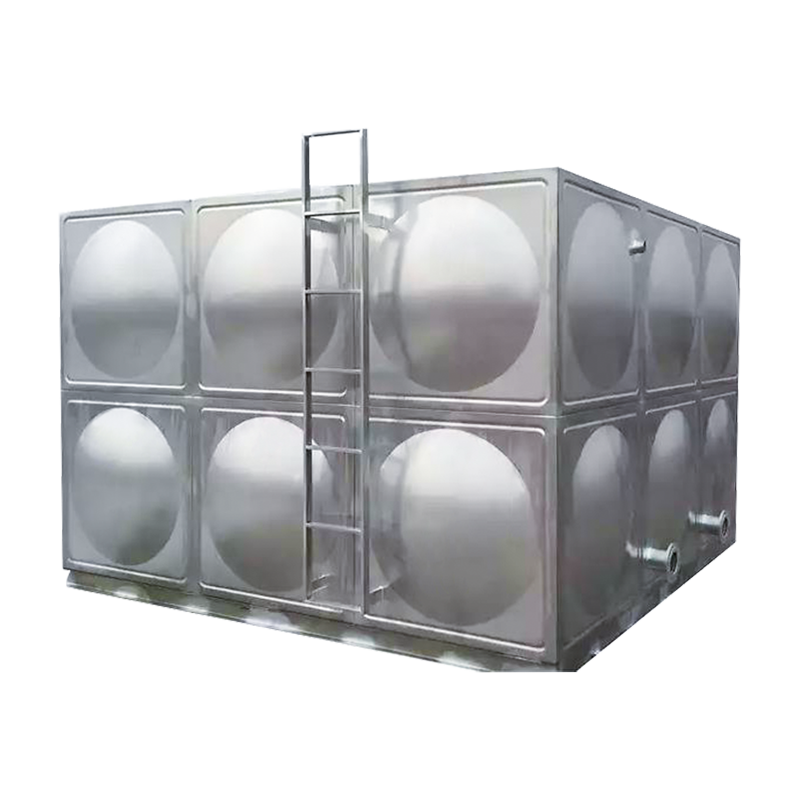
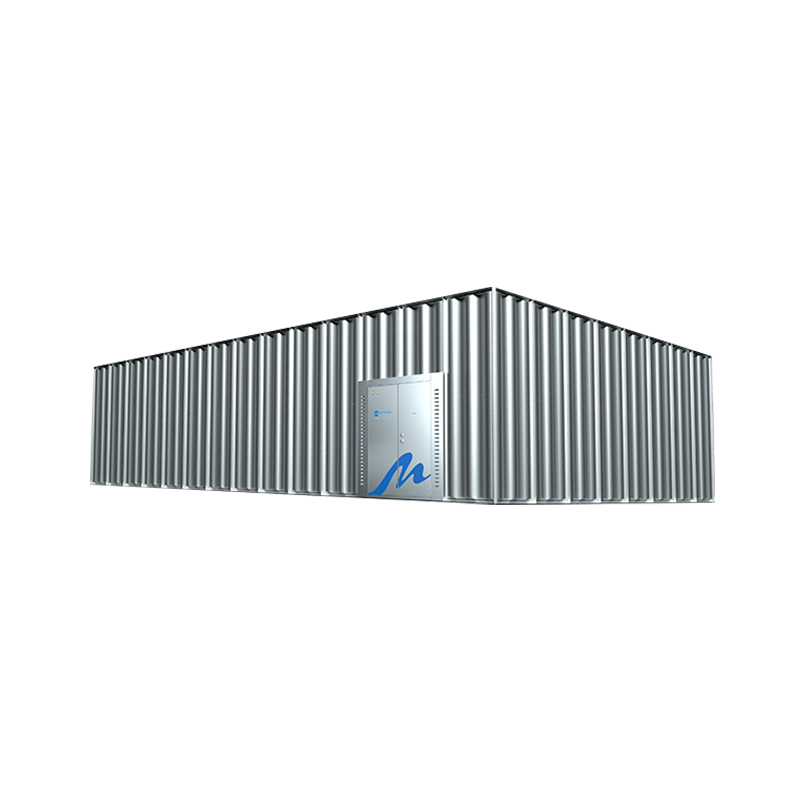
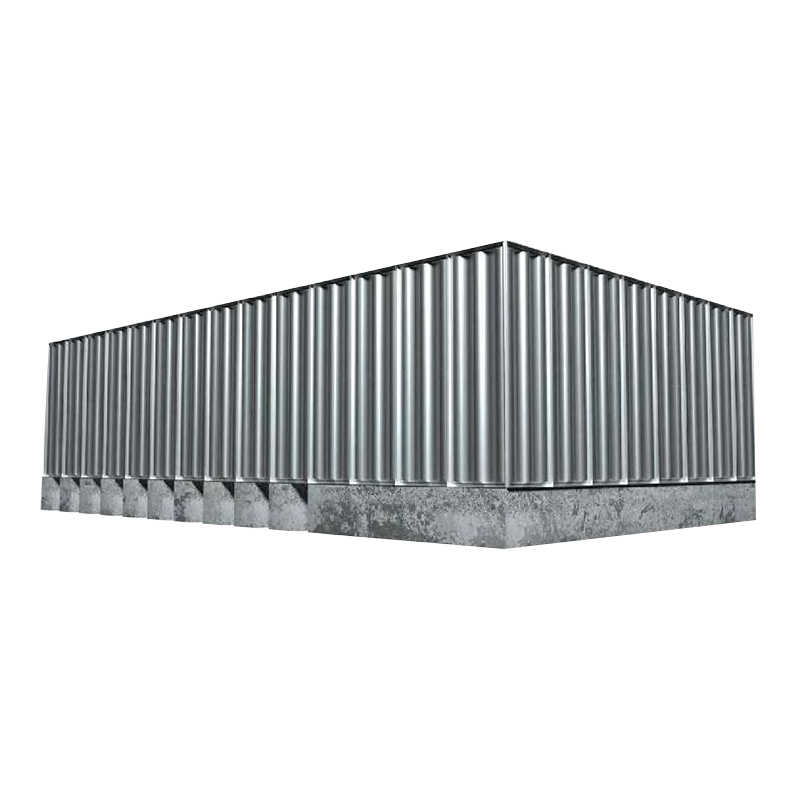
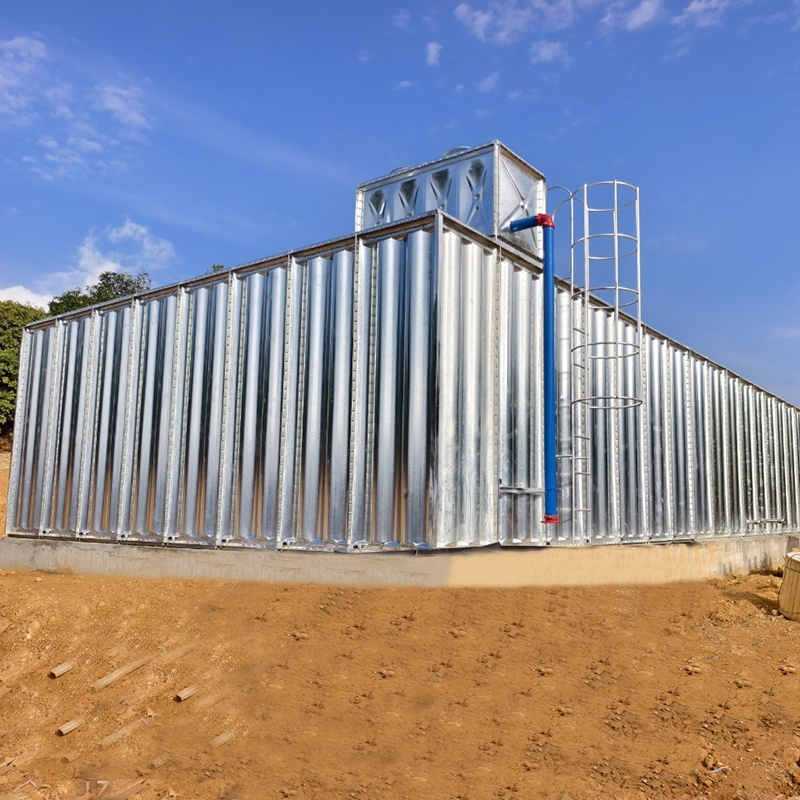
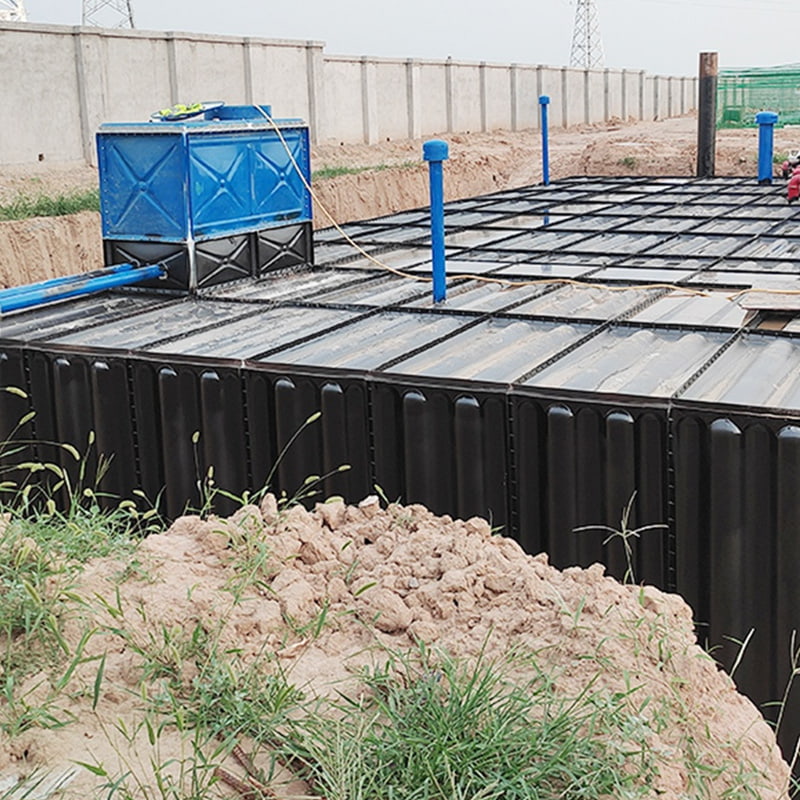
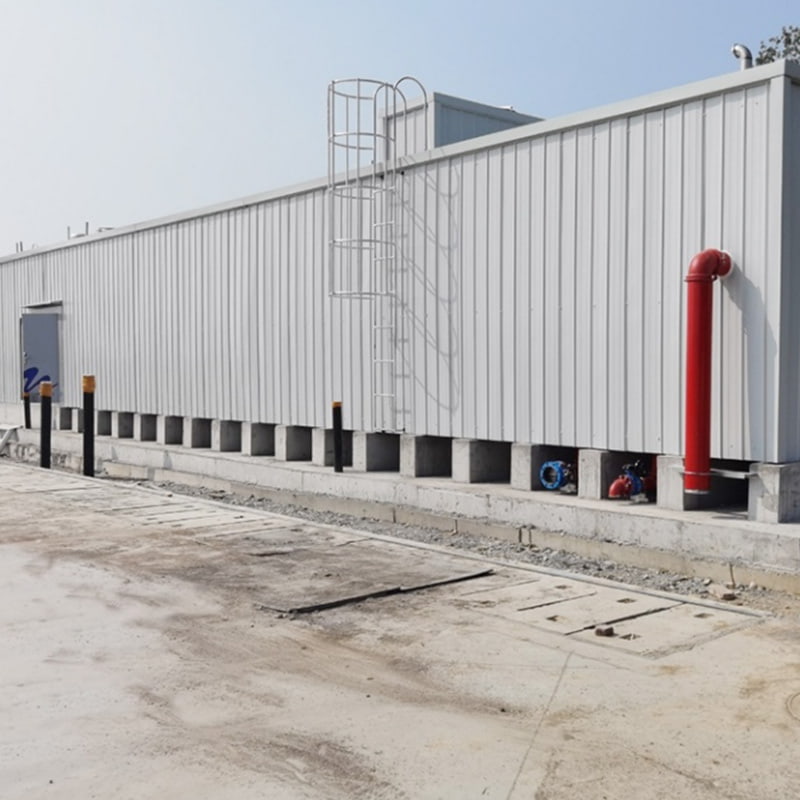
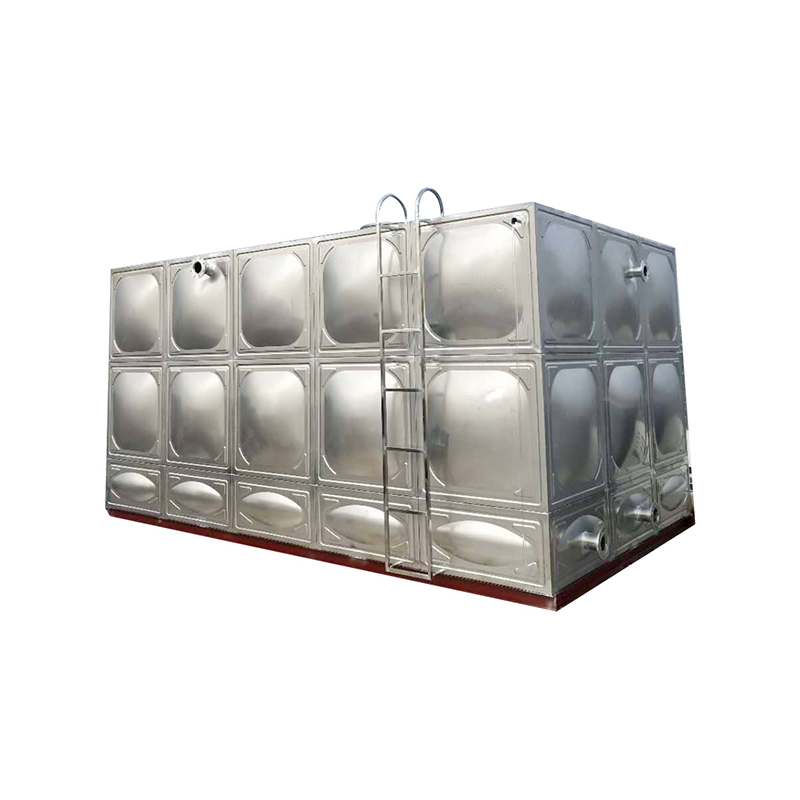
Stainless steel sectional water tanks solve the two problems that have historically limited large-scale water storage: site access and long-term corrosion resistance. Instead of arriving as a single welded unit, a sectional tank is manufactured as standardized flat panels that are bolted together on site. This modular approach means the tank can be assembled inside existing plant rooms, on rooftops, or in basements where a crane cannot reach and where a single-piece tank would never fit through doorways.
The operational advantage is equally strong. An ASTM A240 grade stainless steel panel, properly passivated, resists the pitting and crevice corrosion that eventually destroys galvanized steel tanks. Even in coastal or high-chloride environments, a correctly specified stainless steel sectional water tank delivers a service life of over 30 years with minimal maintenance. When a panel does eventually need replacement due to accidental damage or after decades of service, the sectional design makes it a straightforward task to unbolt and replace a single panel without draining the entire tank or shutting down the system.
The two grades that dominate stainless steel sectional water tank construction are 304 (UNS S30400) and 316 (UNS S31600). The choice between them is not about structural strength but about chloride resistance, and getting it wrong in a coastal or industrial setting can cut the tank's effective life by half or more. The table below outlines the conditions each grade handles reliably.
| Parameter | Grade 304 (1.4301) | Grade 316 (1.4401) |
|---|---|---|
| Chromium content | 18–20% | 16–18% |
| Nickel content | 8–10.5% | 10–14% |
| Molybdenum content | None | 2–3% |
| Maximum chloride level (ambient temp) | 200 ppm | 1,000 ppm |
| Typical application geography | Inland, municipal water, indoor plant rooms | Coastal zones, industrial areas, high-salinity bore water |
The 2–3% molybdenum addition in 316 stainless steel creates a passive oxide layer that remains stable in chloride concentrations up to roughly 1,000 ppm, while 304 begins to pit at sustained levels above 200 ppm. For seawater or brackish water applications, even 316 may require a duplex stainless steel alternative like 2205, but for the vast majority of potable, fire suppression, and process water storage needs, 304 or 316 are the optimal cost-to-lifespan choices.
Panel thickness is a related but separate decision. Standard stainless steel sectional water tanks use panels ranging from 1.2 mm to 5.0 mm thick, with thickness increasing toward the base of taller tanks to handle hydrostatic pressure. Engineering calculations determine the exact gauge for each row of panels, ensuring the tank meets the design load without over-specifying material in low-stress zones.
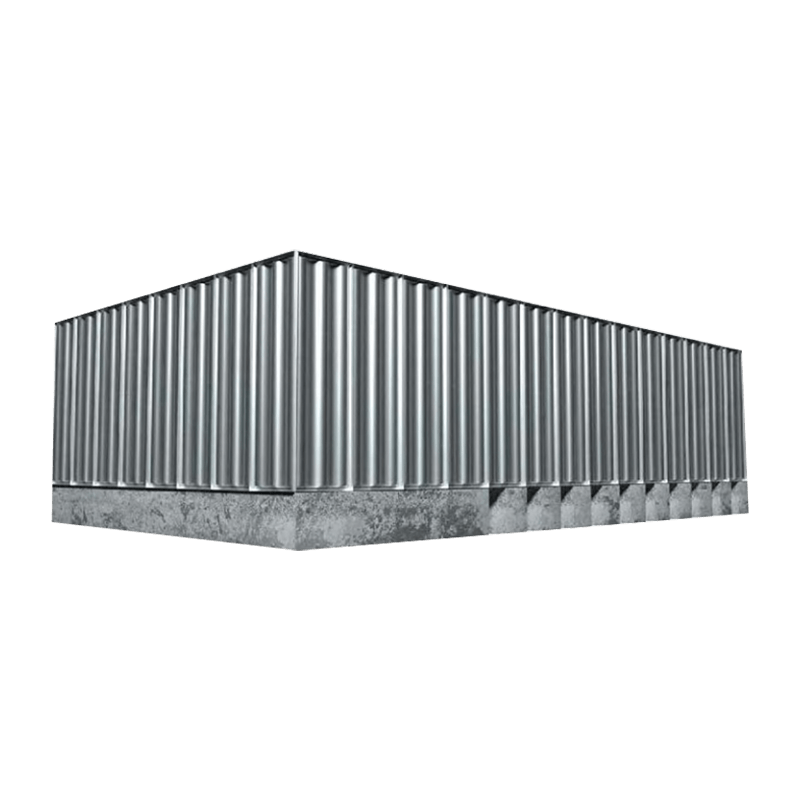
One of the strongest arguments for stainless steel sectional water tanks is their geometric flexibility. Standard panel sizes—commonly 1,220 mm × 1,220 mm, 1,000 mm × 1,000 mm, or 1,220 mm × 1,000 mm—can be combined to create tanks ranging from a few hundred liters to over 20,000 cubic meters. Because panels bolt together on a flanged grid pattern, the footprint can be rectangular, square, or even L-shaped and U-shaped to wrap around existing columns or equipment.
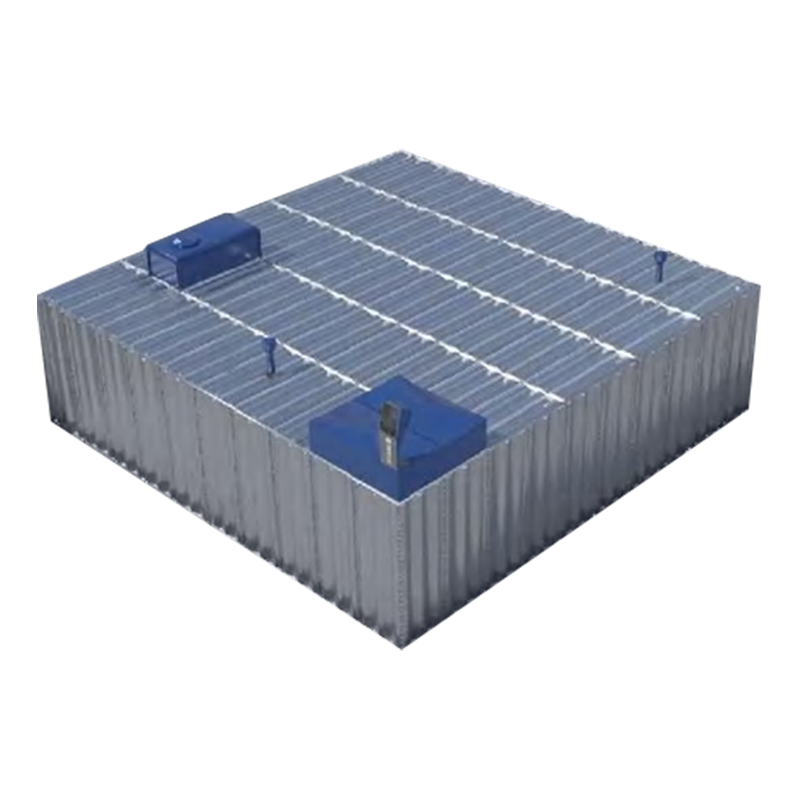
The tank height is determined by multiplying the number of panel rows by the panel height. A typical single-row tank stands at 1,000 mm or 1,220 mm, while a four-row tank reaches approximately 4,000 to 4,880 mm. The roof structure and internal tie rods or external bracing provide rigidity against internal water pressure and wind loading. For seismic zones, structural analysis dictates reinforcement of the base frame and the addition of internal baffles or cross-bracing to prevent the tank from oscillating during an earthquake.
Internal partition walls can be constructed within the same tank shell to create separate compartments for raw water, filtered water, and fire reserve, all within a single stainless steel sectional water tank footprint. This approach saves floor space and simplifies plumbing connections, a critical advantage in densely packed mechanical rooms.
The following sectors consistently choose stainless steel sectional water tanks when hygiene, corrosion resistance, and installation feasibility outweigh the lower initial cost of coated steel or GRP alternatives.
A stainless steel sectional water tank is only as reliable as its foundation, seal system, and post-installation care. The following practical factors determine whether the tank will perform as expected over its full design life.
A detailed log of water quality parameters, including chloride content, pH, and free chlorine residual, should be maintained throughout the tank's service life. When the chloride level in the stored water is known and controlled, the projected service life of a stainless steel sectional water tank shifts from a general estimate to a predictable, engineering-backed figure. This transparency is why the technology continues to gain specification share over both welded carbon steel and GRP sectional tanks in regulated water storage projects worldwide.
Related Products

Contact us
Headquater Address
Room 901, Building 17, Lane 1088, Shen Hong Road, Minhang District, Shanghai
Factory Address
No. 1, Mingxing North Road, Tech Innovation Park, Jianhu County, Yancheng, Jiangsu, P. R. China
Amy@mxwatersupply.com
Amy@mxwatersupply.com
Telephone(Whatsapp/Wechat)
+86-18051685983
QR CODE

 English
 Français