Jul 02, 2026
Content
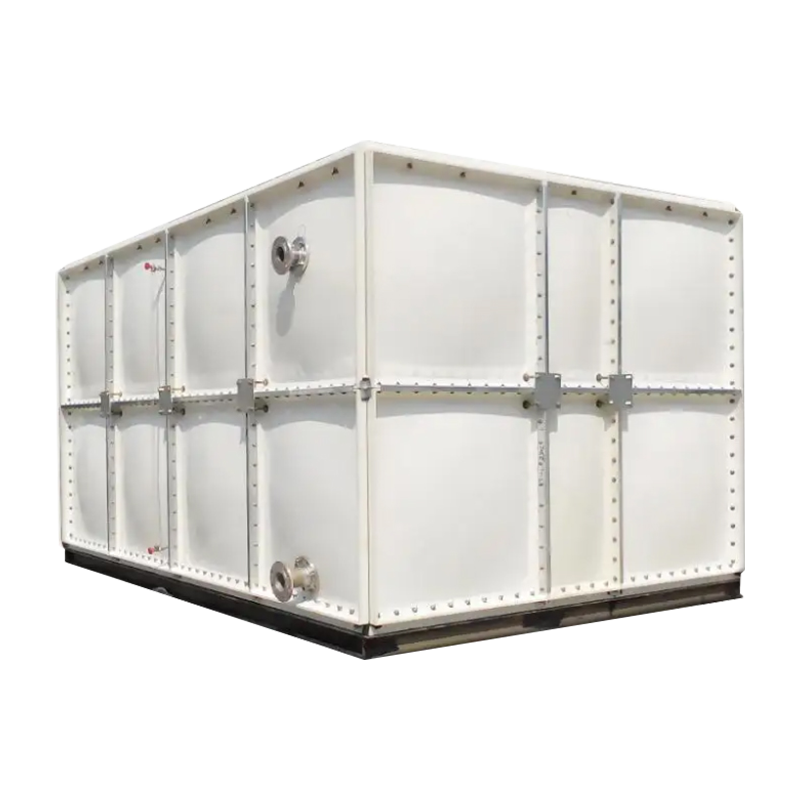
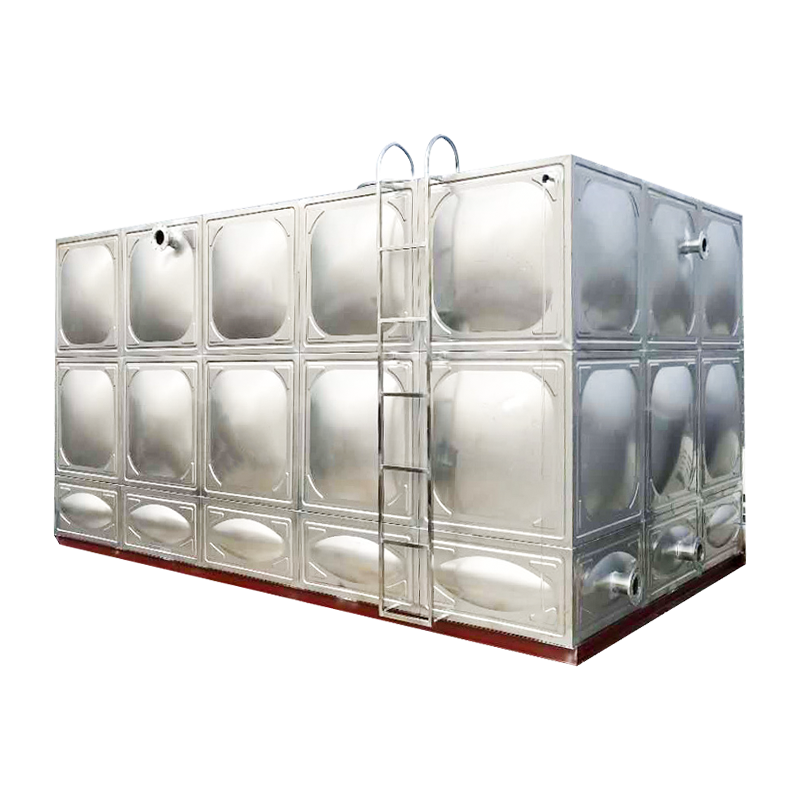
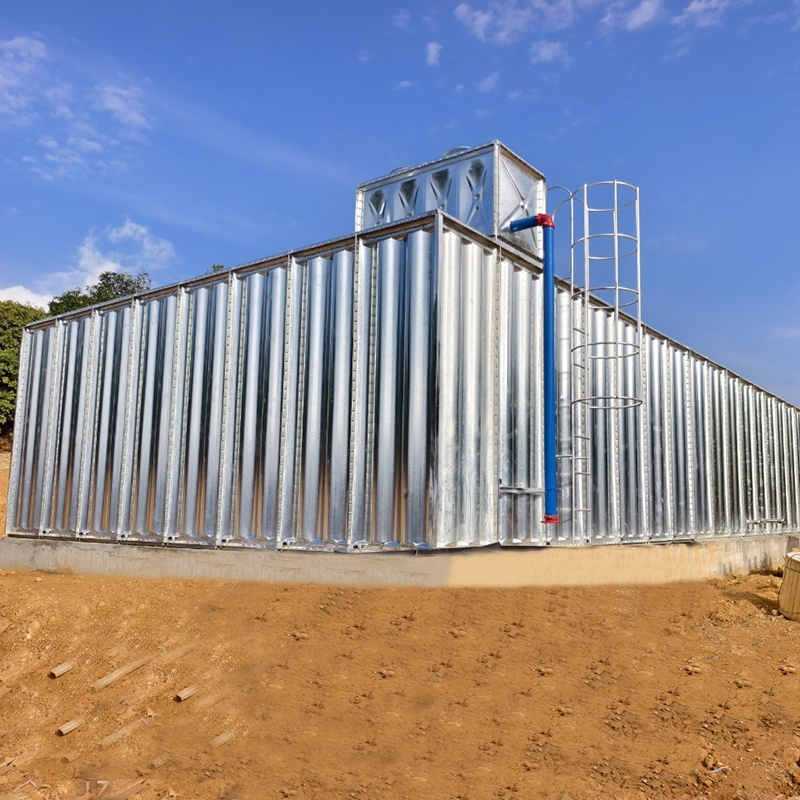
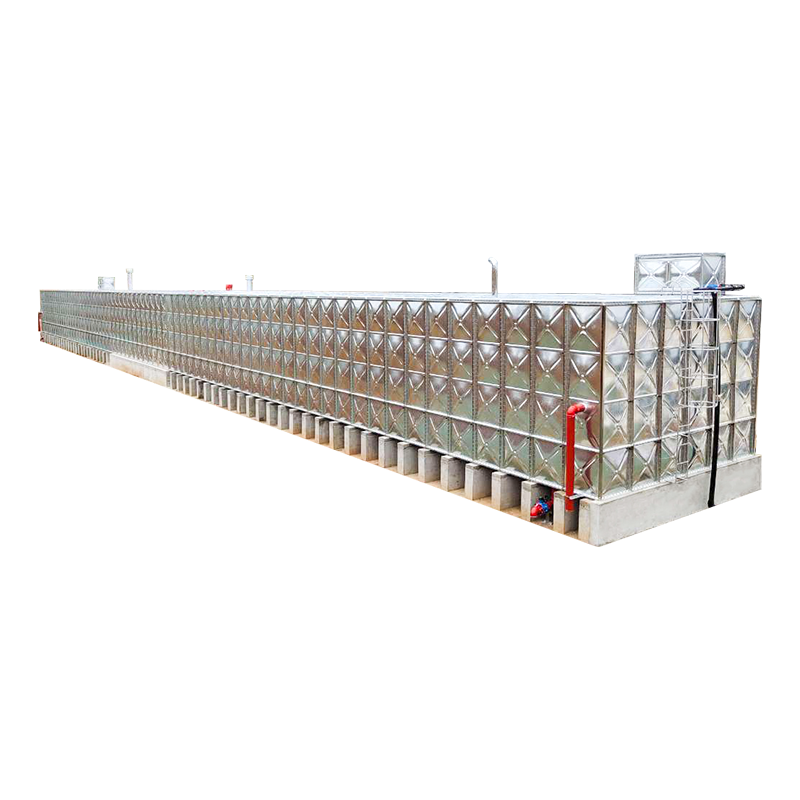
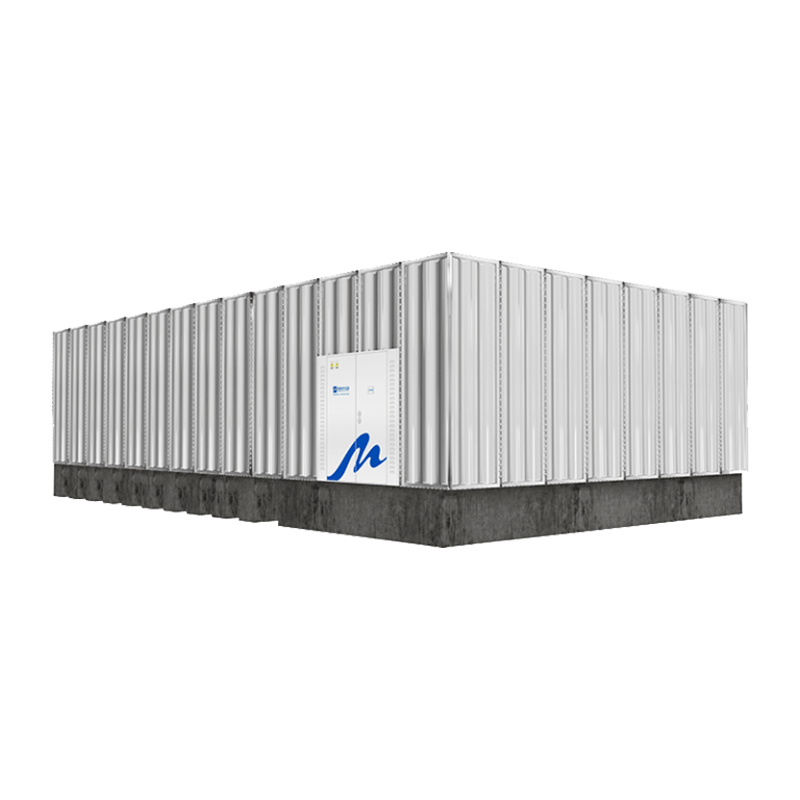
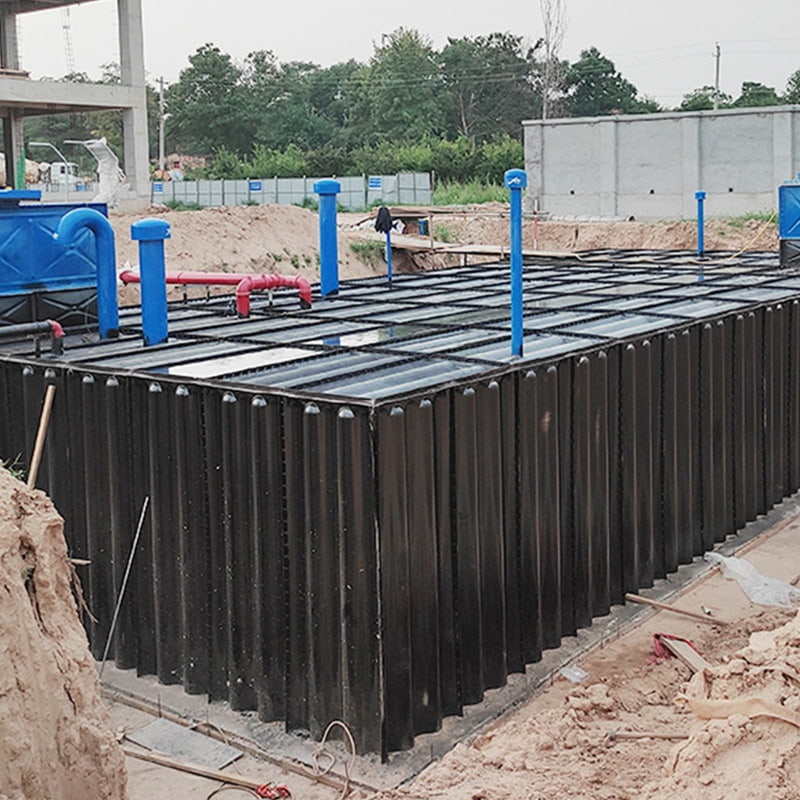
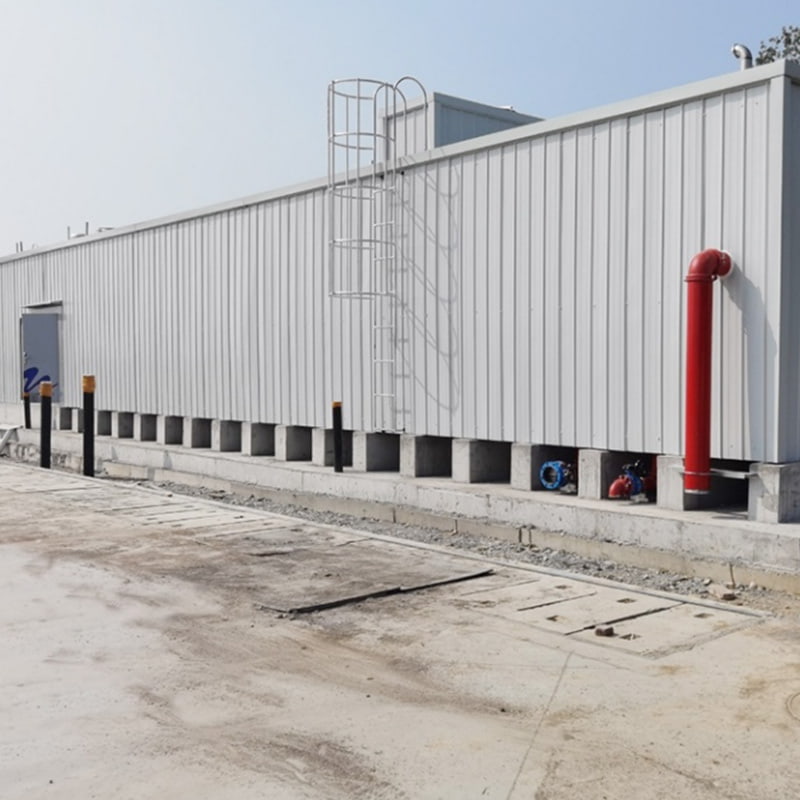
A sectional water tank is assembled on-site from modular panels rather than shipped as a single pre-formed vessel, making it possible to install large-capacity storage — often tens or hundreds of cubic meters — in locations where a monolithic tank could never be transported or craned into position, such as rooftops, basements, or confined industrial yards. Panels are typically 1m x 1m or 1m x 0.5m, bolted together with internal sealant, allowing the tank to be built to almost any length, width, and height by adding panel rows.
This modularity is the main reason sectional tanks dominate large-scale fire protection reservoirs, hospital and hotel water storage, and industrial process water systems, where capacity requirements often exceed what a single-piece tank of practical transportable size could deliver.
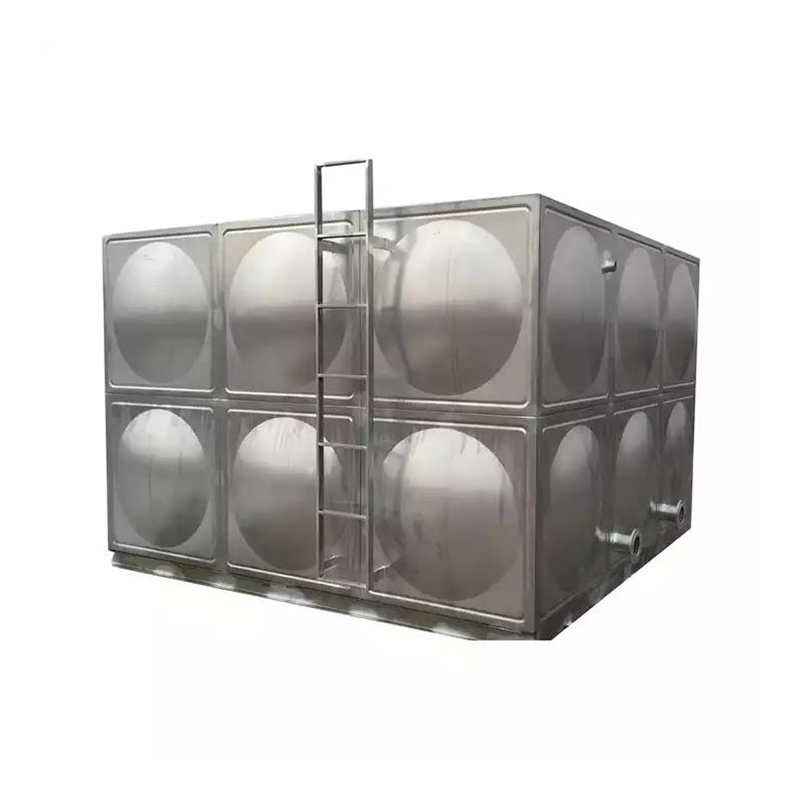
Panel material selection depends on the stored liquid, budget, and expected service life. Hot-dip galvanized steel panels remain the most common choice for cost-sensitive fire and general water storage, while glass-fused-to-steel panels offer significantly better corrosion resistance and are increasingly specified for potable water and long-service-life installations despite a higher upfront cost.
| Panel Material | Typical Service Life | Best Suited For |
|---|---|---|
| Hot-dip galvanized steel | 15-20 years | Fire reservoirs, general water storage |
| Glass-fused-to-steel | 30+ years | Potable water, wastewater, long-term installations |
| Stainless steel | 25-30 years | Food-grade, pharmaceutical, and hygienic-critical applications |
Capacity is determined by multiplying panel-based footprint by tank height, with most sectional systems available in height increments matching the 1m panel module — commonly 1m, 2m, 3m, or higher in multi-tier configurations. Structural loading on the supporting floor or roof must be checked at the design stage, since a fully loaded large sectional tank can impose several hundred kilograms per square meter on its support structure.
Internal tie rods and bracing hold the assembled panel structure rigid against the hydrostatic pressure of the stored liquid, with rod spacing and diameter calculated based on tank height and design pressure. Panel joints are sealed with food-grade or industrial-grade sealant depending on application, and this seal — not the panel material itself — is typically the first point of failure in a poorly maintained sectional water tank.
A liner is sometimes added inside the panel structure for potable water applications, providing a secondary containment barrier independent of the panel seals and simplifying liner replacement without disassembling the tank structure itself.
Buyers evaluating suppliers of a sectional water tank should request structural calculations specific to their intended fill height and support conditions, rather than relying on generic capacity tables, since local wind, seismic, and floor-loading conditions all affect the required bracing design.
Related Products

Contact us
Headquater Address
Room 901, Building 17, Lane 1088, Shen Hong Road, Minhang District, Shanghai
Factory Address
No. 1, Mingxing North Road, Tech Innovation Park, Jianhu County, Yancheng, Jiangsu, P. R. China
Amy@mxwatersupply.com
Amy@mxwatersupply.com
Telephone(Whatsapp/Wechat)
+86-18051685983
QR CODE

 English
 Français