Aug 11, 2026
Content
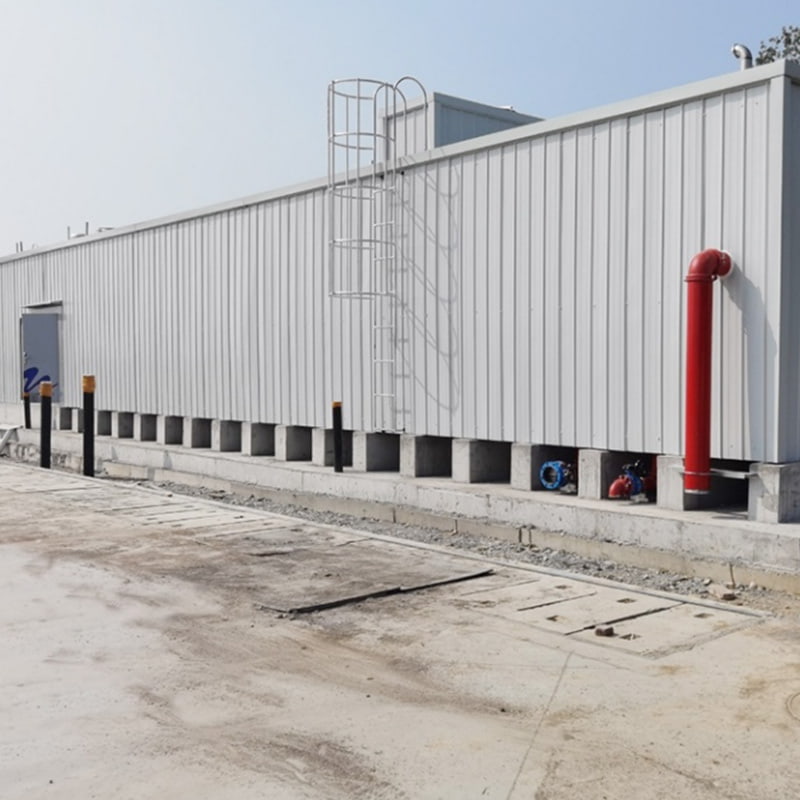
When a tank must sit outside for decades — exposed to rain, UV radiation, freeze-thaw cycles, and corrosive chemicals — the most durable tank material for harsh outdoor conditions is almost always stainless steel, specifically grades 304 or 316. Polyethylene fares well in many residential settings but degrades under prolonged sun unless heavily UV-stabilized, and it can crack in extreme cold. Carbon steel is strong but rusts without a flawless coating. Fiberglass handles chemicals but can become brittle over time. Stainless steel combines inherent corrosion resistance, high tensile strength, and the ability to withstand temperature swings from -40°C to over 400°C depending on the alloy. A well-built industrial stainless steel tank can serve outdoors for 30 to 50 years with minimal maintenance.
What sets stainless steel apart is the chromium oxide passive layer that reforms instantly if scratched. This self-healing barrier prevents the kind of through-wall pitting that kills carbon steel tanks within a decade. For the harshest environments — coastal sites with salt spray, chemical plants, or wastewater treatment — 316 stainless steel with molybdenum adds pitting resistance that 304 cannot match. The upfront cost is two to three times higher than coated carbon steel, but the life-cycle cost often flips that equation when you eliminate re-coating, patching, and eventual replacement.
Understanding what causes storage tank corrosion is the first step toward preventing it. The root cause is an electrochemical reaction between the tank metal, the stored liquid, and oxygen. This is accelerated by dissolved salts, acids, or alkalis in the water, stray electrical currents, and the formation of oxygen concentration cells under sediment or scale. Even stainless steel can suffer crevice corrosion if debris accumulates in corners or under gaskets where oxygen cannot reach the surface. In carbon steel tanks, the most common failure points are weld seams and the bottom floor where condensation and microbial activity create aggressive micro-environments.
To prevent storage tank corrosion, the strategy must match the tank material. Carbon steel tanks rely on barrier coatings such as epoxy, galvanizing, or glass-fused-to-steel linings. These work until they develop a pinhole, at which point underfilm corrosion can spread silently. Cathodic protection — sacrificial anodes or impressed current systems — is often added for buried tanks or critical above-ground steel tanks. Stainless steel tanks need no coating for the shell itself, but they do require proper design to avoid crevices and regular cleaning to remove deposits. For all tank materials, routine inspection and removing sludge buildup prevent the stagnant conditions where corrosion thrives.
Learning how to choose a corrosion resistant tank means evaluating the specific chemical and environmental threats the tank will face, not simply buying the highest-grade material. The table below compares the corrosion resistance of common tank materials against typical challenges.
| Material | Best Against | Limitations | Expected Life |
|---|---|---|---|
| 304 Stainless Steel | Fresh water, food products, mild acids | Chloride environments above 100 ppm | 30–40 years |
| 316 Stainless Steel | Coastal salt spray, chemicals, acidic water | Hydrochloric acid, hot concentrated sulfuric acid | 40–50 years |
| Epoxy-Coated Carbon Steel | Neutral pH water, dry chemicals | Coating damage leads to rapid rust | 15–25 years with recoating |
| Fiberglass (FRP) | Highly acidic or alkaline solutions | UV embrittlement, physical impact damage | 20–30 years if UV-protected |
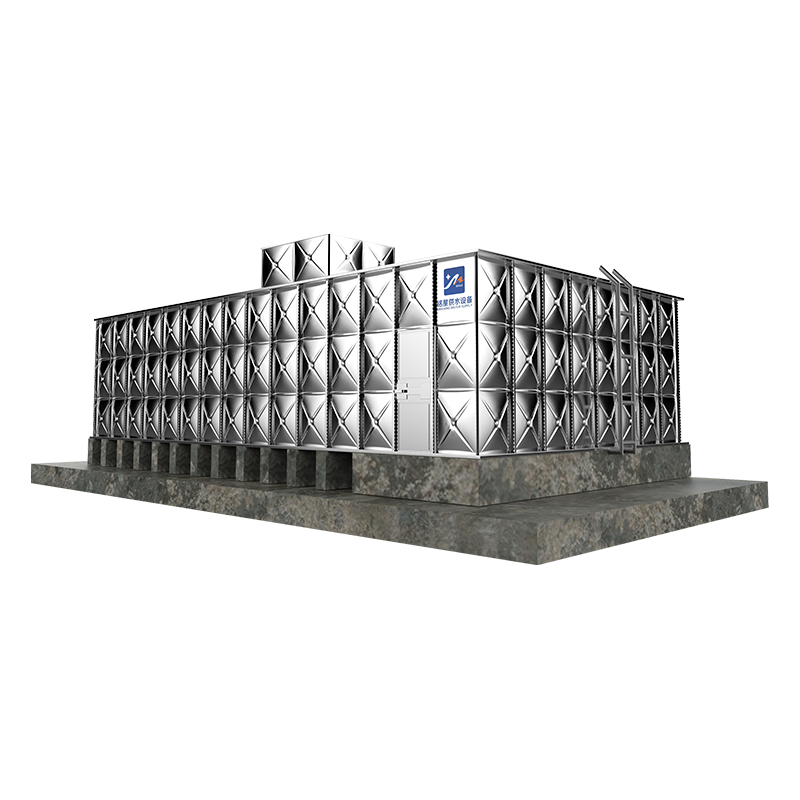
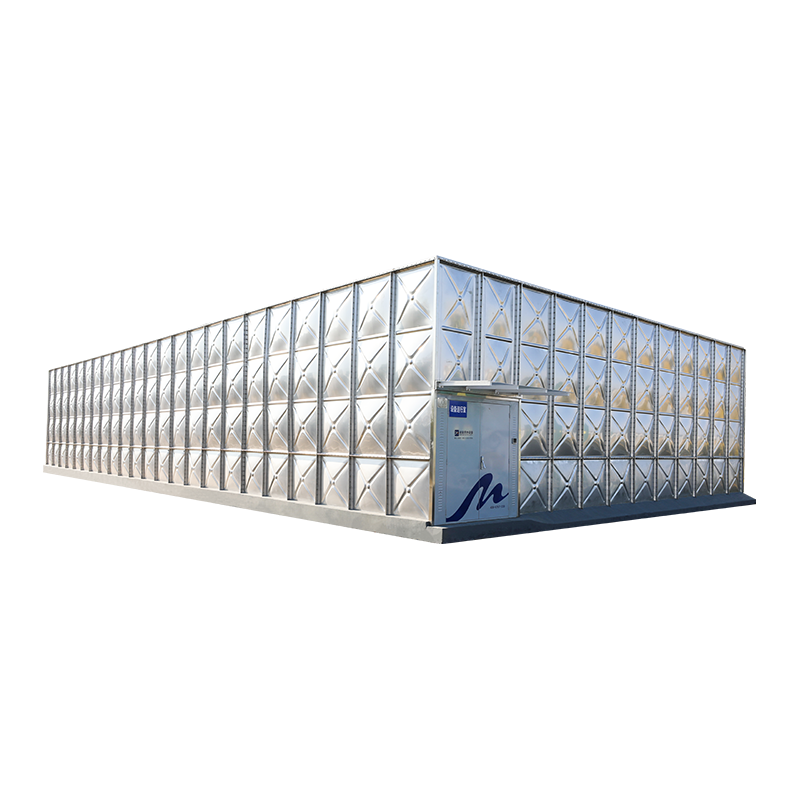
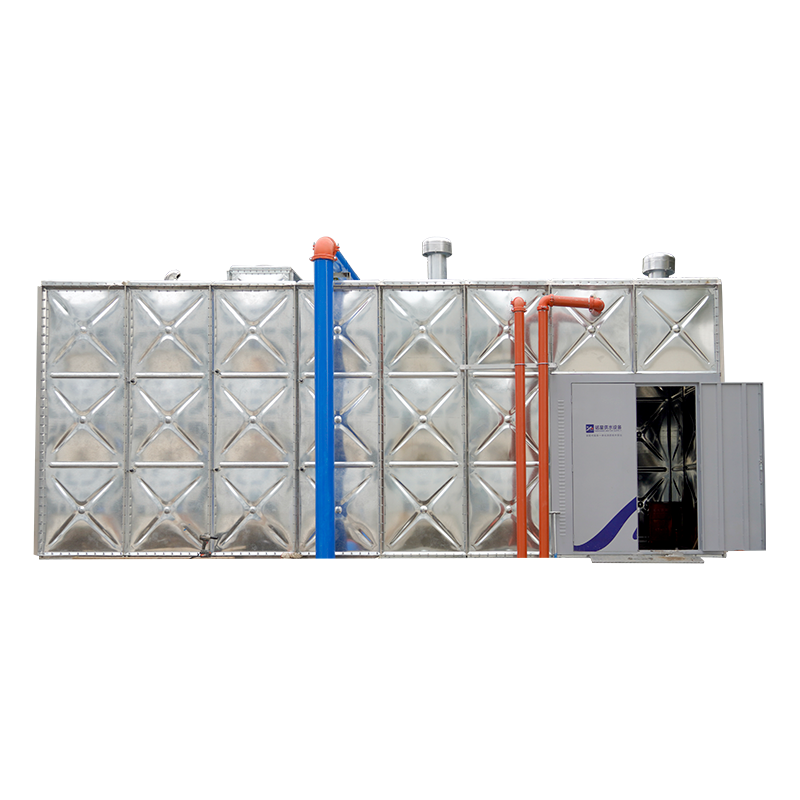
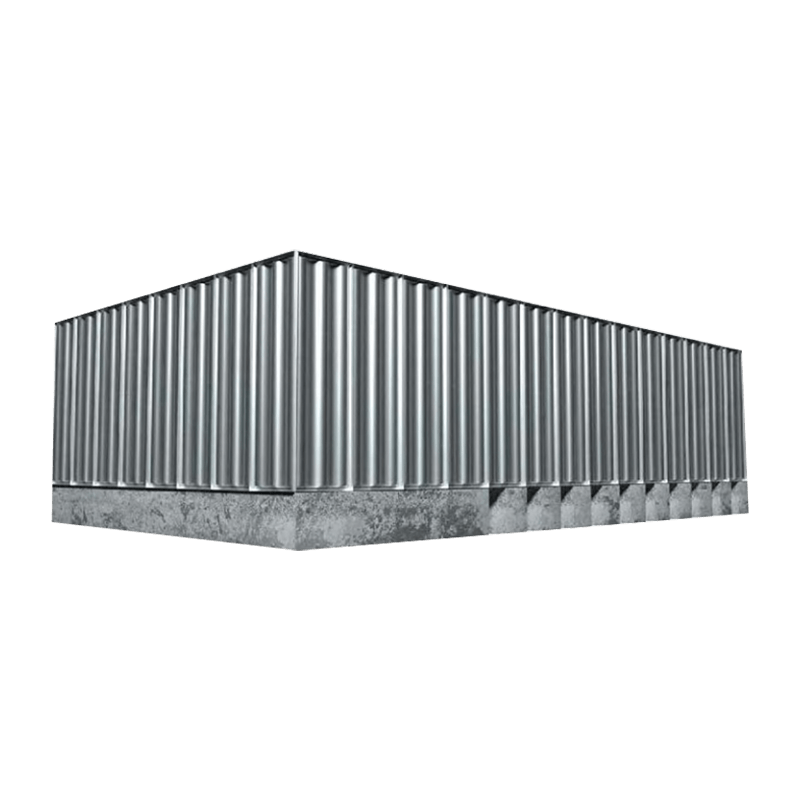
Once you match the material to the stored substance, consider the tank's physical design. A stainless steel rectangular tank offers distinct advantages in tight spaces because it uses available floor area more efficiently than a cylindrical tank. This is why many water treatment plants, pharmaceutical facilities, and food processing lines use rectangular stainless tanks: they fit against walls, stack in arrays, and simplify pipe connections. The flat walls must be appropriately reinforced with stiffeners to handle hydrostatic pressure, but the space savings often justify the added fabrication cost. Rectangular tanks are especially popular for smaller corrosion resistant tanks in clean-room or laboratory settings where every square foot matters.
An industrial stainless steel tank is the default specification wherever hygiene, chemical compatibility, or long-term outdoor durability is non-negotiable. Breweries, dairies, and pharmaceutical manufacturers use 304 or 316 stainless because the smooth, non-porous surface can be sanitized with steam or chemicals and will not leach contaminants into the product. In chemical processing, stainless steel handles everything from solvents to food-grade acids without degradation, making it the core material for corrosion resistant tanks in these sectors.
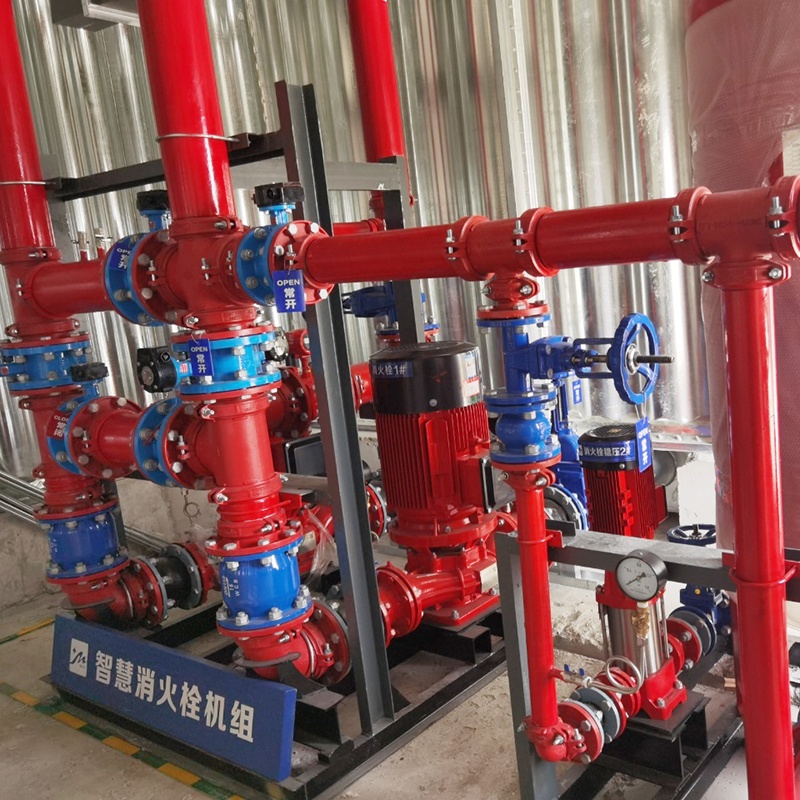
A fire suppression tank presents a unique set of demands. It must hold thousands of gallons of water that may sit stagnant for years, yet the tank must be ready to supply full flow to a sprinkler system or hydrant at a moment's notice. Corrosion inside the tank can clog sprinkler heads with rust flakes, a dangerous failure that has caused system malfunctions in actual fires. For this reason, many fire codes now require or strongly prefer stainless steel or glass-lined tanks for fire suppression. A stainless steel fire tank eliminates the need for internal linings that can crack and peel over time. It also tolerates outdoor installation without a protective building, reducing site costs. Whether a cylindrical welded tank or a stainless steel rectangular tank is chosen for a fire suppression system depends on the available footprint and required volume, but the material specification is clear: anything less than full corrosion resistance is a liability when lives depend on the tank performing without warning.
Related Products

Contact us
Headquater Address
Room 901, Building 17, Lane 1088, Shen Hong Road, Minhang District, Shanghai
Factory Address
No. 1, Mingxing North Road, Tech Innovation Park, Jianhu County, Yancheng, Jiangsu, P. R. China
Amy@mxwatersupply.com
Amy@mxwatersupply.com
Telephone(Whatsapp/Wechat)
+86-18051685983
QR CODE

 English
 Français