Aug 14, 2026
Content
The types of storage tanks available today split broadly into above-ground, underground, portable, and large-scale industrial or commercial categories. Each type has a distinct purpose. Above-ground tanks are the most common for residential and agricultural water storage, often made of polyethylene, steel, or fiberglass. Underground tanks save space and protect stored water from temperature extremes but require excavation and are typically concrete or reinforced plastic. Portable tanks are collapsible or rigid containers used for emergency response, camping, or temporary work sites. Then there are commercial water tanks and industrial storage tanks that can hold hundreds of thousands of gallons for factories, fire suppression, or municipal supply.
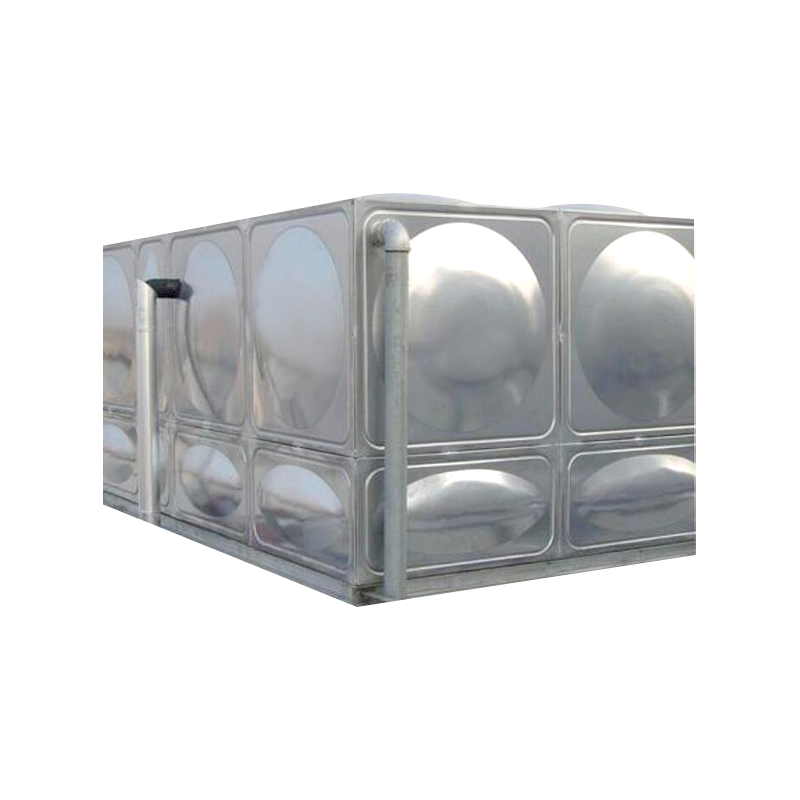
The material of the tank directly affects its longevity, water quality, and cost. Polyethylene tanks are affordable and corrosion-resistant, making them the go-to for rainwater harvesting and small-scale farming. Steel tanks, often galvanized or coated with an epoxy liner, can handle larger capacities and higher pressures, which is why many industrial storage tank installations rely on welded steel. Concrete tanks are favored for underground and very large above-ground reservoirs because they last for decades with minimal maintenance. Knowing the right type for your application is the first step before you even consider size.
Water tank sizes and dimensions vary dramatically depending on whether the tank serves a single-family home, a farm, a hotel, or a factory. A small polyethylene tank might hold 500 gallons with a footprint of about 50 inches in diameter and 60 inches tall. A large bolted steel tank for a commercial building can hold 50,000 gallons and measure over 20 feet in diameter and 20 feet tall. The table below gives rough size references for common applications.
| Tank Type | Capacity Range | Approx. Diameter × Height | Common Use |
|---|---|---|---|
| Small vertical polyethylene | 100–500 gal (380–1900 L) | 30"–50" D × 40"–65" H | Gardening, emergency backup, small cabins |
| Medium residential tank | 1,000–5,000 gal (3,800–19,000 L) | 6'–8' D × 7'–10' H | Rainwater harvesting, household supply, fire protection |
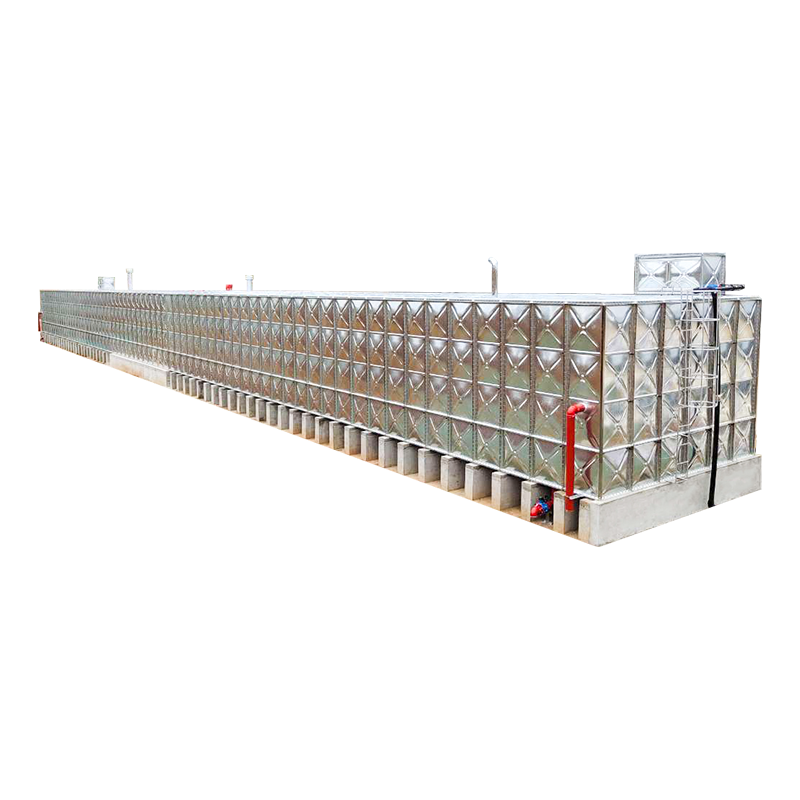
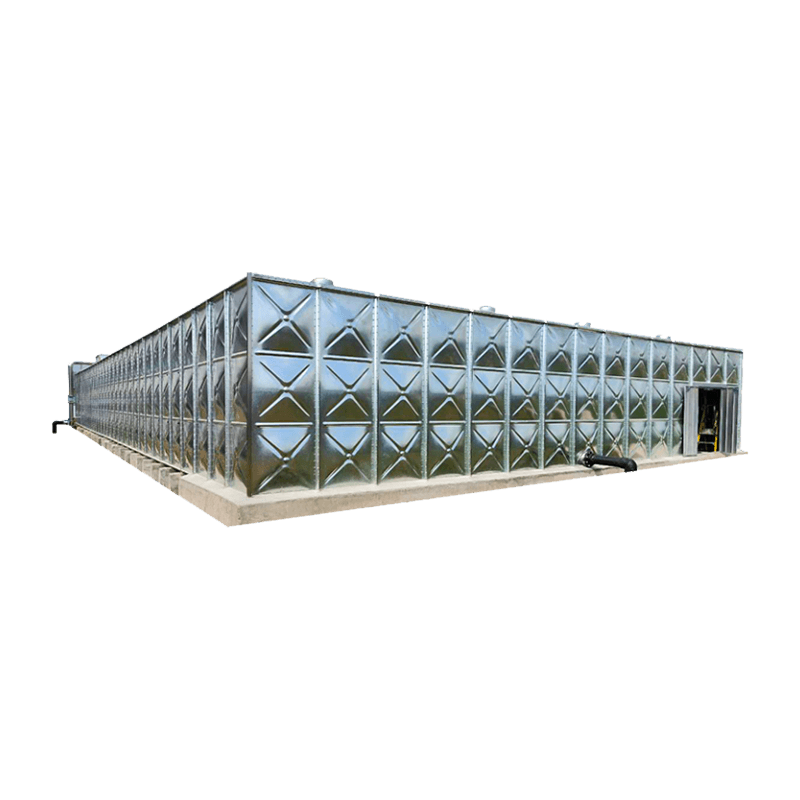
| Commercial water tank | 10,000–100,000 gal (38,000–380,000 L) | 10'–25' D × 12'–30' H | Hotels, hospitals, irrigation, schools |
| Portable water tank | 50–5,000 gal (190–19,000 L) | Varies — collapsible frames | Disaster relief, field camps, mobile firefighting |
Answering what size water tank do I need requires calculating your daily water consumption and your desired backup duration. For a household, average indoor usage per person is about 80–100 gallons (300–380 liters) per day. A family of four uses roughly 350–400 gallons daily. If your well or municipal supply is unreliable, a tank should hold at least two to three days of consumption — about 1,000 to 1,500 gallons for that family. For rain-fed systems where you rely on seasonal rainfall, you need to estimate your catchment area and local rainfall data to determine if your tank can bridge dry periods. This is the core of water storage tank sizing: match capacity to consumption and supply intervals.
For agriculture or commercial uses, the calculation shifts to peak demand. A dairy farm needs water for cows, cleaning, and cooling; a commercial water tank for a small hotel must supply peak morning showers and laundry without running dry. Fire protection tanks are sized by code: a typical fire sprinkler system might require a dedicated industrial storage tank of 20,000 to 50,000 gallons. Always size up from your actual usage estimates by at least 20% to account for growth, leaks, or emergency reserves.
To choose a water storage tank, start with three non-negotiable constraints: the installation site, the water quality requirement, and the local building code. Above-ground tanks need a level, compacted base and protection from freezing if you are in a cold climate. Underground tanks require soil analysis and proximity to structures. Potable water tanks must be made of food-grade materials — polyethylene, stainless steel, or lined concrete — and must be opaque to prevent algae growth. If the water is for non-potable uses like irrigation or toilet flushing, you can use a less expensive material, but always verify that the resin used in plastic tanks is UV-stabilized, or the tank will degrade in direct sun.
Code requirements often dictate minimum capacities for fire flow in rural areas, and the tank may need a dedicated fire department connection. For commercial water tanks in public buildings, health departments may require backflow prevention and regular water quality testing. If you are combining rainwater harvesting with a municipal backup, the plumbing must include an air gap to prevent cross-contamination. When you choose a water storage tank, the selection process is a balance of volume, material, footprint, and regulatory compliance — not simply a purchase based on the lowest price per gallon.
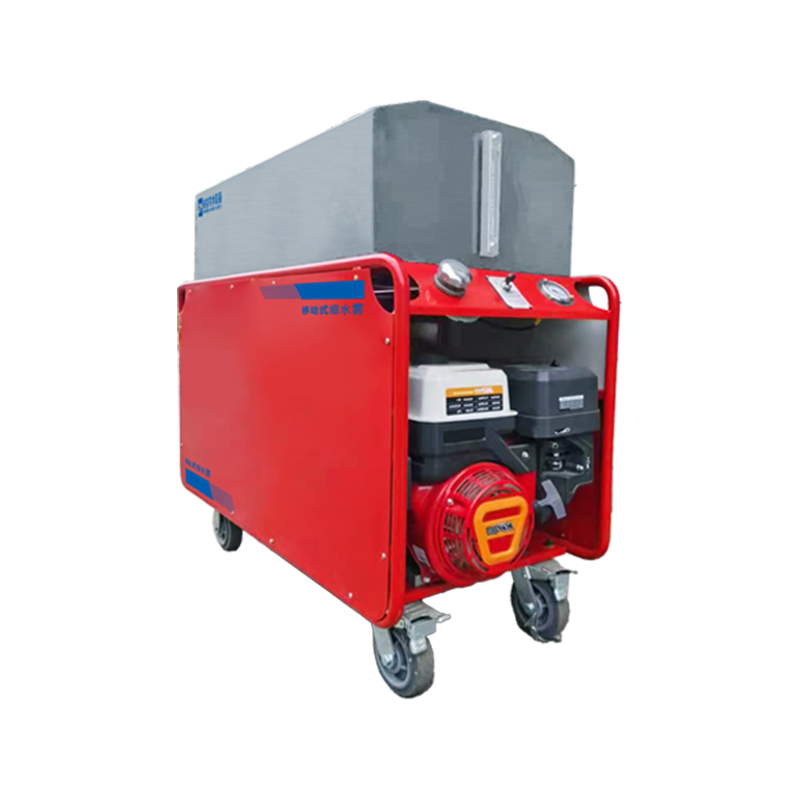
What is the maximum capacity of typical portable water tanks depends on whether you mean truly mobile units that can be carried in a truck or trailer-mounted tanks. Collapsible bladder tanks range from 50 gallons for a small pump-and-spray unit up to 5,000 gallons for large emergency response bladders. Rigid polyethylene portable tanks that fit in a pickup bed usually max out at 300 to 500 gallons because of weight. Water weighs 8.34 pounds per gallon, so a 500-gallon tank weighs over 4,100 pounds when full, requiring a dedicated trailer. For firefighting, portable folding frame tanks can hold 1,500 to 3,000 gallons and are dropped by helicopter or truck for helicopter bucket filling or remote fire suppression.
For events and construction, a 250-gallon portable tank can be moved with a forklift and provides enough water for dust control or hand-washing for a day. The idea of a portable water tank sizes and dimensions table shows that as capacity rises, portability drops quickly. If you need truly mobile water, keep the capacity under 300 gallons and plan for the weight; anything larger is better described as "transportable" rather than portable and requires mechanical handling.
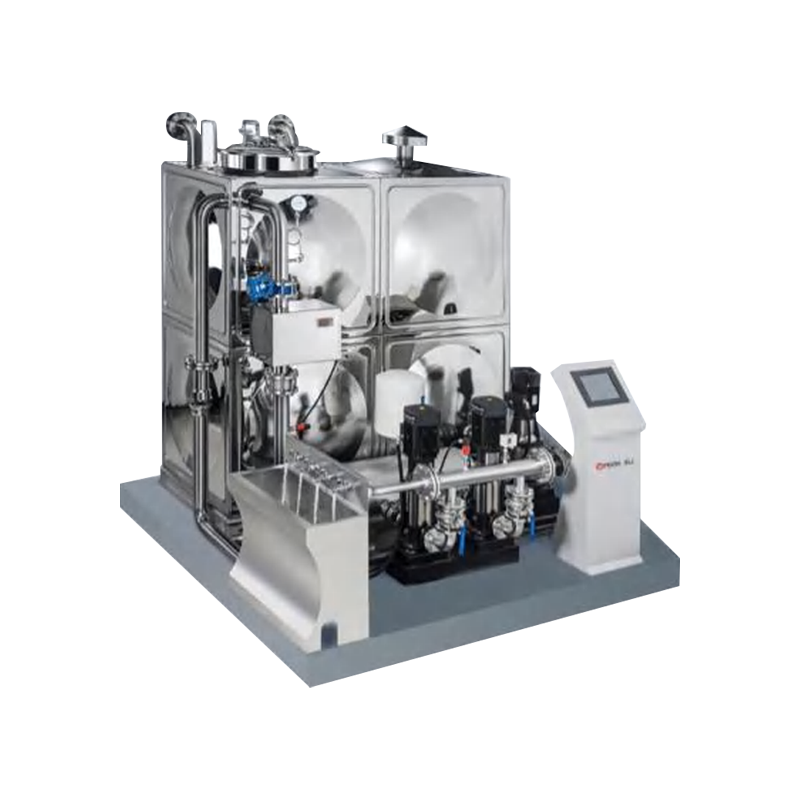
Commercial water tanks are often specified by the building's mechanical engineer based on daily demand and peak flow rates. A hospital, for instance, requires a minimum of 48 hours of stored water for essential services, which can mean a 40,000-gallon tank or larger. Restaurants, laundromats, and hotels use booster pump systems alongside storage tanks to maintain water pressure during high-demand periods. These tanks are usually vertical, cylindrical, and constructed from bolted steel or welded stainless steel to meet health and fire codes.
An industrial storage tank for water in manufacturing may be required for process cooling, boiler feed, or fire suppression. These tanks can be enormous — a single welded steel tank can hold over 1 million gallons and stand 40 feet tall with a diameter exceeding 60 feet. They are built to API 650 or AWWA D100 standards, with rigorous seismic and wind load calculations. In such installations, sizing is determined by a full hydraulic analysis, not a rule of thumb. For the vast majority of users, however, the key to successful water storage tank sizing remains a clear-eyed assessment of daily need, available space, and the reliability of the water source — principles that apply whether you are choosing a 500-gallon garden tank or a 50,000-gallon tank for a school.
Related Products

Contact us
Headquater Address
Room 901, Building 17, Lane 1088, Shen Hong Road, Minhang District, Shanghai
Factory Address
No. 1, Mingxing North Road, Tech Innovation Park, Jianhu County, Yancheng, Jiangsu, P. R. China
Amy@mxwatersupply.com
Amy@mxwatersupply.com
Telephone(Whatsapp/Wechat)
+86-18051685983
QR CODE

 English
 Français