Nov 24, 2026
A potable-water certificate is useful only when it covers the product, materials and conditions that will actually be supplied. A document may apply to a wetted material or component rather than the complete tank, and a standard named on a brochure is not the same as a current, verifiable product listing.
For contractors, consultants, distributors and owners, the practical question is not simply “Does the supplier have a certificate?” It is “Does this evidence match our tank configuration, water service, project specification and destination requirements?” This buyer’s checklist explains how to check that match without treating one country’s approval route as a global rule.
Content
Before reviewing a certificate, define the intended service and who sets the acceptance criteria. “Potable water tank” can refer to different locations and duties: a tank in a building, storage within a public-water supply, or a project-specific installation governed by an owner’s specification. The applicable approval route can differ.
Do not use a phrase such as “food grade” as a substitute for a named requirement. Ask which standard, approval scheme or test applies, what product it covers, and whether the project reviewer accepts it.
For the drawing, materials and submittal checks that sit alongside certification review, see the MXTank water tank submittal checklist. Certification evidence is one part of that review—not a replacement for project-specific drawings or engineering checks.
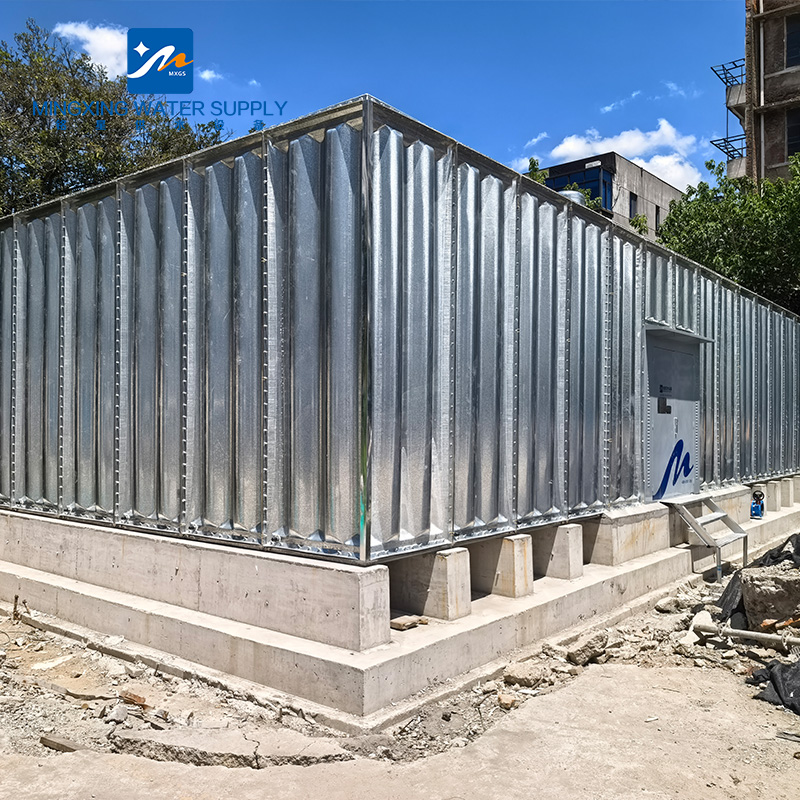
Several documents may appear in the same submittal package, but they answer different questions. Read the stated scope rather than relying on the document title or logo.
| Evidence type | What it may support | What to verify |
|---|---|---|
| Product certification or approval listing | That a named product or material has been evaluated under a particular program and scope. | Issuer, listing number, exact product/model, covered components, stated conditions and current status. |
| Laboratory test report | Results for the samples and tests identified in that report. | Sample identity, test method, laboratory, report date, test scope and whether the project requires separate certification or approval. |
| Material or mill certificate | Material identity and properties documented for the supplied batch or grade, within the report’s stated scope. | Grade, batch/heat reference, manufacturer and traceability to the parts used in the tank. It does not by itself establish every finished-product approval. |
| Quality-management certificate | A management-system certification for the named organization, site and scope. | Whether it is current and relevant to the supplier. Do not treat it as product-specific drinking-water approval. |
A report saying a product was “tested to” a standard may not demonstrate that the exact product currently holds third-party certification. Certification and testing routes vary, so confirm what the named program actually issued and whether the project requires a current official listing.
Standards can help buyers ask precise questions, but the standard number alone does not tell you whether a certificate covers the complete tank.
NSF/ANSI/CAN 61
NSF describes this as a health-effects standard for materials, components, products and systems that contact drinking water. Its sections include different product types, including barrier materials and joining or sealing materials. Check whether the listing names the tank assembly or only a particular material/component. See the NSF standard overview and the NSF Official Listings.
NSF/ANSI/CAN 372
NSF states that this standard addresses lead content only. It should not be read as proof that a complete tank meets every drinking-water requirement or as a substitute for other required evaluations. Review the NSF/ANSI/CAN 372 technical requirements and the project specification.
These are examples, not universal requirements. A tank may also be subject to local approvals, owner specifications or other standards. Confirm the current edition and acceptance route with the responsible project reviewer.
Certification acceptance is not automatically global. The UK is a useful jurisdiction-specific example: the Drinking Water Inspectorate (DWI) describes distinct routes for products used by water suppliers under Regulation 31 and products within customers’ premises under the Water Supply (Water Fittings) Regulations. The DWI’s published public-supply list says listed products have not been assessed for fitness for purpose or for use in buildings. DWI explains the rules and publishes the list, but its FAQ notes that DWI does not itself approve products; confirm the responsible approval body for the actual use.
Use the DWI explanation of products that can be approved and its current approved-products page as UK examples only. They are not a substitute for checking requirements in another country or for a different type of water installation.
Keep a simple record in the project submittal register: document title and revision, issuer, number, covered product/material, status-check date, reviewer decision and any open limitation.
Imagine a quotation for a sectional water tank accompanied by a current listing for a gasket material. That listing may be useful evidence for the gasket, but it does not automatically establish that the tank panels, coating or lining, joints and complete assembly are covered. The NSF Official Listings themselves note that, unless otherwise indicated for materials, certification applies only to the water-contact material shown in the listing.
Likewise, a stainless-steel grade or batch certificate can help establish material identity and traceability, but it is not, on its own, proof that the finished tank meets every potable-water approval required by the destination project. Ask for a component-by-component evidence map and have the project reviewer confirm whether that documentation is sufficient.
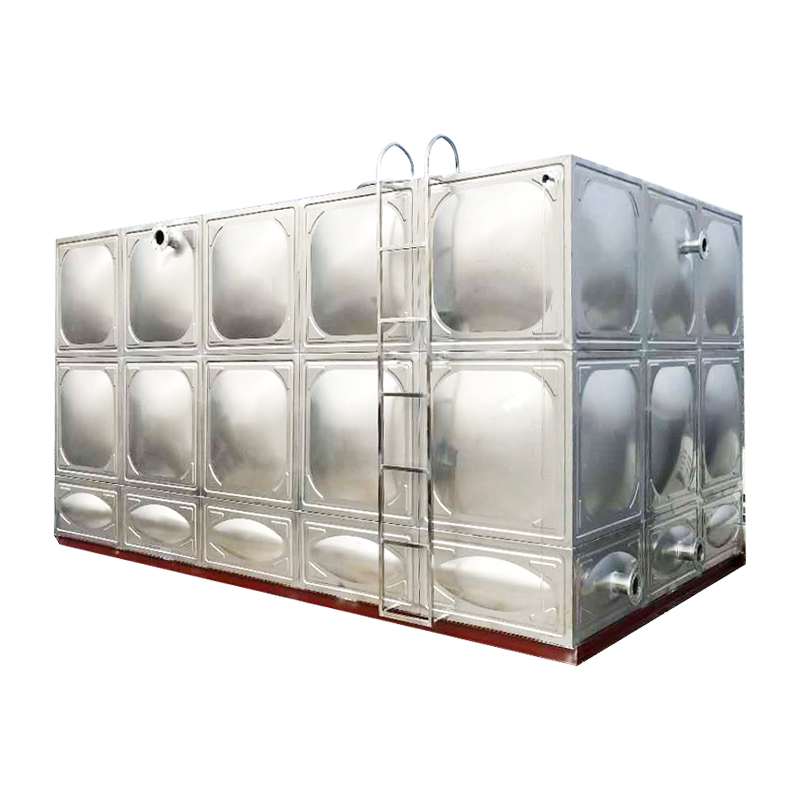
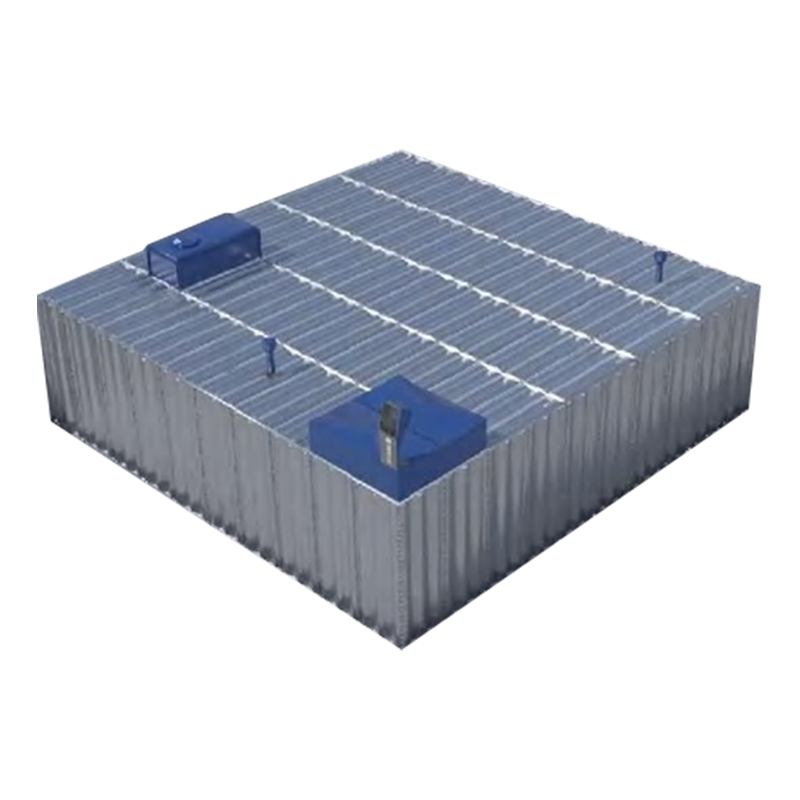
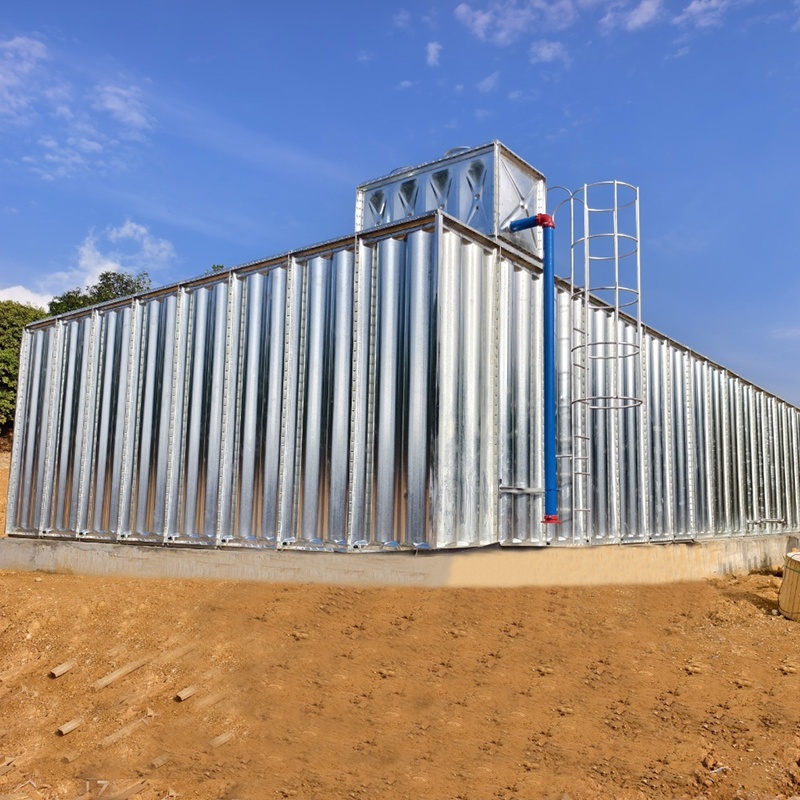
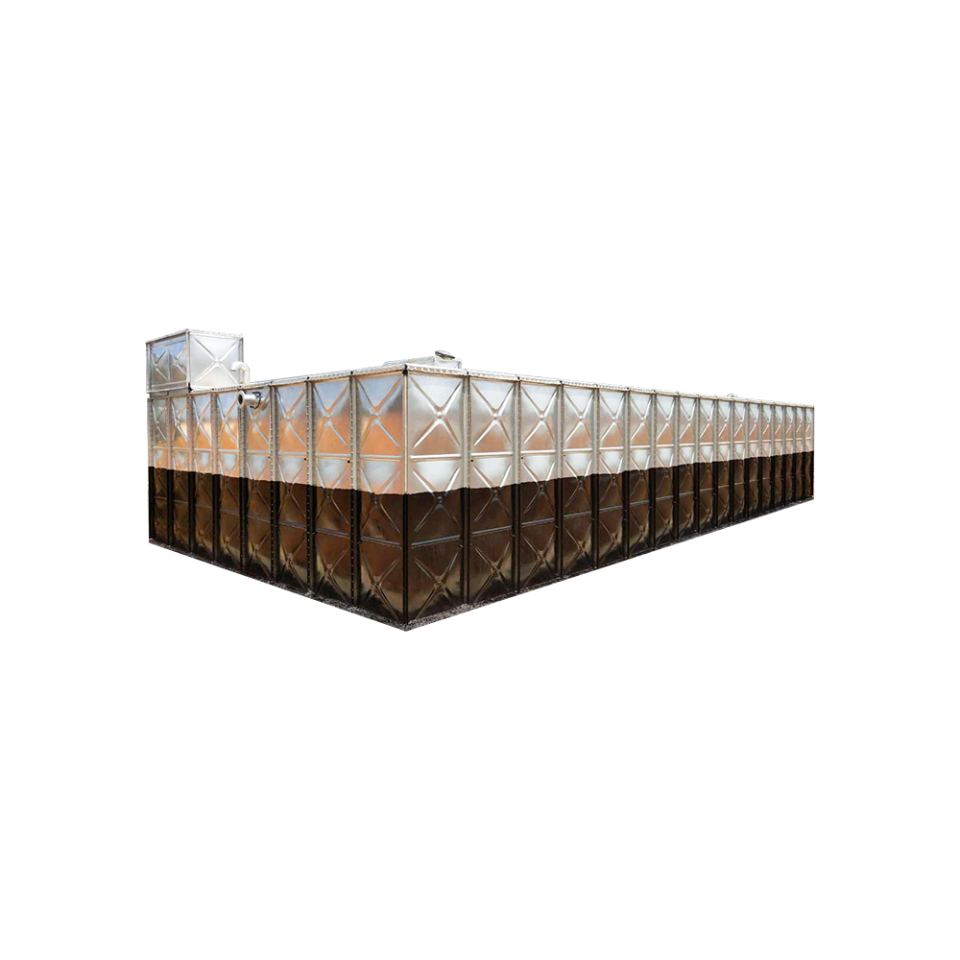
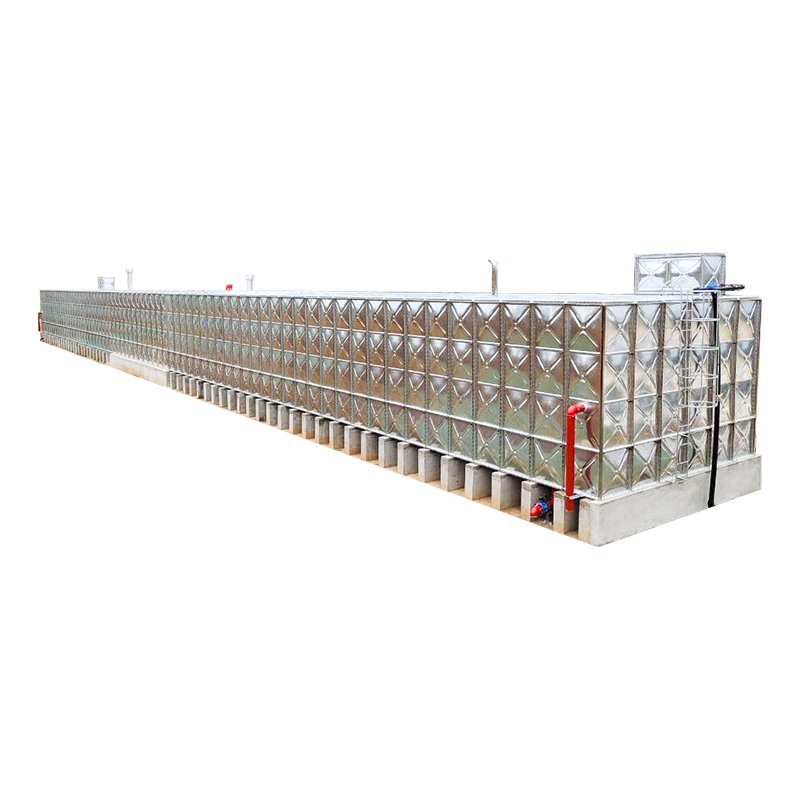
For a sectional tank project, compare the proposed evidence with the actual construction and water-contact schedule for the assembly-bolted sectional tank. The public product page is a product-range reference; the project-specific submittal and applicable approval documents must be reviewed separately.
Potable-water evidence request:
Please identify the potable-water certification or approval required for the proposed tank under the project specification and destination jurisdiction. Submit the current certificate or approval, the issuer’s official verification link, certificate/listing number, holder and manufacturing site, exact product or material designation, applicable standard and edition, water-contact components covered, stated conditions or exclusions, and current status or expiry information. Confirm whether the evidence covers the complete tank assembly or only listed materials/components. Identify any parts outside the certified scope and notify us of proposed substitutions before supply. Provide separate material, inspection or performance records required by the project specification.
Use this wording as a starting point and adjust it to the contract. For the wider drawing, material and test-document workflow, see the submittal review guide.
No. A material grade identifies a material specification, but the project may also need evidence for the finish, coating or lining, seals and other water-contact parts, as well as approval under its applicable rules.
No. NSF says 372 addresses lead content only, while 61 addresses health effects associated with materials and products in contact with drinking water. Whether either is required depends on the project and jurisdiction.
Not unless the certificate or official listing explicitly includes the complete tank product and the supplied configuration. Verify the exact scope; a component listing should not be extended to unlisted parts by assumption.
Requirements vary with the water service, project specification and jurisdiction. Ask the responsible project reviewer or authority which approvals and records are required before ordering.
Preparing a sectional water tank submittal? Contact MingXing with the project location, water service, tank type and specification so the applicable documentation can be identified for review.
Always confirm the latest requirement with the authority and project reviewer responsible for the installation.
Related Products
Contact us
Headquater Address
Room 901, Building 17, Lane 1088, Shen Hong Road, Minhang District, Shanghai
Factory Address
No. 1, Mingxing North Road, Tech Innovation Park, Jianhu County, Yancheng, Jiangsu, P. R. China
watersupplymingxing@gmail.com
watersupplymingxing@gmail.com
Telephone(Whatsapp/Wechat)
+86 15365682888
QR CODE

 English
 Français