Feb 12, 2026
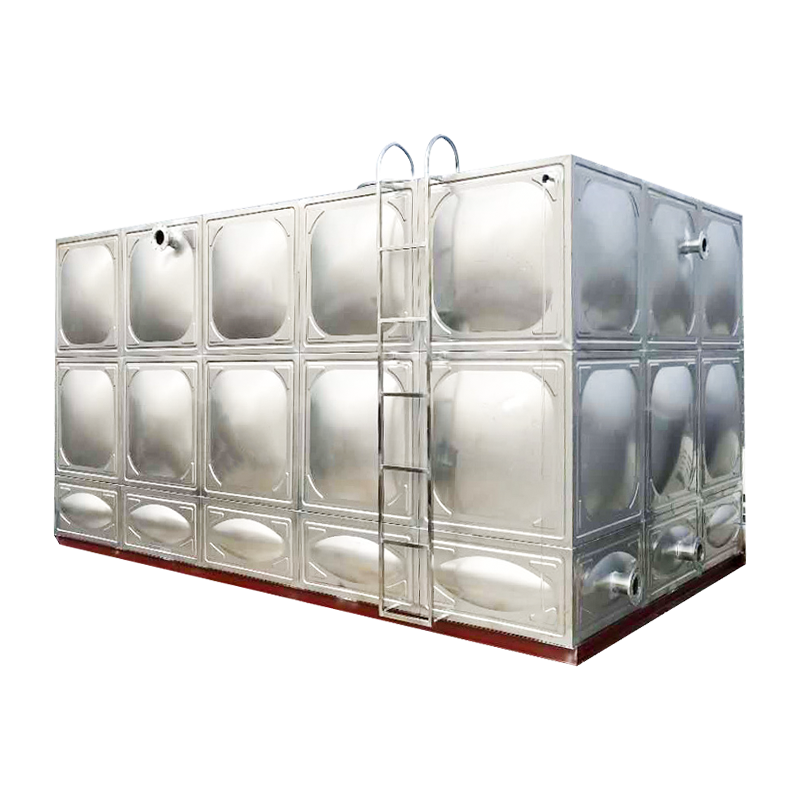
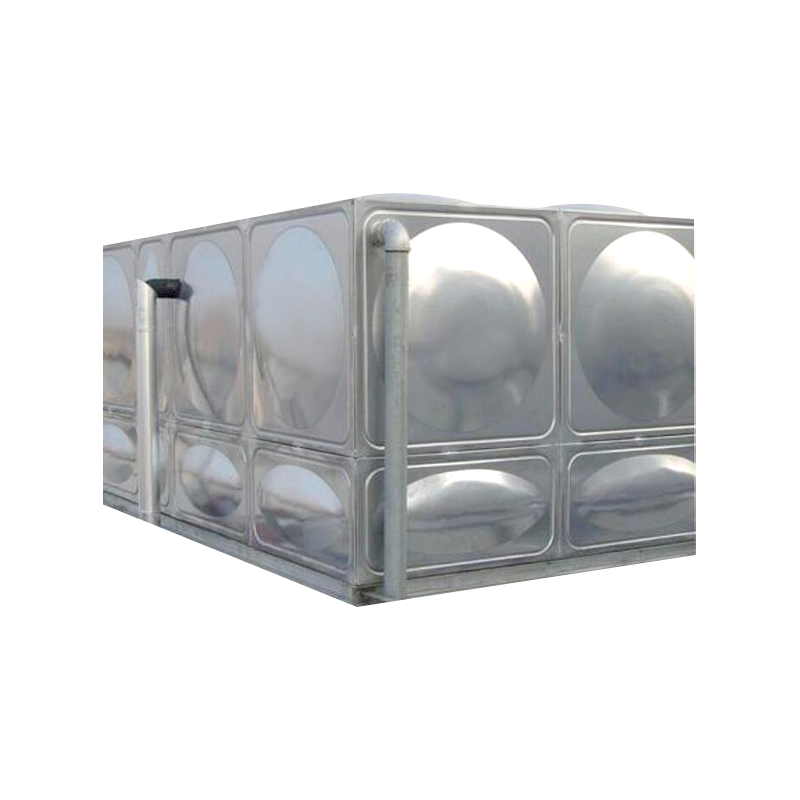
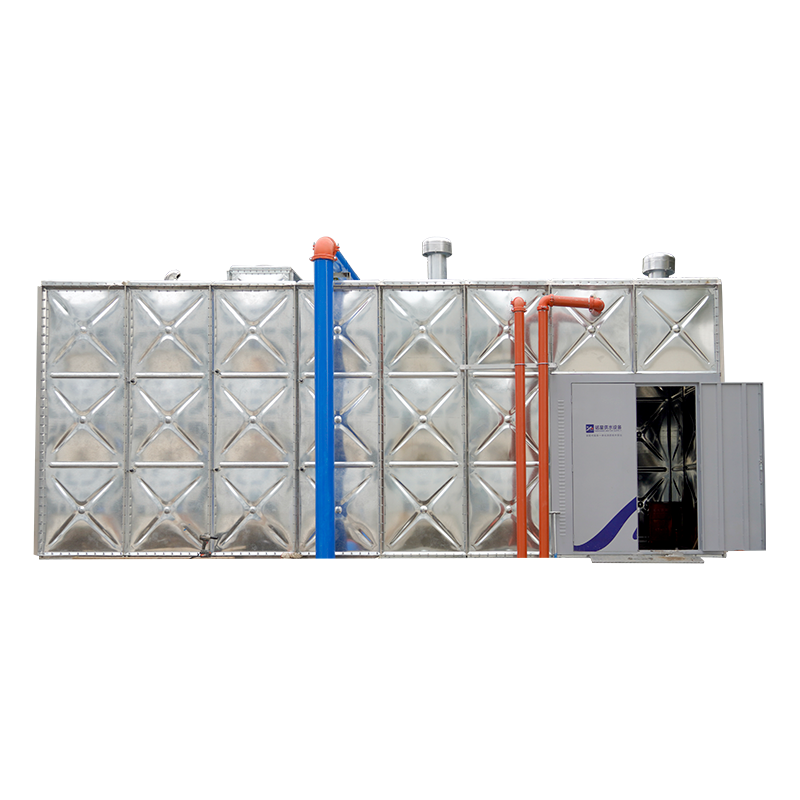
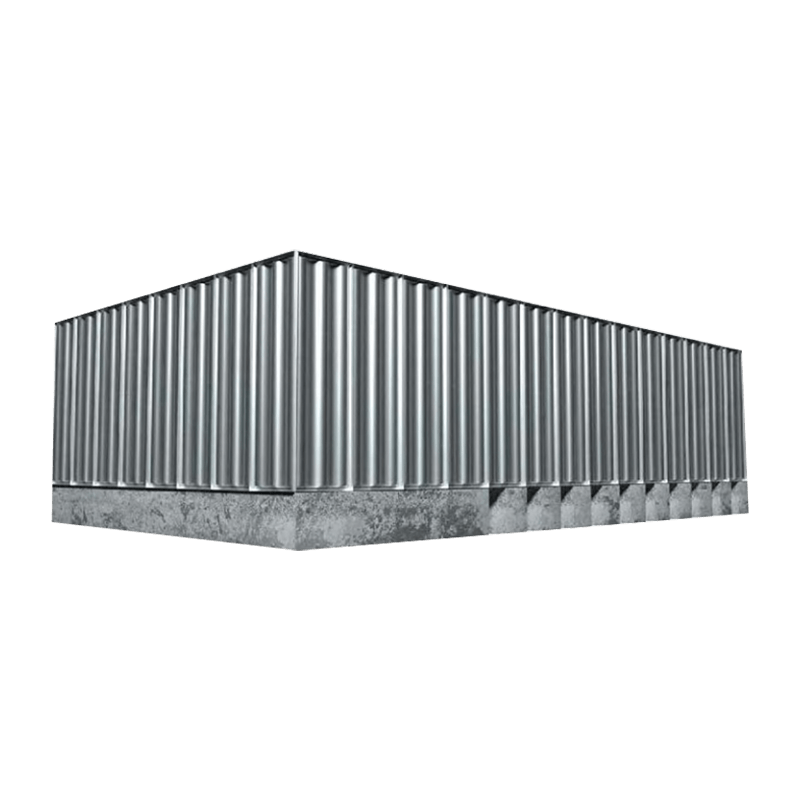
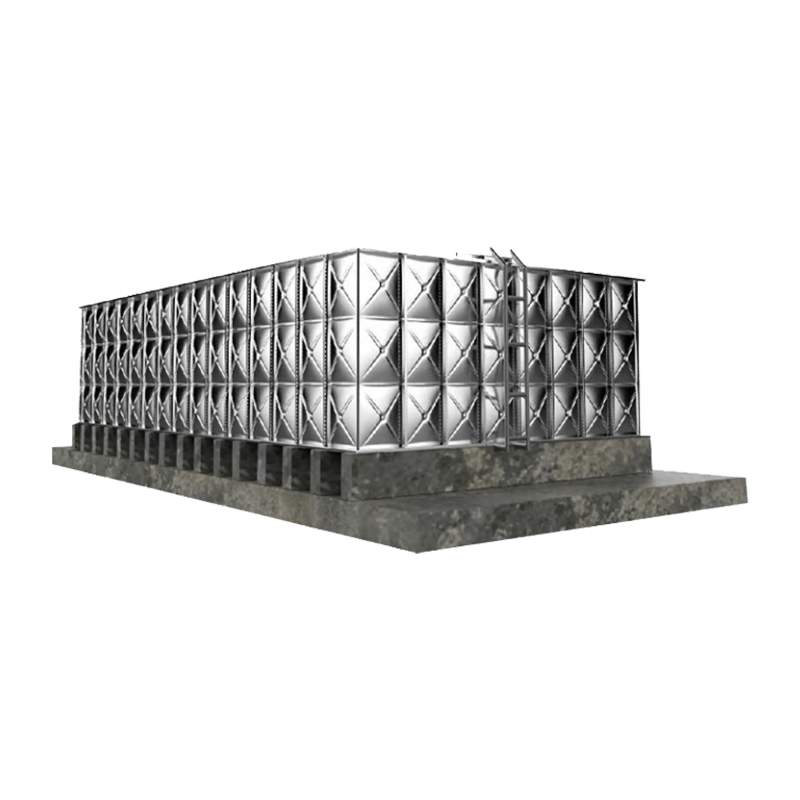
In the realm of large-scale liquid storage, the Welded Stainless Steel Sectional Water Tanks represent the pinnacle of structural integrity and hygienic safety. Unlike bolted systems that rely on gaskets and mechanical fasteners, welded stainless steel sectional water tank utilizes continuous fusion to create a monolithic structure. This engineering approach eliminates potential leak paths and significantly reduces maintenance overhead in critical applications such as fire protection, potable water storage, and industrial processing. Understanding the metallurgical properties, welding protocols, and structural reinforcements is essential for engineers specifying long-term water storage solutions.
Content
The performance of Welded Stainless Steel Sectional Water Tanks is primarily dictated by the alloy's resistance to localized corrosion, specifically pitting and crevice corrosion. While SS304 is the industry standard for general potable water, SS316 water tank corrosion resistance is mandatory for coastal environments or high-chloride industrial gray water. The addition of molybdenum in SS316 enhances its passive film stability. For welded structures, ""L"" grade (low carbon) variants are preferred to prevent chromium carbide precipitation in the Heat Affected Zone (HAZ), a phenomenon known as sensitization which can lead to intergranular corrosion.
| Property | Grade SS304 | Grade SS316L |
| Molybdenum Content | 0% | 2.0% - 3.0% |
| Chloride Resistance | Moderate (< 200 mg/L) | Superior (< 1000 mg/L) |
| Weldability (Intergranular) | Standard (Risk of sensitization) | High (Low carbon prevents decay) |
| Best Use Case | Urban Potable Water | Chemical & Marine Environments |
The structural reliability of a welded stainless steel sectional water tank depends heavily on the execution of stainless steel water tank welding standards. Argon Tungsten Arc Welding (TIG/GTAW) is the preferred method as it provides a clean, precise bead with deep penetration. Post-weld treatment, including pickling and passivation, is critical to restoring the protective oxide layer that is depleted during the high-heat welding process. Engineers must verify that how to weld stainless steel water tank panels involves back-shielding with inert gas to prevent ""sugar"" (oxidation) on the reverse side of the weld, ensuring a smooth internal surface that prevents bacterial biofilm accumulation.
Because Welded Stainless Steel Sectional Water Tanks are modular, their internal reinforcement systems must be engineered to withstand both static hydrostatic pressure and dynamic seismic loads. High-density internal tie-rods or external cold-rolled steel channels are used to maintain the tank's geometry. In seismic zones, the seismic design for stainless steel water tanks often incorporates reinforced bottom plates and specialized foundation anchoring to absorb kinetic energy. Compared to traditional concrete tanks, stainless steel panels offer a higher strength-to-weight ratio, allowing for safer rooftop installations.
| Feature | Welded Sectional Tank | Traditional Concrete Tank |
| Weight Factor | Lightweight (Reduces building load) | Heavy (Requires massive foundations) |
| Installation Speed | Rapid (Modular on-site welding) | Slow (Curing time required) |
| Elasticity/Seismic | High (Flexible joints) | Low (Brittle, prone to cracking) |
A frequent question in asset management is: What is the lifespan of a welded stainless steel water tank? With proper grade selection and professional welding, these tanks can exceed a 40-year service life. The lack of gaskets means there are no organic components to perish over time. When considering stainless steel water tank vs fiberglass tanks longevity, stainless steel is impervious to UV radiation and does not suffer from ""wicking"" or osmosis, which can degrade composite materials in high-temperature or outdoor environments.
Unlike carbon steel, stainless steel does not require internal epoxy coatings which can peel and contaminate water supplies. The food grade stainless steel water tank benefits include a non-porous surface that inhibits the growth of Algae and Legionella. This makes it the ideal choice for hospital and pharmaceutical grade water storage where purity is non-negotiable.
| Maintenance Item | Stainless Steel (Welded) | Fiberglass (FRP/GRP) |
| UV Degradation | None | High (Requires UV coating) |
| Bacterial Growth | Very Low (Smooth surface) | Moderate (Porous resin) |
| Leak Potential | Zero (Fusion welded) | Moderate (Bolt-seal points) |
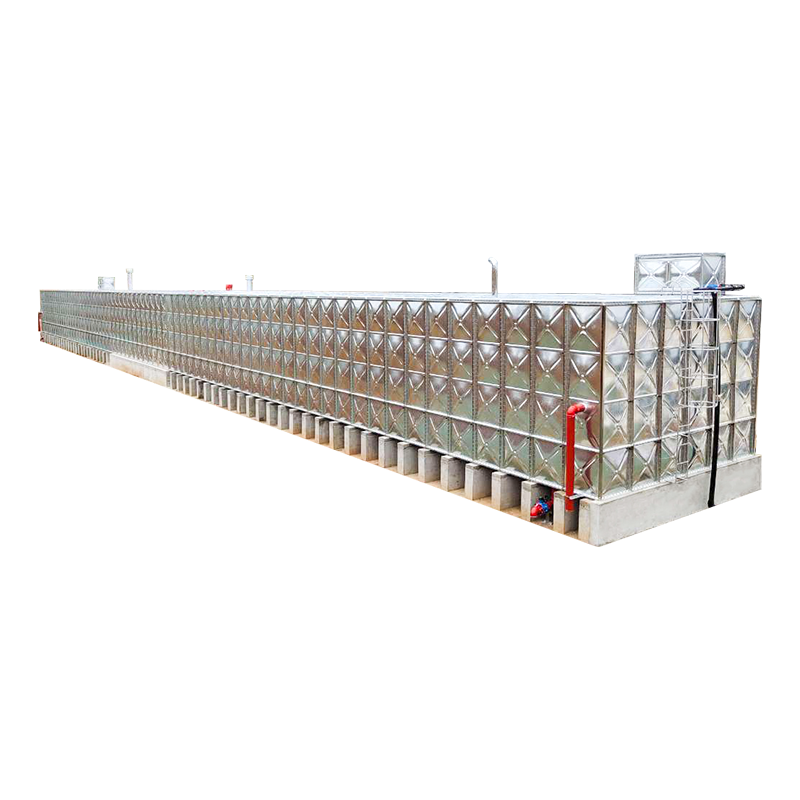
While the initial capital expenditure of a welded stainless steel sectional water tank may be higher than galvanized or plastic alternatives, the cost-effectiveness of stainless steel sectional tanks becomes apparent over the lifecycle. Reduced downtime, absence of liner replacements, and high scrap value contribute to a lower Total Cost of Ownership (TCO). Furthermore, for projects requiring custom size welded stainless steel tanks, the sectional nature allows for irregular footprints that maximize available space in basement mechanical rooms or cramped industrial sites.
Yes, provided professional TIG welding equipment is used with adequate ventilation and fire-watch protocols. TIG welding produces minimal fumes compared to stick welding, making it suitable for confined indoor spaces.
Yes. The modular design allows for the addition of new sections. However, this requires professional cutting and re-welding to maintain structural integrity and stainless steel water tank welding standards.
Common methods include Dye Penetrant Testing (DPT) to find surface cracks and vacuum box testing to ensure air-tightness. For critical industrial use, radiographic testing may be applied to the primary structural seams.
Sectional panels can fit through standard doorways and elevators. This allows for the assembly of custom size welded stainless steel tanks (/product/water-tanks/welded-stainless-steel-sectional-water-tank/) directly in rooftop or basement locations where a pre-built tank cannot enter.
Stainless steel maintains its mechanical properties across a wide temperature range. However, for hot water storage (>60°C), thermal expansion must be calculated in the seismic design for stainless steel water tanks to prevent stress at the anchor points.
Related Products

Contact us
Headquater Address
Room 901, Building 17, Lane 1088, Shen Hong Road, Minhang District, Shanghai
Factory Address
No. 1, Mingxing North Road, Tech Innovation Park, Jianhu County, Yancheng, Jiangsu, P. R. China
Amy@mxwatersupply.com
Amy@mxwatersupply.com
Telephone(Whatsapp/Wechat)
+86-18051685983
QR CODE

 English
 Français