Sep 22, 2026
A fire in an electrical cable tunnel is rarely decided by the flames alone — the suppression response determines whether the facility is back online in days or weeks. If a conventional sprinkler discharges for forty minutes, the tunnel floods, switchgear short-circuits, and replacement costs run into millions. A high pressure water mist fire system controls the same fire with roughly 5 to 10 percent of the water, releasing droplets under 200 microns that evaporate, absorb heat, and starve the fire of oxygen without flooding the asset.
The technology deliberately fills the gap between standard sprinklers and clean-agent gas systems. It uses ordinary water, pressurizes it to 34.5 bar or more, and forces it through precision nozzles that atomize the flow into a fine mist. This article explains how a high pressure water mist fire system operates, where it delivers the clearest economic return, and what to verify before writing a specification.
Content
A high pressure water mist fire system is a water-based suppression system that operates at or above 34.5 bar (500 psi) and discharges droplets with a Dv0.99 diameter of no more than 200 microns, as defined by NFPA 750.
Three numbers define the technology:
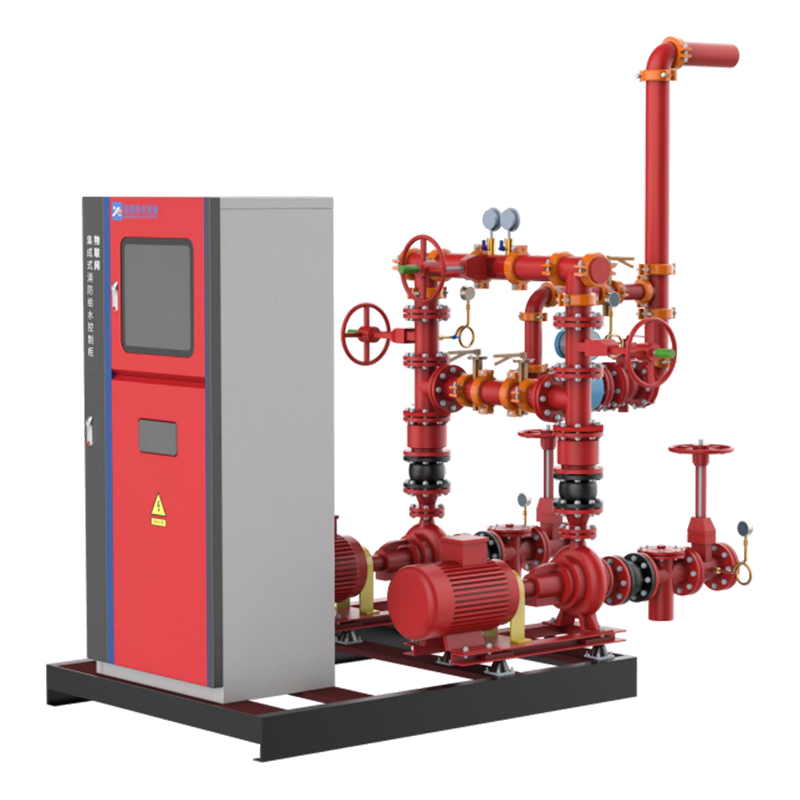
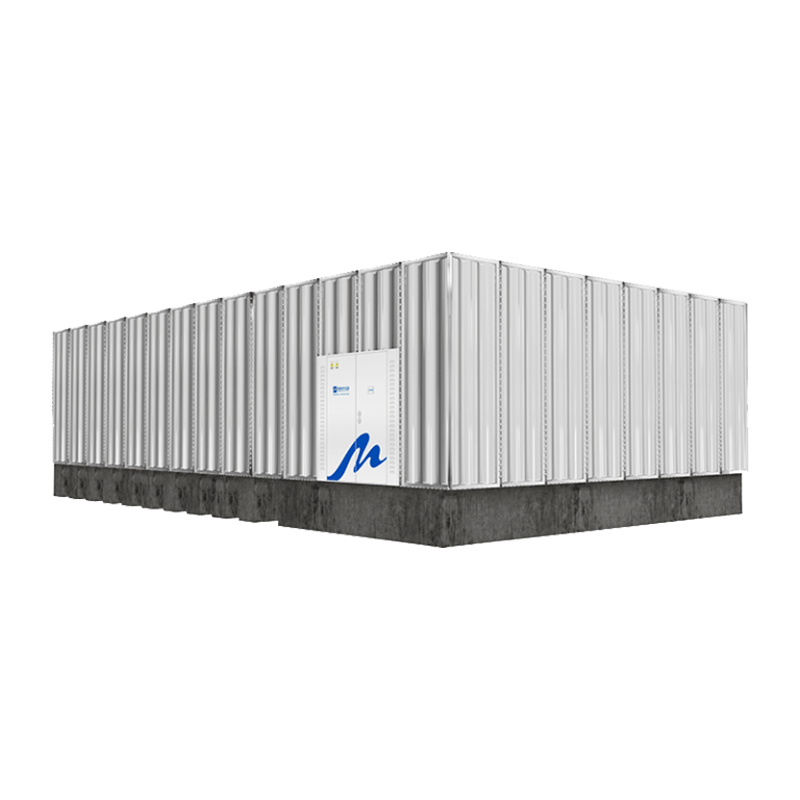
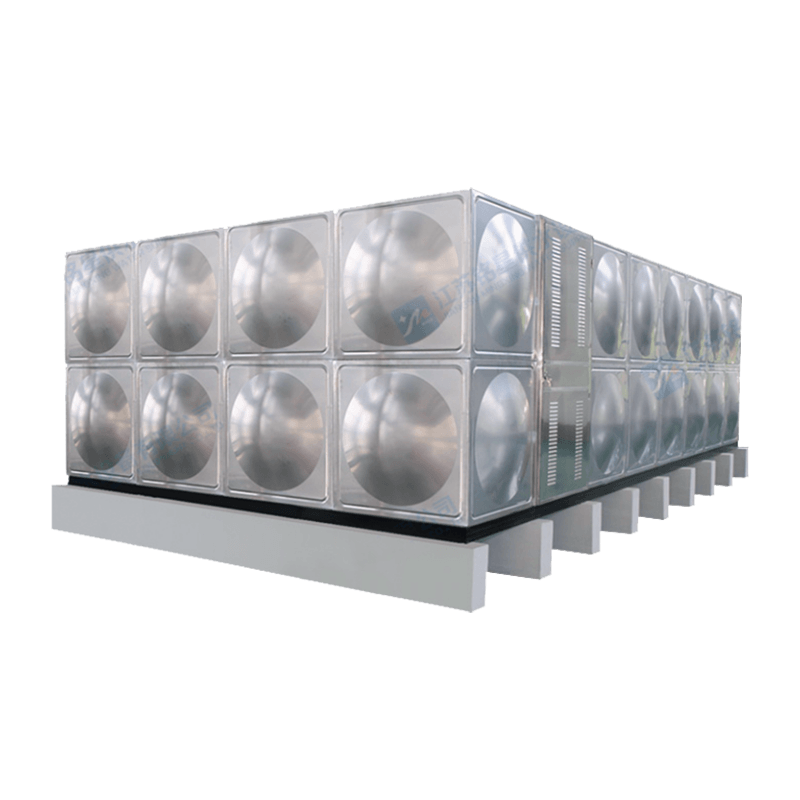
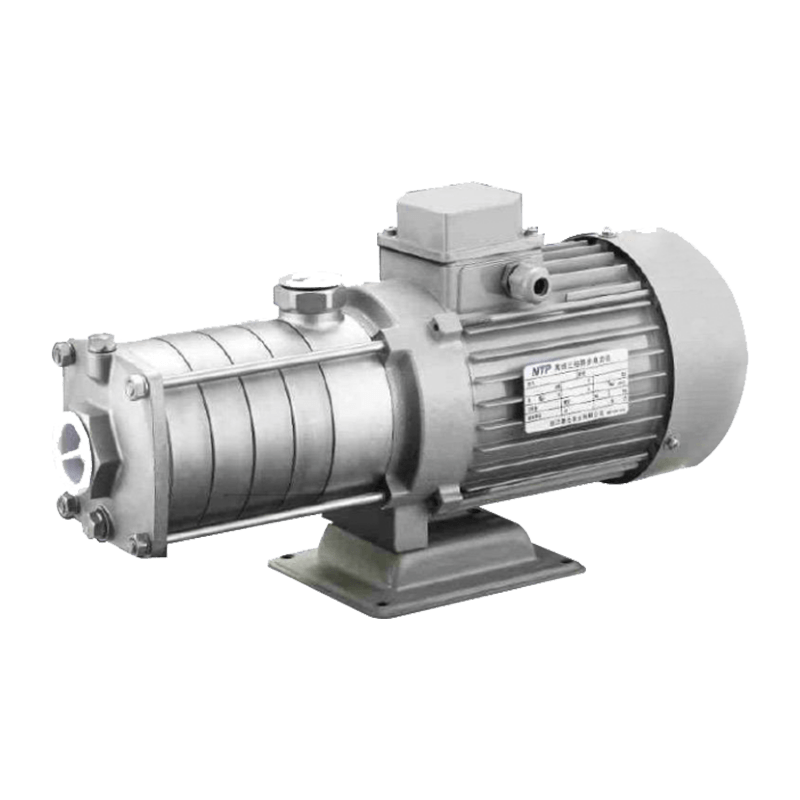
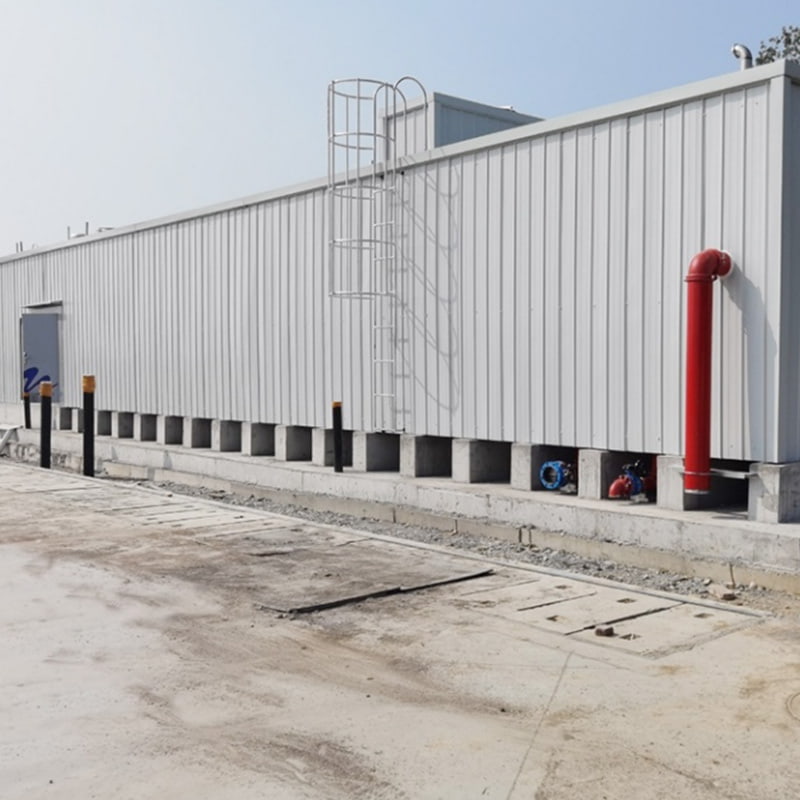
A complete system comprises a dedicated water supply, a high-pressure pump unit, a stainless steel pipe network, atomizing nozzles, and a detection-and-control panel. Because every component interacts hydraulically, the full assembly — not just the nozzle — must be specified and listed as a package. A comprehensive water mist suppression guide covers the codes and test protocols if you need the broader background before sizing equipment.
High pressure water mist: a water-based suppression method operating above 34.5 bar that produces droplets with a Dv0.99 below 200 microns, suppressing fire through cooling, oxygen dilution, and radiant heat blocking.
Droplet size, not water volume, determines how fast the system kills a fire. When one liter of water is atomized from 1,000-micron droplets down to 100 microns, its collective surface area rises from roughly 6 square meters to about 60 square meters — a tenfold increase in the area available for heat absorption.
Cooling surface generated by one liter of water at different droplet sizes
Approximate surface area per liter of water at standard atomization conditions.
That surface area enables three simultaneous suppression mechanisms:
The practical result is that a high pressure water mist fire system suppresses deep-seated hazards — cable bundles, transformer pools, turbine enclosures — with flow rates that no sprinkler can deliver at any realistic pressure.
The cost premium is justified where business continuity, water sensitivity, or confined geometry matters — not in buildings where a sprinkler's collateral water damage is acceptable.
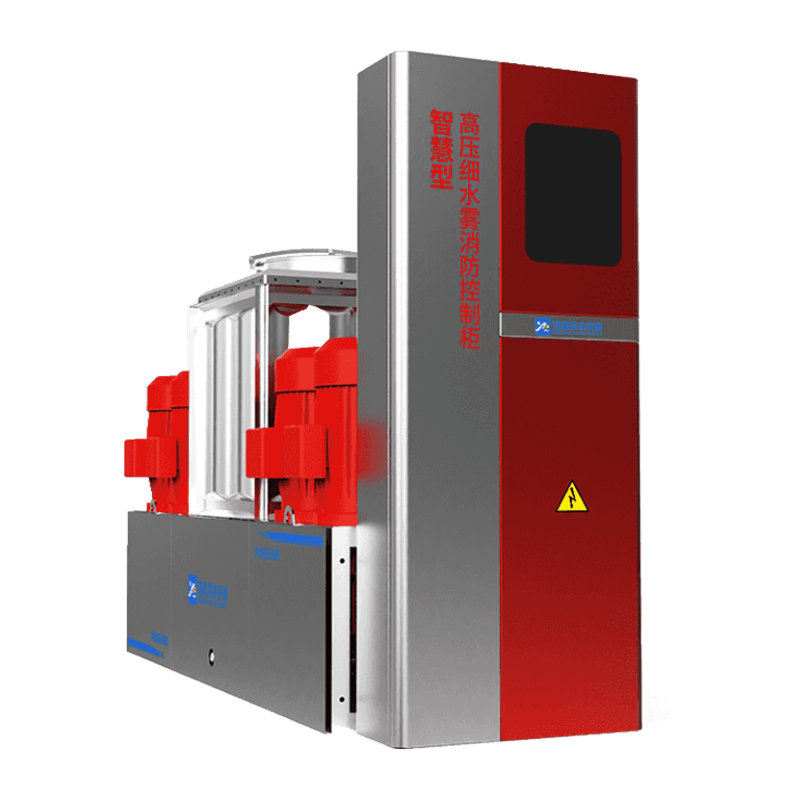 High-Pressure Fine Water Mist Fire Extinguishing DeviceThis device operates above 10 MPa to suppress Class A, B, C, K, and E fires with minimal water use, offering open, closed, and pre-acting variants. It suits water-sensitive or confined spaces where the preceding context discusses justified premium costs for such protection.View Product →
In every one of these settings, the decisive question is not whether mist can extinguish the test fire, but whether the installed system matches the actual obstruction pattern, ventilation rate, and re-ignition risk of the room.
Against sprinklers, high pressure water mist consumes less water and produces far less collateral damage; against gas systems, it stays safe for occupied spaces and can sustain discharge for 30 to 60 minutes instead of seconds.
| Characteristic | High-pressure water mist | Sprinkler | Clean agent gas |
| Operating pressure | 34.5 to 100+ bar | 4 to 12 bar | Not applicable |
| Typical droplet size | 50 to 150 microns | 1,000 to 2,000 microns | Not applicable |
| Water per nozzle | 5 to 15 L/min | 80 to 160 L/min | Not applicable |
| Discharge duration | 30 to 60 minutes | 30 to 90 minutes | 10 to 60 seconds hold |
| Post-fire damage | Minimal, mist vaporizes | Extensive water damage | Safe for electronics |
| Human safety | Safe during discharge | Safe during discharge | Oxygen depletion risk |
| Recharge | Water supply plus pump | Water supply | Cylinder replacement |
The comparison usually reduces to one question: can the asset tolerate water, and can the compartment be sealed and held? High pressure water mist is the only one of the three technologies that works in ventilated, occupied, or partially open environments while remaining inherently non-toxic.
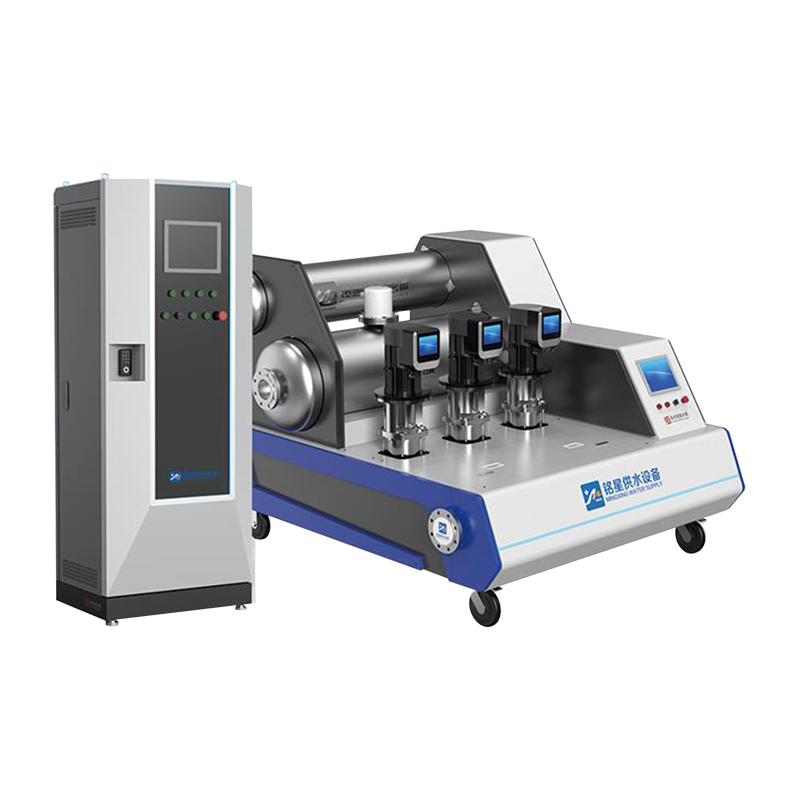
A high pressure water mist system is engineered as five interdependent sub-systems; failure of any one — especially the pump package — turns a designed suppression event into an ineffective discharge.
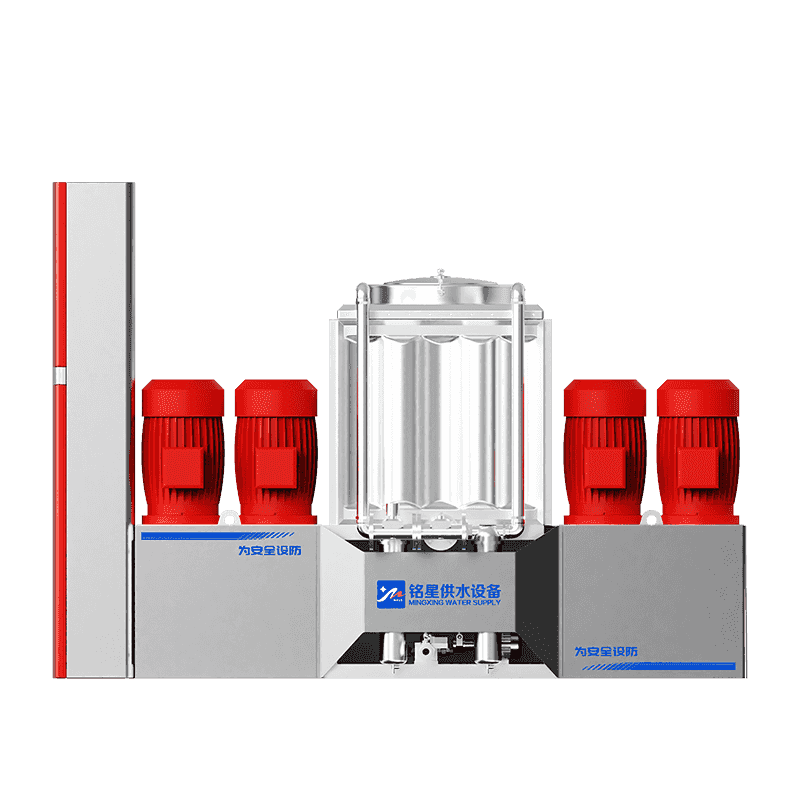 High-Pressure Water Mist System with Integrated Pump UnitA complete high-pressure water mist system featuring a standardized pump unit and IoT-enabled monitoring for diverse building types. The surrounding text stresses system-level listing and integration, making this an appropriate choice for projects requiring a fully matched, approved assembly.View Product →
A high pressure water mist fire system must be listed and configured as an integrated assembly. Mixing nozzles, pumps, or valves from different vendors can void the listing and the insurance approval.
The most common cause of marginal performance is not nozzle blockage but an undersized, contaminated, or poorly integrated water supply.
An engineer can confirm the hydraulic interface and storage layout for your building if you contact the technical team with your room dimensions and fire-load data.
The system is commissioned with pressure tests and nozzle-flow verification, and long-term reliability depends on a disciplined maintenance routine rather than on throwaway components.
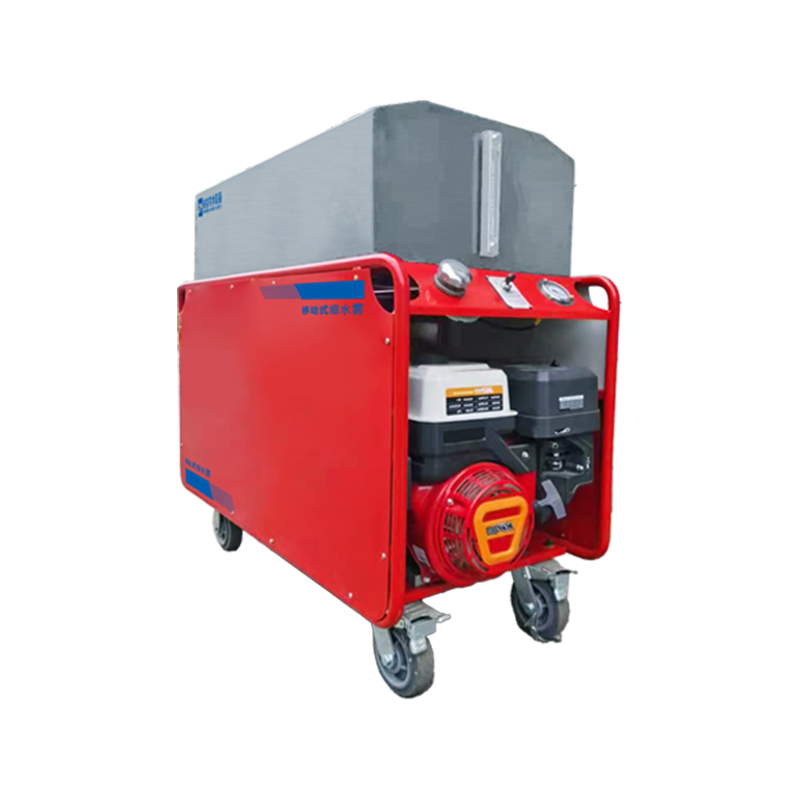 Mobile Trolley-Type Water Mist Fire UnitA wheeled, self-contained water mist unit powered by electric, gasoline, or diesel engines, with an integral tank for over one hour of operation. It provides flexible interim or temporary fire suppression without structural changes, matching the paragraph’s mention of mobile protection during system upgrades.View Product →
For temporary hazards — transformer maintenance, construction phasing, or retrofit gaps — a mobile trolley-type water mist fire unit can be connected to an existing supply and deployed without structural changes. It also serves as interim protection during a fixed-system upgrade.
Yes, when the system is designed and tested for that hazard class. The fine droplets produce sufficient electrical resistivity, and standards such as NFPA 750 address live electrical enclosure protection. Isolating power remains the safest procedure whenever circumstances allow.
Typically 70 to 95 percent less. A high-pressure mist nozzle discharges roughly 5 to 15 liters per minute, while a standard sprinkler flows 80 to 160 liters per minute. A 30-minute mist discharge may handle the same hazard with a fraction of the sprinkler system's cumulative volume.
NFPA 750 is the primary reference in North America; CEN/TS 14972 is the European framework; and IMO resolutions govern shipboard installations. Most listed systems also carry third-party approval such as FM Approvals or UL, which defines the certified scope of applications.
Yes. Unlike gas systems, high pressure water mist does not deplete oxygen below safe breathing levels when designed to NFPA 750 limits. Water is non-toxic, and the discharge is not hazardous to occupants — one of the main reasons the technology is used in continuously occupied machinery spaces.
Related Products

Contact us
Headquater Address
Room 901, Building 17, Lane 1088, Shen Hong Road, Minhang District, Shanghai
Factory Address
No. 1, Mingxing North Road, Tech Innovation Park, Jianhu County, Yancheng, Jiangsu, P. R. China
Amy@mxwatersupply.com
Amy@mxwatersupply.com
Telephone(Whatsapp/Wechat)
+86-18051685983
QR CODE

 English
 Français