Apr 03, 2026
Content
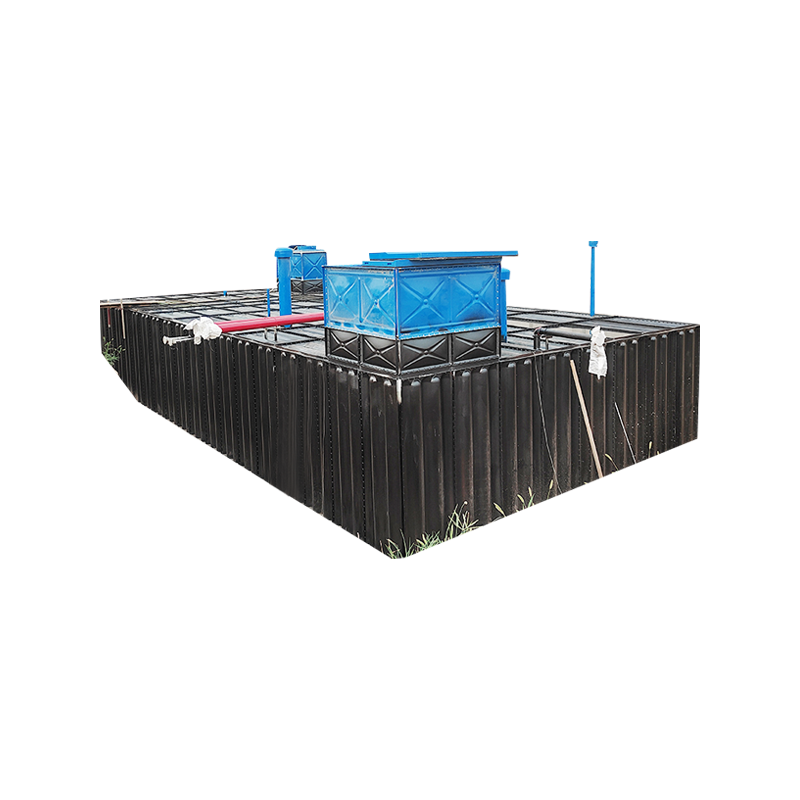
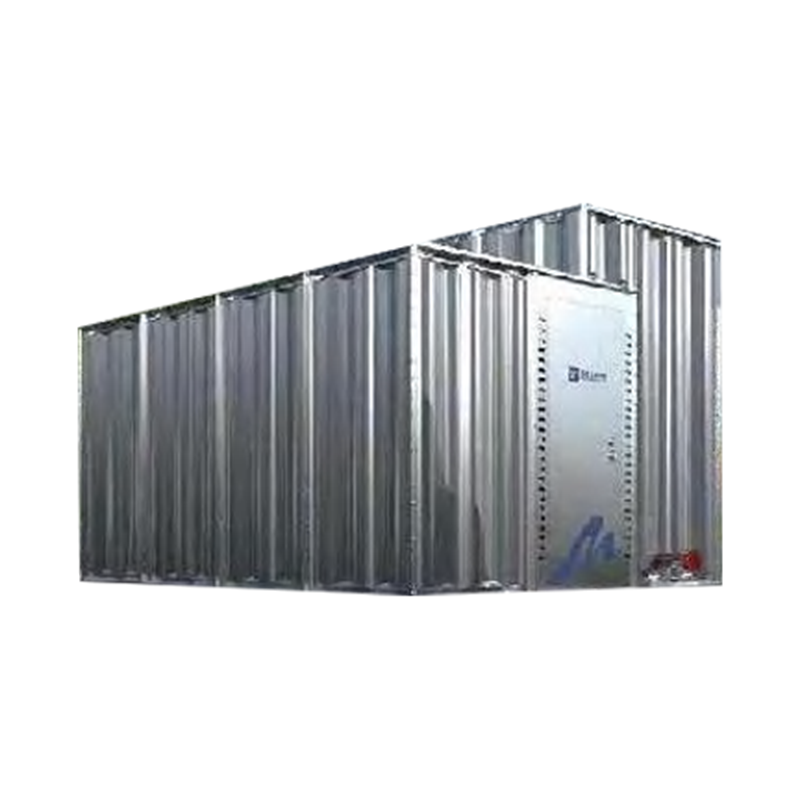
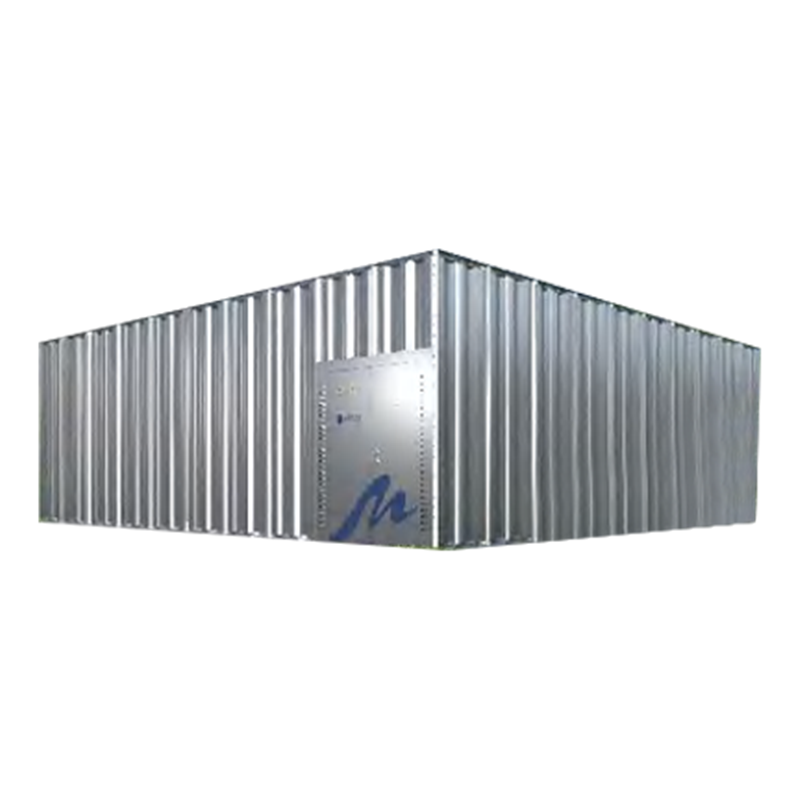
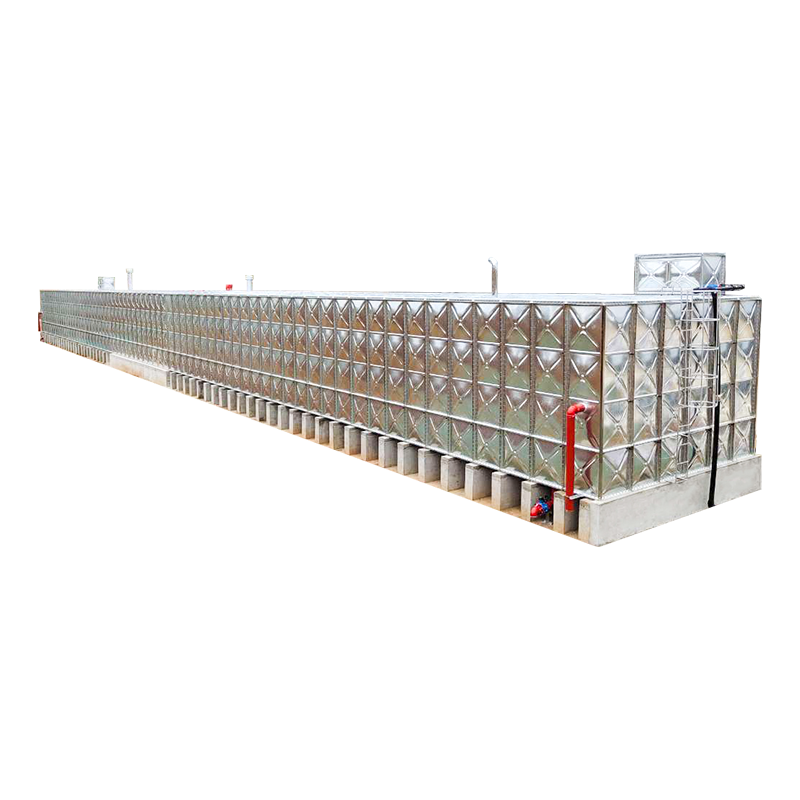
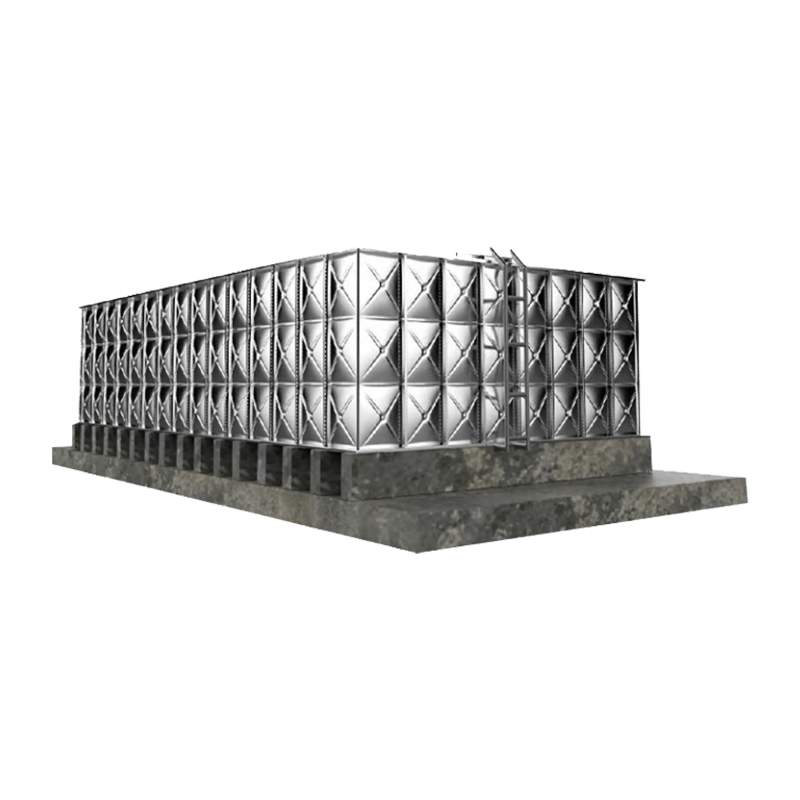
Sectional water storage tanks are modular water containment systems assembled on-site from factory-manufactured panels bolted or interlocked together. Unlike monolithic tanks that must be manufactured to final size and delivered whole, sectional tanks are transported as flat-packed components and assembled within the building's plant room, rooftop, or basement — spaces that would be physically inaccessible to a pre-formed tank of equivalent capacity.
This installation flexibility is the defining commercial advantage of the sectional format. A 50,000-litre cold water storage tank assembled from 1 m × 1 m GRP panels can be carried through a standard doorway and assembled in a plant room that no equivalent single-piece tank could ever enter. For retrofits, upgrades, and installations in existing occupied buildings, sectional cold water storage tanks are frequently the only technically viable solution.
The global market for sectional water tanks is driven primarily by commercial construction, municipal water infrastructure, and industrial process water storage. Demand is strongest in markets where water supply reliability is low, building codes mandate on-site water reserves, or fire suppression systems require dedicated storage volumes — conditions prevalent across the Middle East, South and Southeast Asia, sub-Saharan Africa, and significant parts of Latin America.
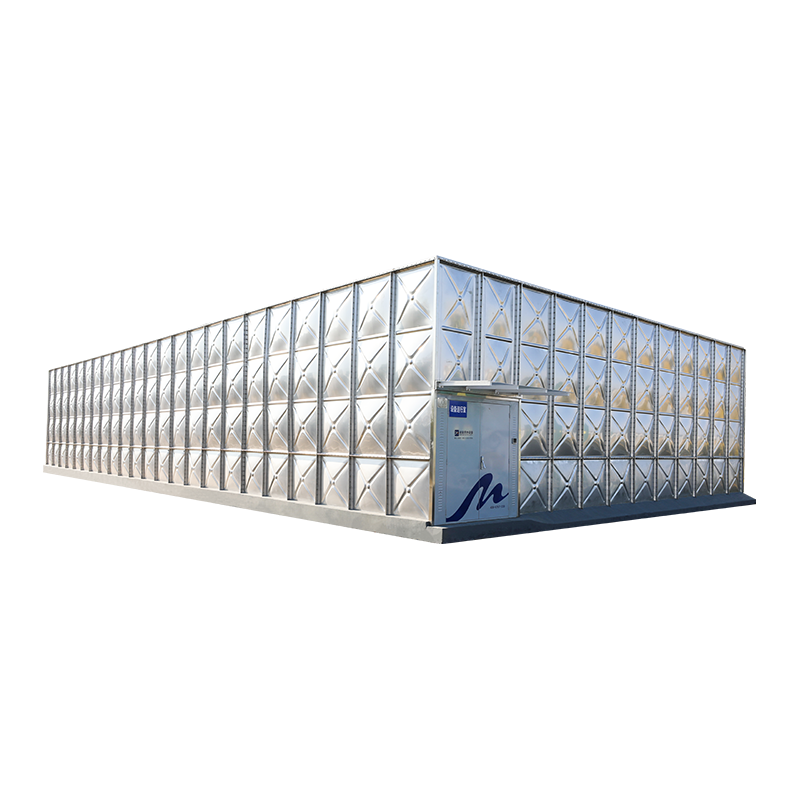
The three dominant materials used in sectional water storage tanks each offer distinct performance profiles, cost structures, and suitability for different applications. Selecting the wrong material for a given environment is the single most common cause of premature tank failure or non-compliance with potable water regulations.
GRP — also marketed as FRP (fibre-reinforced plastic) — is the dominant material for sectional cold water storage tanks globally, accounting for an estimated 60–70% of installed units in commercial and municipal applications. GRP panels are manufactured by compression moulding or hand lay-up processes using a food-grade gel coat inner surface that resists bacterial colonisation and meets BS EN 13280 and WRAS (Water Regulations Advisory Scheme) approval requirements in the UK and equivalent standards internationally.
Key performance characteristics of GRP sectional tanks include:
Stainless steel sectional tanks — typically manufactured from Grade 304 or 316L stainless steel — are specified where hygiene standards are paramount, such as food and beverage production, pharmaceutical manufacturing, and premium potable water storage in healthcare facilities. Grade 316L adds molybdenum to the alloy, providing superior chloride corrosion resistance for installations in coastal environments or where water chemistry includes elevated chloride concentrations.
Stainless steel panels are laser-welded or bolted with food-grade gaskets and offer the cleanest internal surface finish of any sectional tank material — surface roughness (Ra) values below 0.8 µm are achievable with electropolished finishes, minimising biofilm adhesion risk. The trade-off is cost: stainless steel sectional tanks typically carry a 40–80% price premium over equivalent GRP units, making them a value-justified choice only where the application genuinely demands their performance characteristics.
Polyethylene (PE) sectional tanks occupy the lower end of the market in terms of both cost and structural performance. Individual PE panels are lighter and less expensive than GRP, making them attractive for low-capacity residential and light commercial applications — typically below 10,000 litres. However, PE's relatively low structural rigidity limits practical tank heights to around 2 m without additional external support structures, constraining the format's applicability in large-volume industrial or municipal installations.
Correctly sizing a sectional cold water storage tank requires calculating the combined storage demand from three potentially concurrent requirements: domestic cold water consumption, fire suppression reserve, and process water buffer. Undersizing any of these creates regulatory non-compliance or operational vulnerability; oversizing increases both capital cost and the risk of water stagnation and Legionella proliferation from excessive storage residence time.
UK guidance under BS 8558 and CIBSE Guide G recommends a minimum storage capacity equal to one day's demand for the building's occupancy. Typical per-person daily cold water demand figures used in design are:
Where the building's fire strategy relies on a break tank supplying sprinkler or hose reel systems, the storage volume is determined by the system's flow rate and the required duration of operation. A standard light hazard sprinkler system under BS EN 12845 requires 225–360 litres per minute for 30–60 minutes, implying a dedicated fire reserve of 6,750–21,600 litres before domestic storage is added. Fire and domestic storage are typically separated within the same sectional tank using an internal dividing panel — a standard configuration offered by most GRP sectional tank manufacturers.
Most GRP sectional tank manufacturers offer panels in 500 mm and 1,000 mm increments, allowing tanks to be configured in plan dimensions from 1 m × 1 m upward in 0.5 m steps, and in heights from 1 m to 3 m in standard configurations. This modular grid means that capacity can be calculated directly: a 3 m × 4 m × 2.5 m tank ho
Related Products

Contact us
Headquater Address
Room 901, Building 17, Lane 1088, Shen Hong Road, Minhang District, Shanghai
Factory Address
No. 1, Mingxing North Road, Tech Innovation Park, Jianhu County, Yancheng, Jiangsu, P. R. China
Amy@mxwatersupply.com
Amy@mxwatersupply.com
Telephone(Whatsapp/Wechat)
+86-18051685983
QR CODE

 English
 Français