Mar 07, 2026
Content
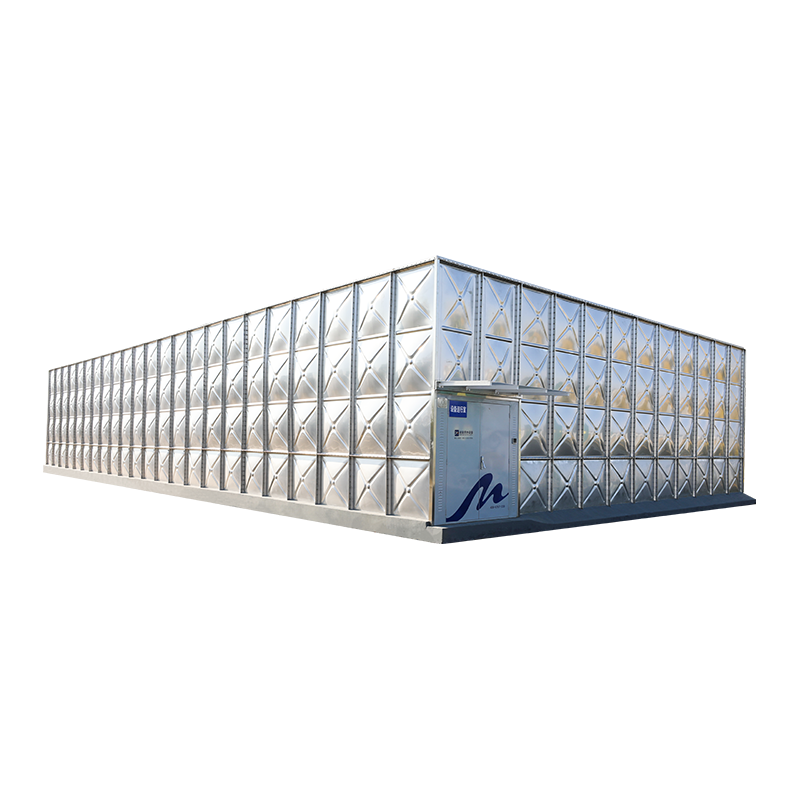
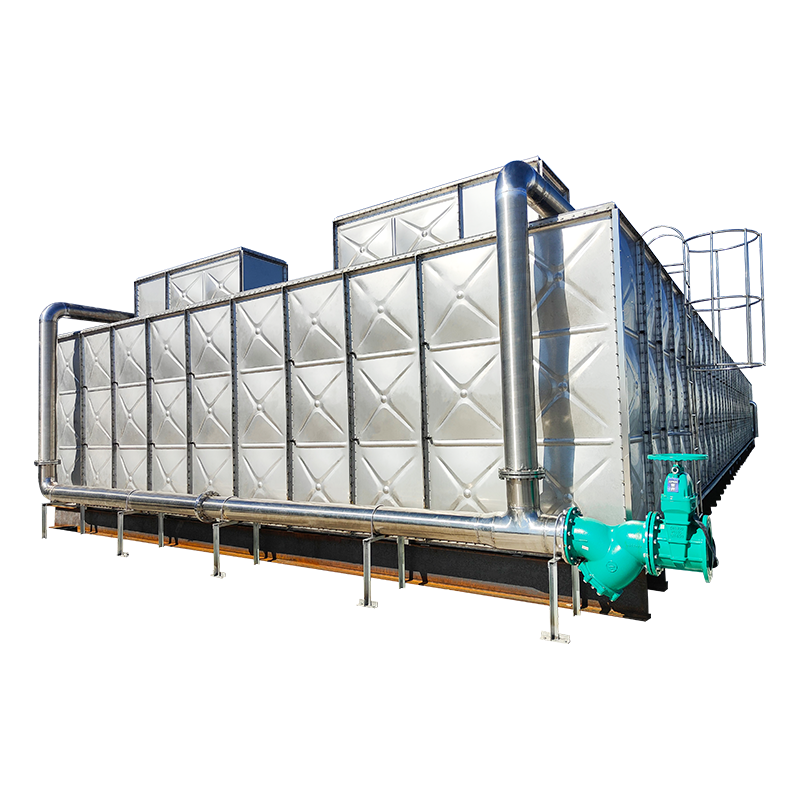
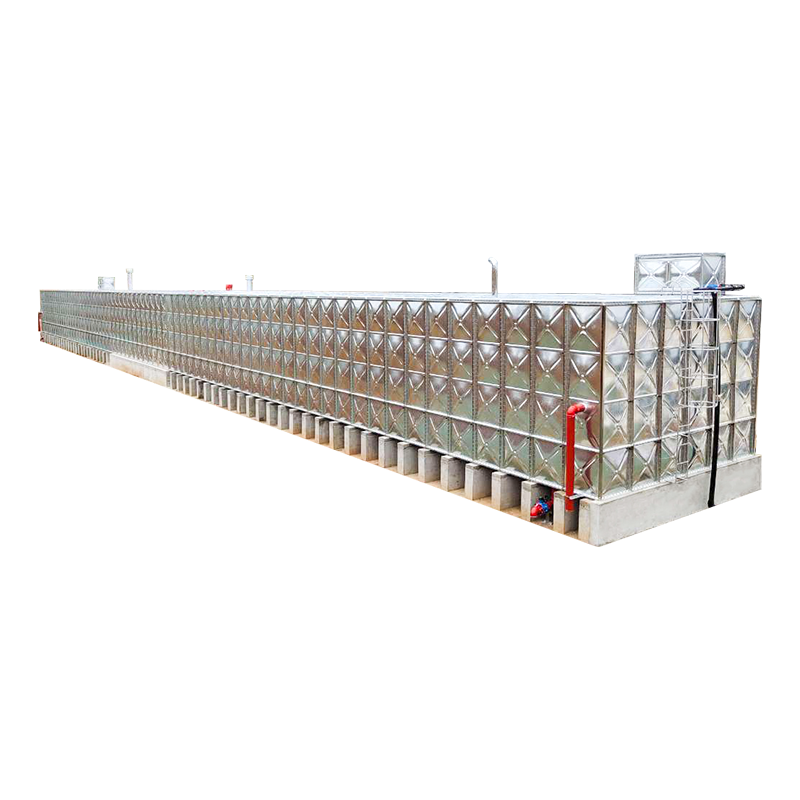
In the realm of international B2B liquid storage solutions, the Hot-Dipped Galvanized (HDG) water tank remains a cornerstone for infrastructure, fire protection, and industrial processing. As global industrial demands scale, the necessity for durable, cost-effective, and modular storage systems has led to the widespread adoption of sectional steel tanks. The HDG process involves immersing fabricated steel components into a bath of molten zinc at temperatures typically around 450 degrees Celsius. This metallurgical reaction creates a robust, multi-layered coating that provides both a physical barrier and cathodic protection against oxidation. For wholesalers and engineering firms, understanding the technical nuances of HDG systems is critical for ensuring long-term project viability and operational safety.
The primary advantage of the HDG water tank lies in its surface treatment. Unlike cold-galvanizing or simple painting, the hot-dip process ensures that the zinc coating bonds chemically with the steel substrate. This creates a series of zinc-iron alloy layers topped by a layer of pure zinc. The thickness of this coating, often exceeding 70 to 90 microns, is what determines the service life of the tank.
In aggressive environments, the zinc coating acts as a sacrificial anode. If the surface is scratched or damaged during installation, the surrounding zinc will corrode in preference to the underlying steel, effectively “healing” the breach. This characteristic is particularly valuable in industrial zones or coastal regions where salt spray and atmospheric pollutants accelerate the degradation of standard metal structures.
When selecting a water storage system, engineers frequently debate between HDG and Stainless Steel (SS304/SS316). While stainless steel is often perceived as the “premium” choice, HDG tanks offer distinct advantages in specific industrial contexts.
| Feature | HDG Water Tank (Q235/Q355) | Stainless Steel Tank (SS304/SS316) |
|---|---|---|
| Initial Cost | Highly Cost-Effective | High Initial Investment |
| Corrosion Protection | Sacrificial Zinc Coating | Passive Chromium Oxide Layer |
| Structural Rigidity | High (Pressed Steel Panels) | High |
| Impact Resistance | Excellent (Tough Zinc-Iron Alloy) | Moderate (Prone to Scratches) |
| Maintenance | Periodic Inspection Required | Low, but sensitive to Chlorides |
| Lead Time | Standardized Modular Production | Variable based on Grade Availability |
While stainless steel offers superior resistance to highly acidic or alkaline liquids, HDG tanks are the preferred choice for fire-fighting water, irrigation, and neutral industrial process water due to their significantly lower Total Cost of Ownership (TCO). Furthermore, stainless steel is susceptible to stress corrosion cracking in high-chloride environments, whereas the zinc coating on HDG tanks remains stable under a wider range of physical stresses.
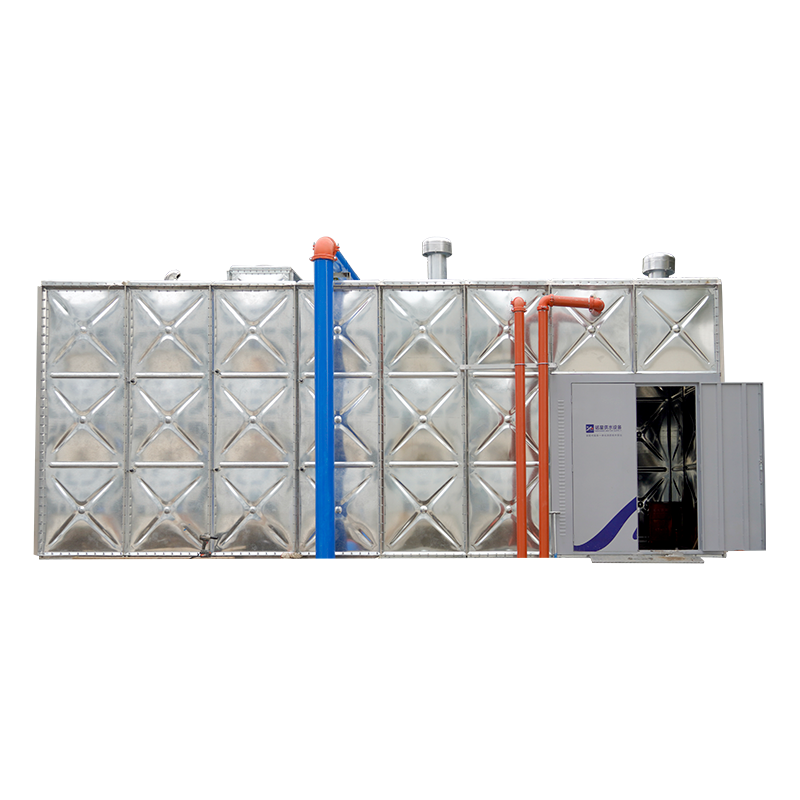
Modern HDG water tanks utilize a sectional design, consisting of standardized panels (typically 1220x1220mm, 1000x1000mm, or 500x500mm). This modularity offers several logistical and engineering benefits:
To ensure reliability in the global market, HDG water tanks must adhere to rigorous manufacturing standards. Most professional manufacturers follow the BS 1564:1975 standard for pressed steel sectional tanks and ISO 1461 for hot-dip galvanizing.
The structural integrity of the tank is determined by the panel thickness, which varies according to the height of the tank. For a standard 4-meter high tank, the bottom panels are typically thicker (e.g., 5.0mm) to withstand higher hydrostatic pressure, while the top panels may be thinner (e.g., 3.0mm or 2.5mm). The use of internal or external reinforcement (tie-rods or I-beams) is also calculated based on the total volume and height to prevent bulging or structural failure.
The longevity of an HDG water tank is heavily dependent on the quality of installation. Professional B2B projects should follow a strict assembly sequence:
While HDG tanks are designed for a 20 to 25-year lifespan, routine maintenance is required to reach this milestone.
1. Is the water stored in an HDG tank safe for drinking?
Yes, provided the tank uses a non-toxic food-grade sealant and the internal components are properly treated. Many municipal systems use HDG tanks for potable water storage, although for high-purity drinking water, an internal liner or specialized coating is often recommended to meet local health regulations.
2. What is the maximum height an HDG water tank can reach?
Standard sectional HDG tanks typically reach up to 5 meters in height. Going beyond this requires significant external structural reinforcement and thicker base panels to handle the extreme water pressure at the bottom.
3. Can an HDG water tank be installed underground?
Yes. HDG tanks are frequently used as underground cisterns. However, the exterior must be treated with additional bituminous coating or protected with a proper drainage system and reinforced concrete vault to prevent soil moisture and pressure from damaging the structure.
4. How long does the installation of a 100 cubic meter HDG tank take?
For a trained team of 3 to 4 people, a 100m³ sectional tank can typically be assembled on a prepared foundation within 3 to 5 days, depending on site accessibility and weather conditions.
5. How does the price of HDG compare to FRP (Fiberglass) tanks?
HDG tanks are generally more robust and have better fire resistance than FRP tanks. While the initial cost may be slightly higher or comparable depending on the region, HDG is often preferred in industrial settings where mechanical impact resistance and structural stability are priorities.
Related Products

Contact us
Headquater Address
Room 901, Building 17, Lane 1088, Shen Hong Road, Minhang District, Shanghai
Factory Address
No. 1, Mingxing North Road, Tech Innovation Park, Jianhu County, Yancheng, Jiangsu, P. R. China
Amy@mxwatersupply.com
Amy@mxwatersupply.com
Telephone(Whatsapp/Wechat)
+86-18051685983
QR CODE

 English
 Français