May 15, 2026
Content
Not all water storage vessels are built to the same standard, and the difference becomes apparent only under sustained load, chemical exposure, or thermal cycling. Tanks and pressure vessels that fail prematurely almost always trace the failure back to one of three causes: substandard base material, inadequate joint engineering, or the absence of certified testing protocols. Understanding how modern designs address each of these factors is the starting point for any procurement decision.
Base material selection is the most consequential variable. Carbon steel is cost-effective but demands rigorous coating systems and regular inspection schedules when handling chemically active media. Fiberglass reinforced plastic (FRP) offers corrosion resistance but introduces creep risk under sustained pressure. Stainless steel panel tanks occupy a distinct performance tier: the alloy's inherent oxide layer passivates continuously, meaning the protective barrier self-repairs when scratched or abraded during installation and maintenance. For facilities storing treated water, greywater, or mildly aggressive process fluids, this passive-layer regeneration eliminates the maintenance overhead that coated alternatives incur.
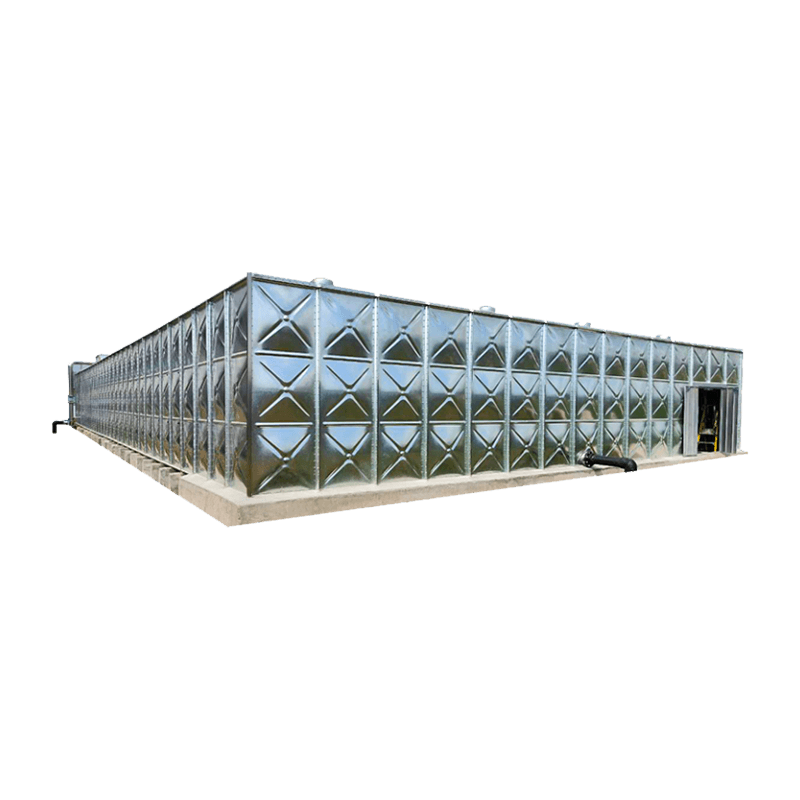
Joint engineering is the second critical variable. Welded monolithic tanks concentrate stress at seam lines, and imperfect weld penetration creates micro-crack initiation sites that propagate under repeated fill-drain cycles. Panel tank systems distribute stress across a bolted flange matrix, allowing each panel to flex independently within tolerance limits. Upgraded tanks designed to resist cracking and leaks achieve this through precisely torqued flange connections with EPDM or silicone gaskets rated for the target temperature and chemical range — a system that can be inspected, re-torqued, or gasket-replaced in the field without hot-work permits.
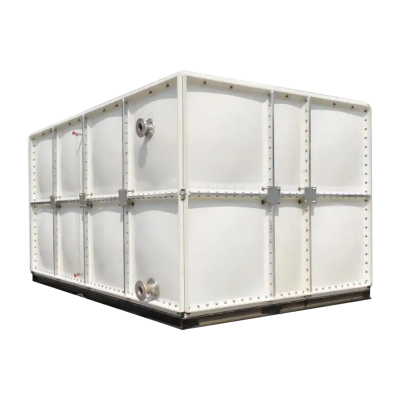
Tanks certified for storing chemicals and greywater must satisfy overlapping regulatory frameworks that vary by application and region. Procurement teams that conflate general-purpose potable water approval with chemical-duty certification routinely specify the wrong vessel — a mismatch that carries liability consequences when stored media reacts with tank materials or leaches through inadequately rated seals.
The primary certification tiers relevant to industrial buyers include:
Chemical compatibility must be independently verified even when a vessel holds a recognised certification. A tank rated for dilute hydrochloric acid may not be suitable for concentrated sodium hypochlorite at elevated ambient temperatures. Reputable suppliers provide material compatibility matrices indexed to concentration, temperature, and exposure duration — any supplier unable to furnish this documentation should be considered unqualified for chemical-duty applications.
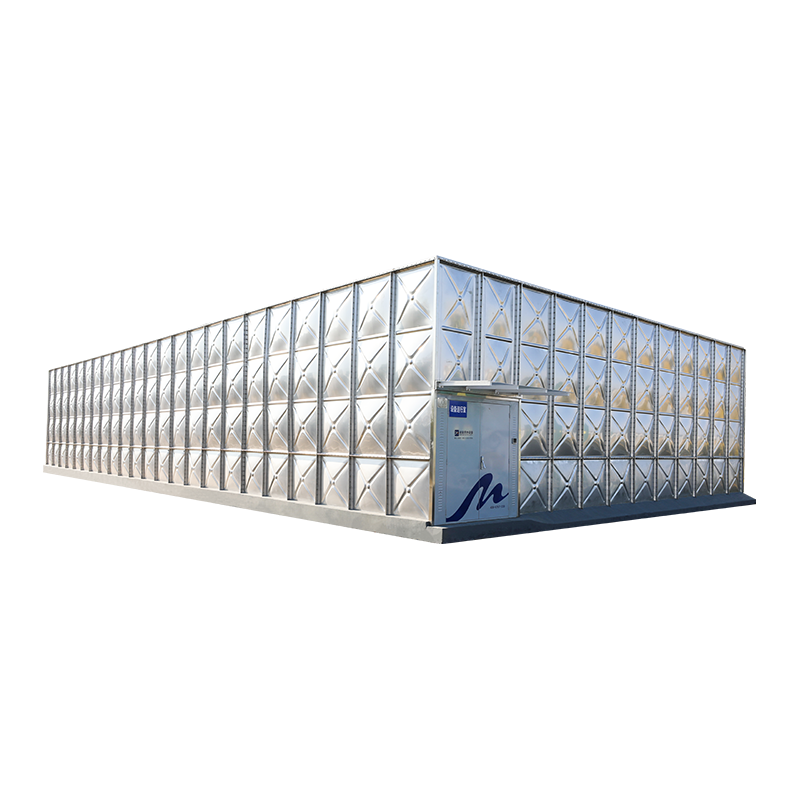
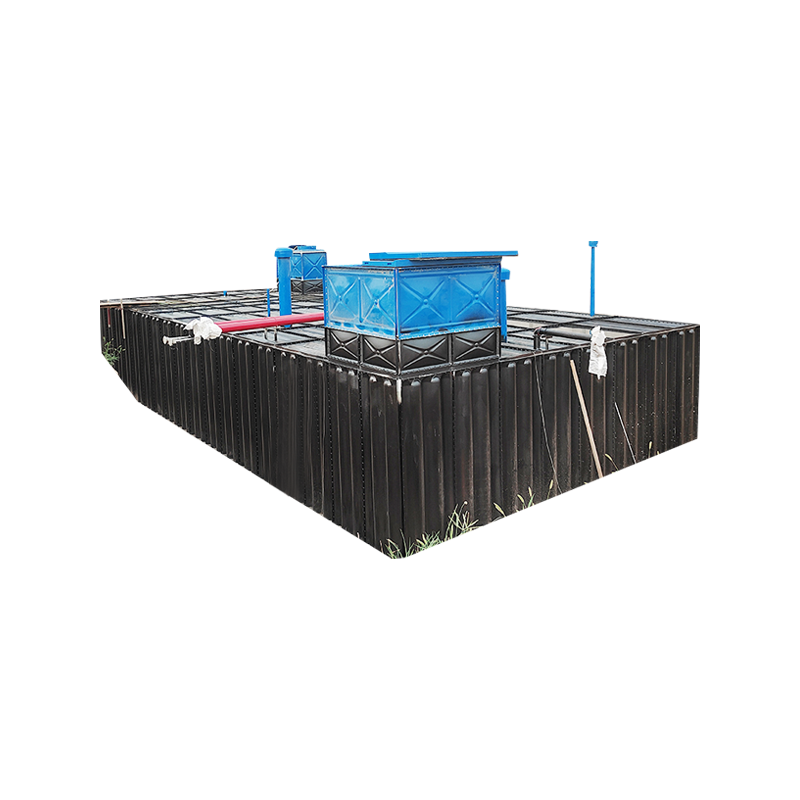
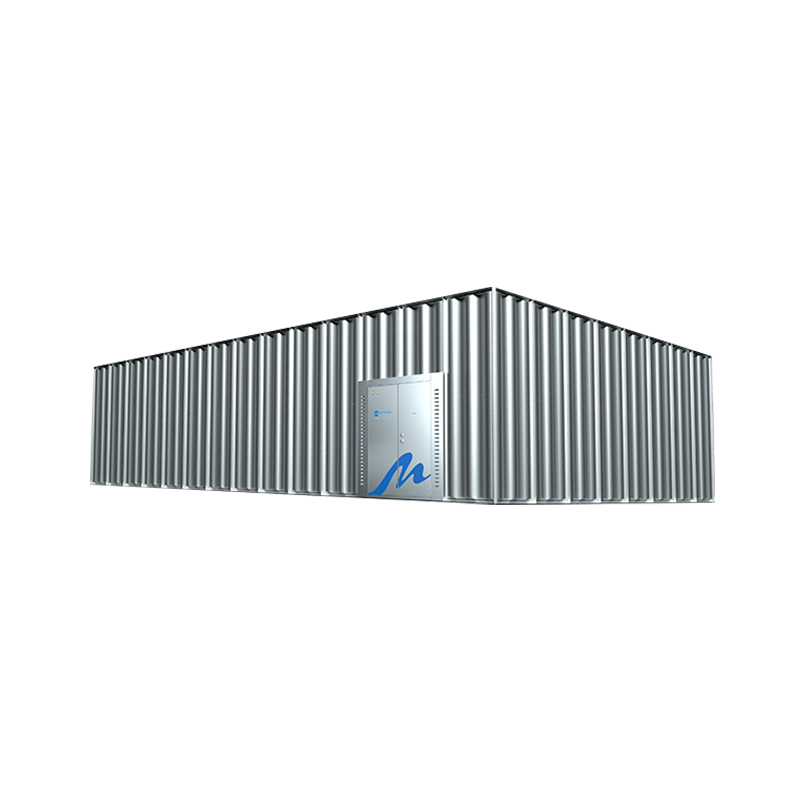
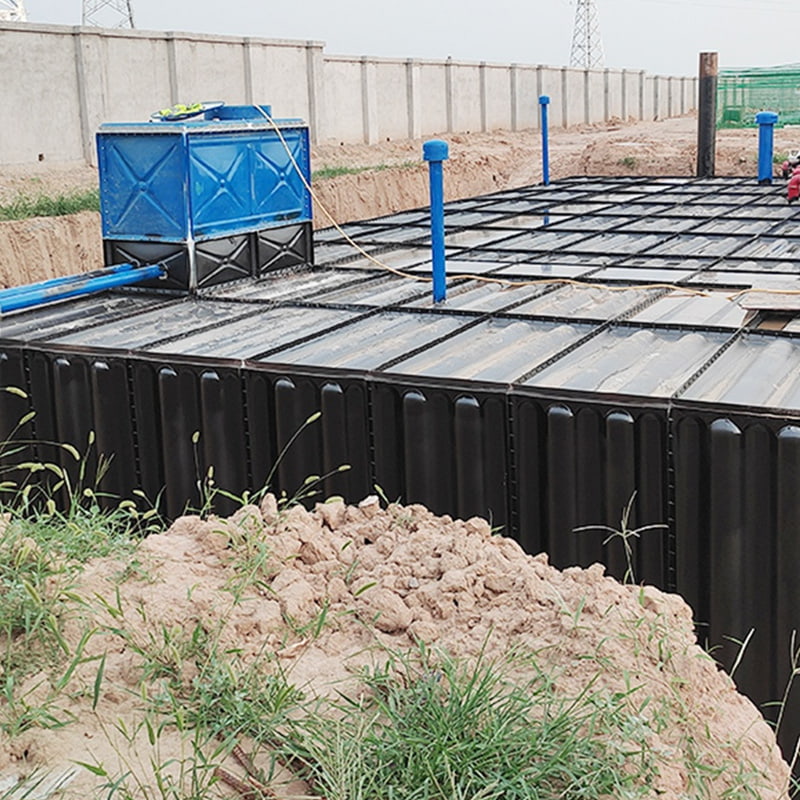
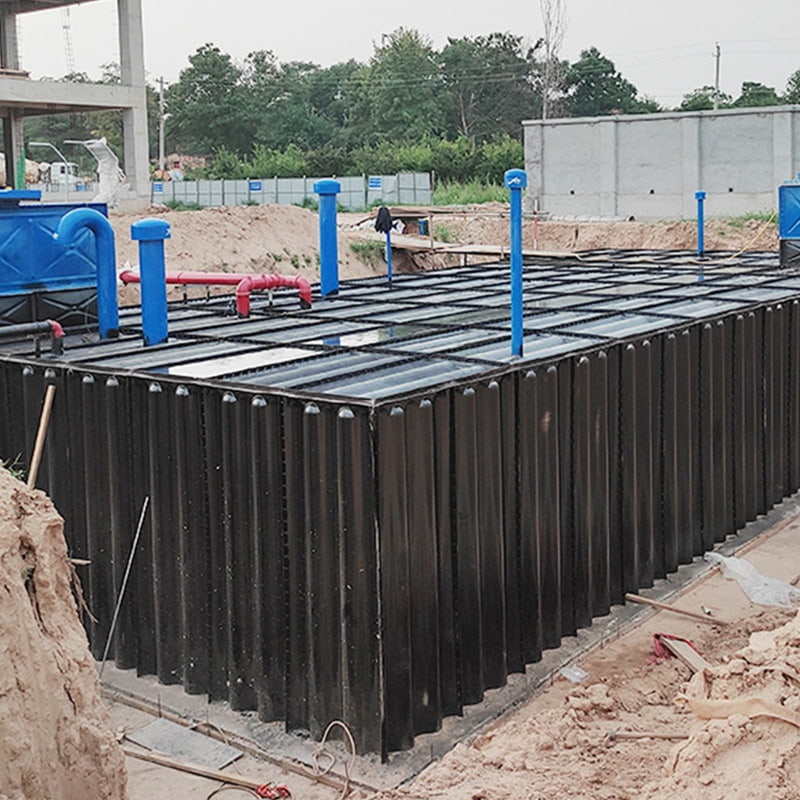
The stainless steel panel tank has become the preferred configuration for industry water tank installations that require scalability, site flexibility, and verifiable hygiene compliance. Unlike factory-welded monolithic vessels, panel tanks ship in flat-pack form, pass through restricted site access points, and are assembled on the foundation pad without cranes or heavy lifting equipment — a practical advantage in retrofit and expansion projects where working space is constrained.
Grade selection determines the appropriate use case. The most common grades in industrial water service are compared below.
| Grade | Chromium / Nickel / Mo | Typical Application | Chloride Resistance |
|---|---|---|---|
| 304 (1.4301) | 18% Cr / 8% Ni / — | Potable water, light process water, greywater | Moderate (≤200 ppm Cl⁻) |
| 316 (1.4401) | 16% Cr / 10% Ni / 2% Mo | Chemical process, seawater pre-treatment, cooling water | High (≤1,000 ppm Cl⁻) |
| 316L (1.4404) | 16% Cr / 10% Ni / 2% Mo (low C) | Welded assemblies in aggressive chemical environments | High; superior weld-zone corrosion resistance |
| Duplex 2205 | 22% Cr / 5% Ni / 3% Mo | High-pressure vessels, desalination brine, offshore service | Very high; PREN >35 |
Panel thickness is sized by hydrostatic load calculation, not by rule of thumb. A 1.0 mm panel may be structurally adequate for a low-profile domestic buffer tank but wholly insufficient for a 3-metre-high industrial vessel operating at capacity. Suppliers with credible engineering capability will produce load calculations referencing the applicable structural standard and sign off with a qualified engineer — not simply quote a standard panel thickness from a product catalogue.
Specification errors at the inquiry stage extend lead times, generate costly revision cycles, and occasionally result in vessel rejection on site. The following parameters must be defined before any serious quotation can be issued for tanks and pressure vessels in industrial service.
Upgraded tanks designed to resist cracking and leaks are an outcome of rigorous specification, not merely a product feature to be selected from a dropdown. Buyers who invest time in thorough upfront documentation consistently receive more accurate quotations, shorter approval cycles, and vessels that perform to expectation throughout the design service life.
Related Products

Contact us
Headquater Address
Room 901, Building 17, Lane 1088, Shen Hong Road, Minhang District, Shanghai
Factory Address
No. 1, Mingxing North Road, Tech Innovation Park, Jianhu County, Yancheng, Jiangsu, P. R. China
Amy@mxwatersupply.com
Amy@mxwatersupply.com
Telephone(Whatsapp/Wechat)
+86-18051685983
QR CODE

 English
 Français