Apr 10, 2026
What Is a Stainless Steel Water Tank?
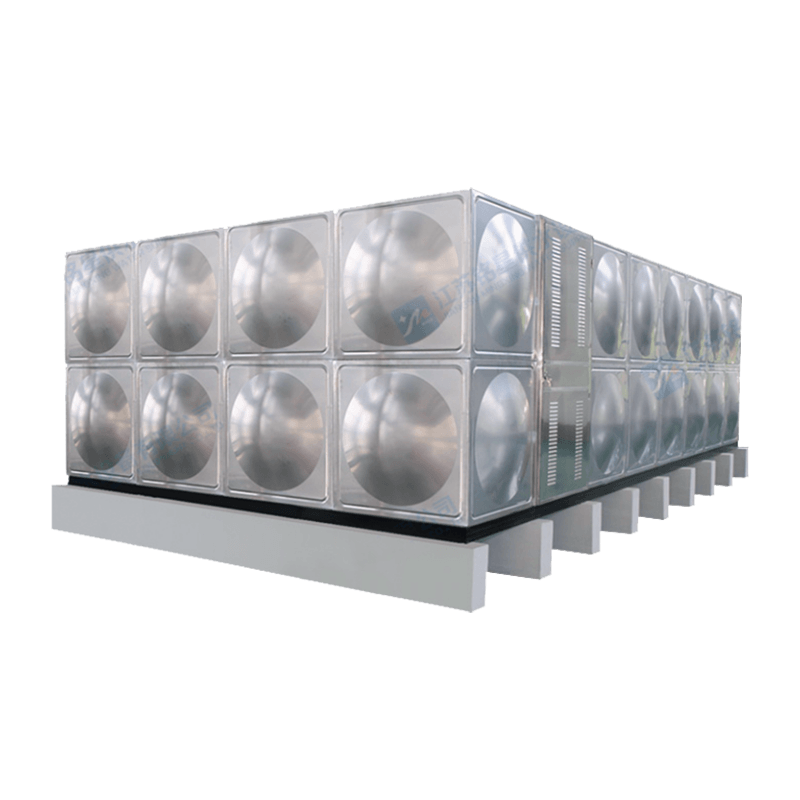
A stainless steel water tank is a sealed vessel manufactured from corrosion-resistant steel alloys — most commonly Grade 304 or Grade 316 — used to store, heat, or distribute potable and non-potable water. Unlike plastic or fiberglass alternatives, a metal water tank combines mechanical strength with chemical inertness, meaning stored water remains free from leached compounds, odors, and bacterial biofilms that can accumulate in softer materials.
The global market for steel water tanks continues to expand as municipalities, agricultural operators, and commercial facilities demand long-life infrastructure. Stainless steel's rated service life typically exceeds 30 years with minimal maintenance, offering a total cost of ownership far lower than polymer tanks that degrade under UV exposure or freeze-thaw cycles.
Key properties that set stainless steel apart:
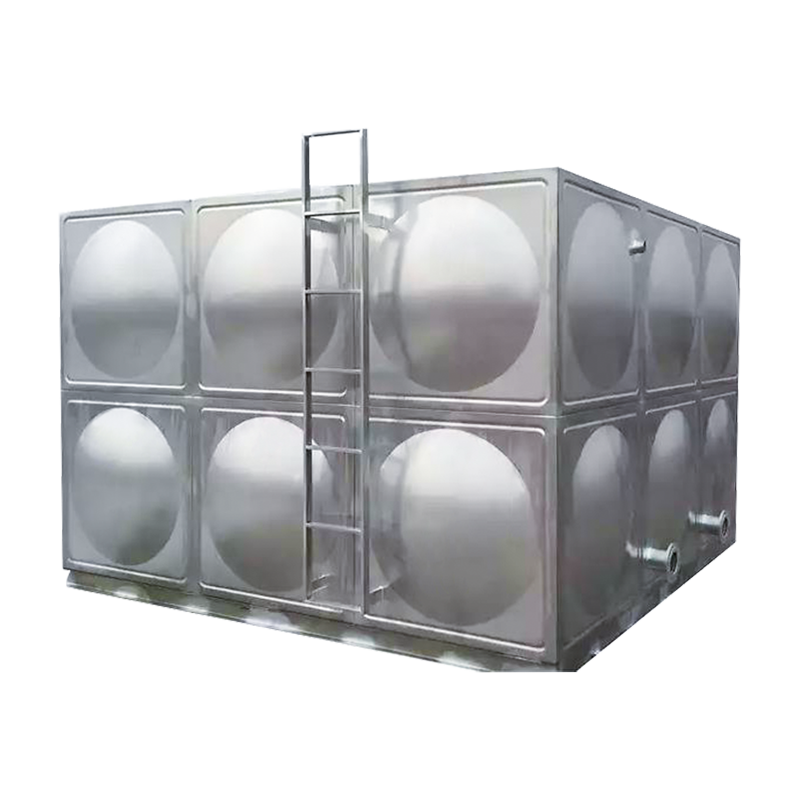
Content
Selecting the right tank begins with understanding how the major types differ in construction, installation environment, and intended application.
An overhead water tank is elevated on a rooftop, tower, or structural frame to create gravity-fed pressure throughout a building. Stainless steel is the preferred material for elevated storage because the tank must endure wind loads, seismic forces, and constant water weight without fatigue cracking. Rooftop units are typically cylindrical or rectangular, ranging from 500 L for residential rooftops to 50,000 L for commercial high-rises. Many jurisdictions require NSF-certified stainless for overhead potable storage.
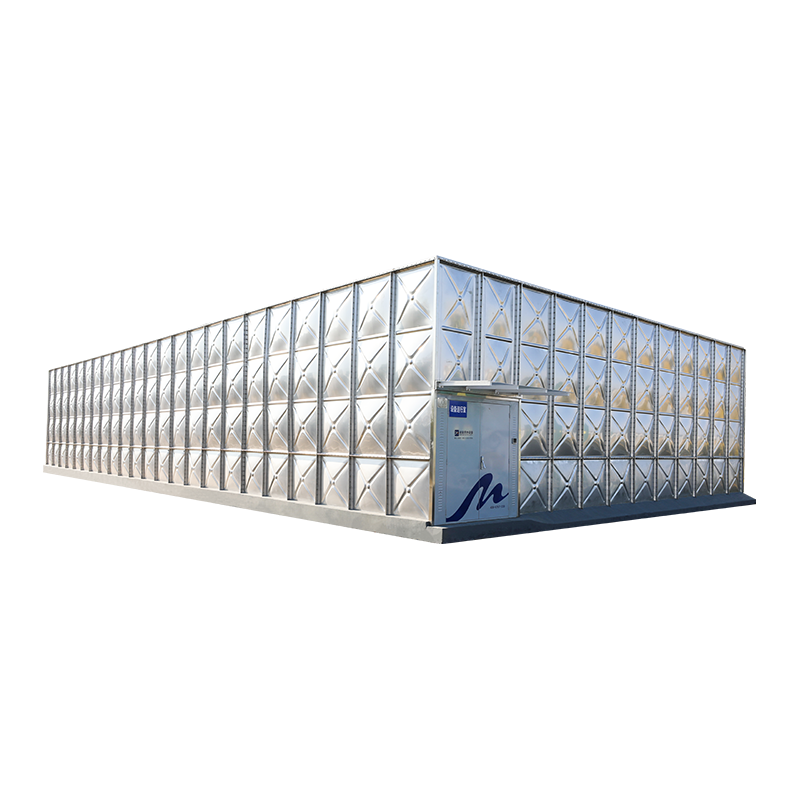
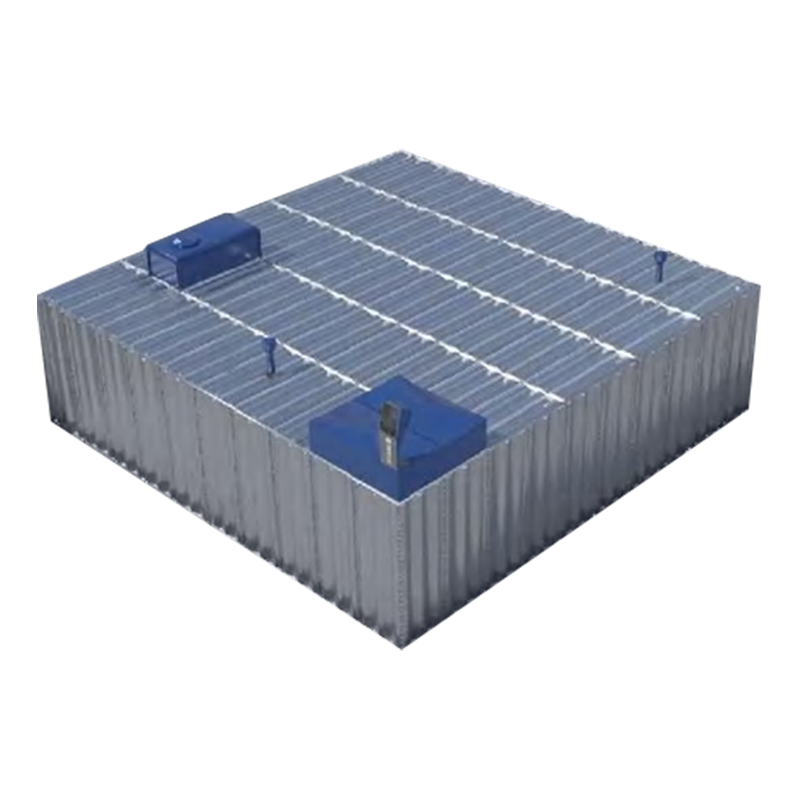
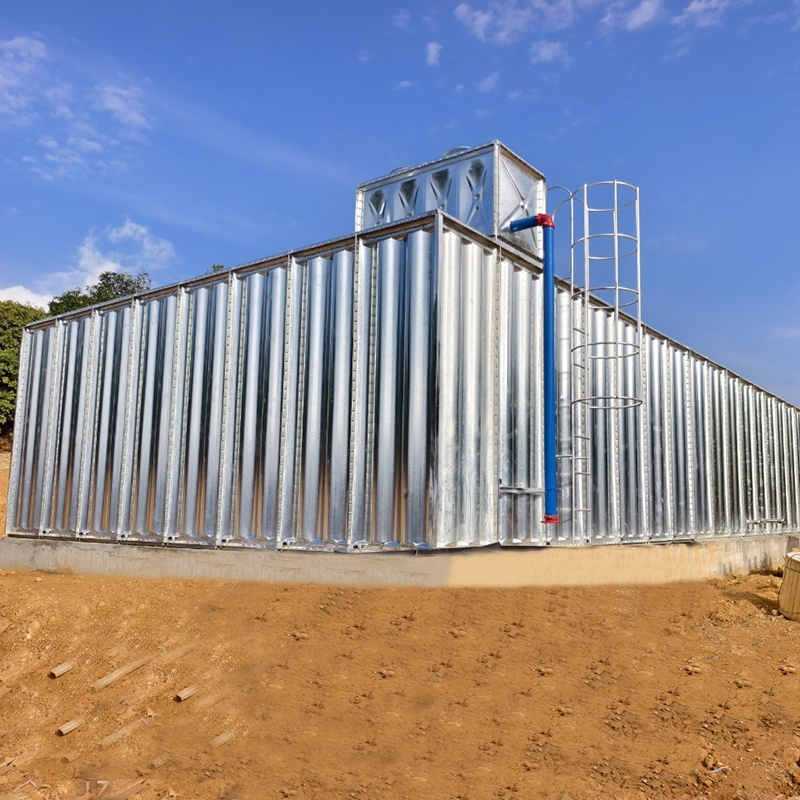
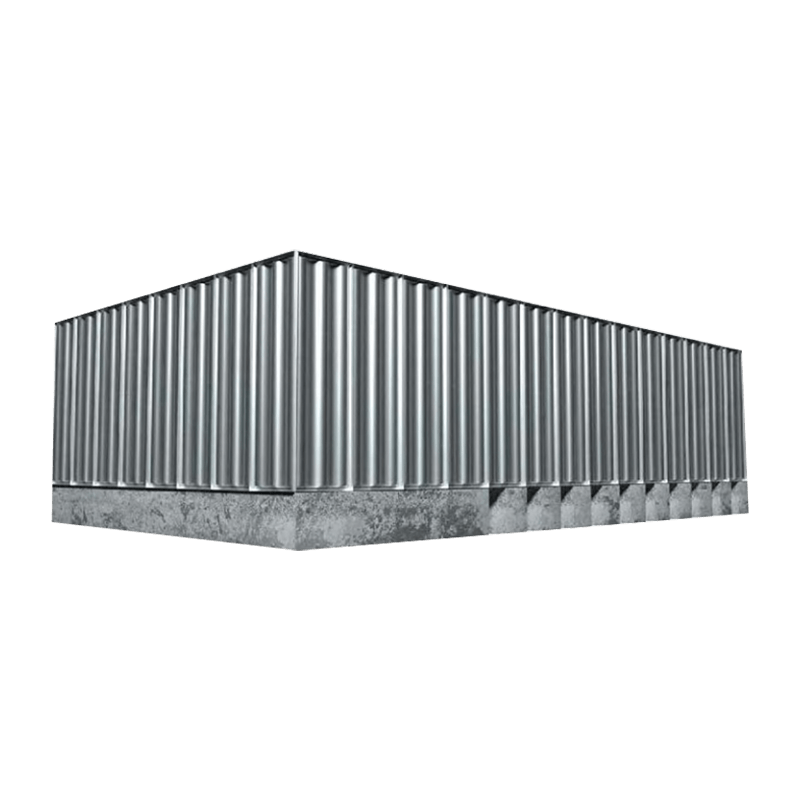
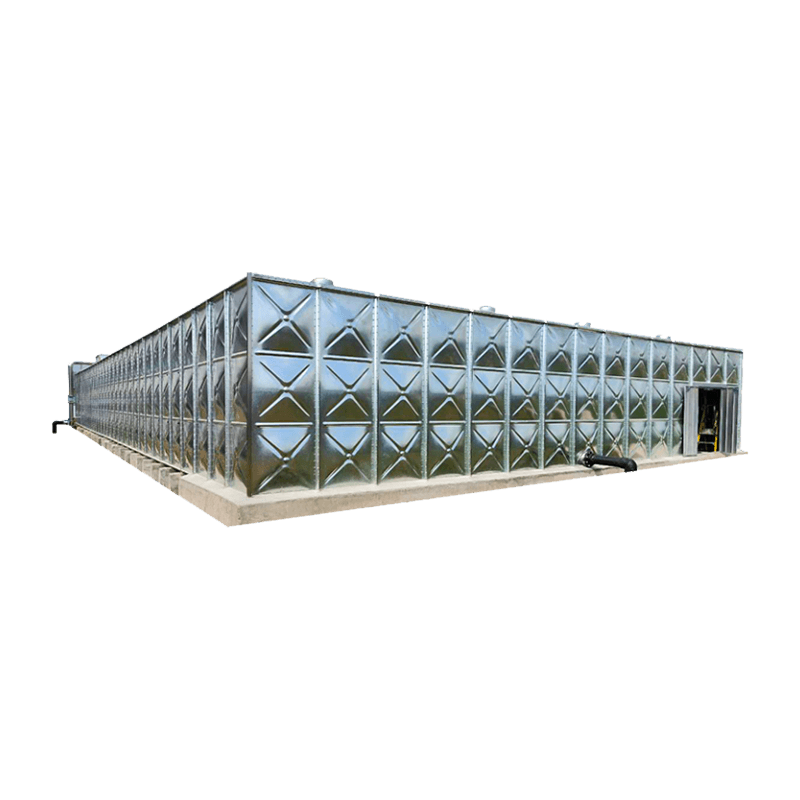
Corrugated steel water tanks use a bolted, corrugated panel system assembled on-site, making them the go-to choice for large-volume rural and agricultural storage. Because panels are shipped flat, freight costs are dramatically lower than shipping a factory-welded vessel. Capacities commonly range from 10,000 gallons to over 500,000 gallons. Most corrugated tanks are manufactured from Zincalume or galvanized steel with a food-grade liner; premium models upgrade panel material to 304 stainless for coastal or chemically aggressive environments.
A stainless hot water tank — also sold as a stainless steel tank hot water heater — stores pre-heated water for domestic or commercial use. Unlike standard carbon-steel storage cylinders, a stainless vessel withstands repeated thermal cycling without scaling or rust contamination. Grade 316L is often specified for hot water service because its molybdenum content provides enhanced resistance to chloride pitting at elevated temperatures. Heat sources include electric immersion elements, heat pumps, solar collectors, and boiler coils.
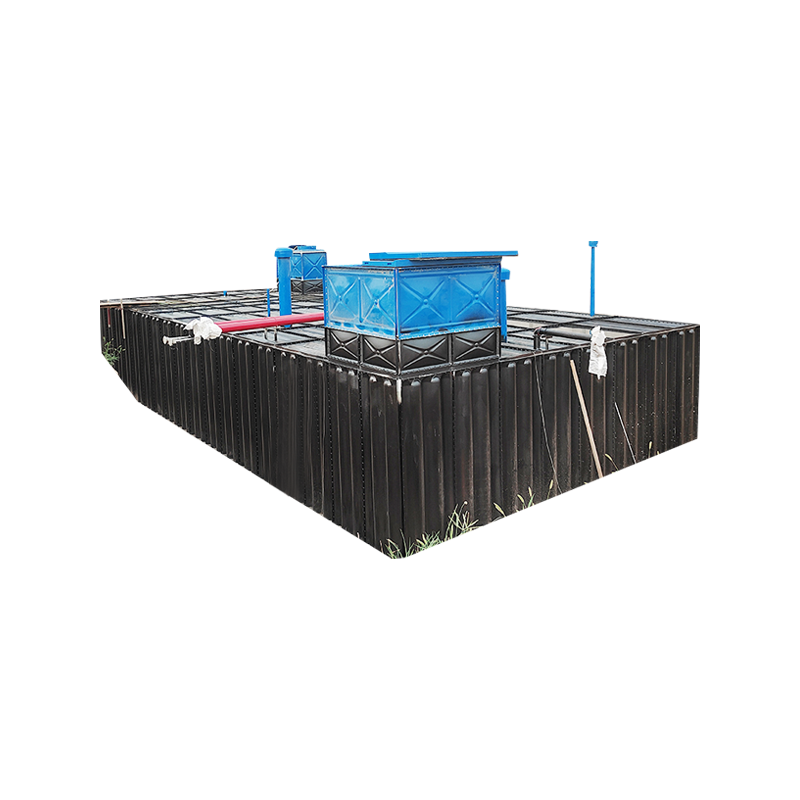
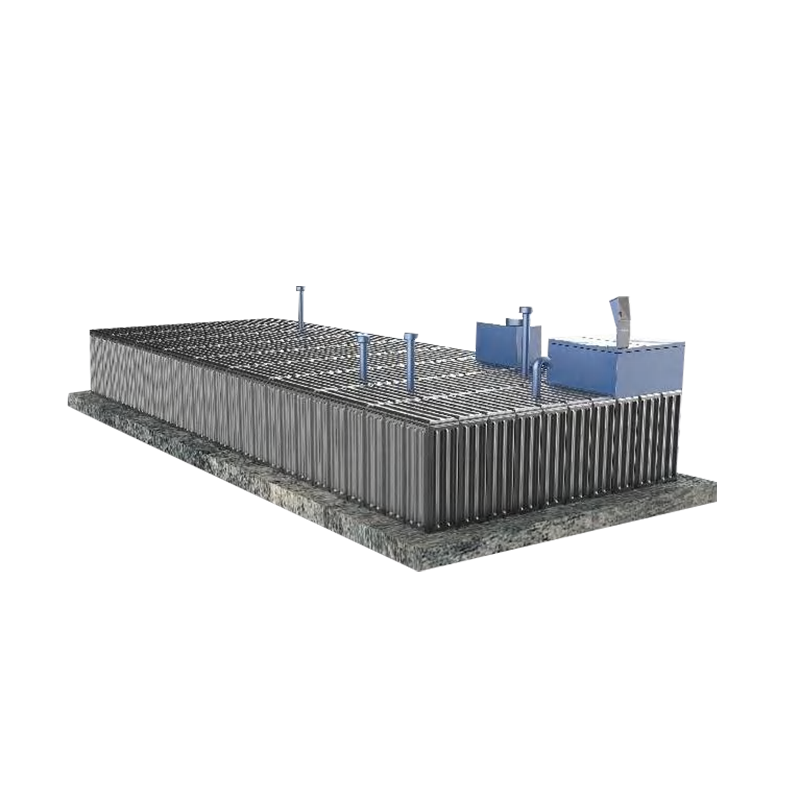
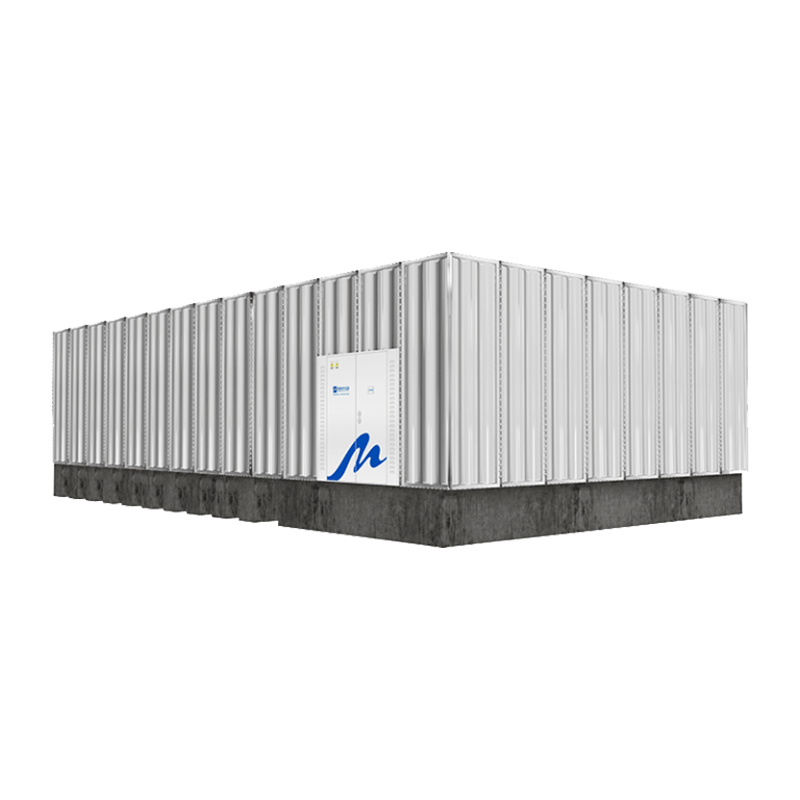
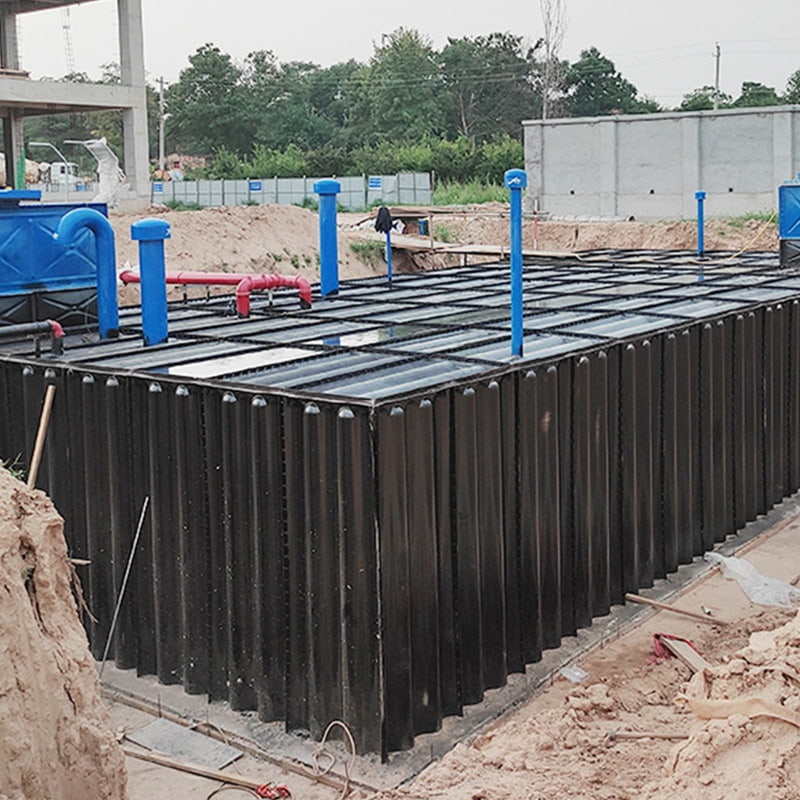
Stainless steel water storage tanks cover a broad category of ground-level or underground vessels used for fire suppression reserves, process water, irrigation buffer storage, and emergency supply. Vertical cylindrical designs dominate because they minimize the footprint-to-volume ratio. Horizontal tanks are used where headroom is limited, such as under mezzanines or in plant rooms. For large industrial sites, modular bolted tanks allow capacity to be expanded by adding panel rings.
The two most common grades specified for water tanks differ primarily in chemical composition and chloride resistance. Choosing the wrong grade leads to premature pitting corrosion and costly replacement.
| Property | Grade 304 | Grade 316 / 316L |
|---|---|---|
| Chromium content | 18 % | 16 % |
| Molybdenum content | None | 2 – 3 % |
| Chloride resistance | Moderate | High |
| Typical applications | Potable water, overhead tanks, indoor storage | Hot water, coastal installations, chemical process |
| Relative material cost | Lower | 15 – 25 % higher |
| NSF 61 compliant | Yes | Yes |
As a general rule: Grade 304 is sufficient for most freshwater storage and overhead applications; upgrade to 316 or 316L if the water has elevated chloride content (above 200 ppm), if the tank stores hot water above 60 °C, or if it is installed within 1 km of a saltwater coastline.
The 5,000 gallon steel water tank price varies significantly based on material grade, construction method, coatings, and regional freight. Below are indicative 2024 ranges for the North American market:
Additional cost drivers include: insulation jacketing (adds $800 – $2,500), inlet/outlet valve packages, NSF-certified coatings or liners, seismic anchoring, and custom access manholes. Request itemized quotes that separate the vessel, hardware, delivery, and installation to enable like-for-like comparisons across suppliers.
For buyers sourcing 10 or more units, or ordering tanks above 50,000 gallons, direct factory pricing — including FOB and CIF Incoterms from Asian manufacturers — can reduce per-unit cost by 20 – 40 % compared to domestic distributors.
Even the highest-quality stainless steel water storage tank underperforms if installation and upkeep are neglected. Follow these best practices to maximize service life and maintain regulatory compliance.
Ground-mounted tanks require a reinforced concrete pad or compacted gravel base rated for at least 1.25× the full water load. Overhead water tanks demand a structural engineer's sign-off on the support frame, particularly in seismic zones or regions with heavy snow loads. Never place stainless steel directly on untreated concrete without a non-conductive gasket — galvanic corrosion can occur at the contact point over time.
In the United States, tanks used for potable water must comply with NSF/ANSI 61 (materials in contact with drinking water) and often local plumbing codes. Fire suppression tanks may additionally require NFPA 22 compliance. In the EU, the relevant standard is EN 13121 for above-ground GRP and steel tanks and EN 12897 for hot water storage. Export orders should specify which standard applies to avoid costly retrofit modifications at the destination port.
Use this decision framework to narrow your specification before contacting suppliers:
By aligning material grade, construction method, and compliance requirements with your specific application, a stainless steel water tank delivers reliable, hygienic storage for decades — making it the preferred solution across residential, commercial, agricultural, and industrial markets worldwide.
Related Products

Contact us
Headquater Address
Room 901, Building 17, Lane 1088, Shen Hong Road, Minhang District, Shanghai
Factory Address
No. 1, Mingxing North Road, Tech Innovation Park, Jianhu County, Yancheng, Jiangsu, P. R. China
Amy@mxwatersupply.com
Amy@mxwatersupply.com
Telephone(Whatsapp/Wechat)
+86-18051685983
QR CODE

 English
 Français