Feb 12, 2026
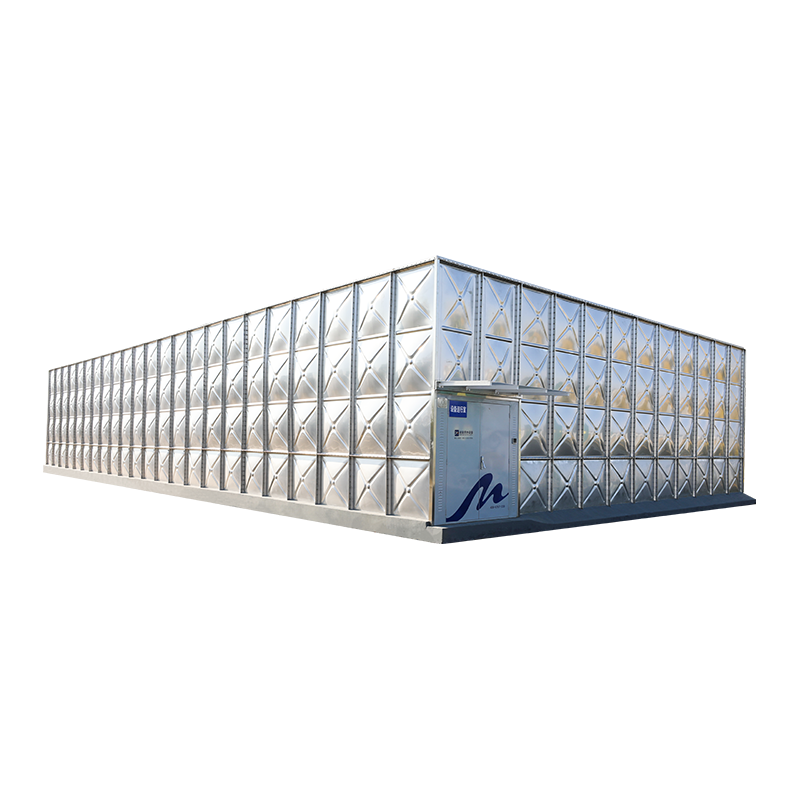
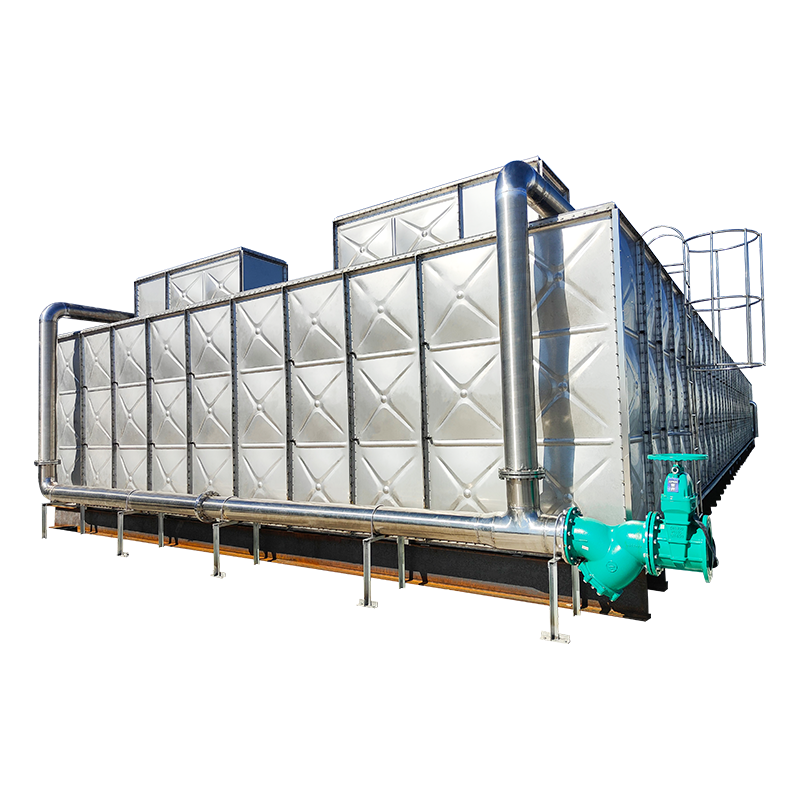
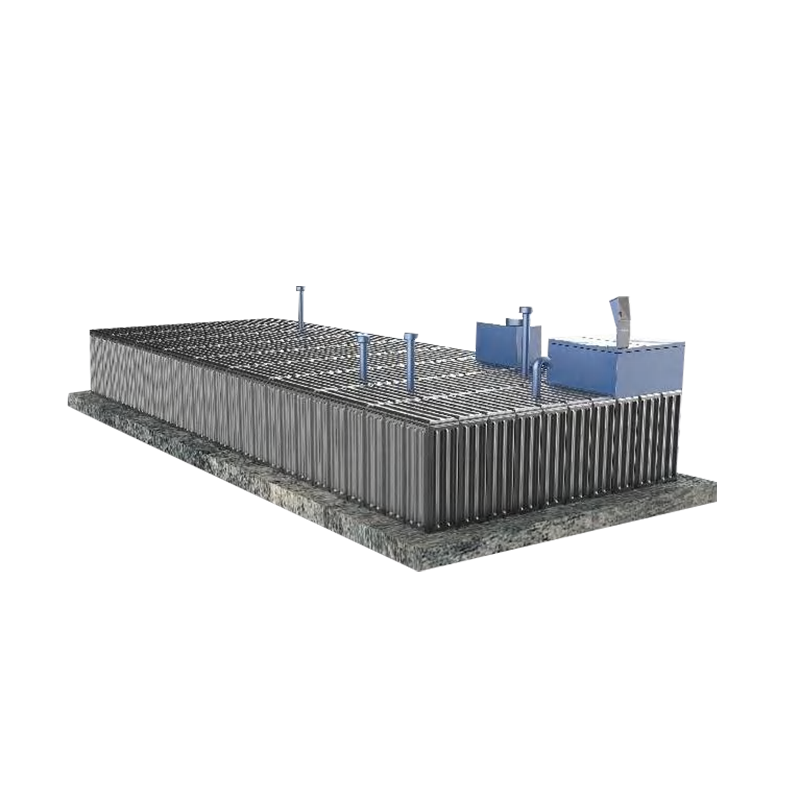
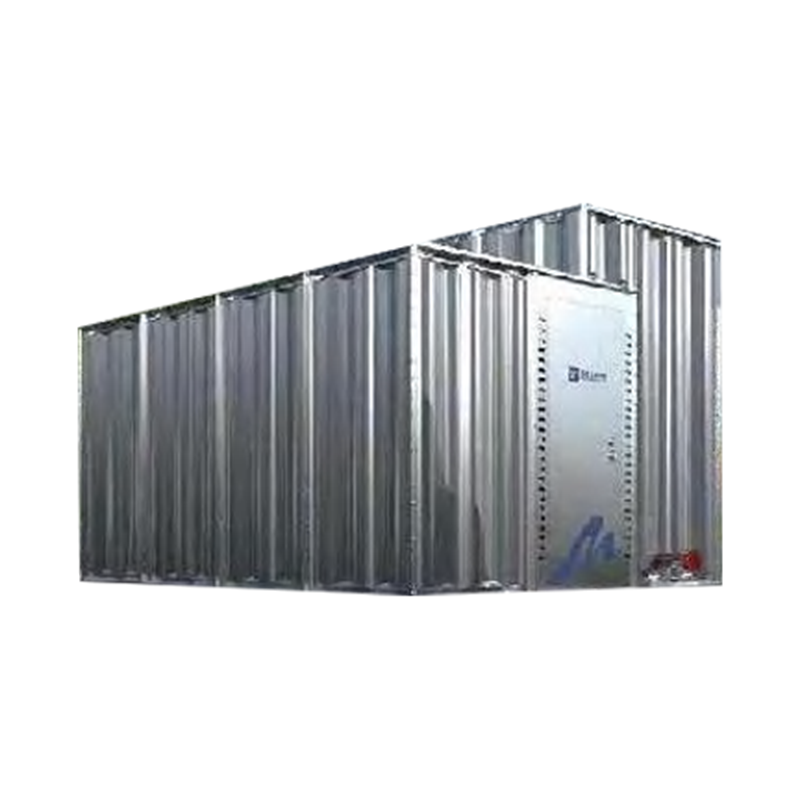
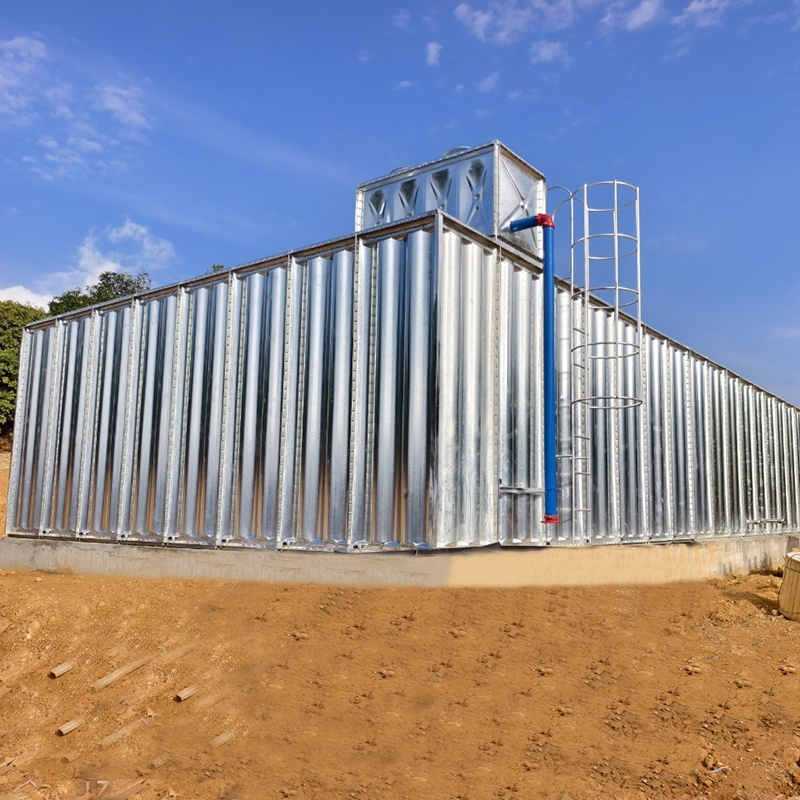
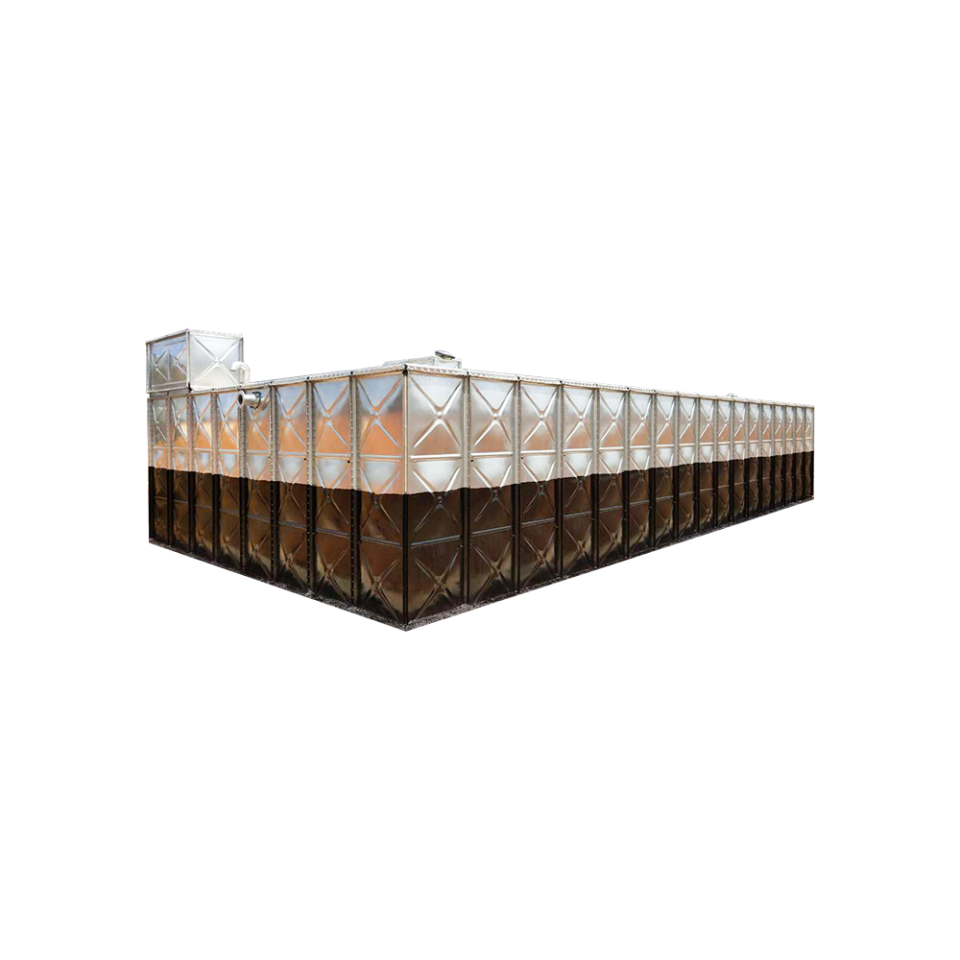
In modern industrial and municipal infrastructure, the demand for modular, scalable, and durable fluid storage solutions has led to the widespread adoption of the Assembly Bolted Sectional Water Tank. Unlike traditional monolithic concrete or welded structures, these systems leverage high-precision modular panels that are mechanically fastened. This engineering approach not only facilitates transport to remote or restricted areas but also ensures a higher degree of quality control during the manufacturing phase. Understanding the structural integrity and sectional water tank maintenance requirements is essential for engineers aiming to optimize long-term operational costs.
Content
An Assembly Bolted Sectional Water Tank can be fabricated from various materials, primarily Glass Reinforced Plastic (GRP) or Hot-Dipped Galvanized Steel (HDG). The selection depends on the chemical composition of the stored water and environmental conditions. Steel offers superior structural rigidity for massive volumes, while GRP provides unmatched corrosion resistance in coastal or high-humidity environments. Compared to reinforced concrete tanks, sectional tanks significantly reduce the static load on building foundations due to their lower self-weight. This makes bolted sectional tanks for high-rise buildings the preferred choice for rooftop installations where weight distribution is critical.
| Material Property | GRP (Glass Reinforced Plastic) | HDG (Galvanized Steel) |
| Corrosion Resistance | Excellent (Non-corrosive) | High (Sacrificial coating) |
| Structural Weight | Very Low | Moderate |
| UV Stability | High (with specialized resins) | Excellent |
One of the primary engineering challenges in a sectional water tank installation is ensuring long-term watertight integrity at the panel interfaces. Modern systems utilize EPDM or synthetic rubber gaskets specifically formulated for potable water contact. The bolting tension is calculated to provide uniform compression across the sealing surface, preventing localized stress concentrations. When evaluating bolted sectional water tank vs welded tank longevity, the bolted design often prevails in seismic zones because the mechanical joints allow for micro-displacements without compromising the structural seal, whereas welded seams are prone to fatigue cracking under cyclic loading.
| Feature | Bolted Sectional Joint | Welded Steel Joint |
| Seismic Resilience | Flexible / High absorption | Rigid / Prone to cracking |
| On-site Assembly Time | Short (No specialized welding) | Long (Requires certified welders) |
| Maintenance Complexity | Easy (Individual panel replacement) | Difficult (Requires cutting/re-welding) |
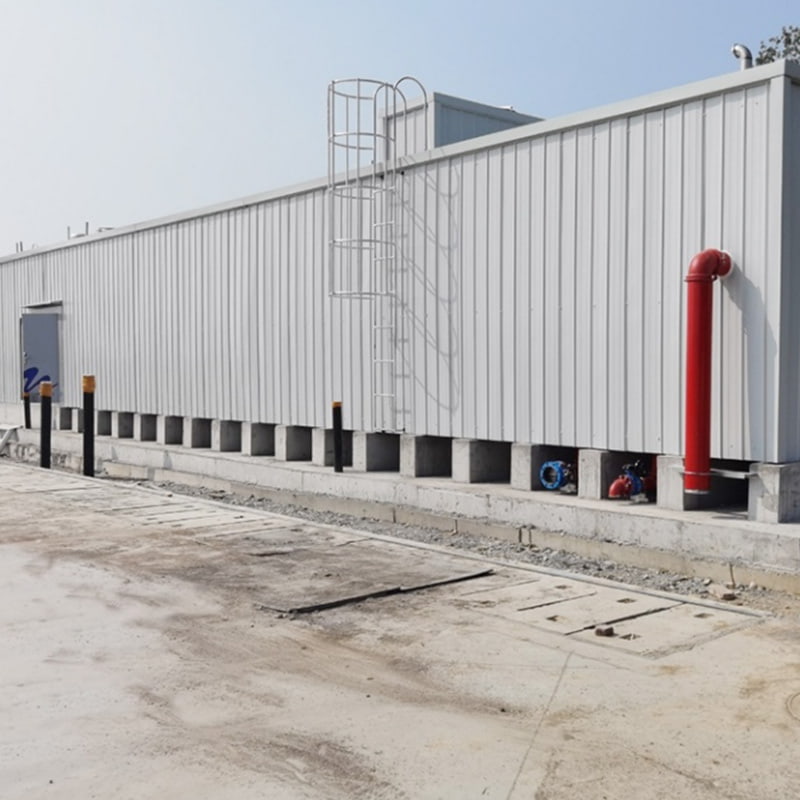
The internal architecture of an Assembly Bolted Sectional Water Tank is designed to minimize dead zones where bacteria like Legionella can proliferate. Smooth panel surfaces inhibit biofilm attachment, and the modular nature allows for the installation of baffle walls to ensure a "first-in, first-out" flow pattern. Furthermore, insulated sectional water tank benefits include the prevention of significant temperature fluctuations, which is vital for maintaining the efficacy of residual chlorine in potable water systems. Proper insulation prevents condensation on the outer skin, thereby reducing the risk of external corrosion on the bolt assemblies.
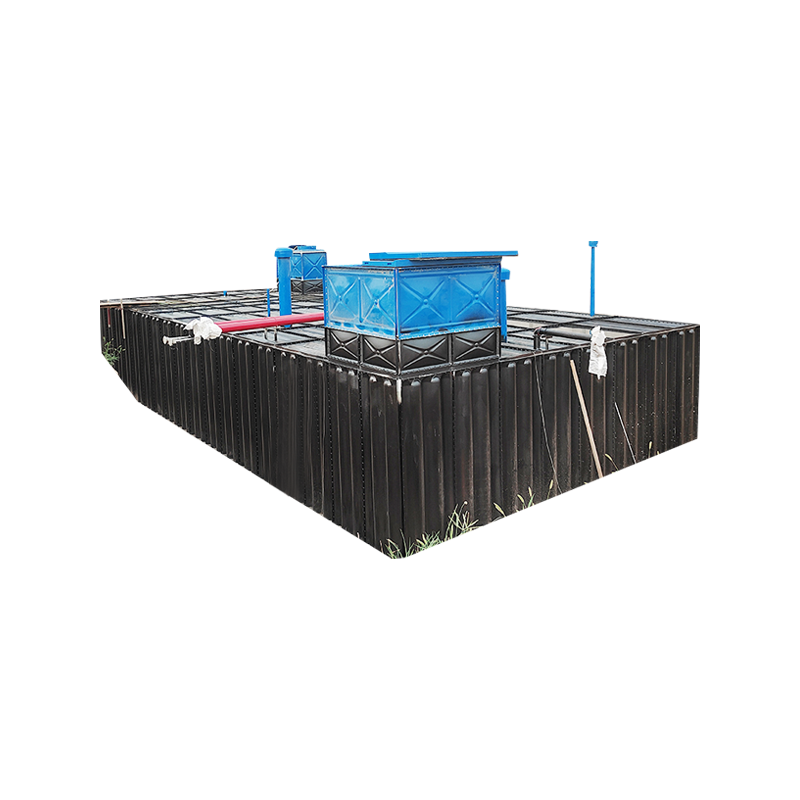
A significant advantage of the Assembly Bolted Sectional Water Tank is its ability to be installed in confined spaces. Panels can be carried through standard doorways or stairwells, eliminating the need for heavy cranes or wall demolitions. Engineers often specify custom sectional water tank sizes to maximize the utilization of available space in basement plant rooms. Moreover, the environmental impact of sectional water tanks is considerably lower than concrete alternatives, as the components are recyclable and the assembly process produces minimal on-site waste and noise pollution.
To ensure safety, every bolted sectional water tank design standard must adhere to international benchmarks such as AWWA D103 or British Standard BS EN 13280. These standards dictate the minimum plate thickness, bolt spacing, and gasket specifications required to withstand the hydrostatic pressure in sectional tanks. Compliance ensures that the tank can withstand not only the vertical weight of the water but also the outward pressure and potential wind or snow loads for outdoor installations.
Depending on the material and maintenance, GRP sectional tanks typically last 25 to 35 years, while high-grade galvanized steel tanks can exceed 40 years with proper sacrificial anode replacement.
Yes. One of the primary advantages of the sectional design is modularity. By adding more panels and reinforcing the base, the capacity can be increased without replacing the entire system.
Internal stay rods or external structural steel beams are used to reinforce the panels. The bolt torque is also specifically calculated to counteract the outward force exerted by the water volume.
Annual inspections should focus on bolt tightness, gasket integrity, and internal sediment removal. For steel tanks, the condition of the galvanized coating or internal lining should be monitored to prevent localized oxidation.
Yes. The bolted joints provide a degree of flexibility that allows the tank to absorb seismic energy. When combined with a properly engineered base frame, they are significantly safer than rigid concrete tanks.
Related Products

Contact us
Headquater Address
Room 901, Building 17, Lane 1088, Shen Hong Road, Minhang District, Shanghai
Factory Address
No. 1, Mingxing North Road, Tech Innovation Park, Jianhu County, Yancheng, Jiangsu, P. R. China
Amy@mxwatersupply.com
Amy@mxwatersupply.com
Telephone(Whatsapp/Wechat)
+86-18051685983
QR CODE

 English
 Français