Mar 07, 2026
Content
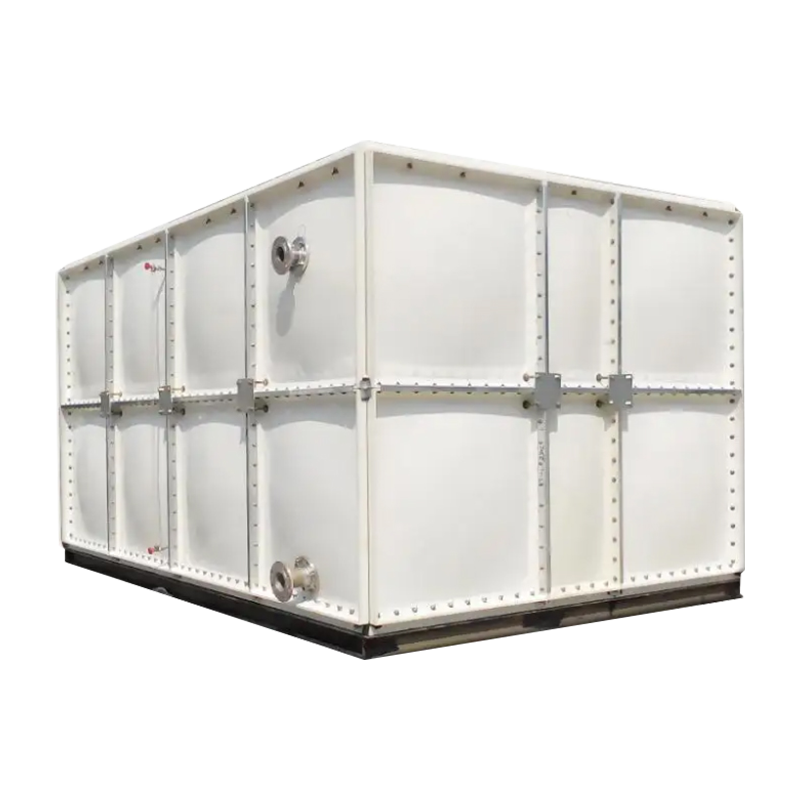
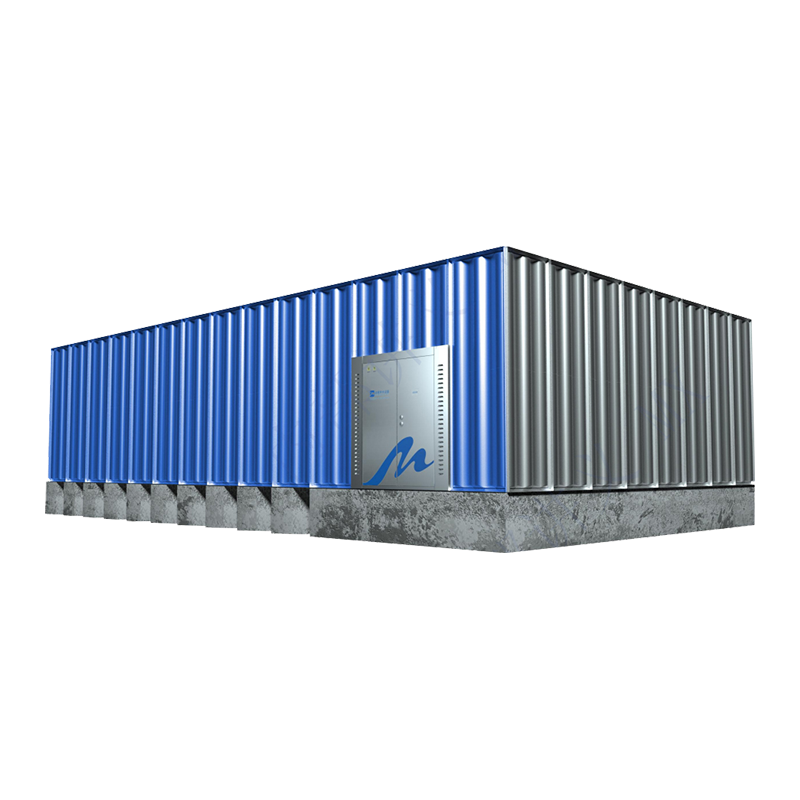
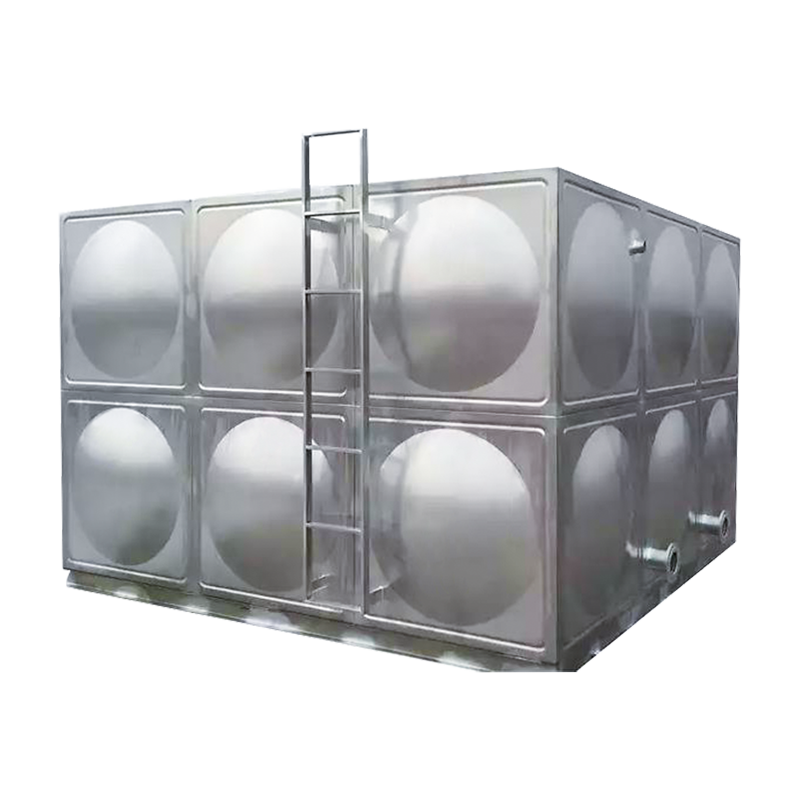
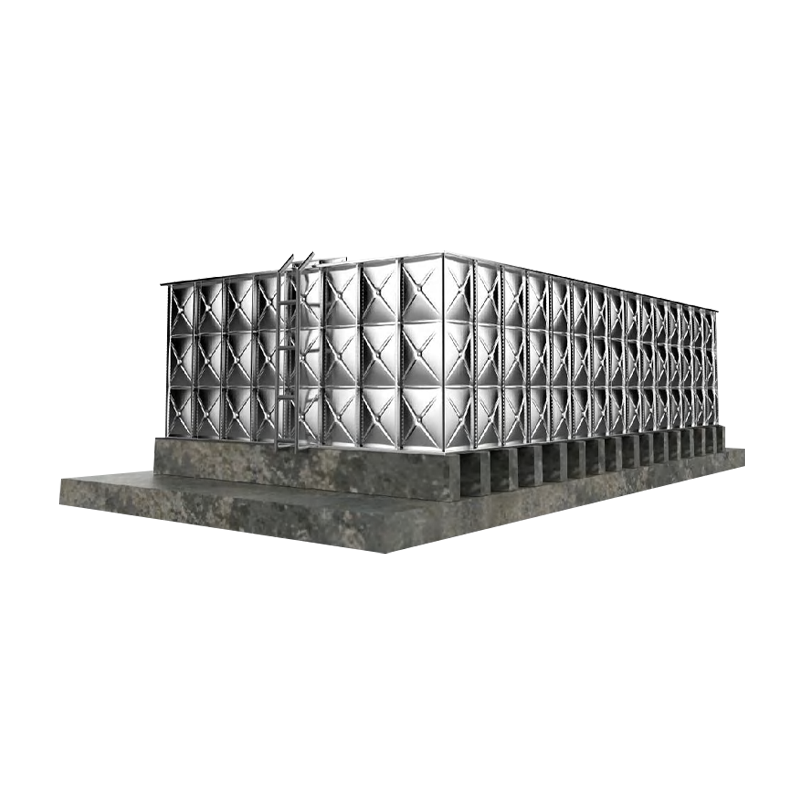
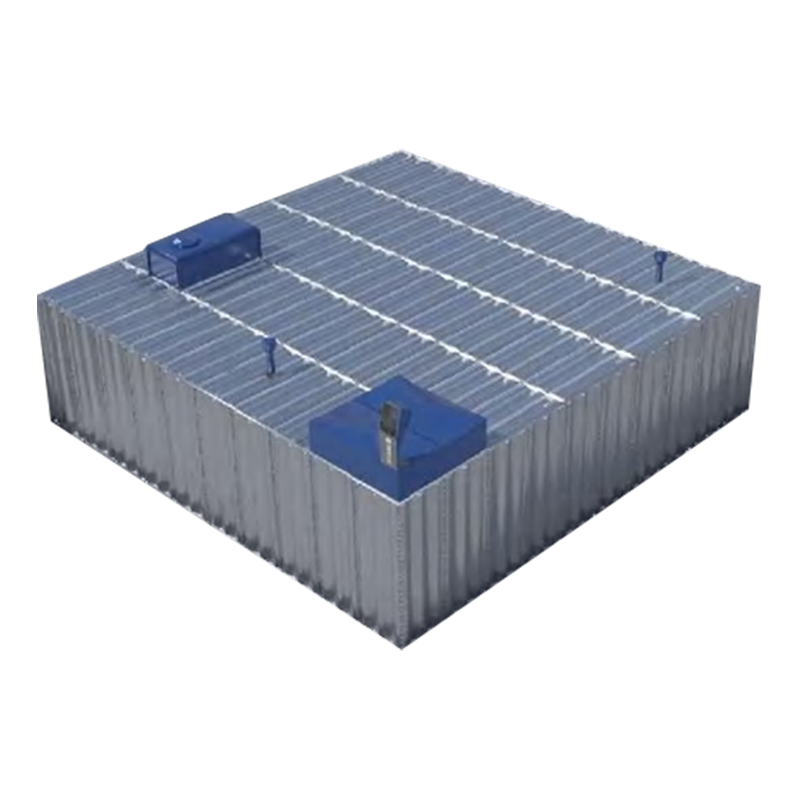
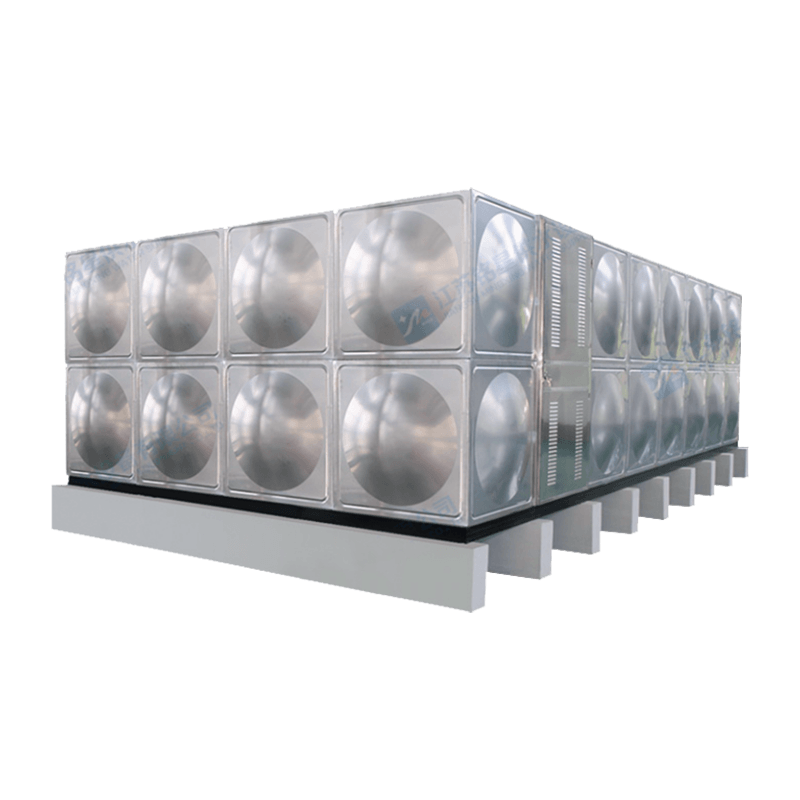
Sectional water tanks, also known as modular or panel tanks, have revolutionized the way industries handle large-scale liquid storage. Unlike traditional one-piece tanks, these systems are composed of individual panels that are bolted together on-site. This design is particularly advantageous for manufacturing plants, commercial buildings, and remote infrastructure projects where access is limited or the required capacity exceeds standard transportation limits. By utilizing a modular approach, these tanks can be customized to fit specific footprints, ranging from small 1-cubic-meter units to massive reservoirs exceeding 5,000 cubic meters.
The most critical decision when selecting a sectional water tank is the material of the panels. Each material offers distinct physical properties that cater to different environmental conditions and water quality requirements.
The following information highlights the primary differences between the three most common sectional tank materials used in the global market today.
| Feature | GRP Sectional Tank | HDG Sectional Tank | Stainless Steel Tank |
|---|---|---|---|
| Corrosion Resistance | Excellent | Moderate | Superior |
| Installation Weight | Very Light | Heavy | Moderate |
| Maintenance Needs | Low | Medium (Coating checks) | Very Low |
| Ideal Application | Potable Water / Coastal | Fire Fighting / Industry | Food Grade / High Hygiene |
| UV Resistance | High (with UV coating) | High | Excellent |
| Typical Lifespan | 20 to 25 Years | 15 to 20 Years | 30+ Years |
The structural design of a sectional water tank relies on a sophisticated system of internal or external reinforcement. For internal reinforcement, tie rods and stay plates are used to counteract the outward pressure exerted by the water. For external reinforcement, hot-rolled channel steel frames support the panels from the outside, which is often preferred for tanks storing high-purity water to avoid metal contact with the liquid.
The modular nature of these panels allows for “blind-site” installation. Since the components are brought to the site in palletized form, they can be carried through standard doorways or manholes. This eliminates the need for heavy cranes or the removal of walls in existing buildings, significantly reducing the total project cost and timeline.
A successful sectional water tank installation begins with a proper foundation. The most common choice is a concrete plinth or a series of concrete beams. It is vital that the foundation is level within a tolerance of 2mm to 5mm across the entire span to ensure even weight distribution.
Regular maintenance ensures that a sectional water tank reaches its maximum service life. For GRP tanks, an annual inspection of the internal sealant and the condition of the UV-resistant exterior coating is recommended. For galvanized steel tanks, it is crucial to monitor the sacrificial zinc layer and touch up any areas where mechanical damage might have occurred.
Cleaning is also simplified in sectional designs. Most professional manufacturers include a “sump panel” at the bottom of the tank, which allows for complete drainage during the cleaning process. This ensures that sediment and biofilm can be washed away effectively without leaving stagnant water behind.
For manufacturing companies focused on export, compliance with international standards such as WRAS (Water Regulations Advisory Scheme) or ISO certifications is essential. These certifications guarantee that the materials used do not leach harmful chemicals into the water and that the structural calculations meet safety requirements for various seismic zones. Packaging for international transit involves heavy-duty wooden crates and moisture-proof wrapping to prevent damage during long-distance sea freight.
Related Products

Contact us
Headquater Address
Room 901, Building 17, Lane 1088, Shen Hong Road, Minhang District, Shanghai
Factory Address
No. 1, Mingxing North Road, Tech Innovation Park, Jianhu County, Yancheng, Jiangsu, P. R. China
Amy@mxwatersupply.com
Amy@mxwatersupply.com
Telephone(Whatsapp/Wechat)
+86-18051685983
QR CODE

 English
 Français