Jan 02, 2026
In the critical realms of fire safety and water management, the reliability of a fire-fighting pump is non-negotiable. These systems form the mechanical heart of fire suppression, providing the necessary pressure and flow to control or extinguish flames. For facility managers, safety officers, and procurement specialists, selecting the right pump is a complex decision with significant implications. This comprehensive guide delves into the intricacies of fire-fighting pumps, from fundamental principles to advanced smart water supply integrations, empowering you to make informed decisions for optimal safety and efficiency.
Content
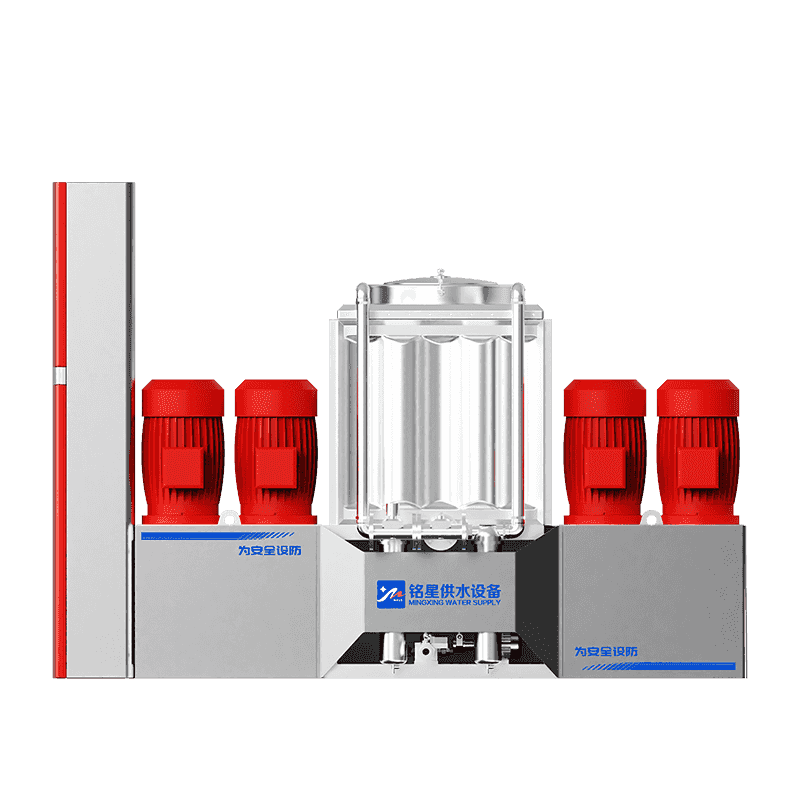
A fire-fighting pump is a dedicated pump set designed to boost water pressure from a water source—such as a tank, reservoir, or municipal main—to meet the demanding hydraulic requirements of a fire protection system, including sprinklers, hydrants, and hose reels. Its primary function is to ensure an adequate and uninterrupted water supply at the correct pressure during an emergency.
The system operates automatically. When pressure in the sprinkler system drops due to a opened sprinkler head or hydrant, a pressure switch signals the pump to start, delivering high-pressure water to the fire suppression network.
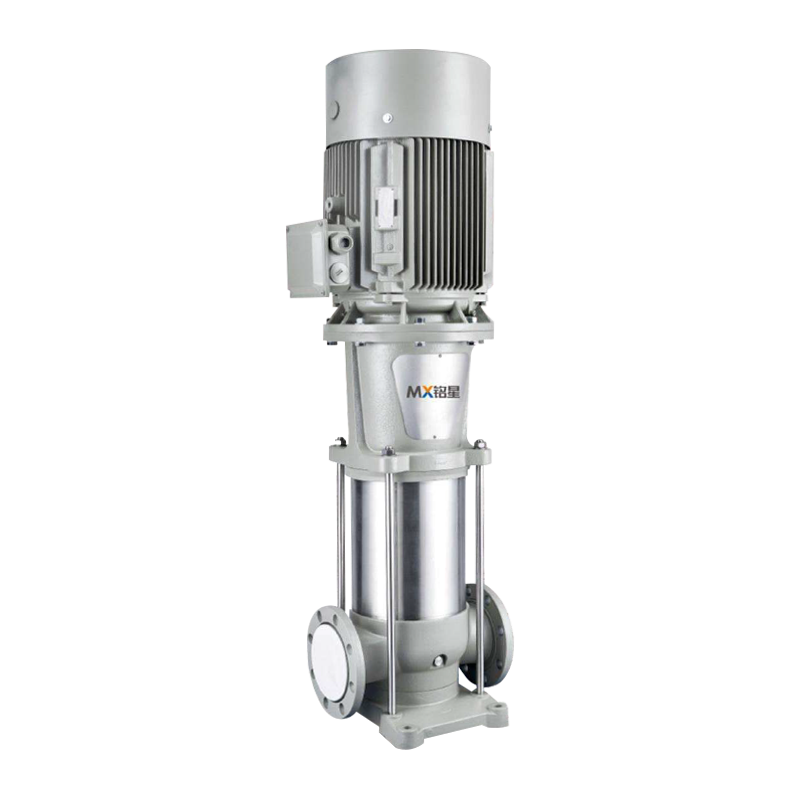
Selecting the appropriate pump type is foundational to system design. The choice depends on the water source, required pressure, available space, and power supply.
A central decision in system design is the choice of driver. The debate between diesel vs electric fire pump reliability hinges on power source dependence, maintenance, and application context.
While electric motors are generally simpler and require less routine maintenance, their operation is entirely dependent on the stability of the grid power supply. In contrast, diesel engines offer complete independence from the electrical grid, a crucial factor during widespread power outages that may accompany fires. However, this autonomy comes with the need for more rigorous maintenance, fuel management, and testing protocols to ensure instant startup. A comprehensive fire pump weekly inspection checklist is especially critical for diesel units to verify fuel levels, battery charge, and controller status.
| Feature | Electric Motor Driven Pump | Diesel Engine Driven Pump |
|---|---|---|
| Power Dependence | Reliant on grid power; requires reliable utility or backup generator. | Independent of grid; self-contained power source. |
| Startup Time | Near-instantaneous. | Slight delay (seconds) for engine startup and stabilization. |
| Maintenance Complexity | Lower; primarily electrical connections and motor bearings. | Higher; involves engine oil, coolant, fuel filters, batteries, and exhaust systems. |
| Operating Cost | Lower long-term energy cost, fewer consumables. | Higher cost for diesel fuel, engine oil, and replacement parts. |
| Primary Use Case | Areas with highly reliable power, primary water supply. | Mission-critical facilities, areas with unstable power, backup/standby systems. |
Correctly how to size a fire pump for a warehouse or any facility is a precise engineering task governed by codes like NFPA 20. It ensures the pump can meet the hydraulic demand of the fire protection system.
A jockey pump pressure maintenance system is a small, auxiliary pump designed to compensate for minor leaks and pressure drops in the fire protection piping. Its primary function is to prevent unnecessary starts of the main, much larger fire pump, thereby reducing wear and tear. The jockey pump maintains system pressure within a tight band, ensuring the main pump activates only for a significant, emergency-related pressure drop [1].
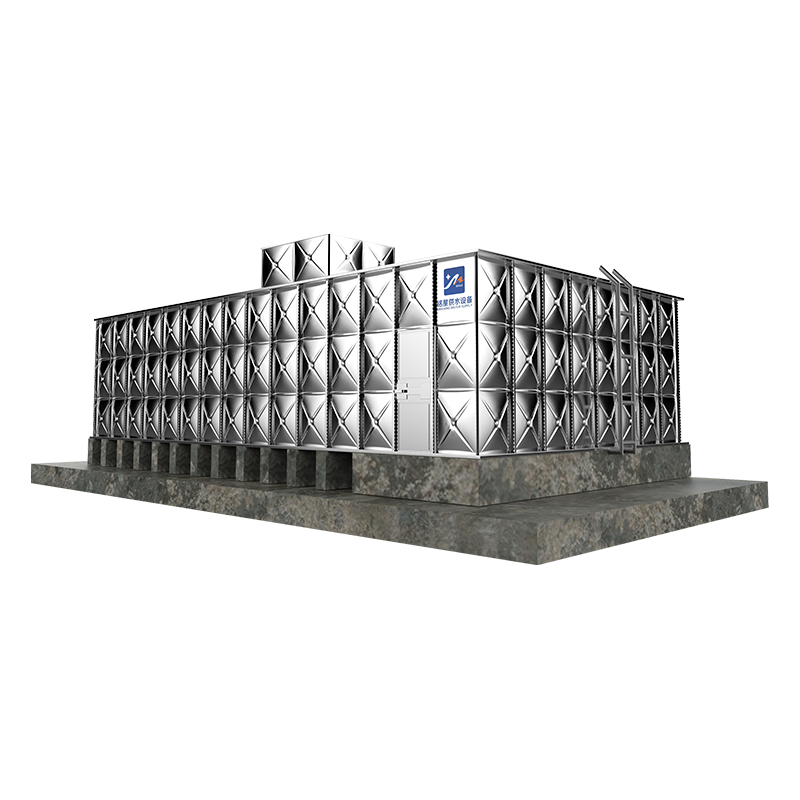
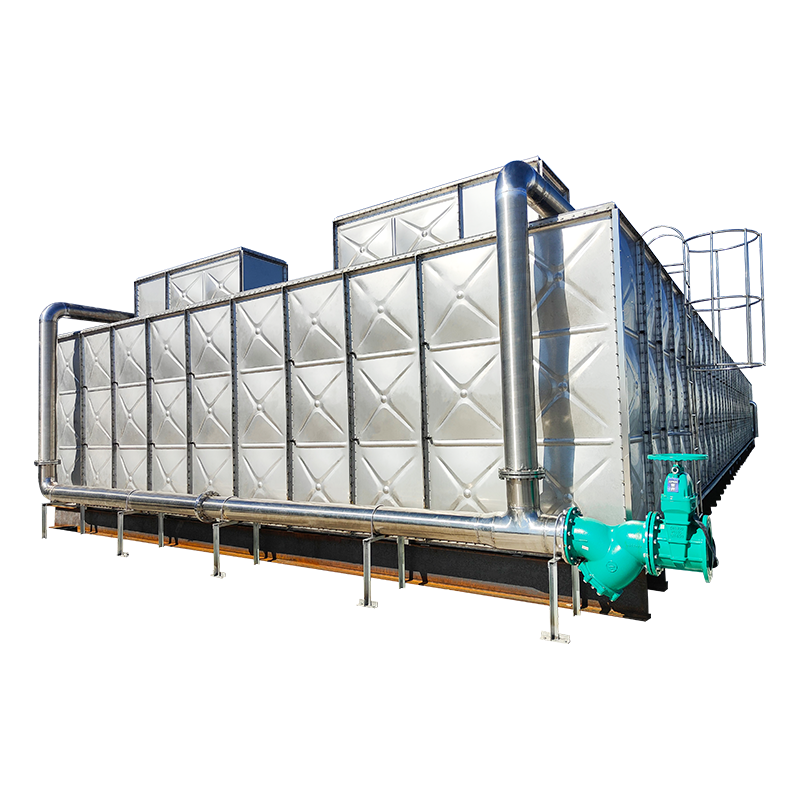
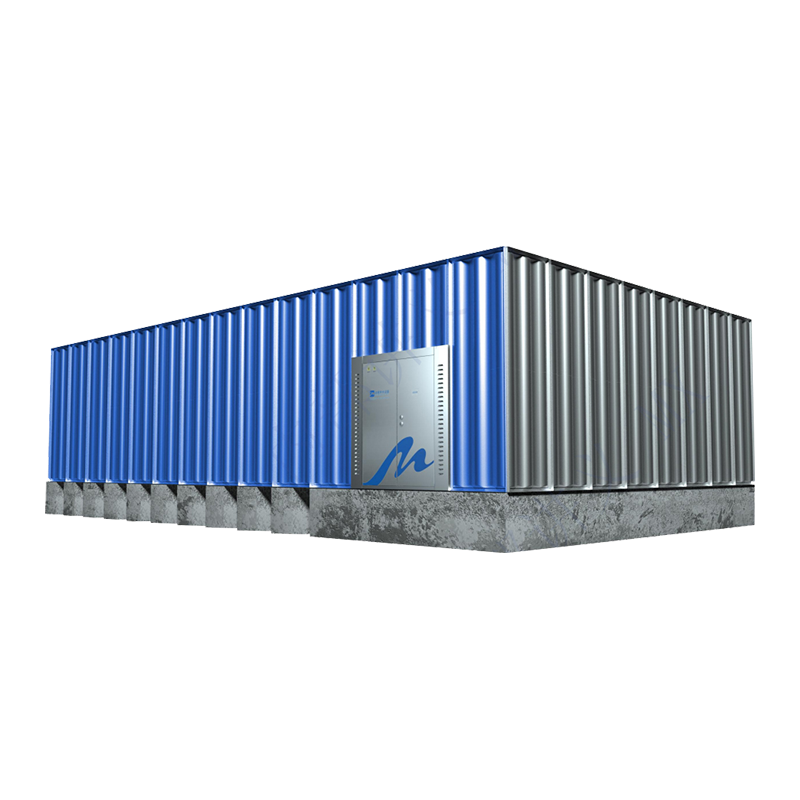
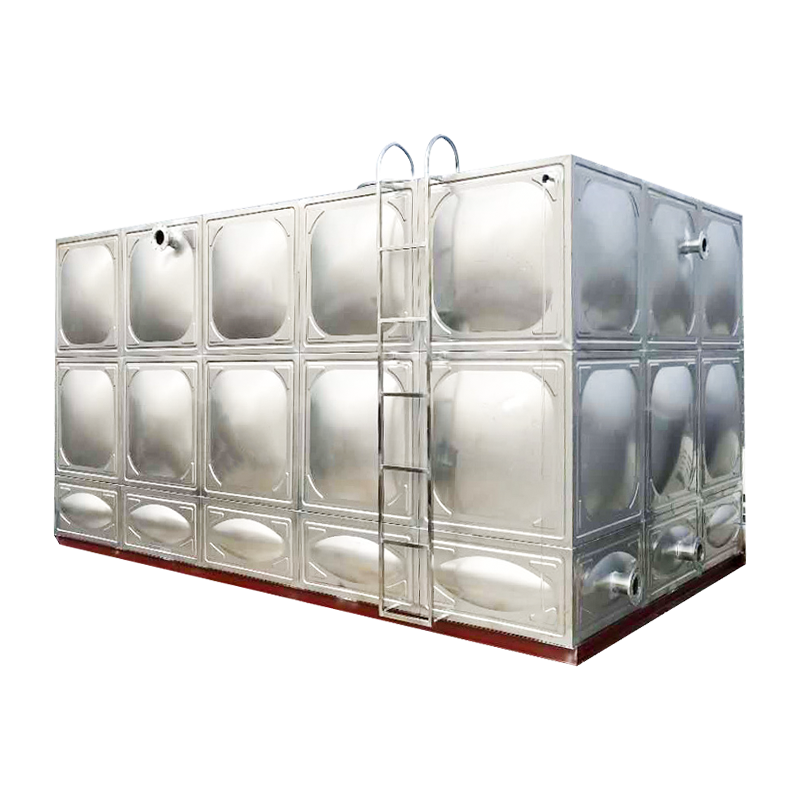
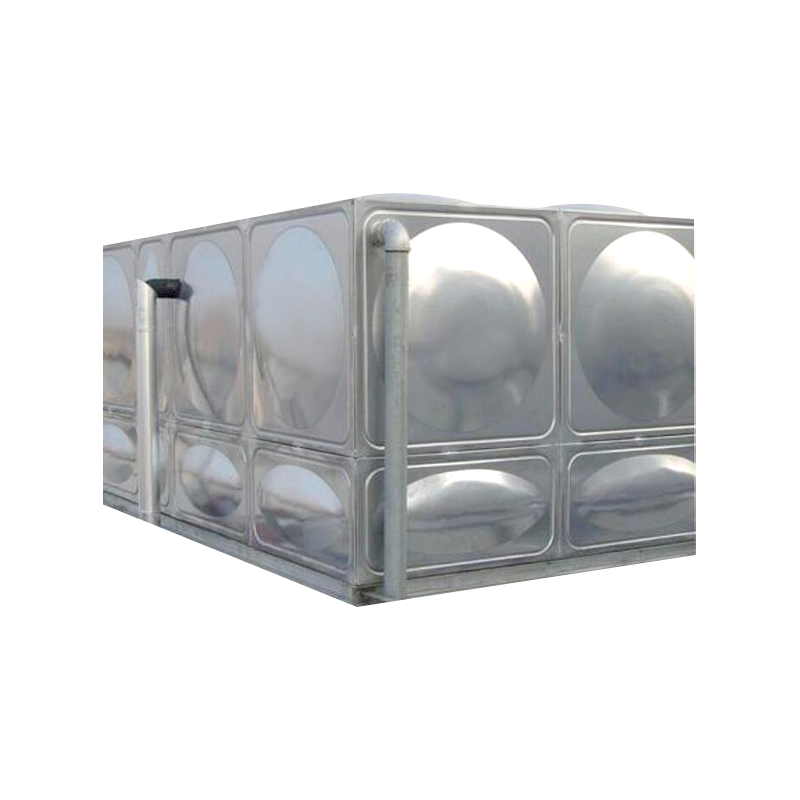
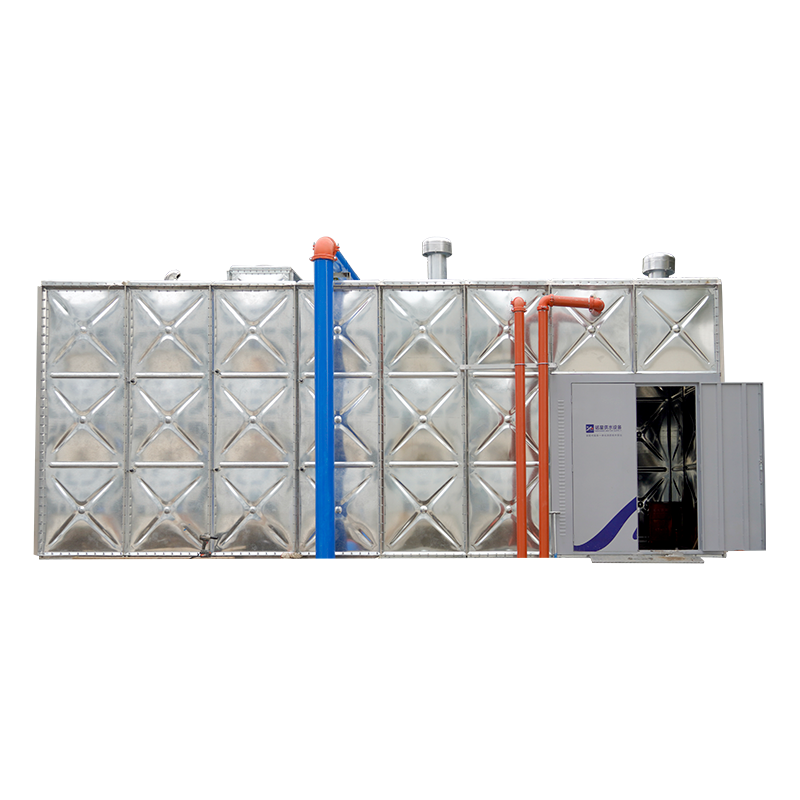
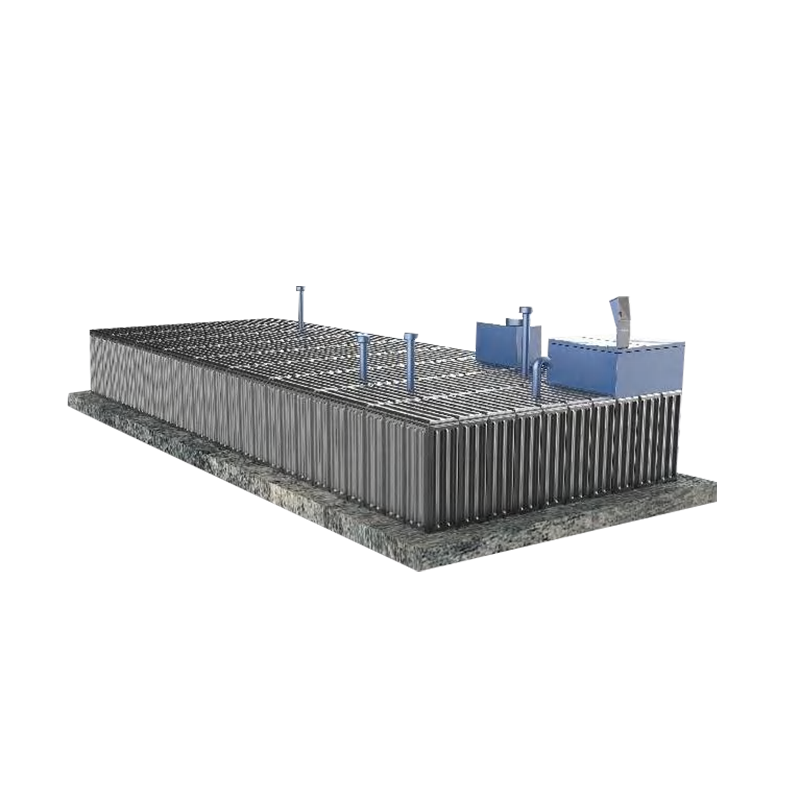
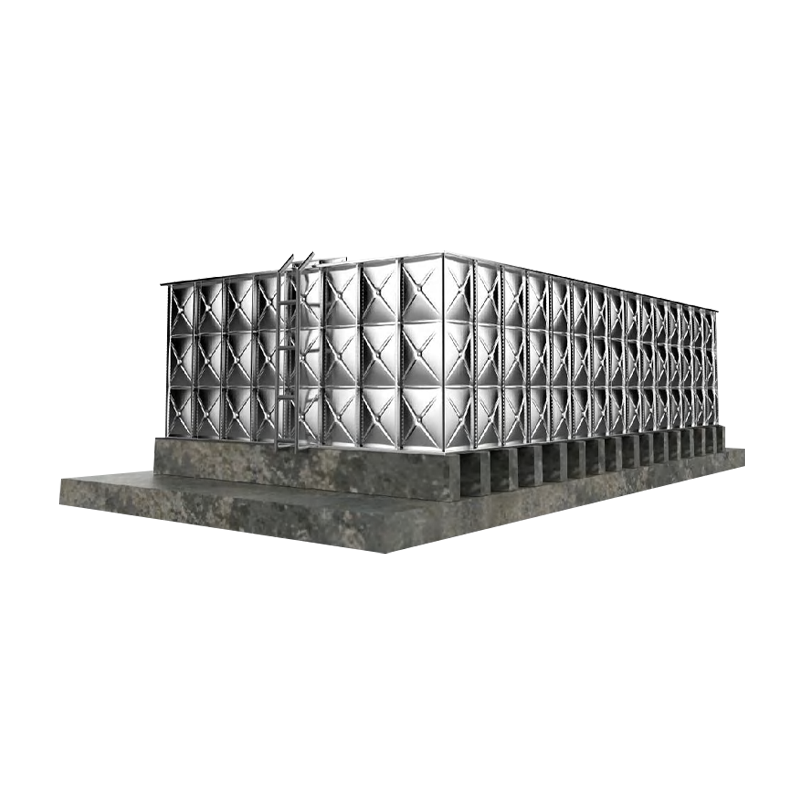
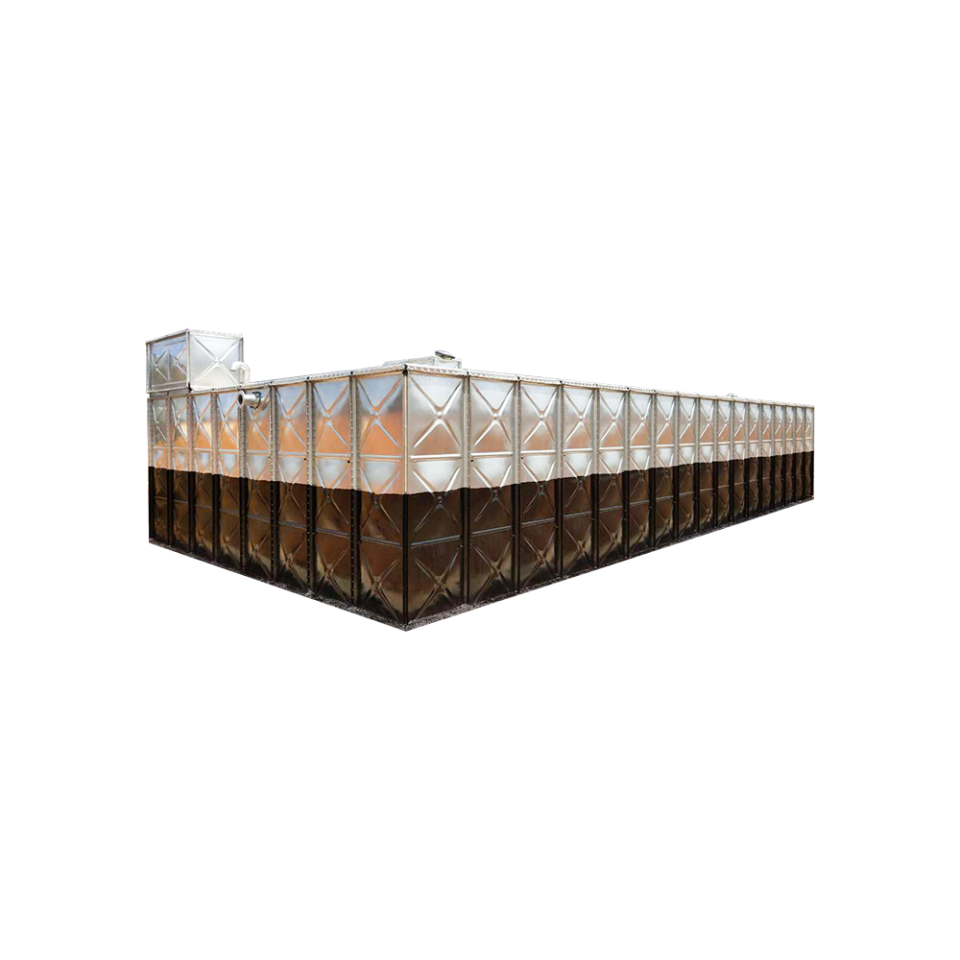
The evolution of fire safety lies in integration and intelligence. Modern facilities are moving beyond standalone components toward holistic "smart water supply" ecosystems. This approach seamlessly connects the fire protection water source—often large-capacity Sectional Water Tanks—with the pumping system and building management networks via IoT (Internet of Things) and data analytics.
Companies like Jiangsu Mingxing Water Supply Equipment Co., Ltd., through its LeShui Smart Water Affairs brand, exemplify this trend. They focus on integrated solutions where the fire pump system is not an isolated unit but a monitored and managed asset within a broader intelligent water infrastructure. This integration allows for:
Regular maintenance is the linchpin of reliability. Adherence to a strict fire pump weekly inspection checklist and annual performance testing as per NFPA 25 is mandatory.
Fire pumps are specifically designed, listed, and certified for fire protection service. They are built for instant automatic startup, sustained operation at peak load, and much higher reliability standards compared to commercial or industrial water pumps.
NFPA 25 requires a weekly inspection (no-flow) and an annual full-flow performance test to ensure the pump meets its original design specifications.
Generally, no. Fire pumps are dedicated equipment for life safety. Using them for other purposes can cause undue wear, affect availability during a fire, and may violate local codes. Separate systems are standard.
The jockey pump's sole purpose is jockey pump pressure maintenance. It prevents minor system leaks from causing the main fire pump to cycle on and off unnecessarily, thus conserving the main pump for actual emergencies.
A vertical turbine fire pump for deep wells or below-grade water sources is ideal when the water level is significantly below the pump. It is designed for "suction lift" applications where horizontal pumps would be ineffective, making it crucial for sites relying on wells or deep reservoirs.
Selecting and maintaining a fire-fighting pump is a critical responsibility that balances engineering precision, regulatory compliance, and forward-thinking technology integration. From understanding the nuances of how to size a fire pump for a warehouse to weighing diesel vs electric fire pump reliability, each decision impacts overall safety. Regular adherence to a fire pump weekly inspection checklist, proper jockey pump pressure maintenance, and considering specialized solutions like a vertical turbine fire pump for deep wells are all part of a robust strategy. Today, the integration of these systems with smart water supply solutions and reliable water storage, such as sectional tanks, represents the future of fire protection—a future where technology ensures constant readiness and unparalleled reliability for life and property safety.
[1] National Fire Protection Association (NFPA). (2022). NFPA 20: Standard for the Installation of Stationary Pumps for Fire Protection. Quincy, MA: NFPA. This standard defines the requirements for jockey pump function and overall fire pump installation.
[2] National Fire Protection Association (NFPA). (2023). NFPA 25: Standard for the Inspection, Testing, and Maintenance of Water-Based Fire Protection Systems. Quincy, MA: NFPA. This standard outlines the mandatory weekly and annual testing procedures for fire pumps.
[3] Fire Protection Handbook. (20th Edition). (2008). National Fire Protection Association. Quincy, MA. Provides comprehensive background on fire pump hydraulics and system design principles.
Related Products

Contact us
Headquater Address
Room 901, Building 17, Lane 1088, Shen Hong Road, Minhang District, Shanghai
Factory Address
No. 1, Mingxing North Road, Tech Innovation Park, Jianhu County, Yancheng, Jiangsu, P. R. China
Amy@mxwatersupply.com
Amy@mxwatersupply.com
Telephone(Whatsapp/Wechat)
+86-18051685983
QR CODE

 English
 Français