Jan 02, 2026
In today's world, reliable and efficient water storage is paramount for residential complexes, commercial establishments, and industrial facilities. A sectional water tank stands out as a versatile and robust solution for large-scale water containment needs. This comprehensive guide delves into the intricacies of sectional tanks, exploring their advantages, key considerations, and how modern technology is revolutionizing their functionality.
Content
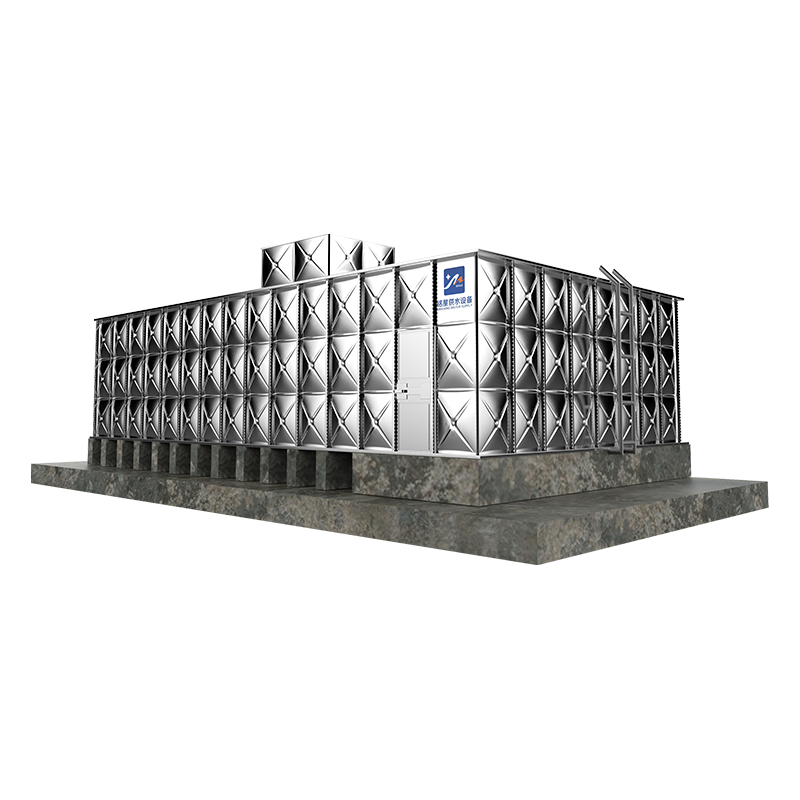
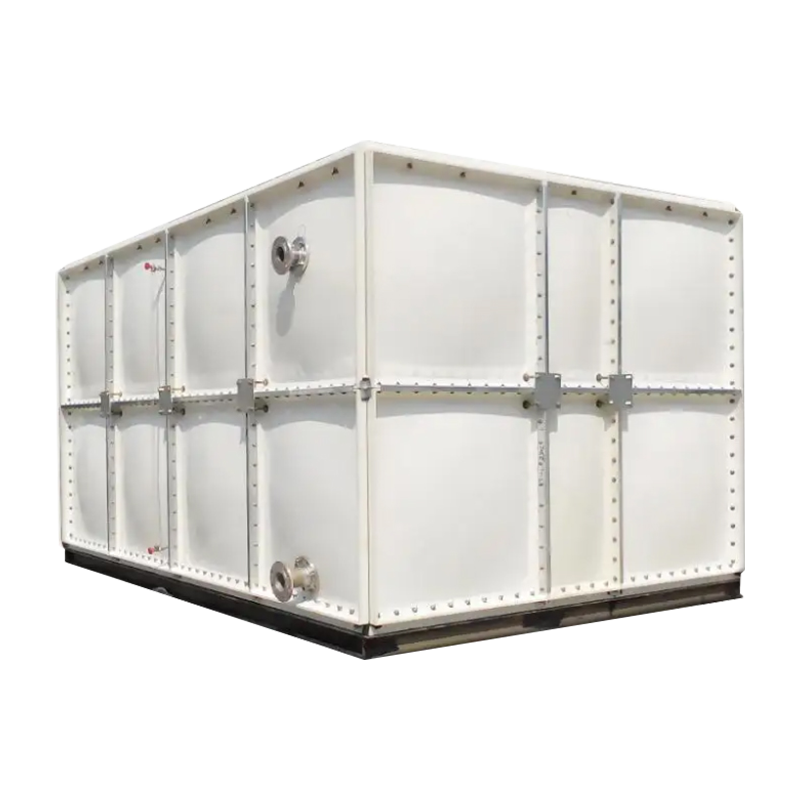
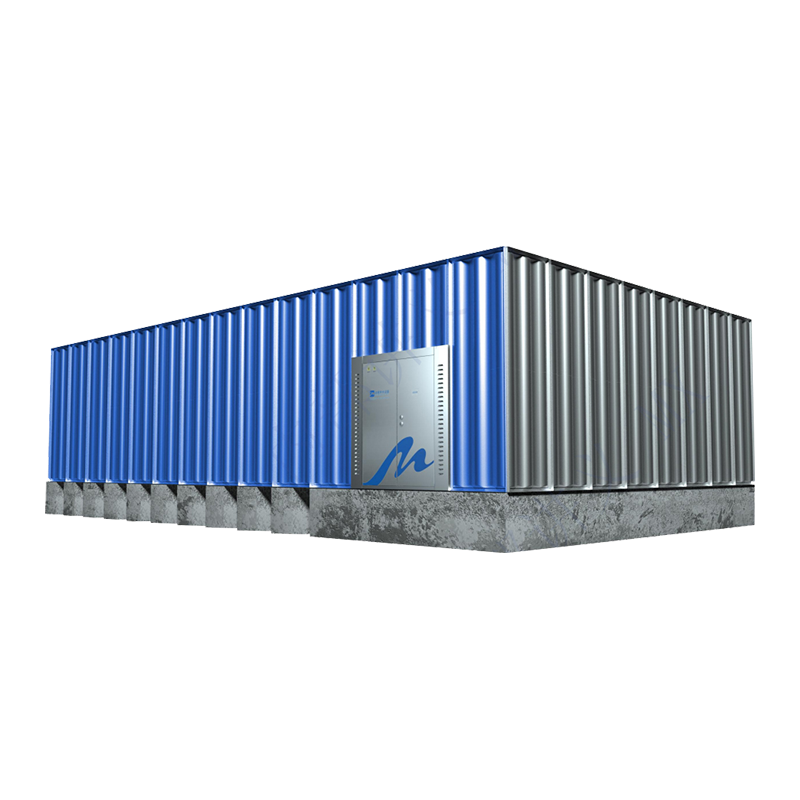
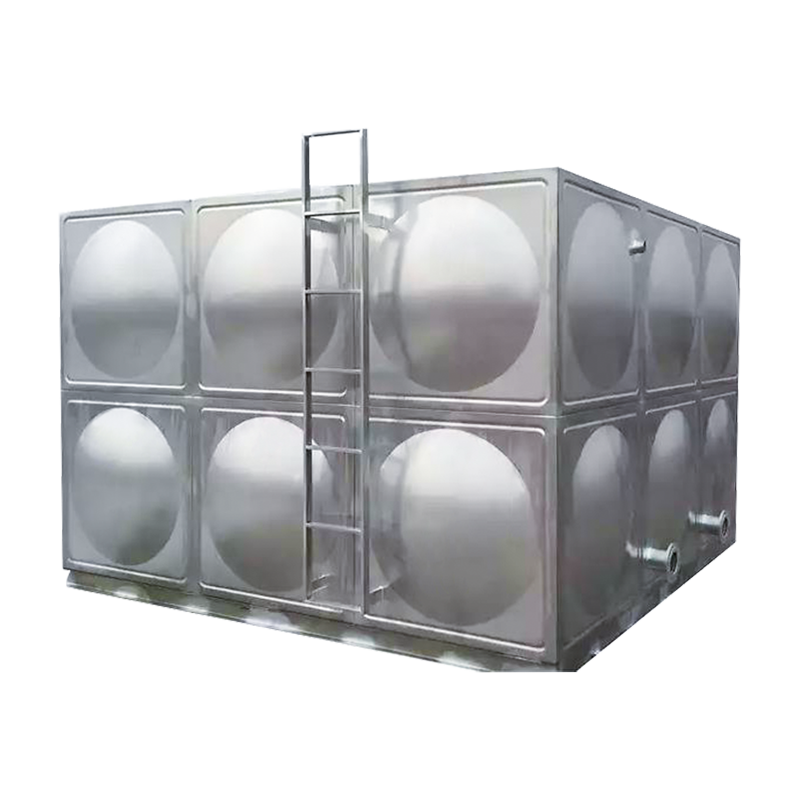
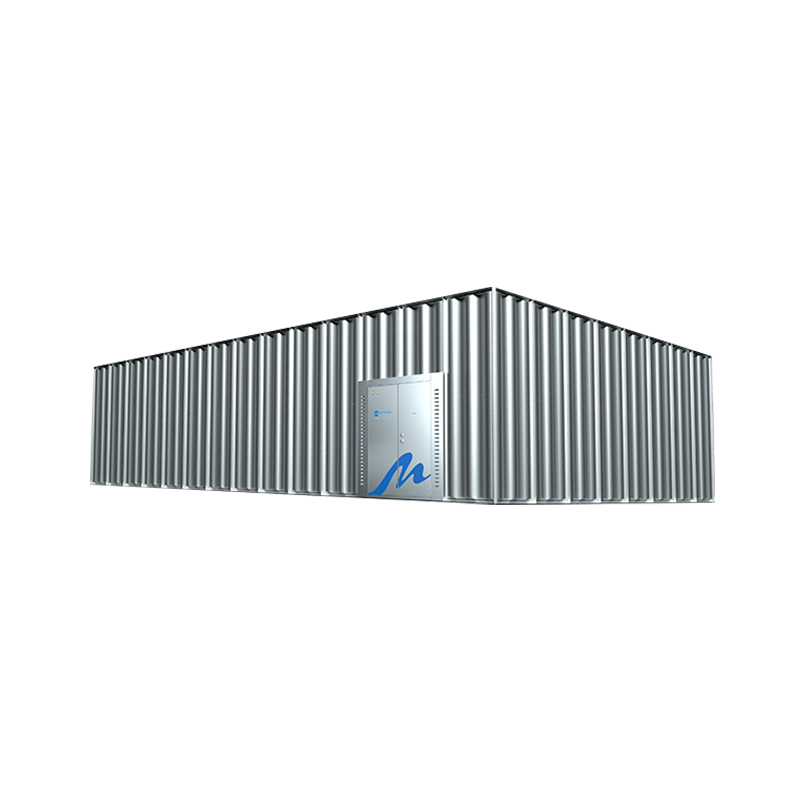
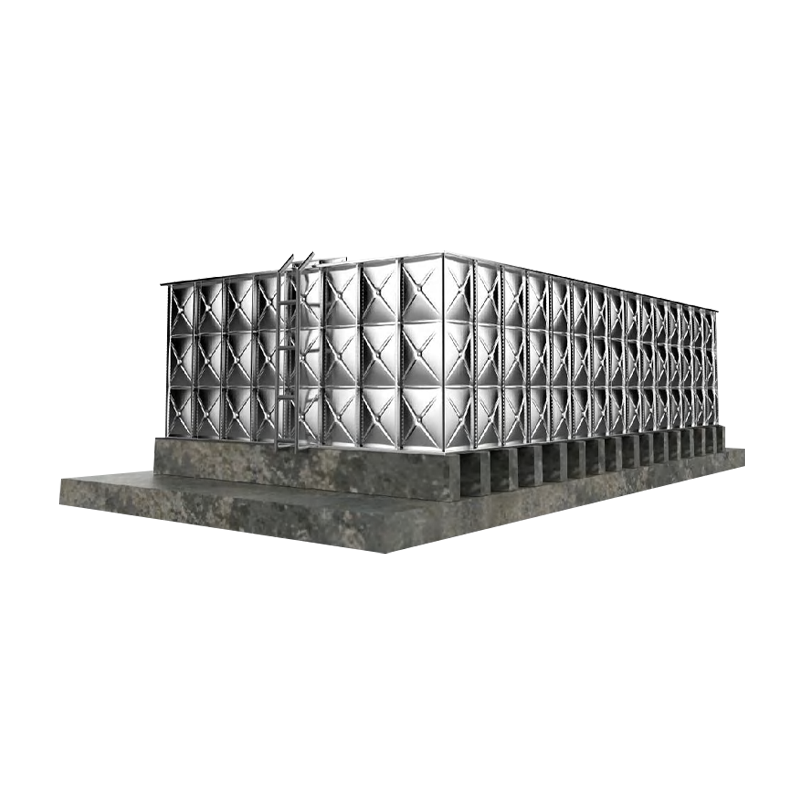
A sectional water tank is a large-capacity storage system constructed from prefabricated panels, typically made from food-grade, corrosion-resistant materials like galvanized steel with powder coating or stainless steel. These panels are bolted together on-site to form a container of virtually any required size and shape. Unlike monolithic tanks, their modular nature allows for customization, easy transportation, and future expansion, making them ideal for both cold water storage for fire protection and potable water supply.
Opting for a sectional tank system brings numerous benefits over traditional construction methods or single-piece tanks.
Successful implementation requires careful planning. Here are the essential factors to evaluate.
The choice of material impacts cost, durability, and suitability. The following comparison highlights the key differences.
| Feature | Galvanized Steel with Powder Coat | Stainless Steel |
| Cost | Generally more cost-effective | Higher initial investment |
| Corrosion Resistance | Excellent for most environments; coating provides barrier | Superior, especially in coastal or highly corrosive areas |
| Hygiene & Aesthetics | High with food-grade liner; various color options | Exceptional; often used where appearance matters |
| Best For | Most commercial, industrial, and municipal applications | Specialized industries, high-purity water, harsh climates |
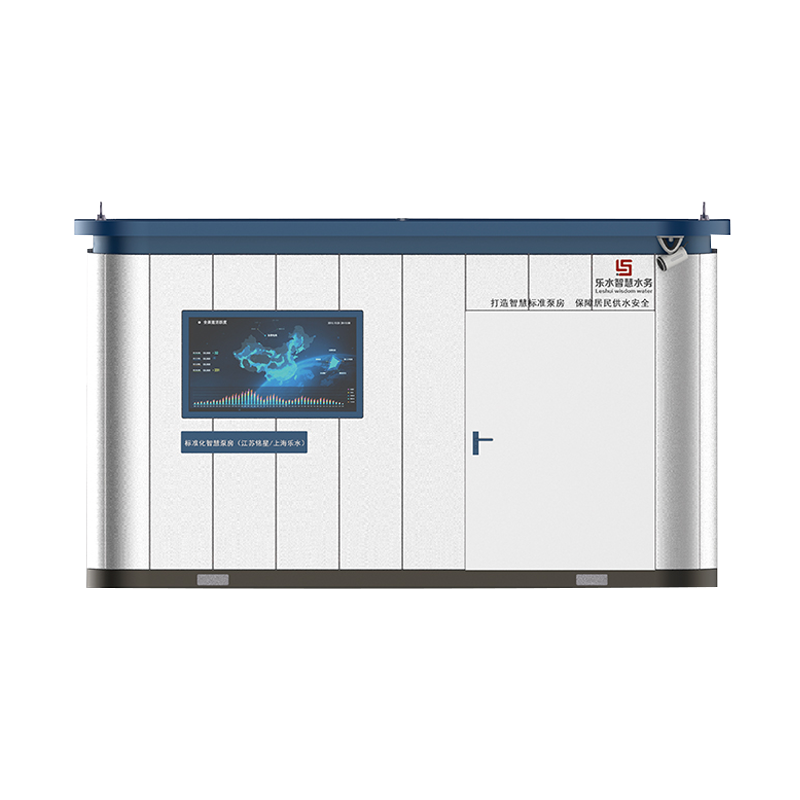
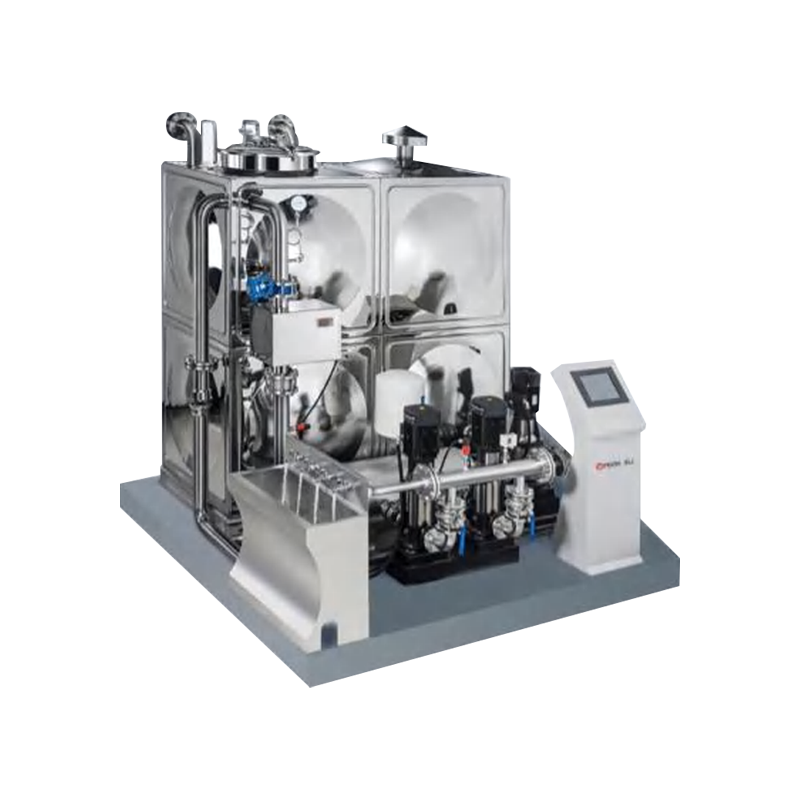
The traditional sectional water tank is being transformed into a intelligent node in the water network. Companies like Jiangsu Mingxing Water Supply Equipment Co., Ltd., with their LeShui Smart Water Affairs brand, are at the forefront of this innovation. By integrating IoT (Internet of Things) sensors and big data analytics, these smart sectional water tank monitoring systems offer:
This technological leap is particularly valuable for managing complex water supply systems across multiple sites, such as in large residential communities, universities, or industrial parks.
The versatility of sectional tanks makes them suitable for a wide range of specific applications.
A dedicated cold water storage for fire protection tank is a critical life-safety asset. Sectional tanks are perfectly suited for this role due to their reliability, large capacity, and the ability to be installed above or below ground to meet the required pressure head for firefighting systems.
For large capacity water tanks for agricultural irrigation, sectional tanks provide a dependable solution for storing harvested rainwater or water from other sources. Their scalability allows farmers to start with a manageable capacity and expand as their operations grow.
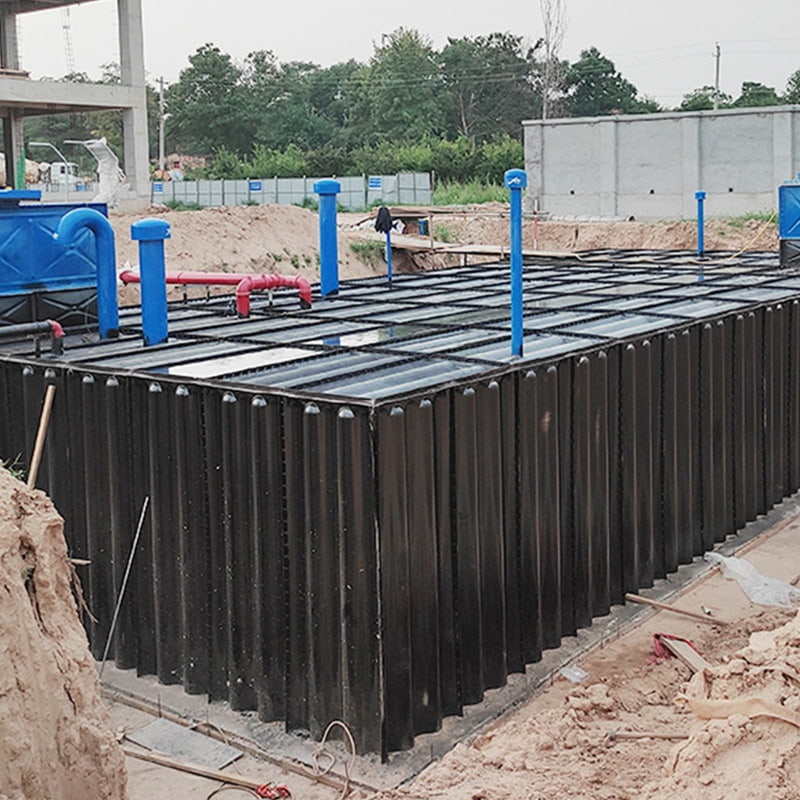
In areas prone to droughts or with unreliable mains supply, a sectional tank acts as a crucial reserve. For underground sectional tank installation for rainwater harvesting, the modular design allows for installation in excavated pits, conserving above-ground space while collecting a vital natural resource.
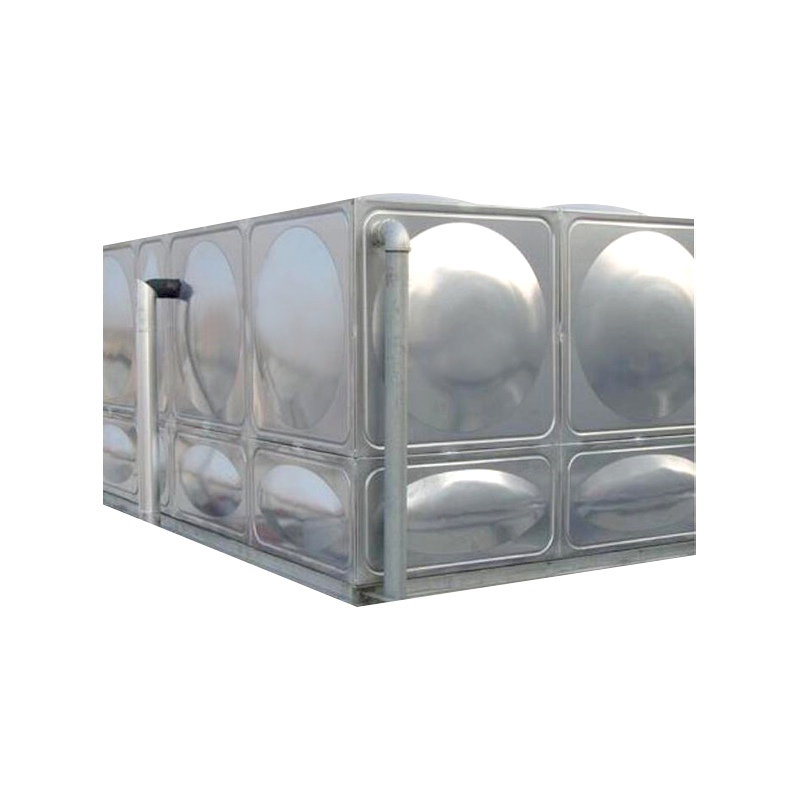
Sectional water tanks represent a sophisticated, adaptable, and future-proof solution for modern water storage challenges. From providing essential potable water storage in residential buildings to serving as the backbone of cold water storage for fire protection, their benefits are clear. The integration of smart monitoring technology further elevates their value, turning passive storage into an active, managed asset that promotes water security, conservation, and operational efficiency. When planning your next water storage project, considering a modular sectional system with smart capabilities is a strategic step toward a more resilient and sustainable water infrastructure.
With proper installation, a quality galvanized steel sectional tank can last 25-30 years or more. Stainless steel tanks can have an even longer service life, often exceeding 50 years, depending on the environment and maintenance.
Absolutely. When constructed with food-grade materials (including certified coatings and liners) and maintained according to public health guidelines, sectional tanks are perfectly safe and widely used for potable water storage in residential buildings, hotels, and schools.
Installation is significantly faster than building a concrete tank. For a standard-sized tank, on-site assembly can often be completed in a matter of days or weeks, depending on the size and complexity, once the foundation is ready.
Yes, they are an excellent choice for underground sectional tank installation for rainwater harvesting or discreet storage. They must be specifically designed to withstand external soil and groundwater pressures, and cathodic protection is often recommended for buried steel tanks.
A smart sectional water tank monitoring system provides real-time visibility into your water assets. It helps prevent overflows and run-dry situations, ensures water quality, enables early leak detection, optimizes energy use for pumping, and facilitates predictive maintenance, leading to significant cost savings and risk reduction.
[1] World Health Organization (WHO). (2011).Guidelines for Drinking-water Quality.4th ed. Geneva: World Health Organization. (This guideline provides international standards for safe drinking-water, including recommendations for storage facilities to prevent contamination).
Related Products

Contact us
Headquater Address
Room 901, Building 17, Lane 1088, Shen Hong Road, Minhang District, Shanghai
Factory Address
No. 1, Mingxing North Road, Tech Innovation Park, Jianhu County, Yancheng, Jiangsu, P. R. China
Amy@mxwatersupply.com
Amy@mxwatersupply.com
Telephone(Whatsapp/Wechat)
+86-18051685983
QR CODE

 English
 Français