Jan 08, 2026
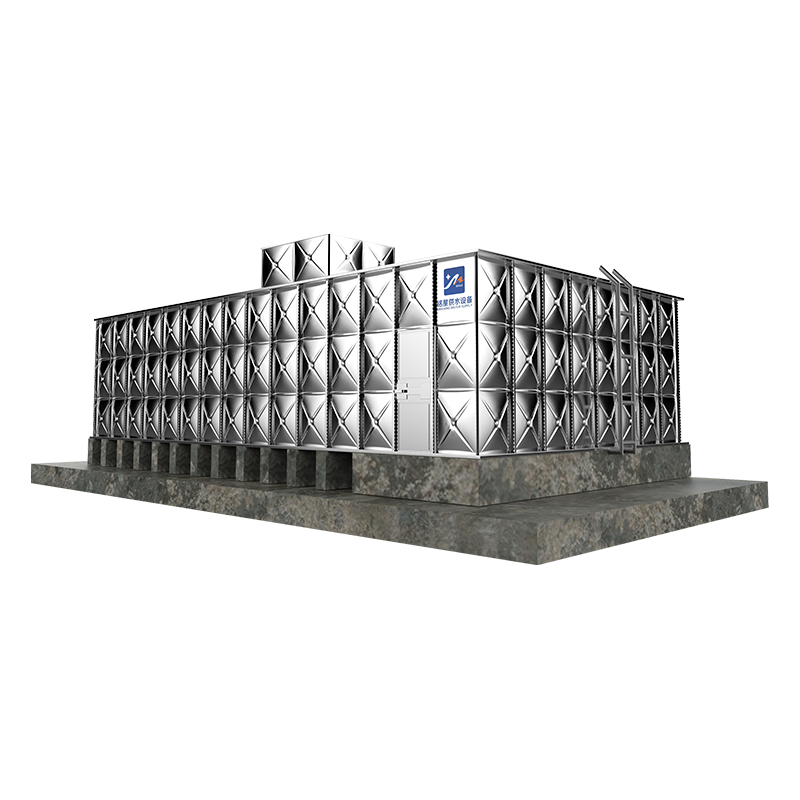
In the modern landscape of high-end residential architecture and sustainable urban development, the selection of water storage infrastructure has shifted from simple utility to a critical engineering decision. While initial procurement costs for a stainless steel water tank are higher than traditional plastic (HDPE) or concrete alternatives, a life-cycle cost analysis (LCCA) reveals significant advantages in hygiene, structural integrity, and environmental impact. For developers and engineers focusing on "green" building certifications, understanding the technical superiority of stainless steel is essential.
Content
Sustainable home design prioritizes the health of the occupants. A food grade water tank made from high-quality stainless steel (SUS304 or SUS316L) ensures that the stored water remains free from microplastics and chemical leaching, such as Bisphenol A (BPA), which is a common concern in polymer-based tanks. Stainless steel is naturally UV-resistant, preventing the internal growth of algae and bacteria—a common failure point in translucent plastic tanks exposed to sunlight.
According to the recent 2024 technical updates from the International Stainless Steel Forum (now World Stainless), stainless steel is recognized as a "permanent material" because its properties do not degrade over time, unlike polymers which undergo oxidative induction. This makes it a cornerstone for closed-loop sustainable systems.
Source: World Stainless - Stainless Steel and Sustainability
| Feature | Stainless Steel (SUS304/316) | Plastic (HDPE/LLDPE) |
| Material Safety | Inert, Food Grade, No Leaching | Potential BPA/Microplastic leaching |
| UV Stability | Excellent (No degradation) | Poor (Requires stabilizers, brittle over time) |
| Service Life | 50+ Years | 10 - 15 Years |
For sustainable designs, "durability" is the most effective form of environmental conservation. Implementing a corrosion resistant water storage system reduces the frequency of replacement and minimizes the carbon footprint associated with manufacturing and logistics. Engineers at Jiangsu Mingxing Water Supply Equipment Co., Ltd. leverage advanced R&D to ensure that every stainless steel water tank meets rigorous industrial standards, such as the CECS623:2019 specifications, which the company helped draft.
The choice between SUS304 and SUS316L depends on the local environment. SUS316L, containing molybdenum, is specifically engineered for coastal areas with high chloride concentrations to prevent pitting corrosion.
| Criterion | SUS304 Performance | SUS316L Performance |
| Corrosion Resistance | High (Standard environments) | Superior (High-chloride/Coastal) |
| Tensile Strength | MPa | MPa |
| Thermal Expansion | Low (Stable across temperatures) | Low (Optimized for thermal cycles) |
A truly sustainable home does not just store water; it manages it. Modern sustainable water management systems utilize "Smart Water" concepts. By integrating IoT (Internet of Things) sensors into a stainless steel water tank, homeowners and building managers can monitor water quality, pressure, and leakage in real-time. This aligns with the "Smart City" construction concept promoted by LeShui Smart Water, a brand under Jiangsu Mingxing Water Supply Equipment Co., Ltd.
Industry data from 2024 indicates that smart water sensors can reduce water waste in residential complexes by up to 20% through early leak detection and optimized pump cycling. This data-driven approach is vital for achieving LEED or BREEAM certifications.
Source: Smart Water Networks Forum (SWAN) - Global Industry Impact
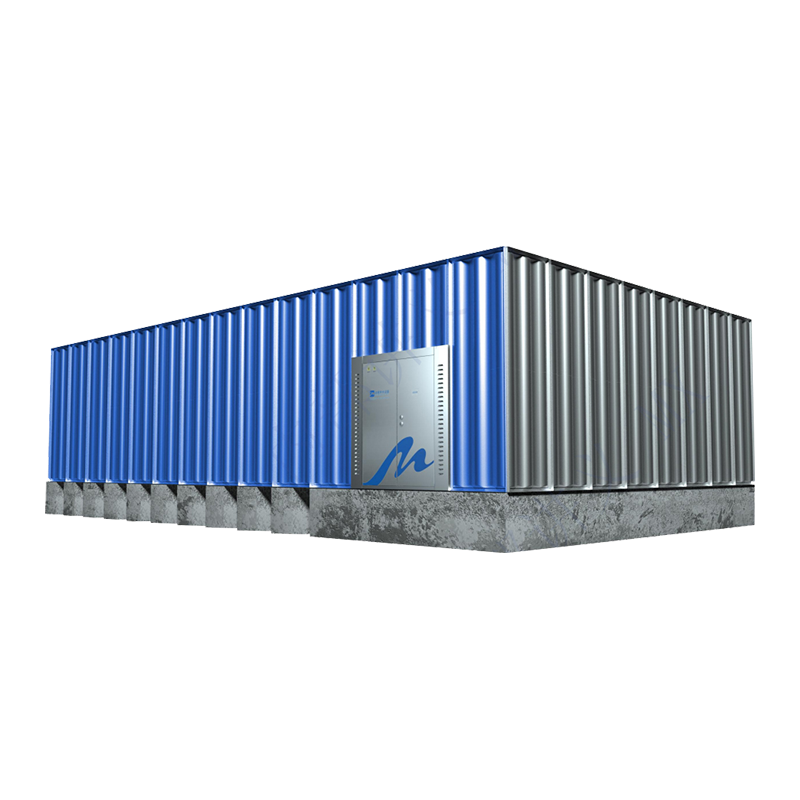
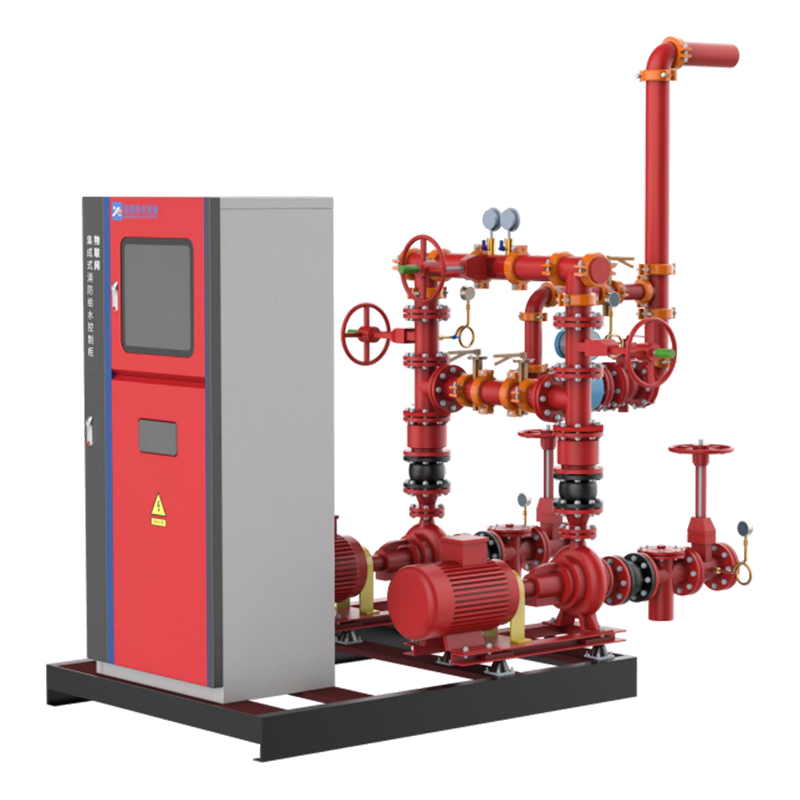
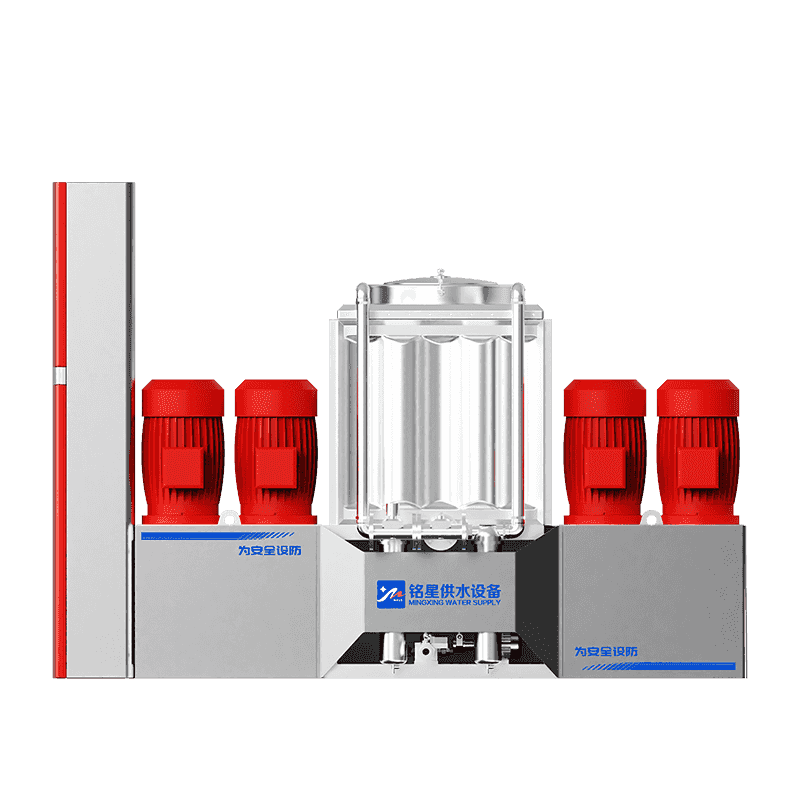
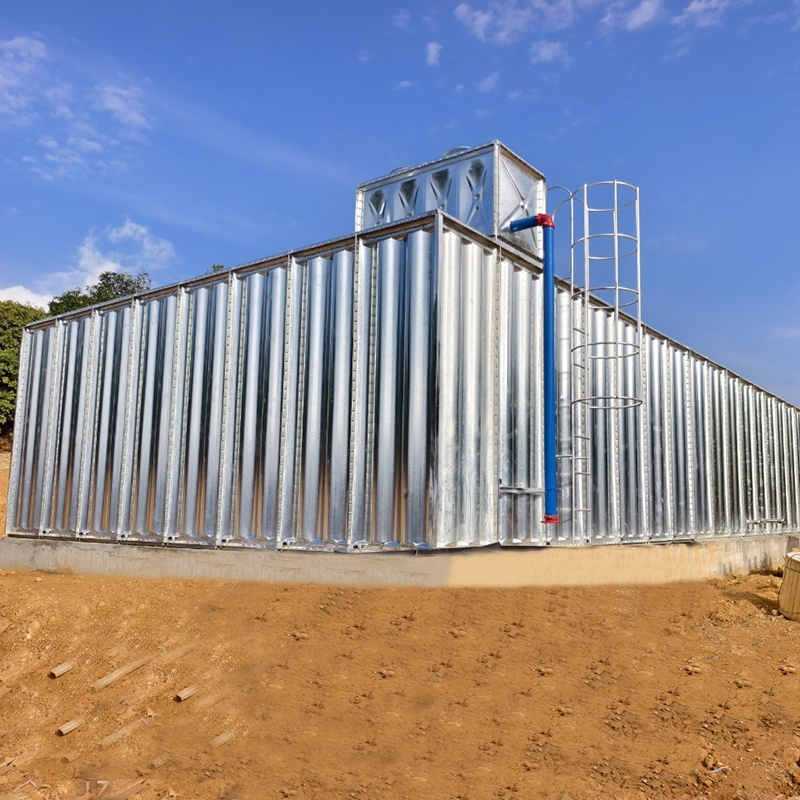
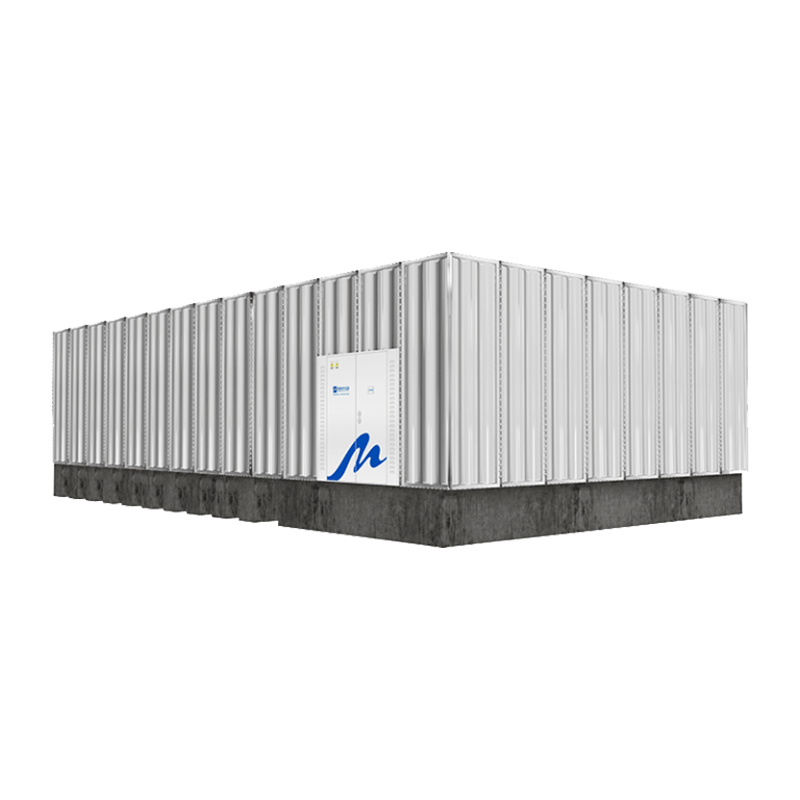
Sustainable design often involves unconventional spaces, such as rooftop gardens or basement greywater recycling units. Custom fabricated steel tanks allow for modular assembly (bolt-on or welded) that can be adapted to any footprint. As a national high-tech enterprise, Jiangsu Mingxing Water Supply Equipment Co., Ltd. specializes in prefabricated integrated box pump stations, ensuring that even in tight urban spaces, water supply equipment is both efficient and aesthetically integrated.
When analyzing the stainless steel water tank price, one must look beyond the initial purchase. The "Total Cost of Ownership" (TCO) includes maintenance, repair, and replacement costs. Stainless steel requires minimal upkeep compared to concrete, which may crack and require expensive re-lining, or plastic, which becomes brittle and prone to catastrophic failure.
| Cost Factor | Stainless Steel (Long-term) | Alternative Materials |
| Initial Cost | Higher Investment | Lower Investment |
| Maintenance Cost | Negligible (Periodic cleaning) | High (Sealing, Patching, UV coating) |
| Replacement Frequency | Zero (Lifetime solution) | 2-3 times per 50 years |
| Total 50-Year Cost | Lower | Significantly Higher |
Investing in a stainless steel water tank is an investment in the future of a property. By combining corrosion resistant water storage with smart water supply solutions, developers can ensure safety, sustainability, and long-term financial savings. Backed by the expertise of Jiangsu Mingxing Water Supply Equipment Co., Ltd., which holds dozens of intellectual property rights and national certifications, your water infrastructure will be a robust pillar of your sustainable home design.
No. High-quality food grade water tank materials like SUS304 are inert. They do not react with water or leach chemicals, ensuring the water retains its natural taste and purity, unlike plastic tanks that may impart a "chemical" odor over time.
Rainwater can be slightly acidic. Stainless steel is highly resistant to this acidity, making it the ideal choice for sustainable water management systems involving rainwater collection, where other metals might corrode.
The price reflects the cost of high-grade alloys (Nickel and Chromium) and the precision engineering required for welding and assembly. However, when considering the 50-year lifespan, stainless steel is actually more cost-effective than plastic.
Yes. Because they can be prefabricated as panels and assembled on-site, they are perfect for retrofitting existing buildings where a one-piece tank would not fit through doors or stairwells.
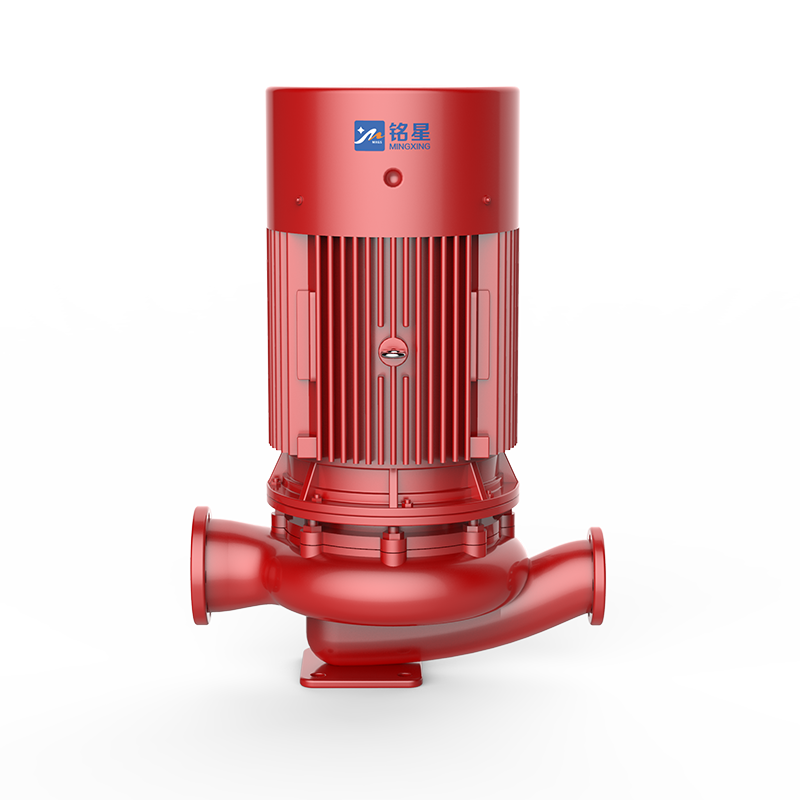
Absolutely. In fact, Jiangsu Mingxing Water Supply Equipment Co., Ltd. is a standard-setter for intelligent fire-fighting integrated pump stations. Stainless steel maintains structural integrity at higher temperatures compared to plastic, which is vital for fire safety compliance.
Related Products

Contact us
Headquater Address
Room 901, Building 17, Lane 1088, Shen Hong Road, Minhang District, Shanghai
Factory Address
No. 1, Mingxing North Road, Tech Innovation Park, Jianhu County, Yancheng, Jiangsu, P. R. China
Amy@mxwatersupply.com
Amy@mxwatersupply.com
Telephone(Whatsapp/Wechat)
+86-18051685983
QR CODE

 English
 Français