Dec 16, 2025
In the realm of water storage and management, the choice of tank material and design is paramount for ensuring longevity, hygiene, and system efficiency. Among the myriad of options, custom stainless steel water tanks stand out as a premier solution for demanding commercial, industrial, and institutional applications. Their inherent strength, corrosion resistance, and adaptability make them an ideal choice for projects where standard, off-the-shelf tanks simply won't suffice. This comprehensive guide delves deep into the world of custom stainless steel water tanks, exploring their engineering advantages, diverse applications, and how modern technology, exemplified by companies like Jiangsu Mingxing Water Supply Equipment Co., Ltd., is integrating them into intelligent water ecosystems. We will navigate through key considerations, from material science to bespoke design, providing you with the knowledge needed to make an informed decision for your specific water storage needs.
Content
The decision to invest in a custom stainless steel water tank is often driven by unique project requirements that generic tanks cannot meet. This section explores the foundational aspects that make these tanks a superior choice and introduces critical long-tail keywords that potential customers often search for when seeking specialized solutions. These phrases represent specific, high-intent queries with valuable traffic and manageable competition. Understanding these concepts is the first step toward specifying the perfect tank for your application. We will be integrating the following key terms throughout our discussion: custom stainless steel water tanks for residential buildings, food grade stainless steel water tank design, large capacity industrial stainless steel water storage, corrosion resistant stainless steel tanks for coastal areas, and modular stainless steel water tank systems.
Stainless steel is not a single material but a family of iron-based alloys containing a minimum of 10.5% chromium. This chromium content is the secret to its remarkable properties. When exposed to oxygen, it forms a passive, self-healing layer of chromium oxide on the surface, providing exceptional corrosion resistance. For water storage, this translates to a product that does not rust, does not leach harmful substances (when the correct grade is used), and maintains water purity over decades of service.
The benefits extend far beyond just rust prevention. Stainless steel offers an unparalleled combination of strength and durability, capable of withstanding significant internal pressures and external loads. Its non-porous, smooth surface inhibits bacterial growth and biofilm formation, making it exceptionally easy to clean and sanitize—a critical factor for potable water and sensitive applications like food and beverage or pharmaceuticals. Furthermore, stainless steel is 100% recyclable, offering an environmentally responsible choice at both the beginning and end of its long lifecycle. Compared to alternatives like coated carbon steel or concrete, stainless steel provides a lower total cost of ownership due to minimal maintenance, no need for lining replacements, and extraordinary longevity.
To truly appreciate the value proposition of stainless steel, a direct comparison with other prevalent tank materials is essential. Each material has its niche, but for high-reliability, long-term, and hygiene-critical applications, stainless steel consistently proves superior.
When we evaluate plastic (Polyethylene) tanks against stainless steel, we find that plastic is lightweight and cost-effective for small-scale, non-critical uses but is vulnerable to UV degradation, permeation, and can become brittle over time. It lacks the structural integrity for large capacities. Concrete tanks are incredibly robust for massive underground storage but are prone to cracking and algae growth, and they can alter water pH. Fiberglass tanks are corrosion-resistant and lightweight but can suffer from delamination and have lower impact resistance. Custom stainless steel water tanks for residential buildings, for instance, outperform plastic in durability and hygiene, and outpace concrete in weight and installation flexibility for rooftop or indoor placement.
| Material | Key Advantages | Key Disadvantages | Ideal For |
|---|---|---|---|
| Stainless Steel (304/316) | Superior corrosion resistance, exceptional hygiene (non-porous), high strength-to-weight ratio, long lifespan (50+ years), fully recyclable, maintains water taste/odor. | Higher initial material cost, requires skilled fabrication, can be susceptible to chloride stress corrosion in extreme conditions. | Potable water, food/beverage, pharmaceuticals, coastal areas, high-value residential, industrial processes. |
| Plastic (Polyethylene) | Low initial cost, lightweight, good chemical resistance to some substances. | UV degradation, potential for leaching, permeation of vapors, poor structural strength for large volumes, limited temperature tolerance. | Small-scale residential garden/rainwater use, non-critical chemical storage. |
| Coated Carbon Steel (Epoxy/Phenolic) | Lower initial cost than stainless for large tanks, high structural strength. | Lining can degrade/fail over time, requires frequent inspection & re-lining, susceptible to rust if coating is compromised, heavy. | Large-volume industrial water/fire water storage where lining inspection regime is maintained. |
| Concrete | Extremely high structural capacity for massive underground tanks, low material cost. | Porous surface promotes bacterial/algal growth, can crack, heavy, can increase water pH, difficult to modify or repair. | Very large municipal or fire water storage tanks, typically underground. |
Creating a custom tank is a collaborative engineering process. It begins with a deep understanding of the application's requirements and translates them into precise technical specifications. This phase is critical to ensure the final product performs flawlessly in its intended environment for its entire design life.
Every custom tank project starts with a detailed specification sheet. Engineers and clients must work together to define several non-negotiable parameters. The capacity is the most obvious, but it must be considered alongside dimensions. Site access, space constraints, and load-bearing capacities of the supporting structure will dictate the tank's footprint and height. For large capacity industrial stainless steel water storage, the design often involves multiple compartments or interconnected modular units to manage structural loads and maintain system redundancy.
Pressure rating is another vital factor. Is the tank atmospheric (vented) or pressurized? Will it be located at the base of a high-rise building, requiring it to withstand significant static head pressure? The material grade selection is paramount. While 304 stainless is excellent for most potable water applications, environments with chlorides, such as in coastal regions or where water is highly chlorinated, demand the superior resistance of 316 stainless steel. This directly addresses the need for corrosion resistant stainless steel tanks for coastal areas. Furthermore, internal and external finishes must be specified. A smooth, polished interior finish (e.g., 2B, BA, or even a mirror finish) enhances cleanability and is a cornerstone of food grade stainless steel water tank design. External finishes might be specified for aesthetic reasons in visible installations.
A tank is more than just a shell. Its functionality and integration into a larger water system depend on a suite of carefully chosen accessories. Manways are crucial for internal inspection and cleaning, and their size and location must be planned. A properly sized vent is essential to prevent vacuum formation during drainage and to allow air exchange. Inlet and outlet connections must be strategically placed to optimize flow dynamics, prevent short-circuiting, and facilitate complete drainage. Other critical accessories include:
The role of the modern water tank has evolved from a passive storage vessel to an active, intelligent node in a comprehensive water management system. This is where customization meets innovation, creating solutions that are not only robust but also smart, efficient, and seamlessly monitored.
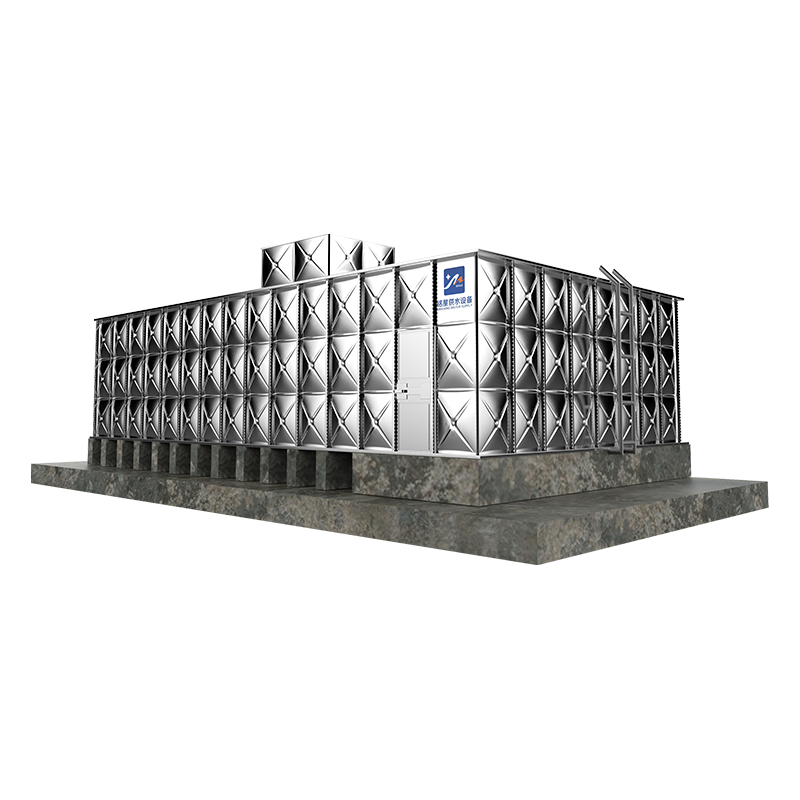
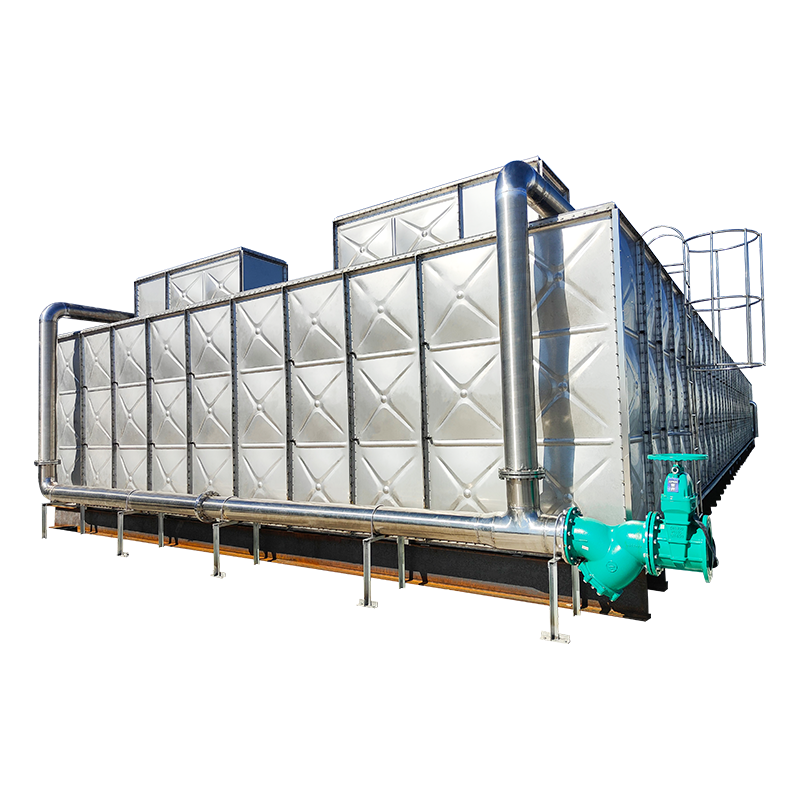
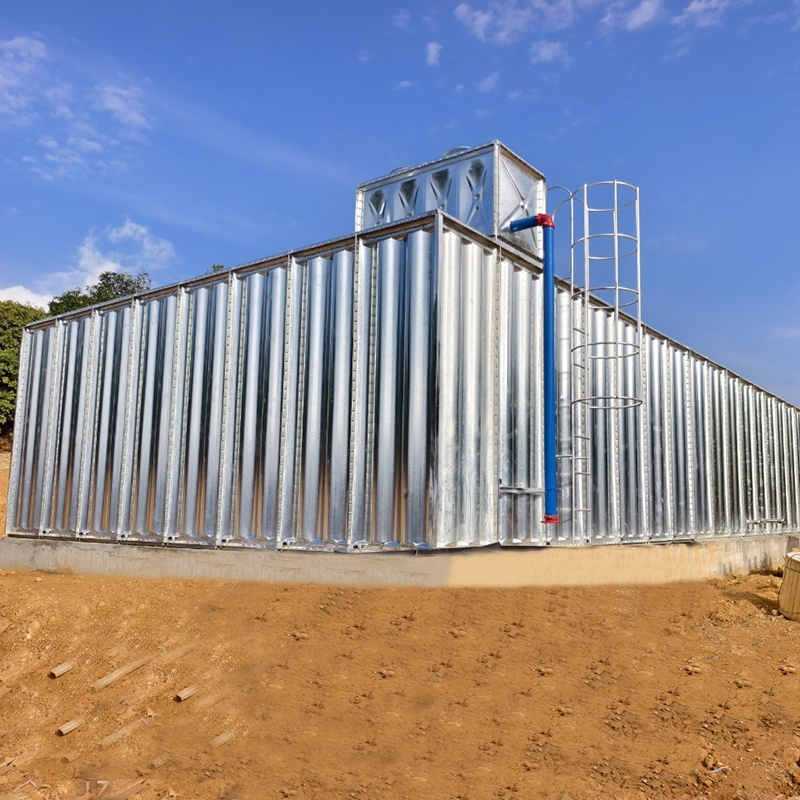
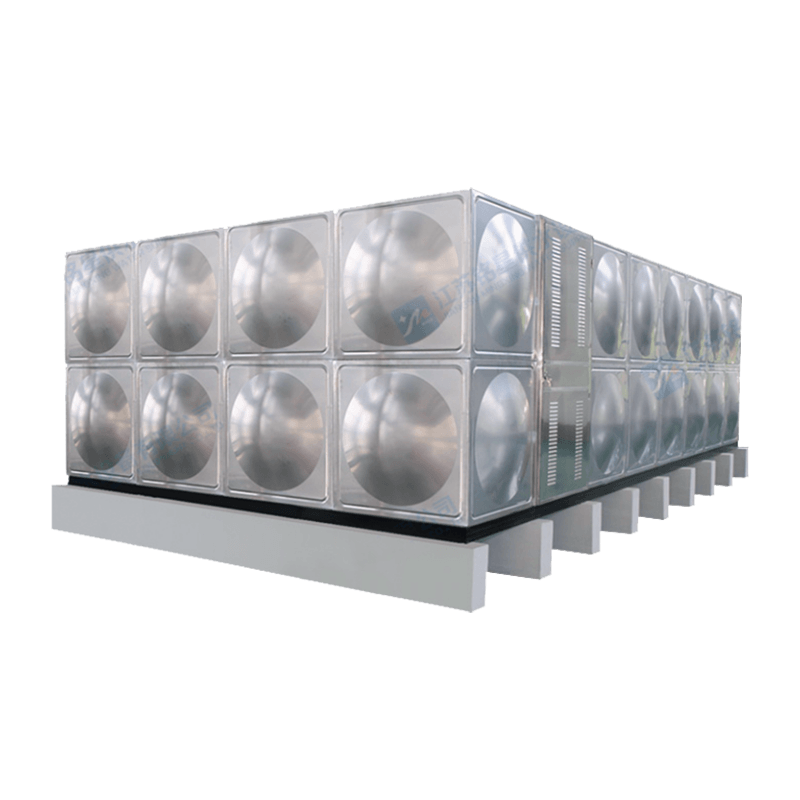
One of the most significant advancements in tank technology is the move toward modularity. Modular stainless steel water tank systems offer unparalleled flexibility. They consist of prefabricated, standardized panels or sections that are bolted or welded together on-site. This approach solves numerous challenges: it allows for tanks to be built in spaces with limited access, enables future capacity expansion by adding more modules, and facilitates easier repair or relocation. The concept of modularity aligns perfectly with the prefabrication ethos seen in modern construction and is a specialty of advanced manufacturers.
Beyond physical design, the integration of Internet of Things (IoT) technology represents a quantum leap. A company like Jiangsu Mingxing Water Supply Equipment Co., Ltd., with its focus on "smart water supply" solutions and its LeShui Smart Water Affairs brand, exemplifies this trend. Their approach involves embedding sensors into the tank and its associated piping. These sensors continuously monitor critical parameters such as:
This data is transmitted via secure networks to a cloud-based platform or local SCADA system. Authorized personnel can view the status of their water assets from anywhere, at any time. The system can generate automated alerts for low level, high level, quality deviations, or maintenance schedules, transforming reactive maintenance into proactive management. This level of intelligence is invaluable for critical applications like firefighting water storage, hospital water systems, and large-scale custom stainless steel water tanks for residential buildings that serve entire communities.
The application of custom stainless steel tanks in fire protection is a domain where precision, reliability, and intelligence are non-negotiable. A fire water tank is a lifeline, and its performance cannot be left to chance. Modern smart firefighting systems integrate these custom tanks into a networked ecosystem. The tank is equipped with monitoring devices that ensure it is always at the mandated water level and pressure. This data is integrated with pump controls, pressure-sustaining systems, and alarm panels.
Jiangsu Mingxing Water Supply Equipment Co., Ltd., as a standard-setter for intelligent fire-fighting integrated pump stations, leverages this synergy. Their systems apply IoT, big data, and cloud computing to achieve efficient operation of the fire alarm and water supply system. A custom stainless steel tank in such a system is no longer a siloed component; it is a data-rich asset that contributes to the system's overall situational awareness. The 24/7 monitoring capability provides peace of mind, knowing that the water supply for life safety is continuously verified and ready for immediate, automated deployment in an emergency. This holistic approach, combining superior custom fabrication with digital intelligence, represents the future of critical water infrastructure.
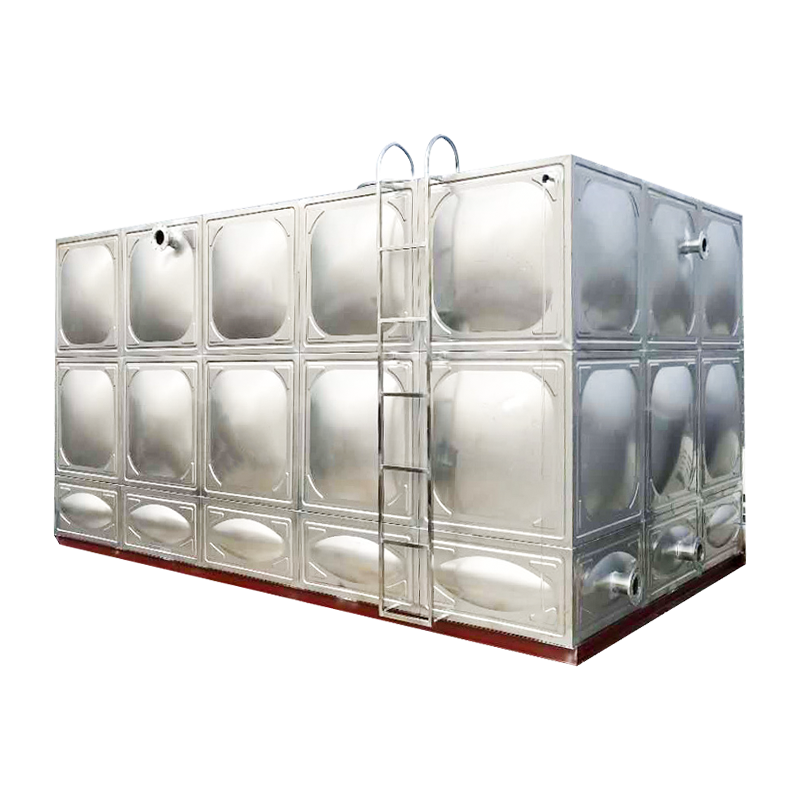
The investment in a high-quality custom stainless steel water tank is protected by proper installation, commissioning, and a disciplined maintenance regime. While stainless steel is famously low-maintenance, "maintenance-free" is a misnomer for any critical infrastructure component.
A perfect tank can be compromised by poor installation. The foundation or support structure must be designed to handle the tank's weight when full (water weighs approximately 1,000 kg per cubic meter). It must be level and stable to prevent distortion of the tank shell. During installation, care must be taken to protect the stainless steel surface from contamination by iron particles (from tools or other construction materials), which can lead to "rust staining" or pitting. Post-installation, a thorough cleaning and sanitization process is essential before first use, particularly for food grade stainless steel water tank design.
Commissioning involves filling the tank, checking for leaks at all welds and connections, verifying the operation of all accessories (valves, level gauges, overflow), and ensuring control systems are calibrated and communicating correctly. For intelligent systems, this includes validating sensor readings and alarm setpoints.
Ongoing maintenance, while minimal, is systematic. It should include:
Given the technical complexity, the journey of procuring a custom stainless steel water tank is best undertaken with an experienced and certified partner. A reputable manufacturer will not just fabricate a tank but will provide comprehensive support from design consultation through to after-sales service. Look for partners with relevant certifications that attest to their quality management and product standards. For instance, Jiangsu Mingxing Water Supply Equipment Co., Ltd. holds ISO 9001, ISO 14000, and OHSAS certifications, and its fire-fighting products carry the compulsory 3C certification in their market. Their active role in compiling national technical standards and atlases demonstrates a deep, authoritative engagement with the engineering principles behind products like prefabricated pump stations and, by extension, the tanks that supply them.
Such a partnership ensures that your custom solution—whether it's for corrosion resistant stainless steel tanks for coastal areas, a large capacity industrial project, or a smart modular system—is built on a foundation of expertise, quality materials, and a commitment to long-term performance. It transforms the tank from a commodity into a reliable, intelligent cornerstone of your water management infrastructure, delivering safety, efficiency, and value for decades to come.
Related Products

Contact us
Headquater Address
Room 901, Building 17, Lane 1088, Shen Hong Road, Minhang District, Shanghai
Factory Address
No. 1, Mingxing North Road, Tech Innovation Park, Jianhu County, Yancheng, Jiangsu, P. R. China
Amy@mxwatersupply.com
Amy@mxwatersupply.com
Telephone(Whatsapp/Wechat)
+86-18051685983
QR CODE

 English
 Français