Introduction to Water mist firefighting system
- The Water mist firefighting system uses very fine water droplets to suppress or extinguish fire swiftly and efficiently. It’s recognized as an advanced fire protection solution that enhances safety while minimizing water damage.
- This system operates by physically and chemically reducing heat, displacing oxygen, and wetting combustible surfaces.
How water mist fire suppression systems for buildings Operate
- Specialized nozzles atomize water into tiny droplets capable of absorbing heat from fire zones.
- Effective in commercial, residential, and high-risk occupancy settings.
High pressure water mist fire protection technology Explained
Principles
- Fine water droplets cool flames rapidly due to large surface area.
- Droplet vapor expansion displaces oxygen, disrupting combustion.
Cooling vs Oxygen Displacement
| Aspect |
Cooling Effect |
Oxygen Displacement |
| Mechanism |
Heat absorption by tiny droplets |
Expansion of vapor reduces oxygen concentration |
| Impact on Fire |
Reduces temperature rapidly |
Slows combustion by limiting oxygen |
Industrial water mist fire fighting solutions and Use Cases
- Applicable in factories, warehouses, data centers, and machinery spaces.
- Helps protect critical infrastructure with reduced water usage.
Water mist fire extinguishing system design guide
Regulatory Codes & Standards
- Design must consider local fire safety codes, system pressure, and hazard classifications.
- Standards ensure droplet size, coverage, and activation criteria align with safety goals.
Key Design Considerations
- Nozzle placement strategy
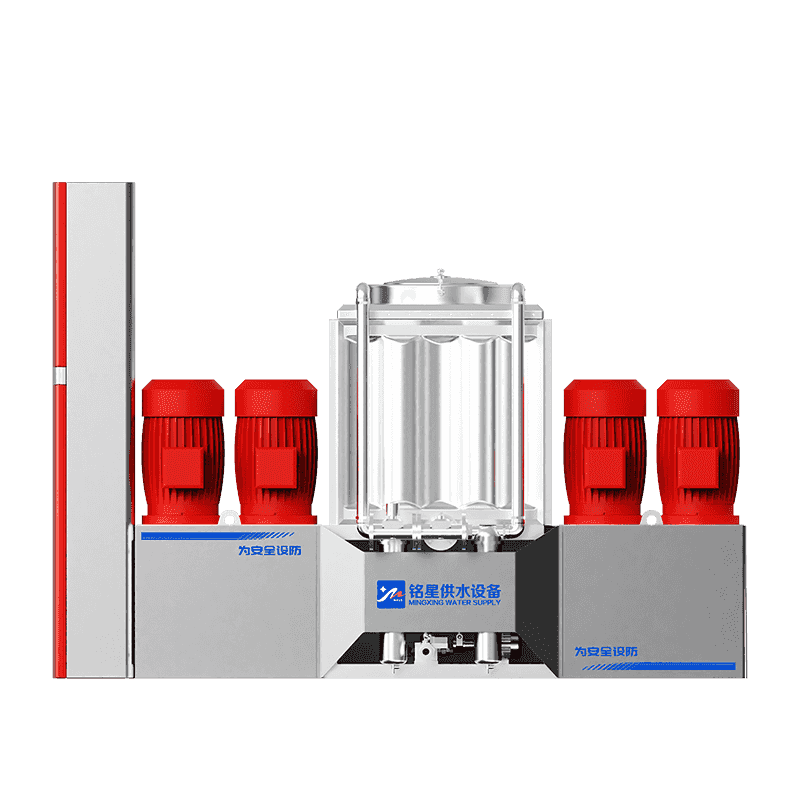
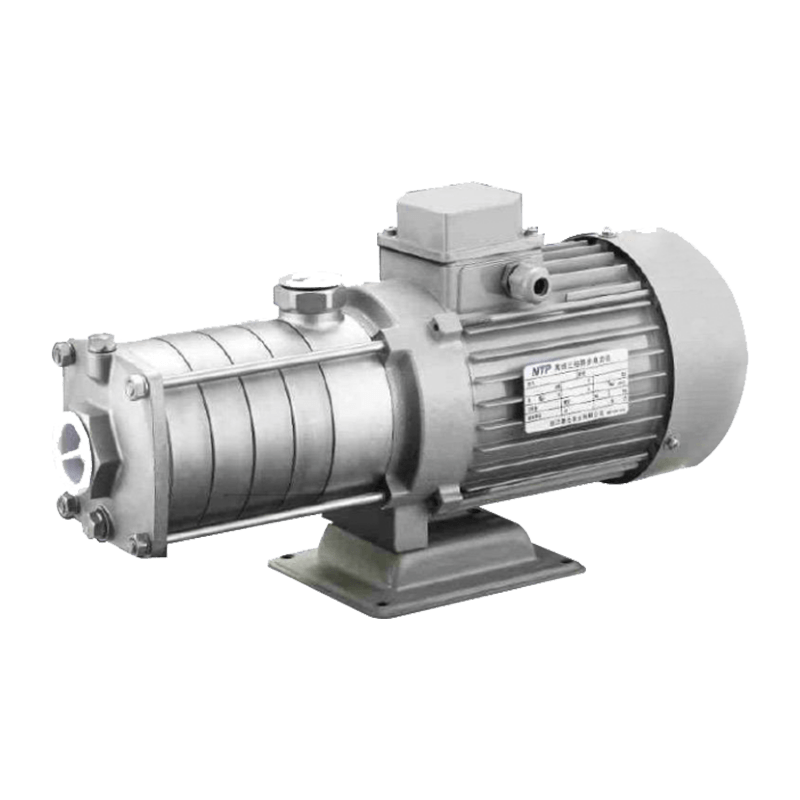
- Pressure and pump system sizing
- Integration with fire alarms and building management systems
Benefits of water mist fire protection systems
Comparison with Traditional Sprinkler Systems
| Feature |
Water Mist Systems |
Traditional Sprinklers |
| Water Usage |
Much less water required |
High water discharge |
| Damage Risk |
Minimal water damage |
Potential for significant water damage |
| Fire Control |
Efficient cooling & oxygen displacement |
Limited to surface wetting |
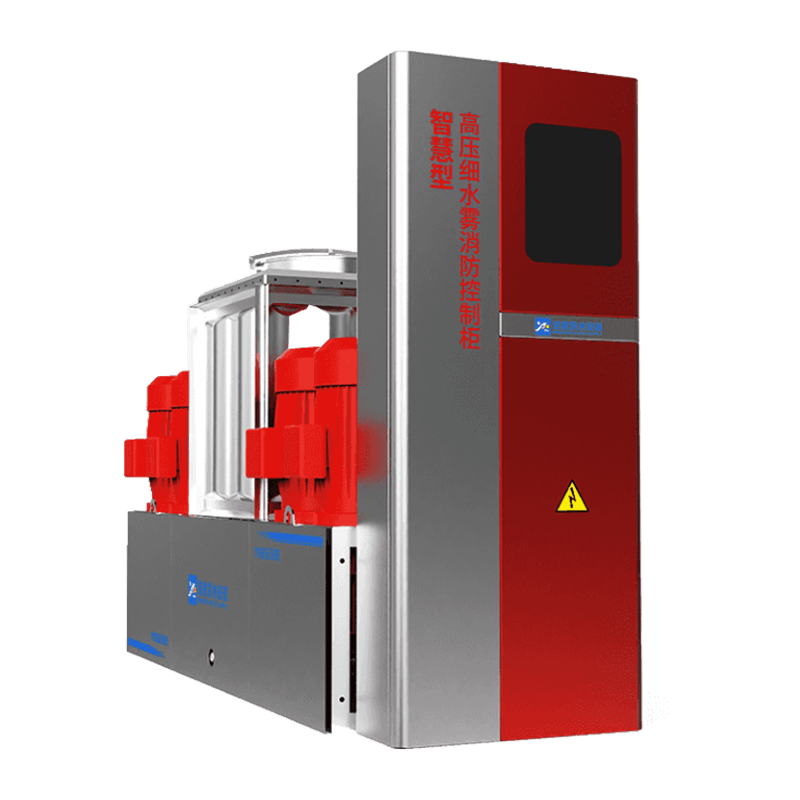
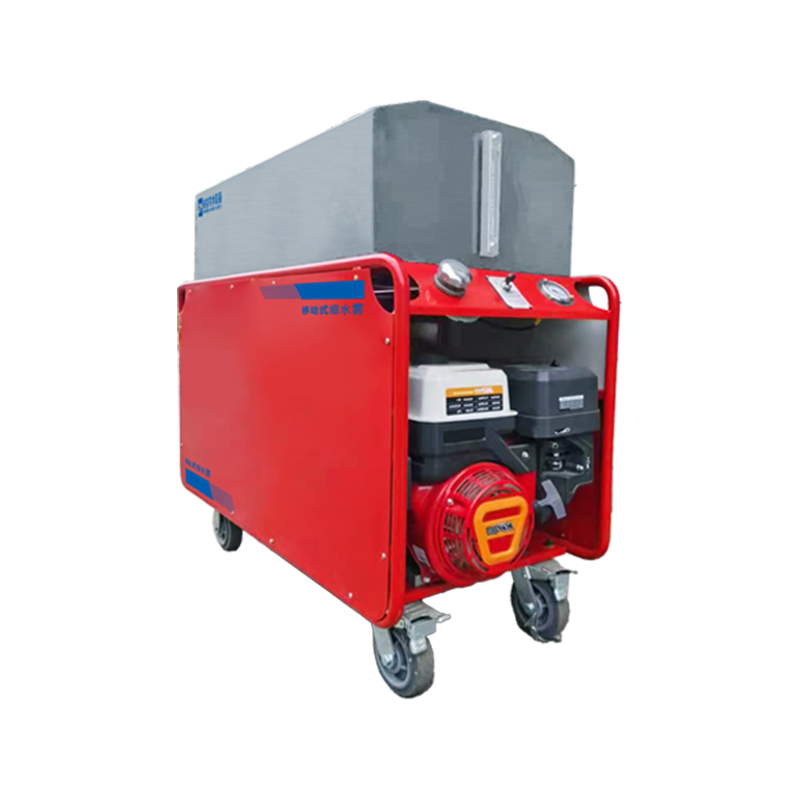
- Jiangsu Mingxing Water Supply Equipment Co., Ltd. integrates design, R&D, production, sales, and service to deliver smart firefighting water supply solutions.
- With IoT, big data, and cloud computing integration, the company’s intelligent fire-fighting systems provide seamless 24/7 monitoring and enhanced linkage efficiency.
- By contributing to technical standards and maintaining strong industry-academia collaborations, the company enhances safety across sectors such as government, healthcare, and education.
Conclusion & Best Practices
- Adopting advanced water mist technologies improves safety while reducing infrastructure impact.
- Design with precision — must match building occupancy and hazard classification.
- Integrate with intelligent monitoring to maximize operational efficiency and safety.
Frequently Asked Questions (FAQ)
Q1: What is a water mist firefighting system?
A1: It is a fire suppression approach that uses highly atomized water droplets to rapidly cool fire, reduce oxygen, and suppress flames with minimal water usage.
Q2: How does high pressure water mist fire protection technology work?
A2: It atomizes water into tiny droplets that absorb heat and expand as vapor, displacing oxygen and reducing combustion intensity.
Q3: Why choose water mist systems over traditional sprinklers?
A3: Water mist systems use less water, reduce water damage, and offer more efficient cooling and fire control.
Q4: Are water mist fire suppression systems for industrial use suitable for complex environments?
A4: Yes, they are effective in factories, warehouses, data centers, and machinery rooms with high-risk fire hazards.
Q5: What key design considerations should engineers follow for water mist fire extinguishing system design guide?
A5: Engineers should carefully plan nozzle layout, system pressure, pump sizing, and integration with alarms and building management systems, while complying with relevant codes and standards.


 English
 Français