Jan 14, 2026
As global fire safety regulations evolve and the demand for robust firefighting systems increases, understanding how a Fire-Fighting Pump performs across different applications is essential for specifiers, engineers, facility managers, and procurement professionals. This article explores the technical contrasts between residential and commercial use cases, integrating relevant search terms such as fire fighting pump system design requirements, residential fire fighting pump sizing guide, commercial fire fighting pump performance metrics, fire fighting pump flow and pressure comparison, and IoT enabled fire fighting pump solutions. It also incorporates relevant market and standards insights from 2024–2025 industry data to deepen the technical context.
According to the latest global fire pump market analysis, commercial and industrial applications represent over 80% of total market deployments, while residential demand remains a growing segment driven by urbanization and stricter fire codes. By 2035, the global fire pump market is projected to grow steadily with IoT enabled solutions increasingly integrated in modern systems.
Source: Market Growth Reports - Fire Pump Market Analysis
Content
Fire pump installations must comply with internationally recognized codes covering design, testing, verification, and maintenance. Among these, NFPA 20 remains the benchmark for stationary systems, defining minimum performance levels to deliver adequate pressure and flow during emergencies.
Source: Pumps & Systems - Fire Pump Standards
Regulatory Differences:
| Attribute | Residential | Commercial |
| Code Mandate | Often driven by local building codes | Often mandatory per NFPA 20 or equivalent |
| Performance Testing Requirements | Basic periodic testing | More rigorous and frequent testing protocols |
| Documentation & Verification | Standard commissioning report | Detailed compliance records with code references |
System design is a critical phase where engineers assess building size, occupant load, water availability, and emergency scenarios to calculate the design flow and pressure requirements. Residential systems typically require lower design flows due to smaller sprinkler zones and standpipes, while commercial systems must account for complex multi-zone demand and combined hydraulic loads.
| Parameter | Residential | Commercial |
| System Demand (GPM) | Lower, based on light hazard assumptions | Higher, may include multiple zones |
| Hydraulic Complexity | Simple piping networks | Multiple risers, hydrants, and standpipes |
| Redundancy Requirements | Occasional | Often required for reliability |
The performance of a Fire-Fighting Pump depends on its ability to meet designed flow and pressure consistently. Residential fire pump systems are usually engineered for lower peak flow rates and simpler control systems. Commercial systems, by contrast, must deliver higher flow rates, often maintain redundant power feeds, and support elevated pressure demands for high-rise sprinklers and standpipes.
| Metric | Residential | Commercial |
| Typical Flow | Lower range (light hazard demand) | Higher range (multi-zone demand) |
| Pressure Requirements | Moderate pressure | High pressure for tall buildings |
| Control Logic | Basic automatic start | Advanced control and monitoring |
The latest trend in fire pump systems is the integration of IoT and predictive monitoring capabilities. About 24–30% of new fire pump installations now include smart controllers and fault diagnostics, significantly improving uptime and reducing maintenance response time.
Source: Market Growth Reports - Fire Pump Market Analysis
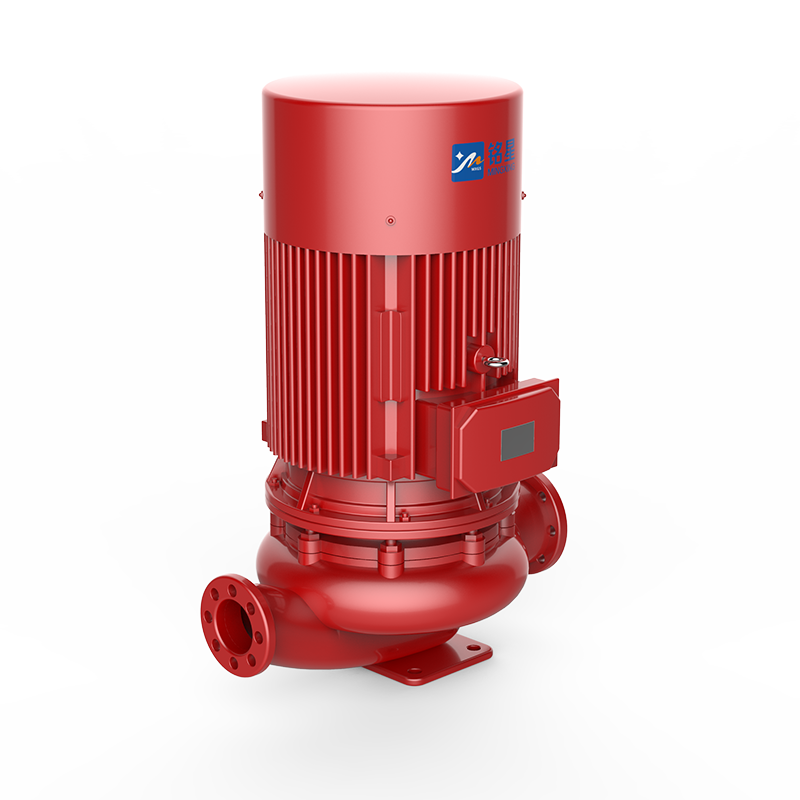
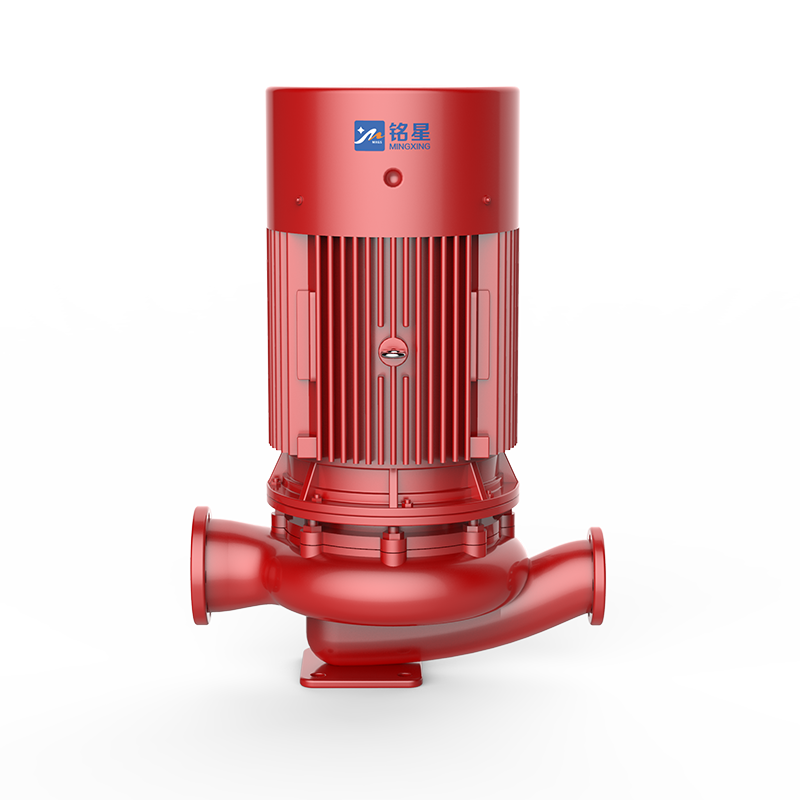
To summarize, the performance requirements of a Fire-Fighting Pump differ significantly between residential and commercial applications due to variations in regulatory rigor, design complexity, hydraulic demand, and technology integration. Jiangsu Mingxing Water Supply Equipment Co., Ltd. has developed comprehensive solutions and research-backed intelligent fire pump systems that address these varied application challenges, ensuring compliant and high-performance firefighting water supply equipment across residential and commercial sectors.
Source: National Fire Protection Association (NFPA 20 Standard)
Related Products

Contact us
Headquater Address
Room 901, Building 17, Lane 1088, Shen Hong Road, Minhang District, Shanghai
Factory Address
No. 1, Mingxing North Road, Tech Innovation Park, Jianhu County, Yancheng, Jiangsu, P. R. China
Amy@mxwatersupply.com
Amy@mxwatersupply.com
Telephone(Whatsapp/Wechat)
+86-18051685983
QR CODE

 English
 Français