Jul 07, 2026
Content
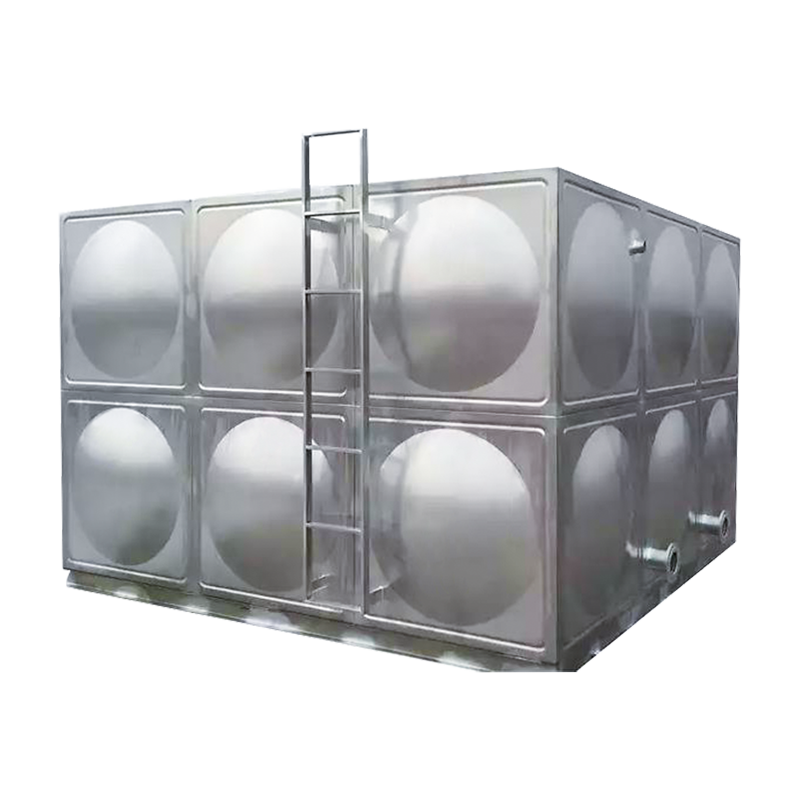
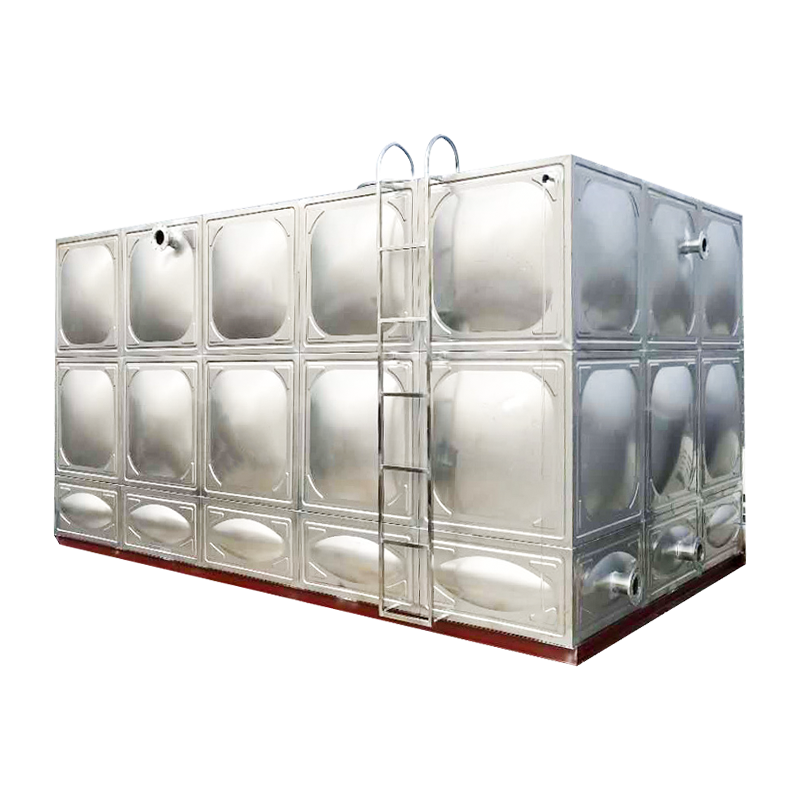
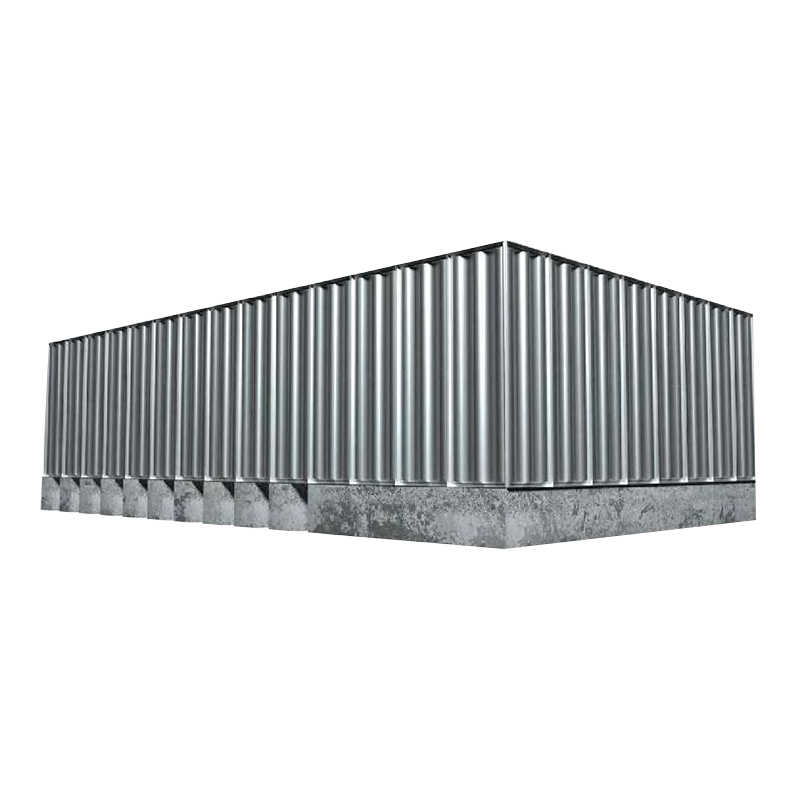
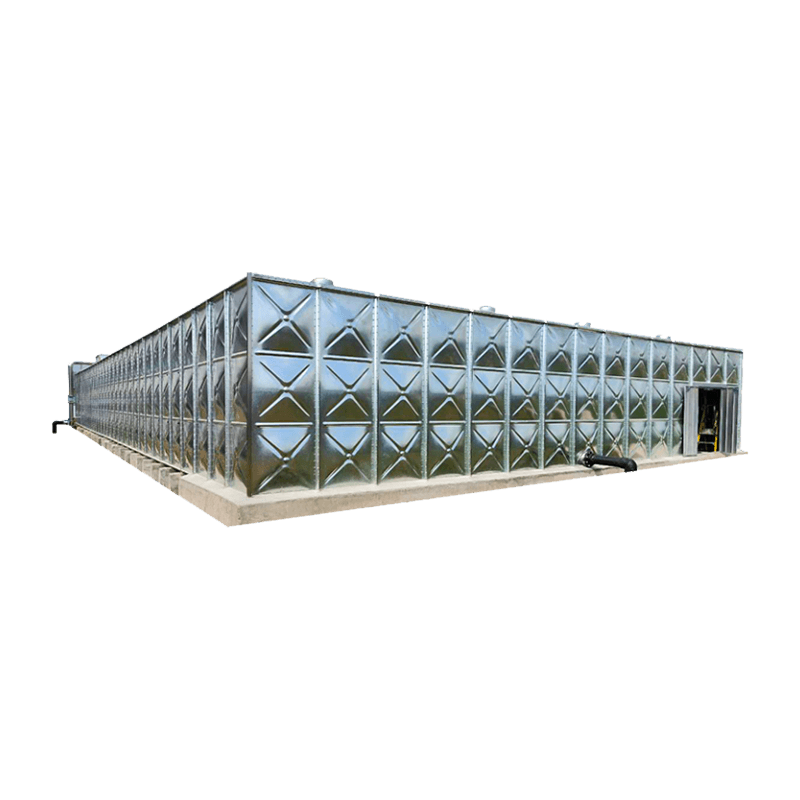
A sectional water tank is a modular storage system assembled on site from individual factory-fabricated panels, typically made of galvanized steel, stainless steel, glass-fused-to-steel, or fiberglass-reinforced polyester (FRP). Unlike one-piece polyethylene or welded tanks, sectional designs can be transported through narrow doorways or rooftops and built to capacities exceeding 2 million gallons. The panels are bolted and sealed with food-grade gaskets, allowing the tank to be configured into a wide range of rectangular or square footprints to fit exactly into the available space. This makes them the standard choice for hospitals, data centers, municipal water systems, and agricultural operations where a custom-sized reservoir is needed without the freight restrictions of a pre-molded shell.
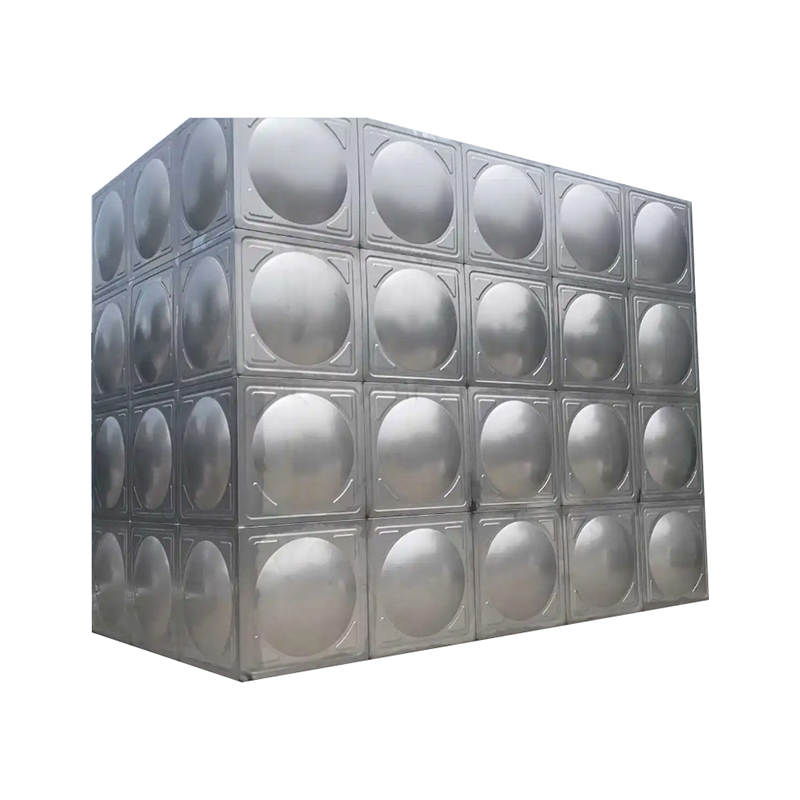
The realistic service life of a 5,000-gallon sectional water tank extends to 30–50 years, but this number is entirely conditional on two variables: the panel material and the consistency of maintenance. Galvanized steel sections with an internal protective liner typically deliver 25–35 years before significant corrosion appears at bolted seams, while glass-fused-to-steel panels resist corrosion so effectively that manufacturers routinely back them with 30-year warranties and field inspections often confirm a usable life beyond 50 years. A 2023 water infrastructure condition assessment conducted in the UK found that 92% of glass-fused sectional tanks installed before 1990 were still in service with no structural repairs required.
The tank’s base and foundation are equally critical. A 5,000-gallon tank filled with water weighs over 41,000 pounds. If the concrete plinth is poorly leveled or drainage is inadequate, differential settlement can twist the panels and create stress fractures within a decade, regardless of material quality. Annual inspections of gasket integrity, bolt torque, and cathodic protection systems (where applicable) keep the expected lifespan at the high end of the range.
The shelf life of water inside a tank depends almost entirely on the quality of the water at the inlet and the conditions inside the tank. If the water is treated, disinfected, and maintained in a light-proof, sealed tank at a stable temperature below 20°C (68°F), it can remain chemically and microbiologically safe for 6 to 12 months. The U.S. Federal Emergency Management Agency (FEMA) and the Centers for Disease Control and Prevention (CDC) both recommend replacing stored emergency water every six months unless a specific long-term preservative treatment has been applied. Once the tank is opened, or if the water is untreated from a well or surface source, bacterial regrowth — particularly of Pseudomonas and coliforms — can occur within 48 to 72 hours in warm conditions.
The following table summarizes safe storage windows under different scenarios, based on guidelines from the World Health Organization and ANSI/AWWA standards for stored potable water.
| Water Source & Treatment | Tank Condition | Safe Shelf Life |
|---|---|---|
| Municipal (chlorinated), no additional treatment | Sealed, dark, <20°C | 6 months |
| Municipal, plus 5 ppm chlorine shock treatment | Sealed, dark, <20°C | 12 months |
| Untreated well water | Sealed, dark, ambient temp. | 2–4 weeks (requires testing) |
| Any water in an opened/vented tank | Exposed to air, variable temp. | 48–72 hours before retreatment |
Beyond biological safety, water that sits motionless for months tends to take on a stale taste due to dissolved oxygen depletion and a gradual rise in pH from contact with the tank walls. This is a palatability issue, not a health hazard in itself, but it often drives the decision to install a recirculation loop or specify a liner material that minimizes leaching.
The delivered cost of a 1,000-gallon sectional water tank spans a wide band — roughly $1,200 to $4,500 for the tank kit alone, with professional installation adding $800 to $2,000 depending on site preparation. The main cost driver is the panel material. A 1,000-gallon polyethylene one-piece tank is not a sectional tank by nature and can be found for $800–$1,200, but for a true bolted sectional system, the premium comes from the modularity and longevity.
Freight often represents a hidden 10–18% surcharge because the panels ship on pallets, and remote site deliveries escalate quickly. A 2024 market survey of North American tank distributors placed the average total project cost for a functional 1,000-gallon sectional tank system — inclusive of a concrete pad, pump connection kit, and commissioning — at $4,200. When compared to the 30-to-50-year lifespan, the annualized cost sits well below most alternative storage methods.
Related Products

Contact us
Headquater Address
Room 901, Building 17, Lane 1088, Shen Hong Road, Minhang District, Shanghai
Factory Address
No. 1, Mingxing North Road, Tech Innovation Park, Jianhu County, Yancheng, Jiangsu, P. R. China
Amy@mxwatersupply.com
Amy@mxwatersupply.com
Telephone(Whatsapp/Wechat)
+86-18051685983
QR CODE

 English
 Français