Jun 11, 2026
Content
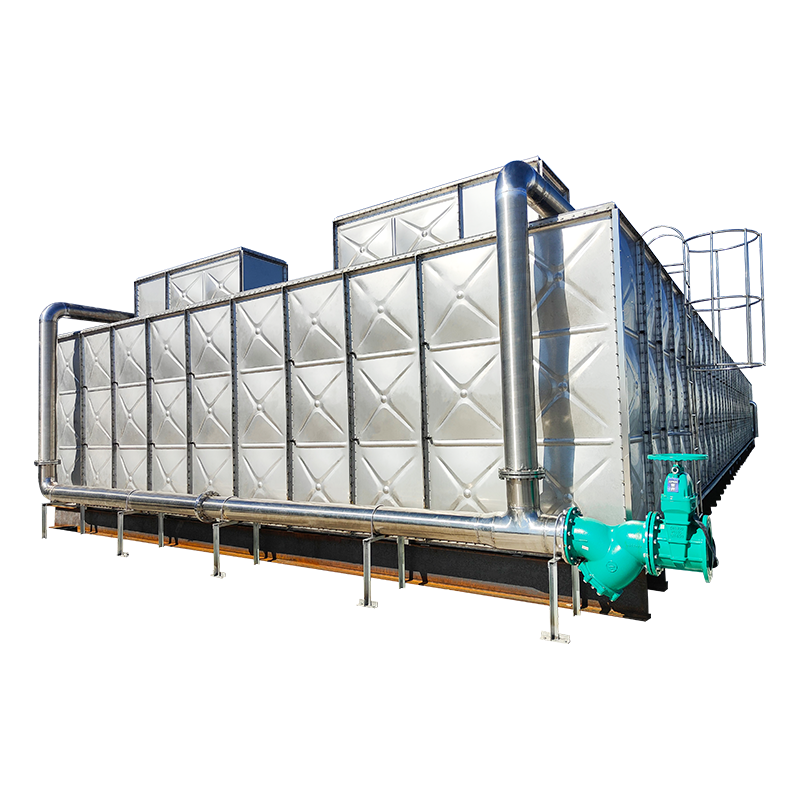
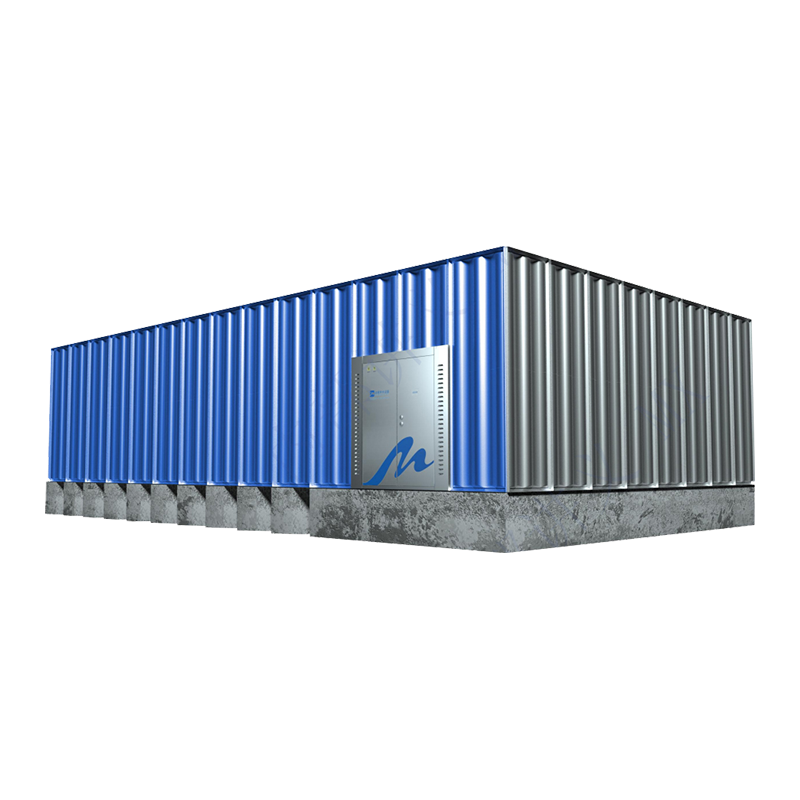
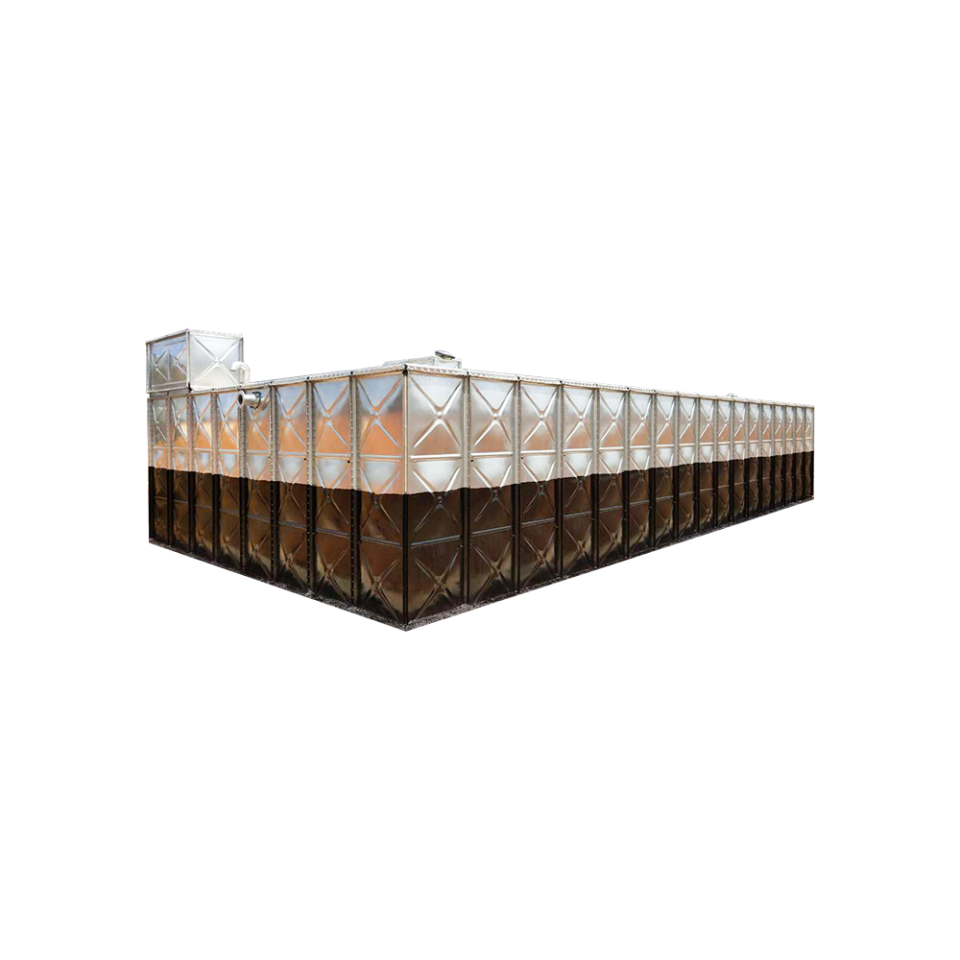
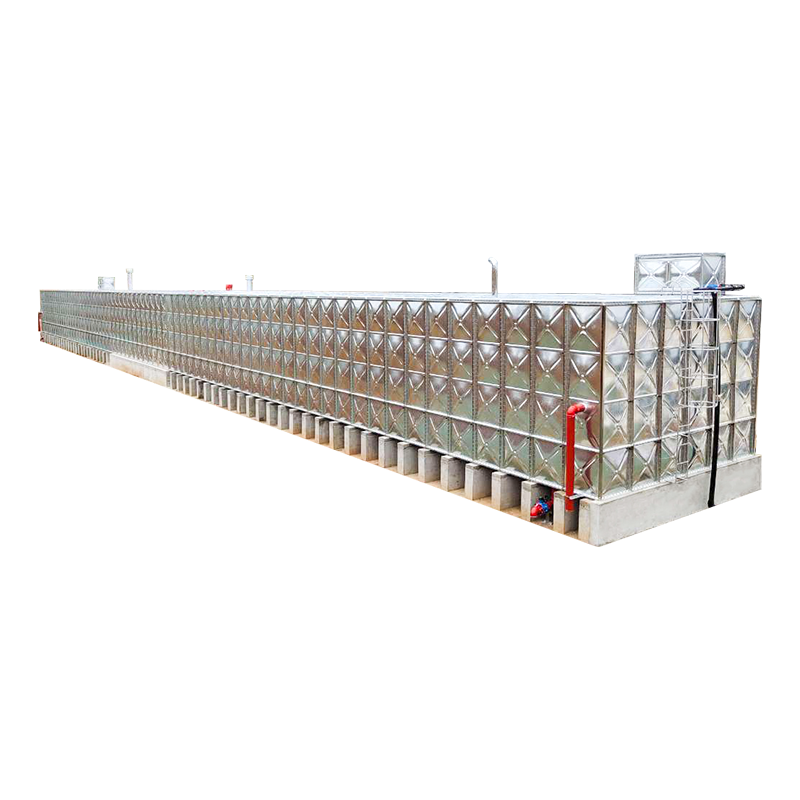
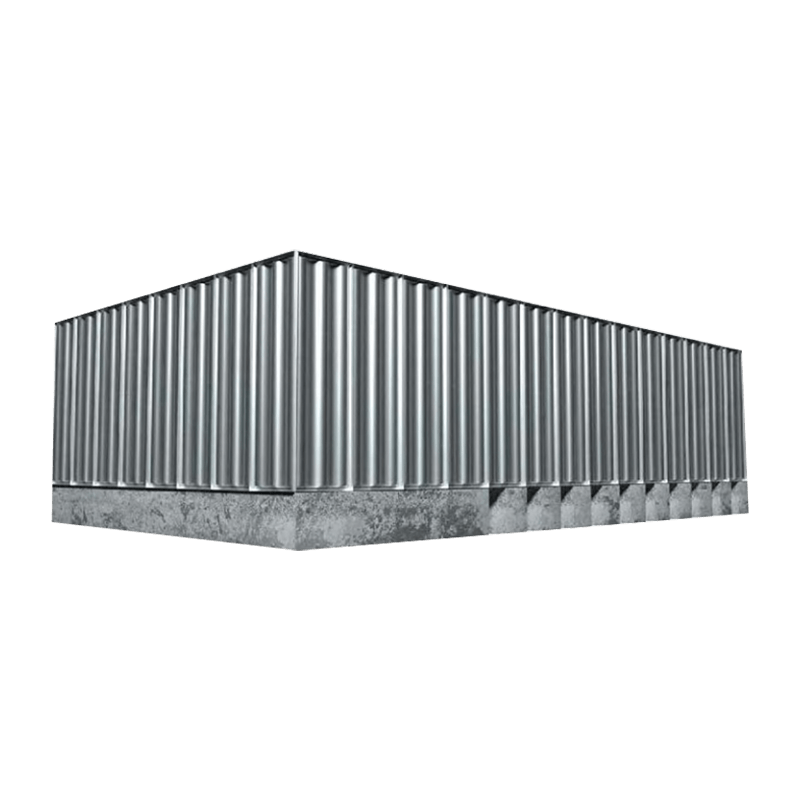
A sectional water tank is a modular storage vessel assembled on-site from pre-manufactured panels, rather than delivered as a single formed unit. Each panel — typically made from glass-reinforced plastic (GRP) or stainless steel — is bolted together at the installation location using sealed flanged joints, with internal tie rods providing structural integrity against hydrostatic load. The assembled tank functions identically to a monolithic vessel but can be transported in flat-pack form and erected in spaces that a one-piece tank could never physically reach.
This construction method makes sectional tanks the dominant choice for rooftop plant rooms, basement plantrooms with restricted access, and any facility where a finished tank must fit through a standard doorway or hatchway during installation. Capacities range from under 1,000 liters for residential applications up to several million liters for industrial and municipal installations, with any intermediate volume achievable by adjusting the panel grid.
The panel-based design also allows future capacity expansion: additional panel rows can be added to an existing installation without replacing the tank entirely, making sectional tanks particularly well-suited to facilities with evolving water demand.
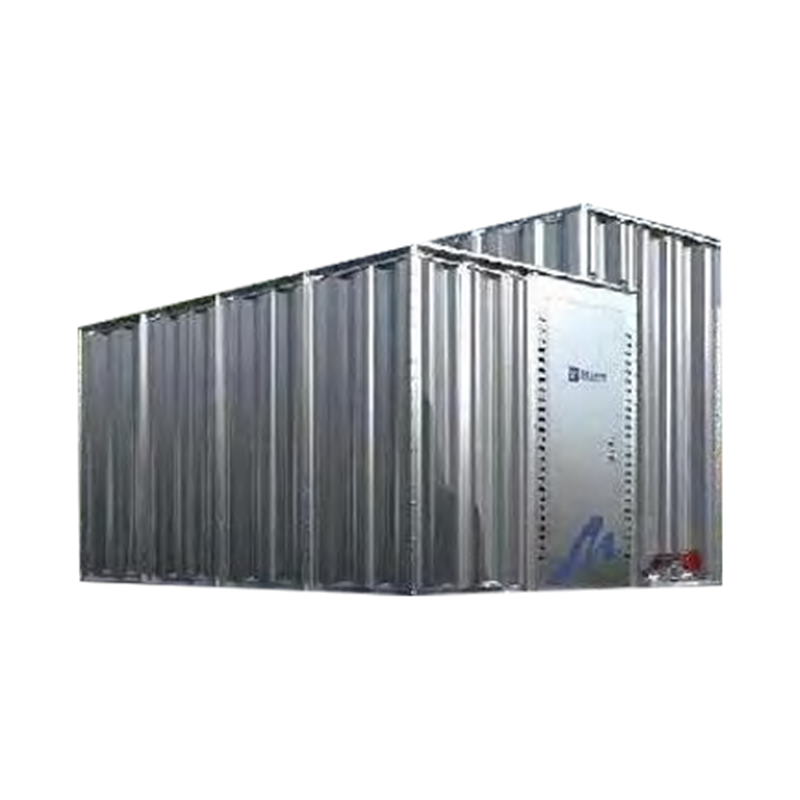
The adoption of sectional water tanks across commercial, industrial, and public infrastructure projects is driven by a set of practical advantages that monolithic alternatives cannot replicate:
The choice between sectional and traditional (monolithic) water tanks depends primarily on the installation context, required capacity, and long-term operational needs. Neither format is universally superior — each has clearly defined advantages in the right scenario.
| Factor | Sectional Tank | Traditional Monolithic Tank |
|---|---|---|
| Installation access | Any space with panel-sized access | Requires crane or large opening |
| Maximum capacity | Effectively unlimited (panel addition) | Fixed at manufacture |
| Footprint flexibility | Fully customizable rectangular layout | Fixed cylinder or standard shape |
| Future expansion | Add panels to existing tank | Replace entire vessel |
| Panel replacement | Individual panels replaceable | Full tank replacement only |
| Number of joint seals | Multiple (requires periodic inspection) | Zero (seamless construction) |
| Typical application | Plant rooms, rooftops, basements, industrial sites | Open-site installations, below-ground tanks |
For open external sites with unrestricted crane access and no future capacity uncertainty, monolithic tanks offer a simpler installation with no joint maintenance requirement. For any application involving restricted access, large volumes, or evolving demand, sectional construction is the more practical and cost-effective choice over the full asset lifecycle.
Sectional water tank installation follows a defined sequence that differs substantially from monolithic tank placement. Understanding the process helps facilities managers plan accurately for lead times, access requirements, and commissioning periods.
The tank base must be level, structurally rated for the full water load (1 kg per liter), and constructed from a non-reactive material — typically a reinforced concrete plinth or a purpose-built steel frame. The base must also allow for a drainage channel around the perimeter for leak detection and cleaning access. Inadequate base construction is the leading cause of sectional tank failure, as uneven support creates differential stress across the panel joints.
Before delivery, the installation contractor surveys the access route from the building entrance to the plant room. Standard GRP panels measure 1,000 × 1,000 mm or 500 × 500 mm in the smaller modular format, allowing passage through any standard 900 mm doorway. Stairwell clearances, lift dimensions, and any horizontal turning radii are confirmed at this stage.
Assembly begins with the base panels, which are bolted to the plinth framework. Wall panels are erected sequentially and joined with food-grade EPDM or NBR rubber gaskets compressed by stainless steel bolts at regular intervals along each flange. Internal tie rods are installed as each wall course is completed, preventing panel deflection under hydrostatic pressure. The roof panels and fittings (inlet, outlet, overflow, access manway) are installed last.
On completion, the tank is filled to capacity and all joints inspected for seepage under full hydrostatic load. A water quality test confirms no contamination from assembly materials before the tank is placed into service. Total installation time for a standard compartmented tank in the 50,000–100,000 liter range is typically two to five days with a two-person installation team.
Sectional water tanks require less reactive maintenance than many facility managers expect, but they do have specific inspection requirements tied to their jointed construction. A documented maintenance programme keeps tanks compliant with water hygiene regulations and extends service life significantly.
Annual inspection requirements for potable water sectional tanks typically include:
Compartmentalized tank designs provide a significant maintenance advantage: one compartment can be isolated, drained, and cleaned while the second remains in service, eliminating the service interruption that single-vessel maintenance requires. For healthcare, food processing, and other critical applications where water supply continuity is non-negotiable, this feature alone justifies the compartmentalized specification.
Glass-reinforced plastic (GRP) is the most widely specified material for sectional water tanks globally, and for good reason. GRP panels combine a low density — typically 1,600–1,900 kg/m³, roughly a quarter the weight of steel — with high tensile strength, zero corrosion susceptibility, and excellent thermal insulation properties that help maintain water temperatures within the ranges required by water hygiene regulations.
GRP sectional tank panels are manufactured by compression moulding or SMC (sheet moulding compound) processes, which produce a consistent panel geometry with a smooth internal surface that resists biofilm adhesion. The resin system used in food-contact GRP panels is formulated to comply with BS EN 13280 and equivalent standards, confirming no leaching of styrene or other monomers into stored water above regulatory limits.
The primary limitation of GRP is UV degradation over extended outdoor exposure, which causes surface chalking and gradual reduction in panel impact resistance. For outdoor above-ground installations, UV-stabilized resin formulations or panel shading structures are specified. In indoor plant room environments — the most common deployment scenario — UV is not a factor and GRP panels consistently achieve their rated 25–30 year service life.
Stainless steel sectional tanks occupy the premium tier of the market, specified for applications where maximum hygiene, structural robustness, or extreme longevity is required. The most common grades used are 304 (1.4301) for standard potable water applications and 316L (1.4404) for high-chloride environments, coastal installations, or process water containing aggressive chemical constituents.
The key advantages of stainless steel over GRP in a sectional tank application are:
The trade-off is cost: stainless steel sectional tanks carry a per-liter installed cost roughly two to three times that of equivalent GRP construction. For most cold potable water applications, GRP delivers equivalent performance at lower cost. For pharmaceutical, food processing, high-temperature, or highly corrosive environments, the stainless premium is routinely justified by lifecycle economics.
Rainwater harvesting tanks — including sectional configurations adapted for large-volume collection — are a core component of industrial water management strategies aimed at reducing mains water dependency and operating costs. For manufacturing facilities, logistics centres, and commercial buildings with large roof catchment areas, a well-designed rainwater harvesting system can offset 30–50% of total non-potable water demand, covering toilet flushing, irrigation, vehicle washing, and some process cooling applications.
Industrial rainwater collection systems at scale typically combine:
GRP sectional tanks are the dominant storage format for industrial rainwater collection due to their corrosion resistance (harvested rainwater has variable pH and conductivity), scalability, and competitive cost per cubic meter of capacity at large volumes.
Fire water storage tanks are a statutory requirement on many industrial, commercial, and high-rise residential sites where the mains supply cannot guarantee the flow rate and duration required by site fire risk assessments. Sectional tanks are widely used for this purpose because their capacity is fully configurable to the specific site fire demand calculation — typically expressed in liters per minute over a defined duration (e.g., 2,000 L/min for 60 minutes = 120,000 liters minimum storage).
Fire water storage tanks must meet specific standards beyond those applied to general water storage. Key requirements include:
Emergency water storage tanks — used for disaster preparedness, process continuity during supply interruption, and critical infrastructure backup — share many of the same specification principles as fire water tanks, with the addition of longer storage duration requirements (days to weeks rather than hours) and often more stringent water quality maintenance requirements if the stored volume is intended for potable use.
Manufacturing plants place uniquely demanding requirements on water storage infrastructure. Unlike commercial buildings, which primarily need cold potable water and fire reserve, industrial facilities often require multiple separate storage systems handling different water qualities, temperatures, and regulatory classifications simultaneously.
Common water storage requirements in manufacturing environments include:
The sectional format is particularly well-suited to retrofitting water storage into existing manufacturing facilities, where available plant room space is constrained by machinery, structural columns, and existing services. A bespoke sectional tank can be designed to fit precisely within an irregular footprint that no standard vessel could occupy.
Water storage infrastructure has become a direct lever for corporate ESG performance, particularly as environmental frameworks increasingly require measurable water stewardship data alongside carbon metrics. Well-designed industrial water management — anchored by appropriately specified storage — contributes to ESG objectives across all three dimensions.
Rainwater harvesting tanks directly reduce abstraction from mains water supply networks, lowering the energy demand of water treatment and distribution that feeds into a facility's Scope 3 emissions. In water-stressed regions, this reduction carries formal recognition under frameworks such as the CDP Water Security questionnaire and the UN CEO Water Mandate. Facilities with documented water recycling and reuse systems — supported by metered storage data — can report against GRI 303 (Water and Effluents) with quantified reduction figures rather than directional claims.
Emergency water storage systems ensure operational continuity during supply disruptions, protecting both the facility's workforce and the surrounding community in scenarios where a manufacturing site forms part of critical local infrastructure. Fire water storage adequacy directly underpins the safety record that features in social pillar ESG assessments and insurance underwriting.
Documented water storage maintenance programmes, compliance with water hygiene regulations (Legionella risk assessments, WRAS-compliant materials), and accurate water balance reporting demonstrate the governance discipline that institutional investors and ESG rating agencies assess when evaluating environmental risk management maturity. Facilities that can demonstrate a closed-loop water management system — from rainwater collection through storage, use, treatment, and discharge — present a significantly stronger ESG profile than those relying entirely on mains supply without documented stewardship.
Sustainable water management through sectional storage investment is increasingly seen not as a capital cost but as a risk mitigation and reporting asset — one that protects against tightening water pricing, regulatory change, and the growing materiality of water risk in ESG-linked financing conditions.
Related Products

Contact us
Headquater Address
Room 901, Building 17, Lane 1088, Shen Hong Road, Minhang District, Shanghai
Factory Address
No. 1, Mingxing North Road, Tech Innovation Park, Jianhu County, Yancheng, Jiangsu, P. R. China
Amy@mxwatersupply.com
Amy@mxwatersupply.com
Telephone(Whatsapp/Wechat)
+86-18051685983
QR CODE

 English
 Français