Jun 12, 2026
Content
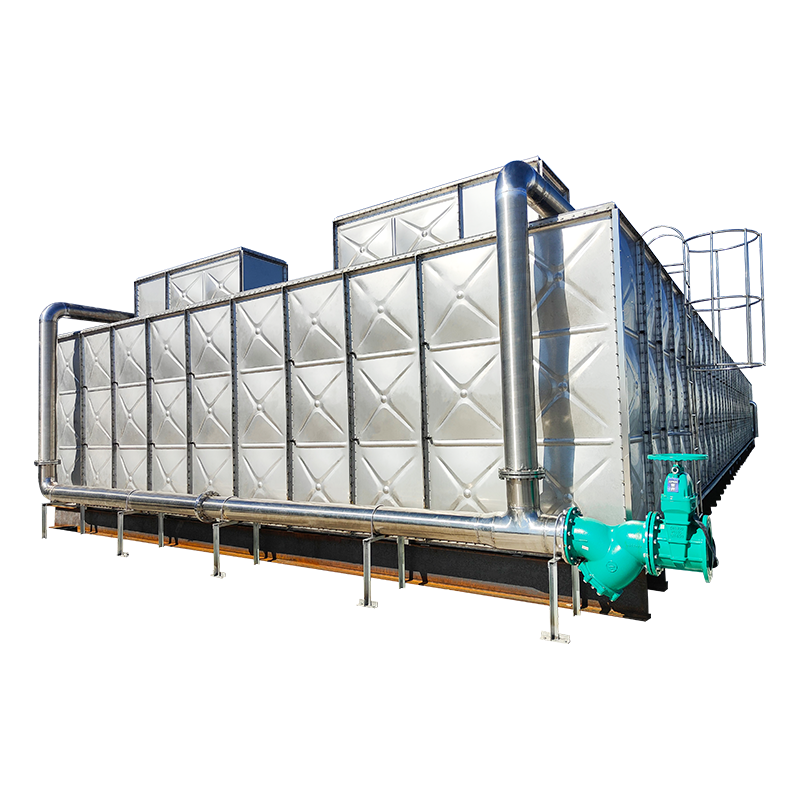
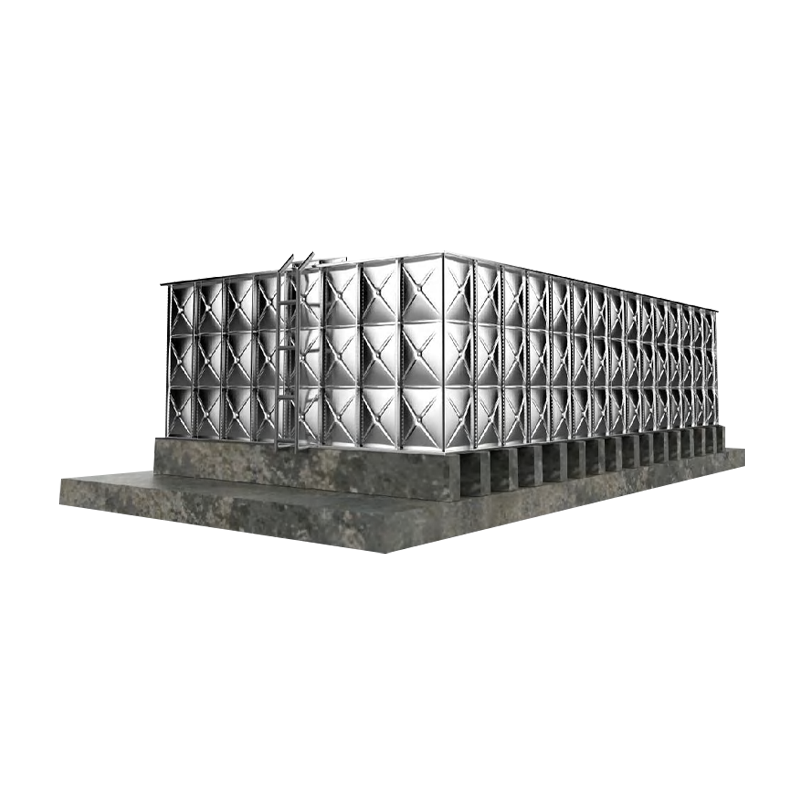
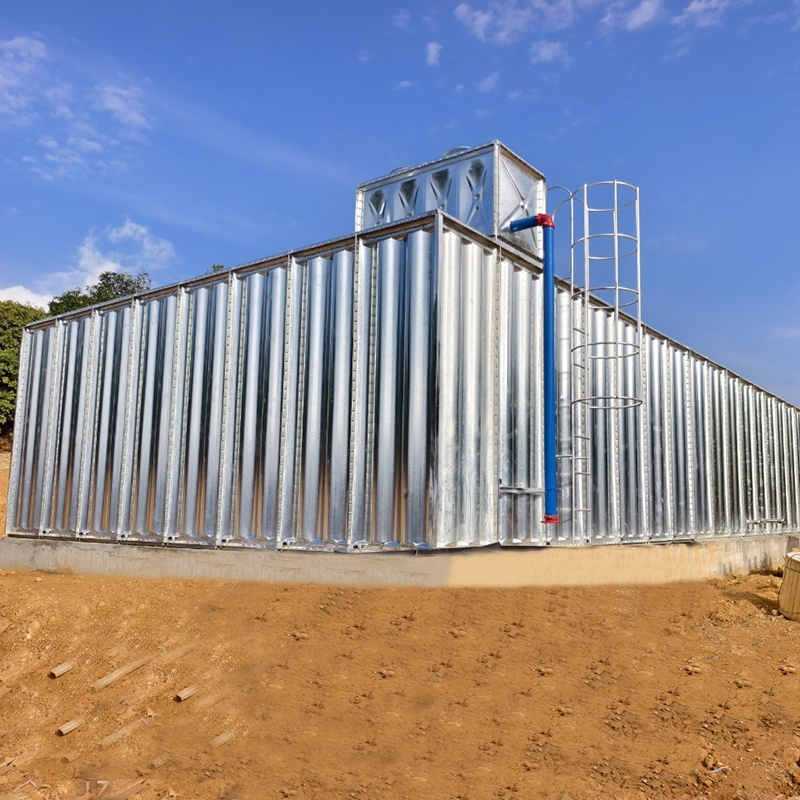
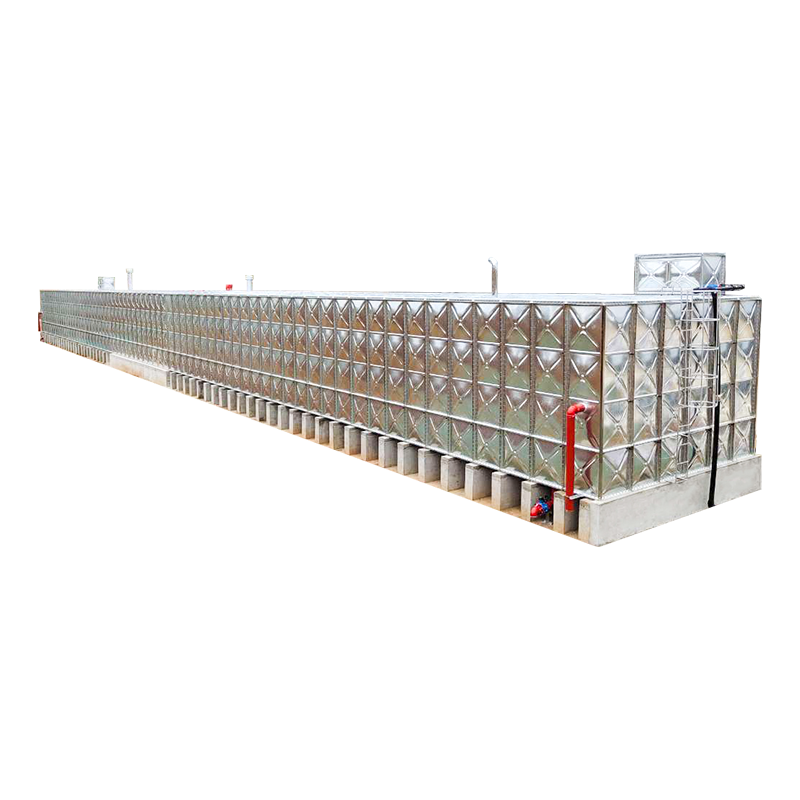
A sectional water tank is a storage vessel assembled on-site from factory-manufactured panels, rather than delivered as a single pre-formed unit. Each panel is produced to precise dimensions, transported flat, and bolted or clamped together at the installation location to form a watertight tank of the required volume and footprint. The modular approach is what defines this category: the tank is built up in sections, which is where the name originates.
This construction method solves a fundamental logistics problem. A monolithic tank holding 50,000 liters cannot fit through a standard doorway, be carried up a stairwell, or be installed in a basement plant room without major structural intervention. Sectional water tanks can. Because the panels arrive flat and are assembled in place, the tank can be built in almost any accessible space — rooftops, basements, confined equipment rooms, and sites with restricted vehicle access — without requiring cranes or structural demolition.
The two dominant materials for sectional tank panels are glass-reinforced plastic (GRP) and stainless steel, each with distinct performance profiles. A smaller proportion of the market uses galvanized steel, polyethylene, or coated mild steel, though these are less common in commercial and industrial specifications today.
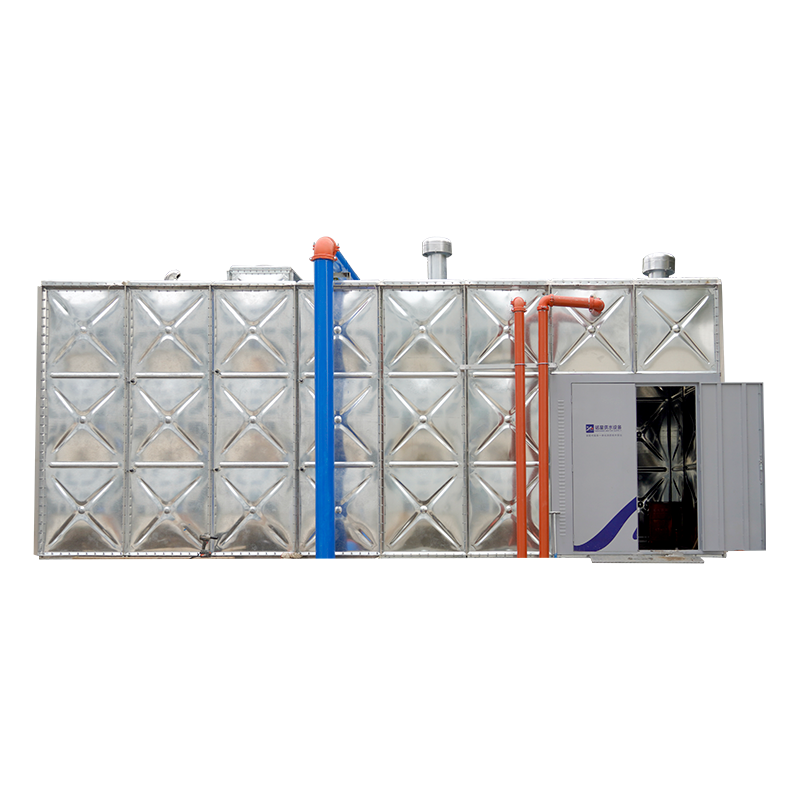
The advantages of sectional water tanks over monolithic alternatives are most pronounced in three areas: installation flexibility, scalability, and long-term serviceability.
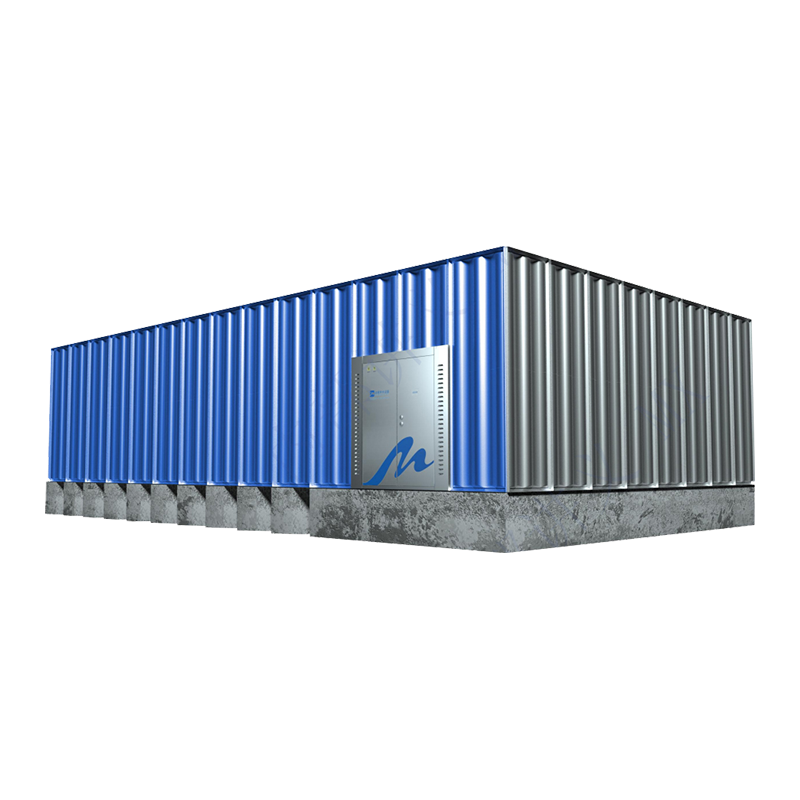
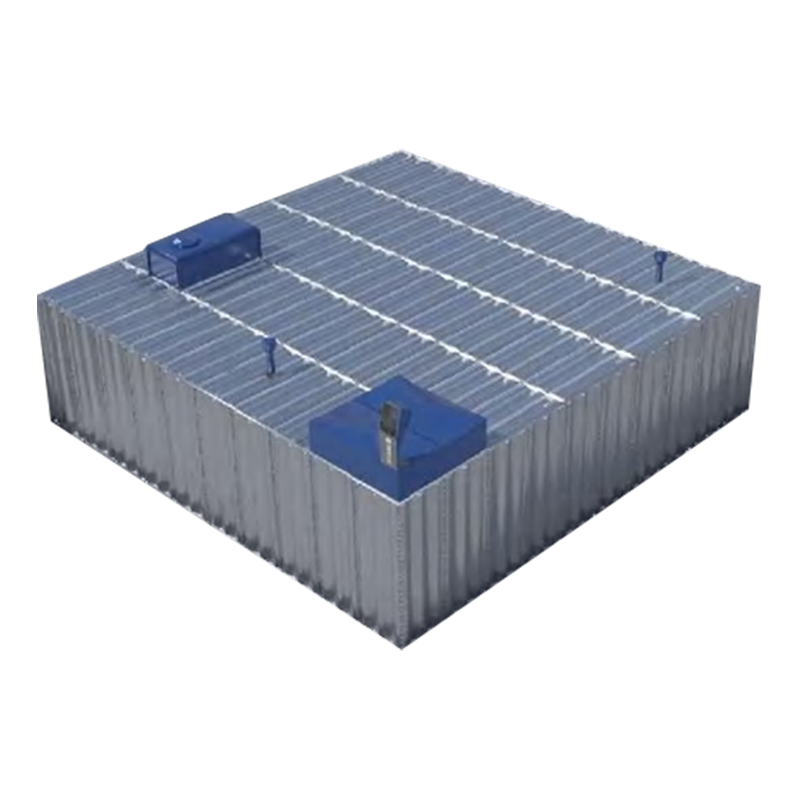
A GRP sectional water tank uses panels manufactured from glass-reinforced plastic — also called fiberglass or GFRP — produced by compression-molding a composite of woven glass fiber and thermosetting resin (typically isophthalic polyester or food-grade vinyl ester). The result is a panel that is simultaneously rigid, lightweight, chemically inert, and non-corroding.
GRP panels are typically ribbed or corrugated on the exterior face to increase structural stiffness without adding material weight. The interior surface is smooth and non-porous, resisting biofilm adhesion and making cleaning straightforward. Standard panel thickness ranges from 5 mm to over 12 mm depending on the tank depth and hydrostatic load.
Key characteristics of GRP sectional tanks:
The choice between GRP and stainless steel sectional panels is one of the most common specification decisions in water storage projects. Neither material is universally superior — the right choice depends on the application, environment, budget, and local regulatory requirements.
| Factor | GRP Sectional Tank | Stainless Steel Sectional Tank |
|---|---|---|
| Corrosion resistance | Excellent — inherently non-corroding | Excellent — grade 304 or 316 SS standard |
| Thermal insulation | Good — low thermal conductivity | Poor — high thermal conductivity; requires external insulation in temperature-sensitive applications |
| Structural strength | Good — requires internal tie rods at larger sizes | Superior — handles higher hydrostatic pressures; better for very tall or large-capacity tanks |
| Weight | Lighter — easier to handle and install manually | Heavier — may require mechanical handling |
| Cost | Lower upfront material and installation cost | Higher upfront cost; lower lifetime maintenance in aggressive environments |
| Repairability | Individual panels replaceable; GRP patch repair possible | Individual panels replaceable; weld repair possible on stainless |
| Coastal / marine environments | Preferred — no risk of chloride-induced corrosion | Grade 316 required; additional protection may be needed |
GRP is generally preferred for potable water storage in commercial buildings, rooftop installations, and coastal environments. Stainless steel is typically specified for high-temperature process water, fire suppression systems where structural integrity under seismic or impact loading is paramount, or where client or regulatory preference mandates it.
Concrete tanks dominated large-scale water storage for most of the 20th century, and reinforced concrete reservoirs remain common in municipal infrastructure. However, for building-level and commercial-scale applications, the comparison between a sectional water tank and a concrete water tank increasingly favors the sectional approach.
Concrete tanks require specialist civil construction, formwork, rebar placement, pouring, and a curing period of at least 28 days before water can be introduced. They must be lined with a food-grade coating or membrane for potable water use, as unlined concrete leaches lime and supports biofilm growth. Cracks and liner failures are the most common maintenance problems in aging concrete tanks, and repairs require draining the tank, surface preparation, and re-lining — a costly and time-consuming process.
Sectional tanks, by contrast, arrive as finished panels with known water-contact surface properties, are assembled in days rather than weeks, and do not require curing or lining. For volumes below approximately 1,000 m³, sectional tanks almost always offer a lower total installed cost and faster commissioning timeline than a comparable concrete structure. Above that volume, purpose-built concrete or welded steel reservoirs may become cost-competitive again depending on site conditions.
The concrete tank retains advantages in permanence, load-bearing integration with building structure, and resistance to physical impact — factors that matter most in large underground cisterns and municipal reservoir applications rather than building plant room installations.
The term modular water tank is often used interchangeably with sectional water tank, though some manufacturers use "modular" specifically to describe systems with a higher degree of standardization — where all panels are identical and the tank geometry is determined entirely by the arrangement and count of those panels, rather than custom-manufactured to a specific size.
Traditional water tanks — whether polyethylene roto-molded cylinders, pressed steel tanks, or fiberglass one-piece vessels — are manufactured off-site as complete units and delivered ready to connect. This approach is fast and low-risk for small capacities (under roughly 5,000 liters), but becomes impractical above that size due to transport and access constraints. The modular or sectional approach takes over wherever the tank volume exceeds what can be practically delivered as a single unit and maneuvered into its final position.
The practical threshold in most projects: for tanks below 5,000 liters in accessible locations, a one-piece tank is simpler and often cheaper. For anything larger, in any constrained access situation, or where future expansion is anticipated, a sectional or modular tank is the preferred solution.
Getting tank capacity right at the design stage avoids both the capital waste of oversizing and the operational disruption of undersizing. The calculation approach differs by application type.
A common rule of thumb for cold water storage in commercial buildings is 90–115 liters per person per day for office occupancy, or 45–135 liters per person for other building types depending on use intensity (BS EN 806-3 and local water authority guidance provide more precise figures). The total tank volume should typically provide a minimum of 24 hours of demand storage, to buffer against supply interruptions.
For a 200-person office building consuming 100 liters per person per day, a minimum storage volume of 20,000 liters (20 m³) would be indicated before accounting for header tank reserve, hot water pre-heat feed, and any process or emergency water allowances.
Fire protection water tank sizing is governed by the suppression system design — typically sprinkler system hydraulic calculations or hose reel demand figures specified by the fire engineer. NFPA 22 (US) and BS EN 12845 (Europe) provide the reference standards. A wet riser system for a mid-rise commercial building may require 45,000–100,000 liters of dedicated fire reserve, held separately from the domestic cold water supply to ensure it is never depleted by normal consumption.
Once the required volume is established, the tank footprint and height are determined by the available plant room space, the structural floor loading capacity, and the minimum freeboard required above the maximum water level. Most sectional tank manufacturers offer online configurators that take length × width × height inputs and return the nearest standard panel configuration. A 20,000-liter tank in a typical 2.5 m ceiling-height plant room might be configured as 4 m × 4 m × 1.5 m (24 m³ gross volume, allowing for freeboard and sump depth).
Commercial buildings represent the largest single application segment for sectional water tanks. Hotels, hospitals, office towers, shopping centers, universities, and multi-residential developments all require reliable cold water storage that can be installed within existing plant room constraints, inspected regularly, and maintained without disrupting building operations.
In most commercial building applications, sectional tanks serve one or more of the following functions simultaneously:
Specification for commercial applications typically requires WRAS-approved materials and fittings, an insulated lid assembly to maintain water temperature below 20°C (to limit Legionella proliferation), and inlet float valve arrangements that maintain turnover and prevent stagnation in tanks that are partially loaded for extended periods.
Fire protection is one of the most demanding applications for sectional water tanks, and the design requirements differ significantly from standard potable water storage. A sectional water tank for a fire suppression system must deliver a defined flow rate at a defined pressure for the entire design duration of a fire event — typically 30, 60, or 90 minutes depending on the system classification and building risk category.
Key fire-protection-specific design considerations include:
FM Global, NFPA 22, LPC Rules (UK), and EN 12845 all include specific requirements for fire water storage tank construction, materials, access, and testing that must be followed when specifying sectional tanks for life-safety applications.
A filled water tank exerts significant loads on the supporting structure. Water weighs 1,000 kg/m³ (1 tonne per cubic meter), and a 20,000-liter tank at full capacity holds 20 tonnes of water — before accounting for the tank structure's own weight and any dynamic loads from water movement. Getting the foundation right is not optional.
Standard sectional water tank foundation requirements include:
Sectional water tank installation follows a defined sequence that, when followed correctly, produces a watertight, structurally sound vessel within a single working day for most commercial tank sizes. The process overview:
Most manufacturers provide detailed installation manuals and recommend that installation is carried out by trained and certified personnel — some will void warranties on tanks installed without documented installer certification.
A well-maintained sectional water tank will provide reliable service for 25–40 years. Maintenance falls into two categories: routine scheduled inspections and reactive maintenance in response to identified defects or contamination events.
Understanding the failure modes that affect sectional tanks allows facilities managers and engineers to intervene early, before minor issues become costly failures.
Related Products

Contact us
Headquater Address
Room 901, Building 17, Lane 1088, Shen Hong Road, Minhang District, Shanghai
Factory Address
No. 1, Mingxing North Road, Tech Innovation Park, Jianhu County, Yancheng, Jiangsu, P. R. China
Amy@mxwatersupply.com
Amy@mxwatersupply.com
Telephone(Whatsapp/Wechat)
+86-18051685983
QR CODE

 English
 Français