Jun 05, 2026
Content
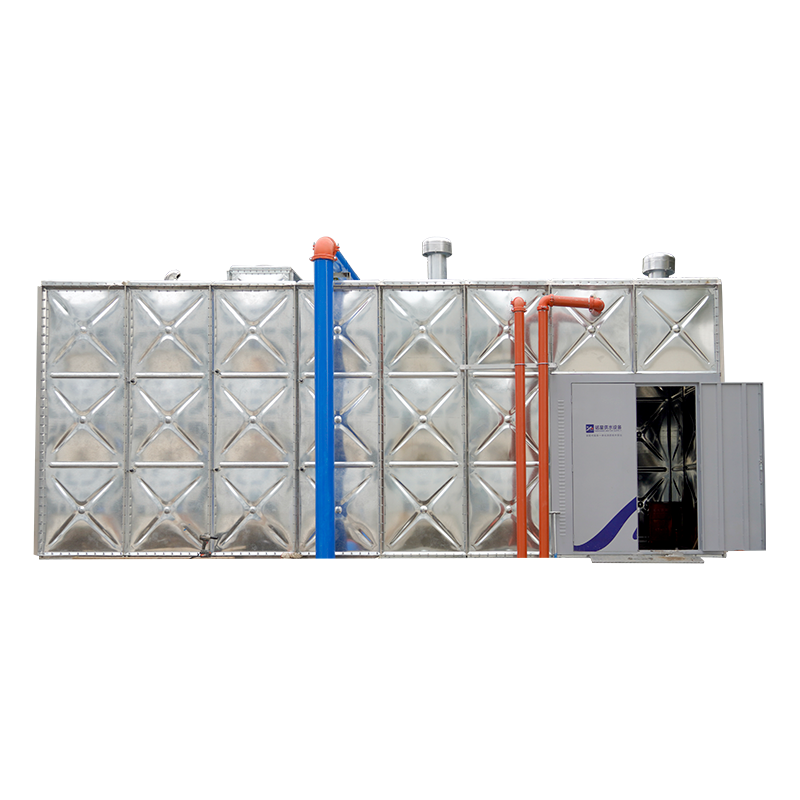
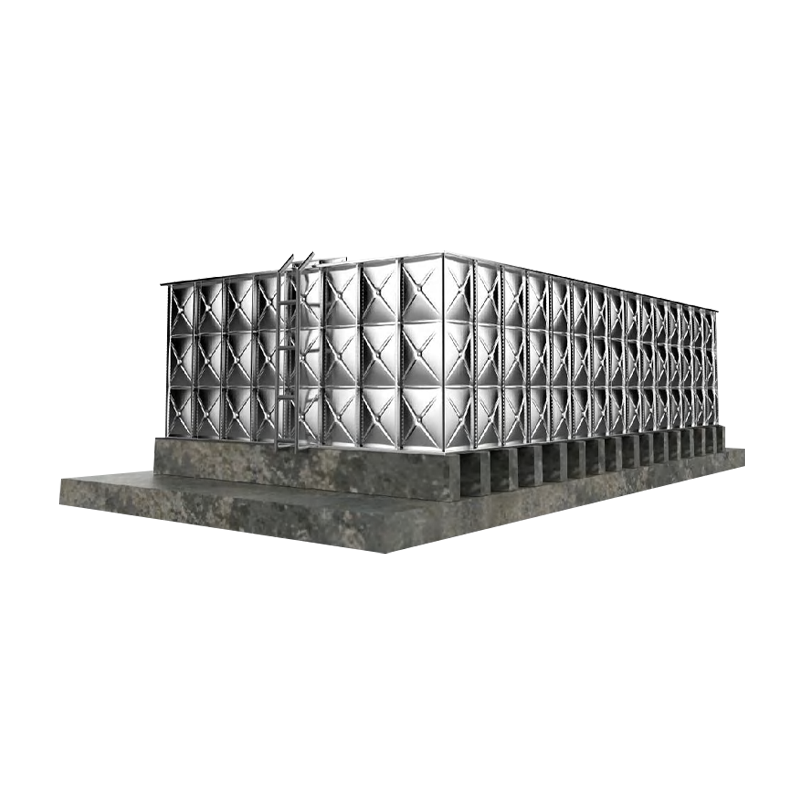
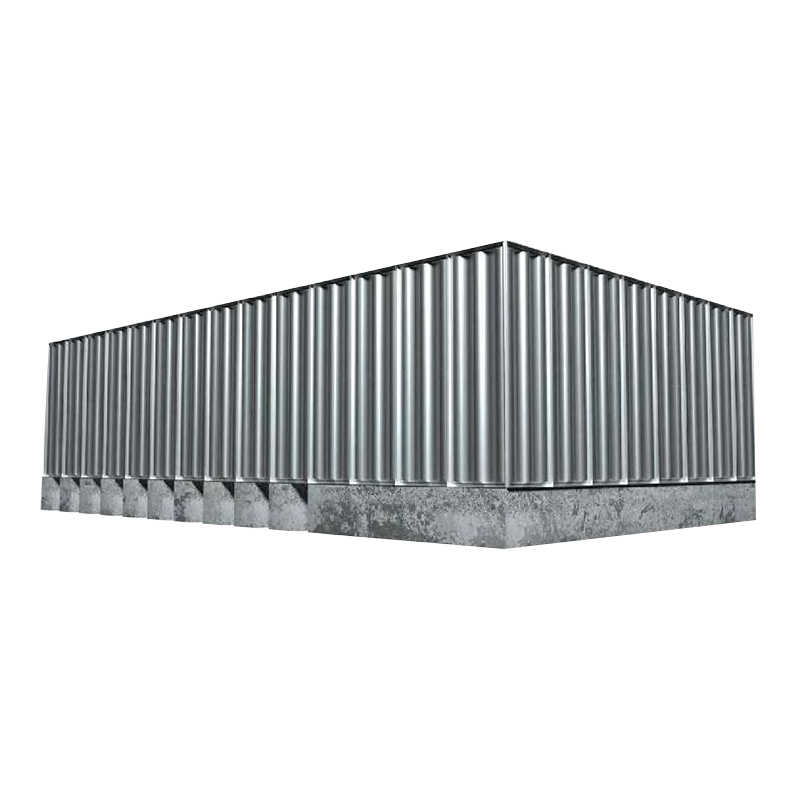
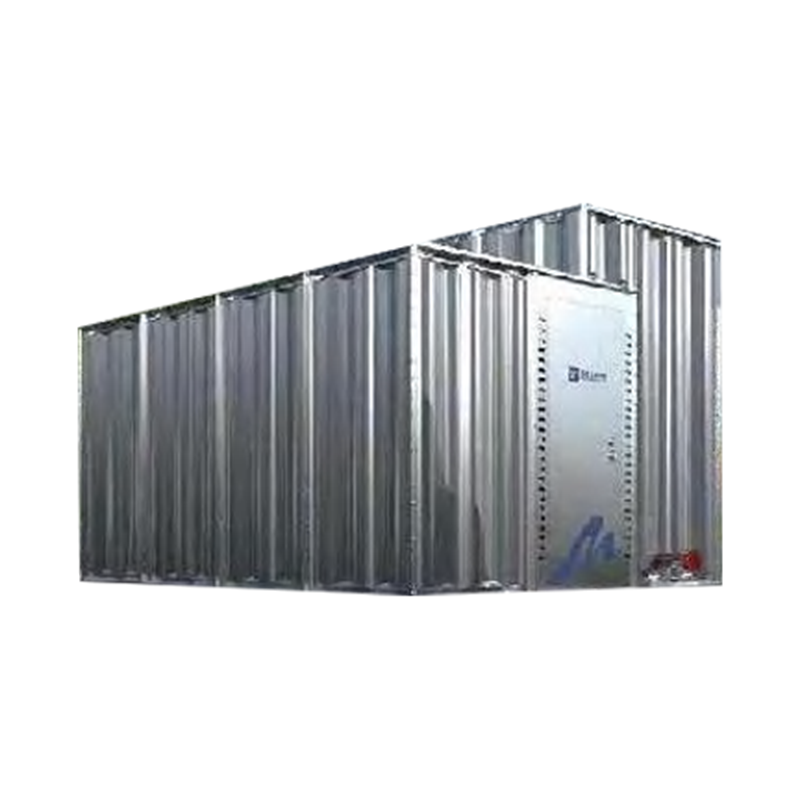
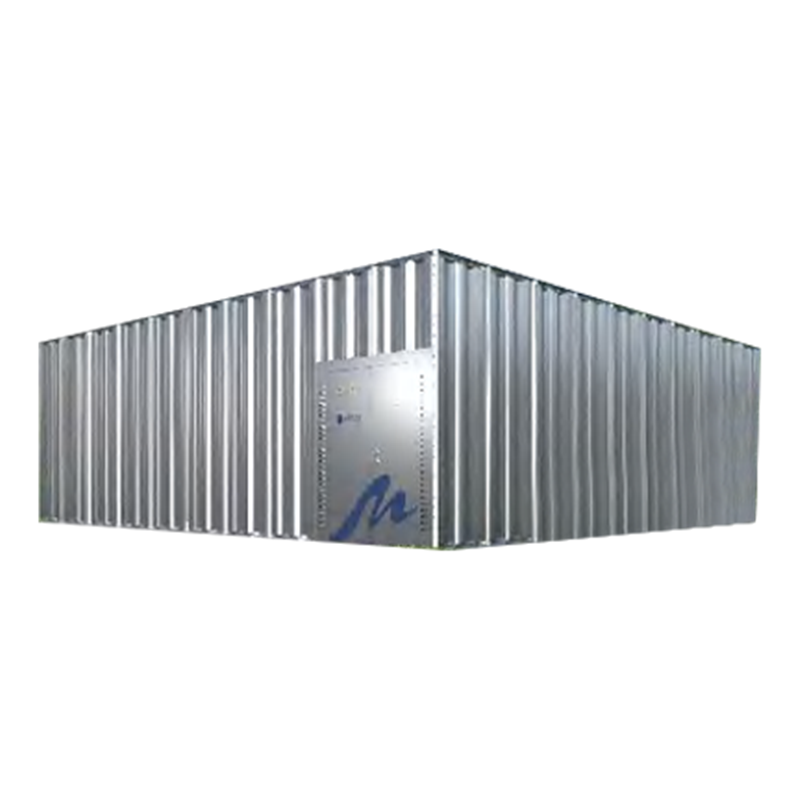
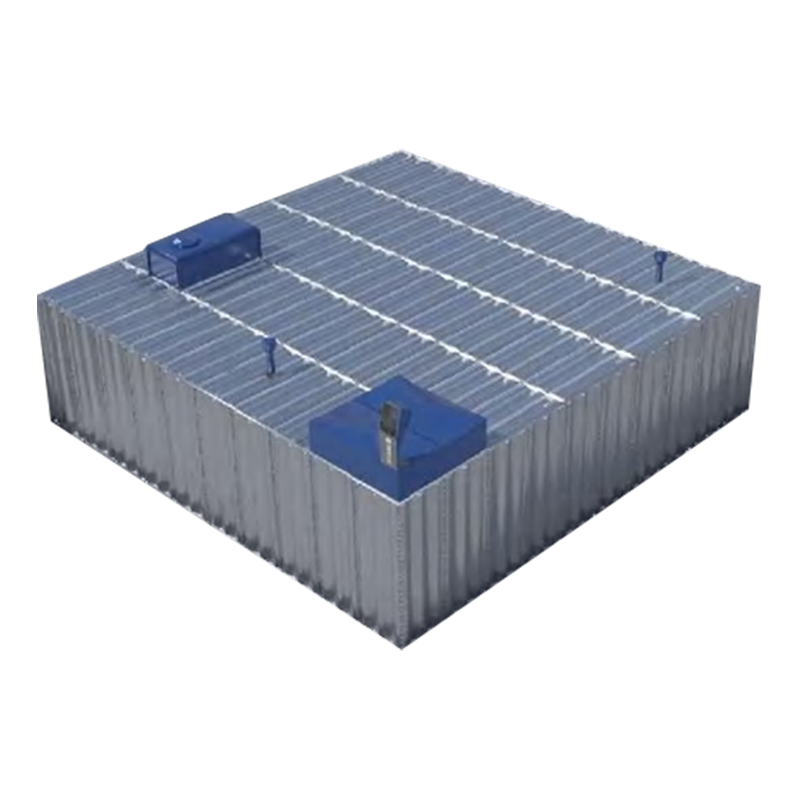
A stainless water tank offers a combination of properties that no other common tank material matches across the full range of water storage requirements. Compared to plastic, concrete, and carbon steel alternatives, stainless steel tanks deliver longer service life, better hygiene performance, and structural integrity in demanding environments — without the maintenance burden of coated or lined alternatives.
The core advantage is corrosion resistance from a passive chromium oxide layer that forms on the steel surface in the presence of oxygen. This self-healing passive layer prevents the steel from rusting even in constant contact with water, does not require paints, liners, or cathodic protection systems to maintain, and reforms if the surface is scratched or damaged. No dissolved iron leaches into the stored water, and no coating degradation introduces contaminants over time — two failure modes that are chronic issues with coated carbon steel and concrete tanks.
Additional properties that make stainless steel the preferred material for potable water and industrial water storage include its resistance to UV degradation (which causes plastic tanks to become brittle and discolor over years of outdoor installation), its ability to withstand seismic loads and wind loading at heights where plastic tanks would require significant external support structures, its non-porous surface that resists biofilm formation and bacterial colonization, and its 30–50 year design life in typical water storage service — two to three times the service life of quality HDPE tanks under the same conditions.
The vast majority of stainless steel water tanks manufactured globally are made from grade 304 stainless steel, and for good reason. 304 (also designated 1.4301 in European EN standards and S30400 in UNS) is an austenitic stainless containing 18–20% chromium and 8–10.5% nickel, with a maximum carbon content of 0.08%. This chemistry delivers the combination of corrosion resistance, weldability, formability, and cost-effectiveness that makes it ideal for tank fabrication.
For potable water storage, 304 stainless meets the requirements of NSF/ANSI Standard 61 (Drinking Water System Components — Health Effects) and equivalent international standards including EN 10088, BS 1449, and GB/T 3280 in China. The chromium-nickel composition does not leach into stored water at the ion levels that would raise health concerns, and the material is approved by drinking water regulatory authorities in the United States, European Union, Australia, and most Asian markets.
The distinction between 304 and 304L matters in welded tank construction. 304L has a reduced carbon content of 0.03% maximum, which prevents carbide precipitation at grain boundaries during welding — a phenomenon called sensitization that can reduce corrosion resistance in the heat-affected zone around welds. For large tanks with extensive welded seams, 304L is the correct specification. For smaller pressed or formed tanks where welding is minimal, standard 304 performs equally well.
Grade 316 stainless adds 2–3% molybdenum to the 304 composition, which significantly improves resistance to chloride-induced pitting and crevice corrosion. For the large majority of clean water storage applications — municipal supply, rainwater harvesting, domestic hot water, food processing — 304 is fully adequate. Grade 316 is warranted when the stored water has elevated chloride content (above approximately 200 ppm), when the tank is installed in a marine or coastal environment with chloride-laden air, or when the tank handles brine, saline process water, or chemical solutions with chloride components. The material cost premium for 316 over 304 is typically 25–40% at current market pricing, so specifying 316 when 304 is adequate represents unnecessary cost without performance benefit.
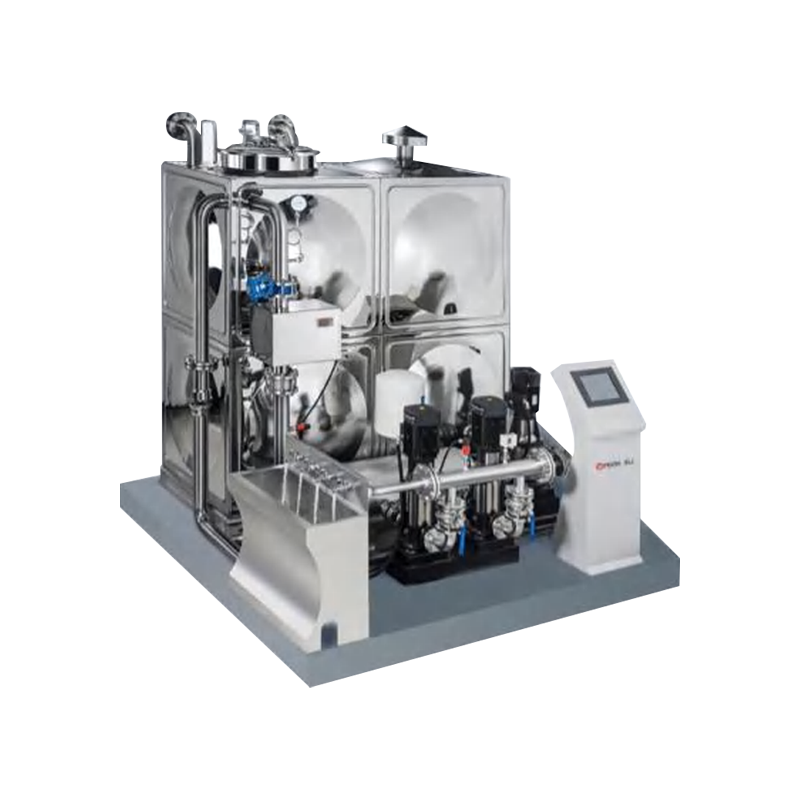
Stainless steel water tanks for homes serve several distinct functions — rainwater collection and storage, overhead gravity supply tanks, hot water storage (thermal storage tanks for solar systems), emergency water reserves, and whole-house filtration buffer tanks. Each application has different sizing, connection, and installation requirements.
A general sizing rule for residential potable water storage is 3–5 liters per person per day for emergency reserve, scaling up to 100–200 liters per person for a 30-day independent supply. For rainwater harvesting as a primary water source, sizing is governed by the catchment area, average rainfall, and consumption demand — a standard calculation that typically yields tank sizes between 5,000 and 25,000 liters for a family home in a moderate-rainfall region.
Overhead gravity tanks — the small rooftop or loft-mounted tanks that supply water to taps and showers without a pressure pump — typically range from 500 to 2,000 liters for residential use. Stainless steel is particularly well suited to this application because the tank is elevated and exposed to temperature cycling and UV exposure that plastic tanks handle poorly over decades of service. A stainless overhead tank installed on a proper base structure will outlast the building's roof without needing replacement or re-lining.
Residential stainless water tanks are manufactured in two principal construction types, each with different price, quality, and installation implications:
When specifying a stainless steel water tank for residential installation, the following features have the most practical impact on long-term performance and water quality: a properly sealed inlet cover or manhole cover to prevent insect and debris ingress; a screened overflow outlet that prevents insects entering via the overflow pipe; an opaque or covered design to exclude light and suppress algae growth (even stainless tanks benefit from light exclusion); a sump outlet at the lowest point of the tank base for complete draining and cleaning access; and inlet positioning above the high-water level to prevent back-siphon contamination.
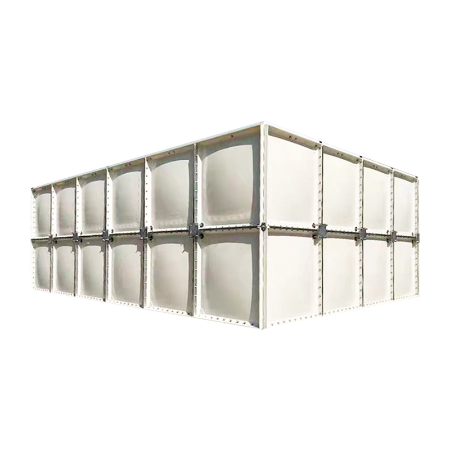
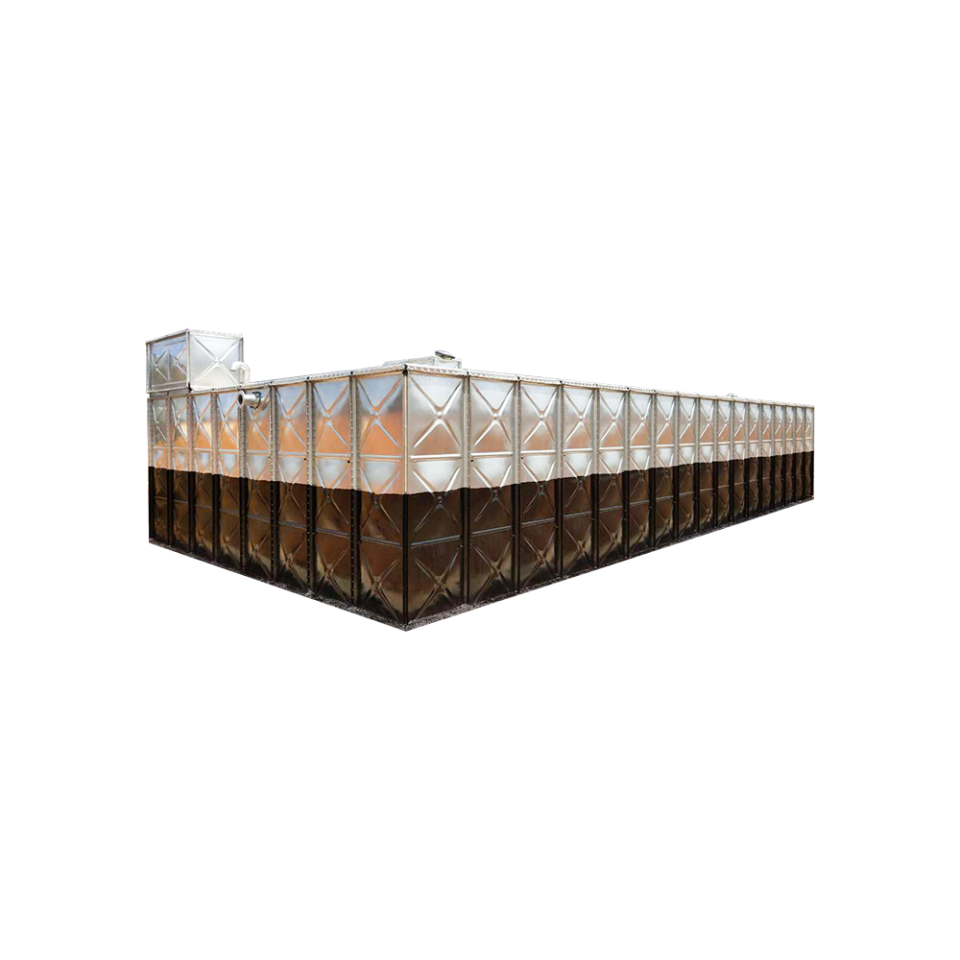
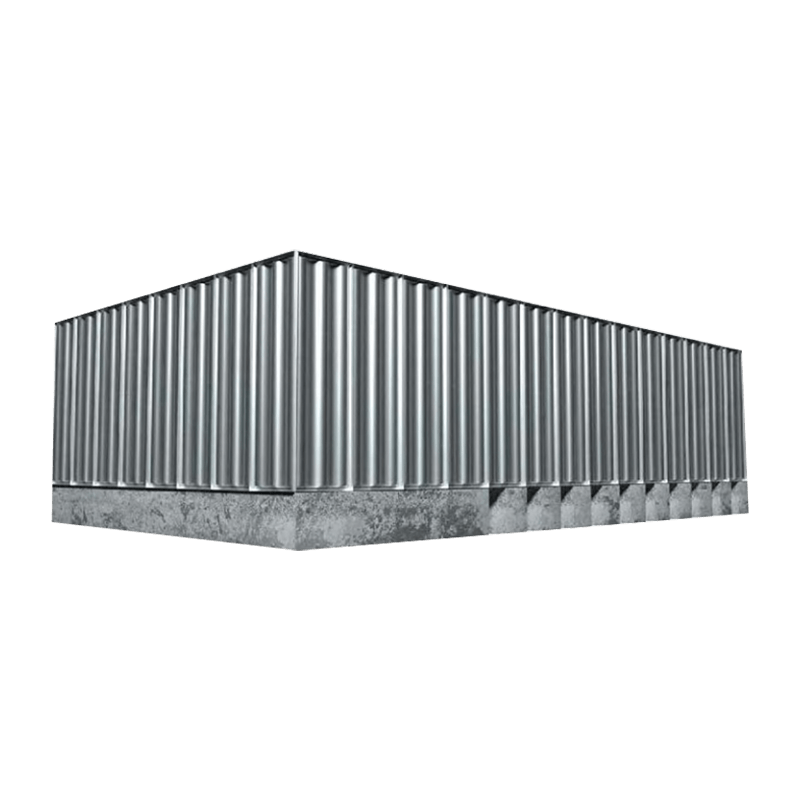
Industrial steel water storage tanks operate in a wider range of service conditions than residential tanks and must comply with engineering standards governing structural integrity, seismic performance, and in many jurisdictions, third-party inspection and certification. The scale is also categorically different — industrial water storage tanks range from 50,000 liters to several million liters, and their design involves structural engineering for wind, seismic, and snow loads that is beyond the scope of standard product specifications.
The primary standards governing large industrial stainless and carbon steel water storage tanks include AWWA D100 (Welded Carbon Steel Tanks for Water Storage), AWWA D103 (Factory-Coated Bolted Carbon-Steel Tanks), and for stainless steel panel tanks, BS EN 13280 (Specifications for Glass Fibre Reinforced Cisterns, which also covers stainless panel tanks under many national implementations). In the US, fire protection water storage tanks for sprinkler systems are governed by NFPA 22. Pressure vessels used for water storage above atmospheric pressure require ASME Section VIII certification regardless of material.
Industrial water storage tanks are configured based on the site's structural constraints, available footprint, and the hydraulic head requirement of the distribution system they supply:
The largest end-use sectors for industrial stainless steel water storage tanks reflect the industries where water purity, hygiene compliance, and long service life without contamination risk are non-negotiable. Food and beverage processing plants use stainless tanks for process water, ingredient water, and CIP (clean-in-place) water supply, where NSF 61 or equivalent food-contact compliance is required. Pharmaceutical and biotech facilities require 316L stainless with electropolished internal surfaces (typically Ra ≤ 0.8 µm) and full passivation certification for purified water and water-for-injection (WFI) storage. Municipal water treatment plants use large stainless contact tanks for chlorine contact time (CT) compliance in disinfection. Data centers and large commercial buildings use stainless tanks for chiller system makeup water and fire suppression reserves.
| Material | Typical Service Life | Potable Water Suitability | Key Limitation |
|---|---|---|---|
| 304 Stainless Steel | 30–50 years | Excellent; NSF 61 compliant | Higher initial cost than plastic or coated steel |
| HDPE / Polyethylene | 10–20 years | Good (food-grade grades) | UV degradation; algae growth in sunlight; limited structural height |
| GRP / Fibreglass | 20–30 years | Good with correct gel coat | Gel coat degradation over time; resin leaching risk if damaged |
| Coated Carbon Steel | 15–25 years | Acceptable with approved linings | Requires periodic re-coating; corrosion risk at coating failures |
| Reinforced Concrete | 25–40 years | Good with proper lining | Cracking risk; difficult inspection; heavy; not relocatable |
The life-cycle cost comparison between stainless steel and lower-cost alternatives often favors stainless when the full cost of ownership is accounted for. A 304 stainless tank with a 40-year design life against two HDPE tank replacements over the same period, plus the cost of maintenance, inspection, and disposal, frequently results in a lower total cost per liter of water stored per year for the stainless option — despite its higher purchase price. This calculation becomes more compelling as tank size increases and as the cost of installation labor (which is paid once for stainless but twice for the HDPE scenario) is factored in.
Related Products

Contact us
Headquater Address
Room 901, Building 17, Lane 1088, Shen Hong Road, Minhang District, Shanghai
Factory Address
No. 1, Mingxing North Road, Tech Innovation Park, Jianhu County, Yancheng, Jiangsu, P. R. China
Amy@mxwatersupply.com
Amy@mxwatersupply.com
Telephone(Whatsapp/Wechat)
+86-18051685983
QR CODE

 English
 Français